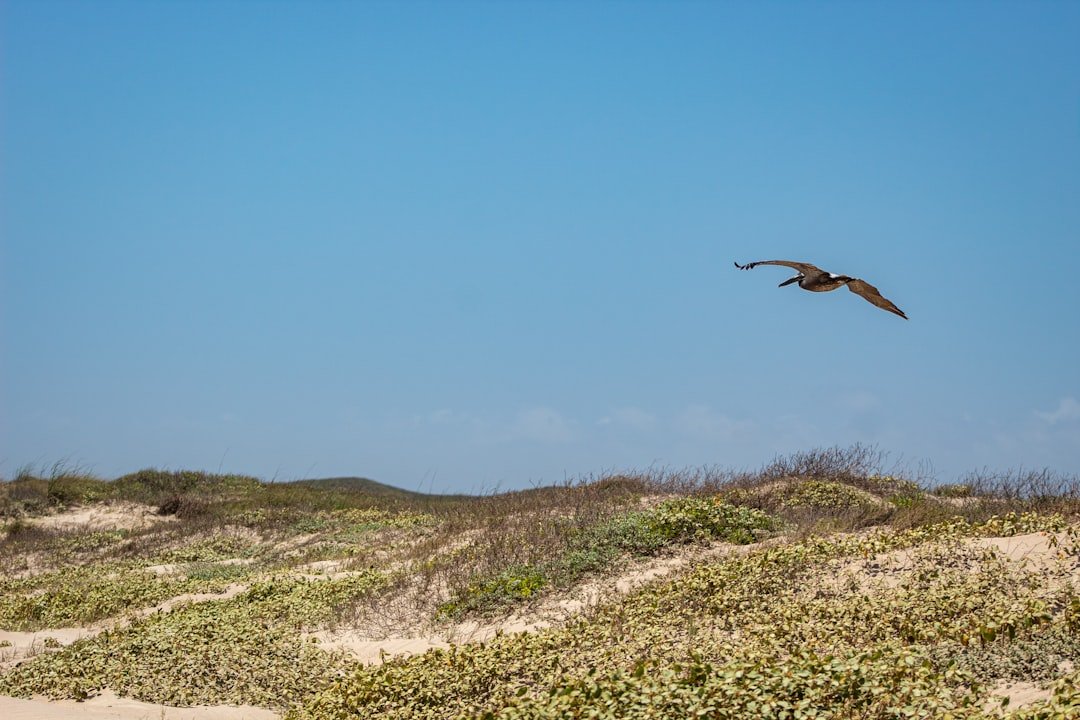
Alabama’s Coastal Birding Trail connects some of the state’s richest coastal habitats, from barrier-island forests and sandy beaches to marshes, bays, wetlands, pine woods, and the Mobile-Tensaw Delta. It works equally well for beginners hoping to identify their first herons and pelicans and experienced birders looking for migrant songbirds, shorebirds, raptors, and seasonal rarities.
Quick Answer
Alabama’s Coastal Birding Trail includes six loops across Mobile and Baldwin counties, covering more than 200 miles and highlighting 50 birding spots. Dauphin Island, Fort Morgan, Bon Secour National Wildlife Refuge, and Gulf State Park are standout areas, especially during spring and fall migration.
Key Takeaways
- The official Coastal Birding Trail is organized into six loops totaling more than 200 miles across Mobile and Baldwin counties.
- Dauphin Island, Fort Morgan, Bon Secour National Wildlife Refuge, and Gulf State Park offer some of the most varied birding opportunities.
- Spring and fall are especially productive for migrant songbirds, while winter is strong for waterfowl, shorebirds, sparrows, and raptors.
- Binoculars, sun protection, water, insect repellent, a bird-identification guide or app, and patience are the basic tools most visitors need.
- Respect nesting closures, stay on established trails, avoid approaching birds for photographs, and check current site conditions before traveling.
How the Alabama Coastal Birding Trail Is Organized
According to Alabama Birding Trails, the coastal trail consists of six birding loops in Mobile and Baldwin counties totaling more than 200 miles. Outdoor Alabama describes the coastal system as highlighting 50 frequently visited birding spots.
The six loops cover very different landscapes:
- Dauphin Island–Bayou La Batre Loop: barrier-island forest, beaches, marshes, bays, and migration stopover habitat.
- Fort Morgan Loop: coastal forest, dunes, Little Lagoon, Bon Secour National Wildlife Refuge, and Fort Morgan.
- Gulf Shores–Orange Beach Loop: Gulf State Park, beach habitat, backcountry trails, lakes, passes, and coastal wetlands.
- South Baldwin County Loop: bays, wetlands, reserves, preserves, and inland coastal habitats.
- Eastern Shore–Mobile Bay Causeway & Blakeley Island Loop: Mobile Bay, mudflats, marshes, parks, and waterbird habitat.
- Mobile-Tensaw River Delta Loop: freshwater wetlands, bottomland forest, rivers, and delta habitat.
The Coastal Birding Trail spans six loops and more than 200 miles, allowing visitors to move from Gulf beaches and barrier islands to freshwater delta habitats within the same regional trail system.
Best Birding Locations Along the Trail
Dauphin Island Bird Sanctuary
Dauphin Island is one of Alabama’s best-known migration locations. The Dauphin Island Bird Sanctuary covers 164 acres of largely maritime pine forest with several miles of trails. Its location near the coast makes it an important landfall area for migrating passerines.
Wooded areas can produce warblers, vireos, thrushes, flycatchers, and other songbirds during migration. Elsewhere on the island, beaches, tidal pools, marshes, and jetties can hold gulls, terns, pelicans, herons, plovers, sandpipers, and other shorebirds.
Fort Morgan
Fort Morgan is another major migration location. Alabama Birding Trails describes it as a classic migrant trap where certain spring weather conditions can create impressive concentrations of newly arrived birds. Fall can also produce migrating raptors, while winter brings waterbirds and sparrows.
Birding conditions can change dramatically from one day to the next during migration, so a quiet morning after favorable weather may look very different from the previous day.
Bon Secour National Wildlife Refuge
Bon Secour National Wildlife Refuge protects approximately 7,000 acres of coastal lands ranging from beach dunes to pine-oak woodland. The U.S. Fish and Wildlife Service reports that more than 370 bird species have been documented on the refuge.
The Jeff Friend Trail provides access to maritime forest, freshwater marsh, open water, and Little Lagoon. Pine Beach Trail passes through several habitats on the way toward the coast and can be productive for migrant songbirds as well as wintering birds around Little Lagoon and Gator Lake.
Gulf State Park
Gulf State Park combines coastal dunes, lakes, marshes, pine forest, beaches, and developed trail access within a 6,150-acre park. Its trail system includes 29 miles of paved trails or boardwalks, giving birders many ways to move between habitats.
Ospreys, herons, rails, owls, woodpeckers, Bald Eagles, and migrating birds may be encountered within the park. Offshore birding can also be interesting, especially when weather affects bird movements, but uncommon pelagic species should be treated as possibilities rather than guaranteed sightings.

Types of Birds to Look For
The variety of habitats along Alabama’s Coastal Birding Trail is one of its biggest strengths. Instead of focusing on a single group of birds, visitors can move between woodland songbirds, beach-nesting species, marsh birds, waterfowl, raptors, gulls, terns, and wading birds.
Herons, Egrets, and Other Wading Birds
Great Egrets and Great Blue Herons are conspicuous throughout many coastal wetlands. Depending on the habitat and season, birders may also encounter other herons, egrets, ibises, rails, and marsh-associated species.
Pelicans, Gulls, and Terns
Brown Pelicans are a familiar sight around Alabama’s coast, where they can often be seen flying low over the water or plunge-diving for fish. Gulls and terns gather around beaches, bays, passes, pilings, sandbars, and other coastal feeding or resting areas.
Shorebirds
Mudflats, beaches, tidal pools, and exposed sand can produce species such as Willet, Black-bellied Plover, Ruddy Turnstone, and numerous smaller sandpipers. Because feeding habitat changes with water levels, checking the tide can make a major difference at mudflat sites.
Migrating Songbirds
Spring and fall can bring waves of warblers, vireos, thrushes, buntings, tanagers, flycatchers, and other migrants. Magnolia Warbler is among the migrants recorded along the trail, while Dauphin Island and Fort Morgan are especially well known for songbird migration.
Raptors and Winter Waterfowl
Hawks, falcons, Ospreys, and Bald Eagles occur in coastal Alabama. During the cooler months, wetlands, bays, lagoons, lakes, and open-water areas can also attract ducks, mergansers, grebes, and other wintering waterbirds.
Tips for Birding Success
| Tip | Why It Helps |
|---|---|
| Research the site | Check the official trail map, expected habitats, current access information, and recent notices before leaving. |
| Use binoculars | Binoculars let you study birds without moving too close or disturbing them. |
| Go early | Morning often brings cooler weather, active songbirds, better light, and fewer people on many trails. |
| Be patient | Stop regularly, listen for calls, watch movement in vegetation, and let birds reveal themselves. |
| Respect nature | Keep your distance, obey closures, stay out of nesting areas, and avoid forcing birds to move for photographs. |
| Join a group | Guided walks and local birding groups can help beginners learn calls, habitats, identification, and seasonal patterns. |
A field guide or bird-identification app can make unfamiliar birds easier to identify. The Merlin Bird ID app is particularly useful for narrowing possibilities by location, appearance, and sound. Keeping a checklist or journal can also turn a single outing into a useful record of what you observed.
Pro Tip: Don’t walk continuously. At wooded migration sites, stop for several minutes at productive-looking edges, oak groves, water sources, and openings. Listening quietly often reveals birds that are almost impossible to notice while moving.
Warning: Never enter fenced or closed nesting habitat to get closer to a bird. Coastal nesting birds can be highly sensitive to disturbance. In parks and refuges, also give alligators, snakes, and other wildlife plenty of space and follow posted safety rules.
Seasonal Considerations for Birding
Spring
Spring is one of the most exciting times on Alabama’s coast because northbound migrants cross or move around the Gulf and stop to rest and feed. Warblers, vireos, thrushes, buntings, tanagers, and other songbirds may appear in coastal woods and scrub.
Weather strongly affects migration. A famous migration “fallout” can occur when conditions concentrate arriving migrants, but no specific day guarantees a spectacle.
Summer
Summer shifts attention toward breeding birds and year-round coastal species. Herons, egrets, terns, pelicans, rails, raptors, and woodland birds remain worth watching, while some beaches support sensitive nesting birds.
Summer also brings heat, intense sun, thunderstorms, and biting insects. Carry water, use sun protection, and avoid pushing a long walk during dangerous heat or approaching storms.
Fall
Fall brings another major migration period. Songbirds move south, shorebirds use beaches and mudflats, and Fort Morgan can be productive for migrating raptors. Migration tends to unfold over an extended period rather than on a single predictable date.
Winter
Winter offers a quieter but rewarding birding season. Ducks, mergansers, grebes, sparrows, gulls, shorebirds, and raptors become important targets around bays, lagoons, wetlands, beaches, and open water.

Conservation Efforts and Responsible Birding
Conservation is central to birding on Alabama’s coast because beaches, islands, marshes, wetlands, and forests are both productive wildlife habitats and highly dynamic environments.
At Bon Secour National Wildlife Refuge, the U.S. Fish and Wildlife Service uses habitat-management practices such as monitoring, prescribed fire, invasive-species control, and vegetation and wildlife surveys to maintain or restore habitat.
Alabama Audubon’s Coastal Bird Stewardship Program focuses on sensitive coastal birds including Least Terns, Black Skimmers, Snowy Plovers, Wilson’s Plovers, American Oystercatchers, and Reddish Egrets. Volunteers and staff monitor nesting areas and conduct outreach designed to reduce disturbance.
Visitors can help by staying outside marked nesting zones, keeping dogs under control where pets are permitted, packing out trash, remaining on designated routes, and observing birds from a distance. Citizen-science programs also allow birders to turn ordinary observations into useful data.
Planning Your Birding Trip
Because the Coastal Birding Trail covers more than 200 miles, trying to see everything in one day is unrealistic. Pick one loop or a small group of nearby sites and give yourself enough time to watch rather than constantly drive.
Check Access Before You Go
Parking, admission, hours, restrooms, trail surfaces, and accessibility vary from site to site. Some locations charge admission or parking fees, while others are free. Closures can also occur because of storms, construction, habitat protection, or maintenance.
Use the official Alabama Birding Trails site and the managing agency’s page shortly before visiting. Do not assume that an old map, blog post, or saved itinerary reflects current conditions.
Watch the Tide at Shorebird Sites
Tides can dramatically change coastal feeding habitat. Mudflats that are productive at lower water may disappear when the tide rises. At beach and mudflat locations, compare your planned visit with local tide information and remain alert to changing water levels.
Pack for Gulf Coast Conditions
- Binoculars
- Bird guide or identification app
- Water
- Sun hat, sunscreen, and sunglasses
- Insect repellent
- Comfortable walking shoes
- Light rain protection when storms are possible
- Notebook or digital checklist
- Spotting scope for distant waterbirds if you already own one
Snacks are also useful on longer outings. If you enjoy trying different travel foods, this guide to Asian melon offers ideas for a refreshing fruit option to enjoy away from wildlife and nesting areas.
Note: Amenities are site-specific. Some trail stops have parking, restrooms, boardwalks, observation areas, or interpretive signs, while more natural sites may offer very limited facilities.
Birding Events and Festivals Along the Trail
The John L. Borom Alabama Coastal BirdFest brings birders, families, guides, and conservation organizations together around Alabama’s coastal birdlife. Alabama Audubon currently lists the 2027 Alabama Coastal BirdFest for April 22–25, 2027, with additional event and guide details to be announced.
Because festival schedules, trips, registration requirements, and capacity can change, check the organizer’s current page rather than relying on dates from an older article.
The Great Backyard Bird Count is another way to participate in citizen science. The event now brings participants together globally for four days each February. The next count is scheduled for February 12–15, 2027. Participants can spend as little as 15 minutes watching birds and submit eligible observations through the participating platforms.
Additional Resources for Birding in Alabama
The best starting point for trip planning is Alabama Birding Trails, which provides information on birding regions, individual sites, maps, habitats, and species.
Alabama Audubon offers birding events, conservation programs, volunteer opportunities, coastal stewardship information, and educational resources.
For identification in the field, Merlin Bird ID can help with visual and sound-based identification, while eBird is useful for recording sightings and exploring bird observations. Local libraries, bookstores, nature centers, refuge offices, and park visitor centers may also carry regional field guides and bird checklists.
Online birding communities can be useful for learning about recent observations, but sightings should never be treated as guarantees. Bird locations change constantly with weather, migration, tides, food, disturbance, and habitat conditions.
Frequently Asked Questions
What is the Alabama Coastal Birding Trail?
The Alabama Coastal Birding Trail is a network of public birding locations in Mobile and Baldwin counties. It connects coastal forests, beaches, wetlands, bays, parks, refuges, and delta habitats where visitors can watch resident and migratory birds.
How many sites are included in the Alabama Coastal Birding Trail?
Outdoor Alabama describes the Coastal Birding Trail as highlighting 50 birding spots. The official coastal trail is organized into six loops across Mobile and Baldwin counties and totals more than 200 miles.
What are the best places for birding on the Alabama coast?
Dauphin Island, Fort Morgan, Bon Secour National Wildlife Refuge, and Gulf State Park are excellent starting points because they combine productive habitats with established birding access. The Mobile-Tensaw Delta and Mobile Bay areas add very different wetland and waterbird habitats.
What types of birds can be seen along the Alabama Coastal Birding Trail?
Possible groups include herons, egrets, pelicans, gulls, terns, shorebirds, rails, ducks, grebes, raptors, woodpeckers, sparrows, warblers, vireos, thrushes, buntings, and other songbirds. The mix changes with habitat and season.
What is the best time of year for birding?
Spring and fall are especially popular because of migration. Winter can be excellent for waterfowl, shorebirds, sparrows, and raptors, while summer offers resident birds, breeding activity, and coastal species. There is worthwhile birding somewhere along the trail throughout the year.
Are guided tours available along the Alabama Coastal Birding Trail?
Guided walks, field trips, workshops, and festival outings are offered periodically by organizations such as Alabama Audubon and other local groups. Availability changes, so check current event calendars before your trip.
Is the Alabama Coastal Birding Trail suitable for beginners?
Yes. Beginners can start at accessible parks, boardwalks, visitor centers, and established trails such as those at Gulf State Park or selected refuge locations. Binoculars and a simple identification app are enough to begin.
Are amenities available at trail sites?
Amenities vary. Some locations provide parking, restrooms, boardwalks, observation areas, visitor centers, or informational signs, while other sites have minimal facilities. Check each location before visiting.
Do Alabama Coastal Birding Trail sites charge admission?
It depends on the location. Some public birding sites are free, while parks, beaches, piers, historic sites, or parking areas may charge admission or parking fees. Check the managing agency’s current page before traveling.
Sources
- Alabama Birding Trails — Coastal Trail — trail structure, loops, locations, habitats, and birding-site information.
- Outdoor Alabama — Alabama Birding Trails — official Alabama conservation information on the coastal trail and its highlighted sites.
- U.S. Fish and Wildlife Service — Bon Secour National Wildlife Refuge — refuge size, habitats, access, conservation, and birding information.
- Alabama State Parks — Gulf State Park Birding — park birdlife and habitat information.
- Alabama Audubon — Coastal Bird Stewardship Program — beach-nesting bird conservation, monitoring, stewardship, and visitor awareness.
- Great Backyard Bird Count — current citizen-science event dates and participation information.