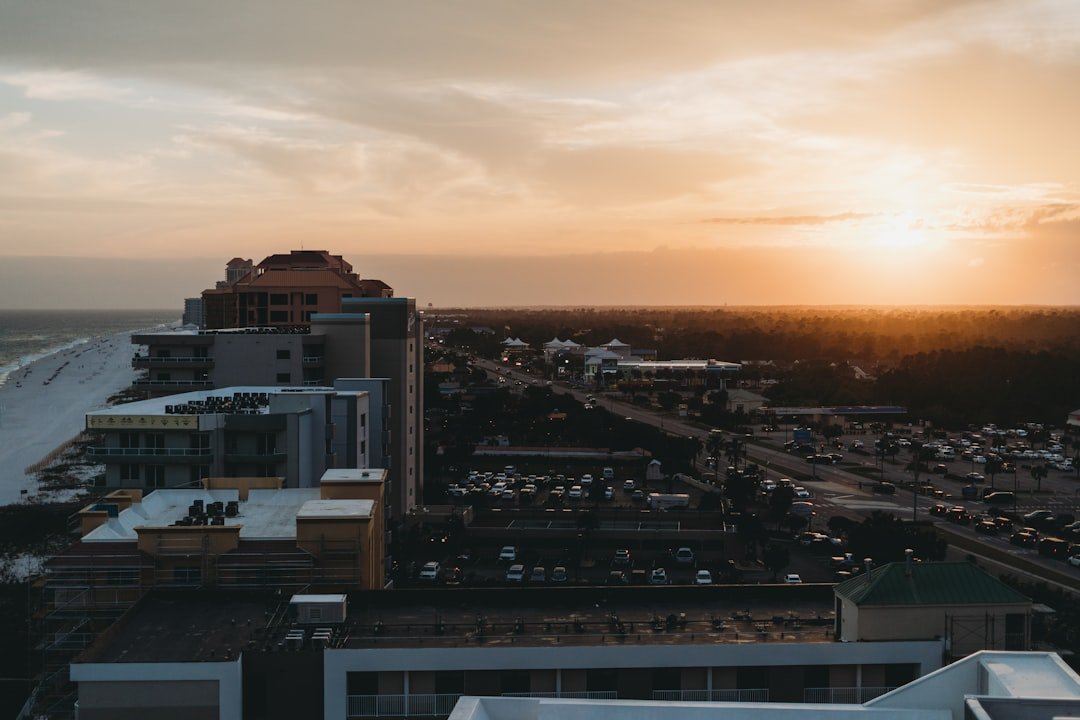
Alabama State Parks give travelers access to Gulf Coast beaches, Appalachian foothills, forests, lakes, caves, waterfalls, historic Civilian Conservation Corps structures, and a wide range of camping and lodging choices. The system currently includes 21 parks across roughly 48,000 acres of land and water, with experiences ranging from simple day-use areas to full resort-style parks.
Quick Answer
Alabama has 21 state parks offering beaches, mountain trails, fishing, camping, cabins, wildlife viewing, historic sites, and family activities. Gulf State Park, Cheaha, Oak Mountain, Monte Sano, DeSoto, and Joe Wheeler are especially useful starting points. Fees, lodging, pet rules, trail conditions, and activities vary by park, so check the official park page before traveling.
Key Takeaways
- The Alabama State Parks system operates 21 parks covering about 48,000 acres of land and water.
- Gulf State Park is a strong choice for beaches and paved trails, while Cheaha, Monte Sano, DeSoto, and Oak Mountain are better suited to mountain scenery and hiking.
- Camping ranges from primitive tent sites to full-hookup RV sites, while selected parks also offer cabins, cottages, lodges, chalets, or glamping.
- Entrance fees, annual passes, campsite inventories, operating hours, and activity rules differ by park and can change.
- Reservations are smart for popular weekends, holidays, cabins, and peak camping periods, especially when a particular site or accommodation matters to your trip.
Alabama State Parks currently operates 21 parks encompassing approximately 48,000 acres of land and water, from Gulf Coast beaches to the Appalachian Mountains.
History and significance of Alabama State Parks
The modern Alabama State Parks system grew from conservation and public-recreation efforts that expanded during the early twentieth century. Cheaha State Park, located on Cheaha Mountain, is Alabama’s oldest state park and was established in 1933. The mountain is also the highest point in Alabama.
The Civilian Conservation Corps, or CCC, became an important part of park development during the New Deal era. From 1933 until the CCC ended in 1942, workers across Alabama helped construct roads, trails, cabins, picnic areas, bridges, recreational facilities, and other infrastructure. Historic CCC structures remain visible at parks including Cheaha, DeSoto, and Monte Sano.
That history still shapes the visitor experience. Alabama State Parks are not only recreation sites; they also protect forests, wetlands, waterways, wildlife habitat, geological features, and cultural resources while providing opportunities for environmental education.
Note: Park facilities have changed considerably since the CCC era. Historic cabins, trails, and buildings may coexist with modern campgrounds, accessible facilities, lodges, and newer recreation areas, so current park maps are more useful for trip planning than historical descriptions alone.
Top Alabama State Parks to visit

No single Alabama state park is best for every traveler. The right choice depends on whether you want beaches, mountains, waterfalls, long trail systems, fishing, family amenities, or resort-style lodging.
Gulf State Park
Gulf State Park is one of the most versatile choices for a coastal trip. The park has more than 3.5 miles of white-sand beach access and a large network of paved trails and boardwalks. Its trail system connects visitors with coastal forest, wetlands, dunes, lakes, and other habitats.
The park also offers campgrounds, cabins, cottages, lodge accommodations, lake recreation, a fishing and education pier, nature programs, and family activities. It is a practical choice for travelers who want beach time without giving up biking, hiking, fishing, or wildlife viewing.
Cheaha State Park
Cheaha State Park is a strong choice for mountain scenery, hiking, historic CCC features, and cooler-feeling high-elevation surroundings compared with much of the state. The park sits around Alabama’s highest point and is surrounded by Talladega National Forest, giving visitors access to broader hiking opportunities beyond the park itself.
Oak Mountain State Park
Oak Mountain State Park near Birmingham is Alabama’s largest state park by land area. Its broad mix of trails, lakes, camping, mountain biking, wildlife experiences, and other recreation makes it useful for travelers who want many activities in one destination.
Monte Sano State Park
Monte Sano State Park overlooks Huntsville and is particularly attractive to hikers and mountain bikers. The official park trail information currently lists 22 miles of scenic hiking and biking trails with different difficulty levels.
Monte Sano also preserves original CCC-era stone cabins and offers improved camping, primitive camping, glamping, picnic areas, disc golf, a playground, and other recreation.
DeSoto State Park
DeSoto State Park near Fort Payne is a good match for waterfall trips, forest hiking, mountain scenery, and overnight stays. The park currently advertises more than 35 miles of hiking trails, including more than 11 miles of mountain-biking opportunities, plus an ADA-accessible boardwalk trail.
Its lodging choices include cabins, chalets, lodge rooms, improved camping, primitive camping, and backpacking options. Nearby DeSoto Falls and Little River Canyon make the area especially useful for a longer northeast Alabama outdoor trip.
Joe Wheeler State Park
Joe Wheeler State Park sits along Wheeler Lake and the Tennessee River near Rogersville. It combines fishing and boating with resort-style lodging, cabins, cottages, camping, golf, marina facilities, and approximately 16 miles of hiking and biking trails.
Which Alabama State Park should you choose?
| Park | Best For | Standout Features |
|---|---|---|
| Gulf State Park | Beach trips, cycling, families | 3.5+ miles of beach, extensive paved trail system, lake recreation, camping and lodging |
| Cheaha State Park | Mountain views, hiking, history | Alabama’s highest point, CCC history, Talladega National Forest access |
| Oak Mountain State Park | Variety and longer stays | Alabama’s largest state park, broad range of outdoor recreation |
| Monte Sano State Park | Hiking and mountain biking | 22 miles of trails, bluff scenery, CCC cabins |
| DeSoto State Park | Waterfalls and forest hiking | 35+ hiking miles, mountain biking, cabins, nearby waterfalls |
| Joe Wheeler State Park | Fishing, boating, resort stays | Wheeler Lake, marina, lodge, golf, approximately 16 trail miles |
Activities and amenities offered at Alabama State Parks
| Park Name | Hiking Trails | Camping Sites | Fishing Areas | Picnic Areas |
|---|---|---|---|---|
| Monte Sano State Park | 22 miles | Improved and primitive camping; official camping page lists multiple site types | Check current park activity information | Yes |
| Joe Wheeler State Park | Approximately 16 miles | 116 modern campsites plus primitive options | Yes, Wheeler Lake and Tennessee River access | Yes |
| DeSoto State Park | 35+ miles | 94 improved full-hookup sites plus primitive and backpacking options | Yes, including Little River and DeSoto Falls area opportunities | Yes |
Hiking remains one of the most common activities across the system, but trail difficulty varies widely. Some parks have paved or accessible routes suitable for relaxed walks, while mountain parks include rocky, steep, or strenuous terrain.
Water-based recreation also varies by location. Depending on the park, visitors may find freshwater fishing, saltwater fishing, boating, kayaking, canoeing, paddleboarding, swimming, or beach access. Golf, mountain biking, geocaching, disc golf, nature centers, playgrounds, interpretive programs, and guided activities are available at selected parks rather than throughout the entire system.
In addition to outdoor activities, Alabama State Parks include a mix of picnic areas, campgrounds, cabins, lodges, educational facilities, marinas, golf courses, and other amenities, but the exact combination is different at every park.
Many picnic areas include tables or grills, and campgrounds can range from primitive tent sites to RV sites with water, electricity, and sewer hookups. Before choosing a park based on one activity, check its current official page because seasonal closures, maintenance, water conditions, and facility renovations can affect what is available.
Camping and lodging options at Alabama State Parks
Camping is one of the major reasons people visit Alabama State Parks. Most camping parks offer some combination of primitive and modern campsites, while larger destinations may provide full-hookup RV sites, bathhouses, laundry facilities, dump stations, waterfront sites, or other campground amenities.
Primitive sites are best for campers who want fewer services and a more traditional outdoor experience. Improved or modern sites are generally better for RV travelers and families who want electricity, water, nearby restrooms, or other conveniences. Site specifications vary, so RV travelers should confirm pad length, electrical service, hookup type, and vehicle restrictions before booking.
Lodging extends beyond traditional campsites. Selected parks provide cabins, cottages, chalets, lodge rooms, group accommodations, or glamping options.
Cabins can include kitchens or kitchenettes, bathrooms, heating and air conditioning, porches, fireplaces, or scenic views, but amenities differ considerably between parks and even between cabin types within the same park.
For example, Gulf State Park combines large-scale camping with cabins and lodge accommodations, while Monte Sano offers historic CCC cabins in addition to camping and glamping. Joe Wheeler includes a waterfront lodge, cottages, cabins, and campground facilities. DeSoto has lodge rooms, cabins, chalets, improved campsites, and more rustic options.
Pro Tip: Use the official Alabama State Parks reservation system to compare real availability. Alabama residents can receive an extended advance-booking window for traditional campground accommodations, while exact booking rules can differ by accommodation and guest residency.
Wildlife and natural attractions at Alabama State Parks

Alabama’s geography stretches from Gulf Coast beaches and coastal marshes to rivers, lakes, forests, caves, and the southern Appalachian foothills. That variety gives the state-park system a broad range of wildlife habitats.
Gulf State Park is especially useful for coastal birding and wildlife viewing. Herons, egrets, terns, shorebirds, alligators, and many other animals may be encountered in or around its beaches, lakes, wetlands, and wooded areas. Least terns are among the birds found along Alabama’s coast, but visitors should avoid disturbing nesting birds or entering posted nesting areas.
Mountain parks offer a different experience. Cheaha’s elevation, forest cover, rocky slopes, and surrounding Talladega National Forest support diverse plant communities and seasonal wildflowers. Monte Sano and DeSoto also provide forest and mountain habitats where visitors may see birds, deer, reptiles, insects, and other native wildlife.
Wildlife should be watched from a safe distance. Never feed wild animals, and follow posted guidance for alligators, snakes, nesting birds, bears, or other wildlife that may occur at a particular park.
Events and programs at Alabama State Parks
Alabama State Parks host educational and recreational programs throughout the year. Depending on the park and season, schedules may include guided hikes, wildlife programs, nature talks, children’s activities, astronomy events, fishing instruction, cultural-history programs, holiday events, and Junior Ranger activities.
Programming is park-specific rather than standardized across the entire system. For example, Gulf State Park maintains an active calendar of nature and coastal programs, while Monte Sano and DeSoto advertise their own guided hikes, night programs, naturalist activities, and special events.
Because event calendars change frequently, check the individual park’s official activities or events page shortly before your trip instead of planning around a recurring event mentioned in an older travel guide.
Fees, reservations, pets, fishing, and accessibility
Entrance fees and park passes
Some Alabama State Parks charge day-use entrance fees, parking fees, boat-launch fees, activity fees, or other charges. Prices and annual-pass programs are not identical across every park. For example, individual parks such as Monte Sano and Oak Mountain publish their own entrance-fee and annual-pass schedules.
Always check the specific park’s current fee page before traveling, particularly if you are visiting with a large group, launching a boat, parking at Gulf beaches, or purchasing an annual pass.
Reservations
Popular campsites, cabins, cottages, and lodge accommodations can fill during weekends, holidays, school breaks, and desirable weather periods. The official reservation system allows visitors to view current accommodation availability rather than relying on old campsite counts.
Alabama residents currently receive up to a 13-month advance reservation window for traditional campground accommodations. Other booking windows and rules can vary by accommodation and residency, so confirm the conditions displayed during booking.
Pets
Pets are welcome under Alabama State Parks rules, but owners must follow park-specific restrictions. Dogs generally need to remain leashed and attended. They may not be permitted in beaches, swimming pools, non-pet-friendly buildings, or other restricted areas.
Overnight guests should reserve a specifically pet-friendly cabin or accommodation where required. Owners are responsible for cleaning up after their animals and following vaccination, leash, and facility rules. See the current Alabama State Parks dog-friendly policies before traveling with a pet.
Fishing licenses
Fishing is available at many Alabama parks, but a park entrance fee or campsite reservation does not automatically replace state fishing-license requirements. Freshwater and saltwater rules differ, as do age, residency, and exemption requirements.
Before fishing, check the current Outdoor Alabama license information, along with applicable seasons, size limits, creel limits, and park-specific rules.
Accessibility
Accessibility varies by park, but the system includes accessible trails, campsites, cabins, boardwalks, and other facilities at selected destinations. Alabama State Parks also maintains an outdoor mobility-device program at several parks, with equipment designed to help visitors access trails, beachfront areas, and other outdoor spaces.
Visitors who need a particular accessible campsite, cabin, trail surface, restroom, mobility device, or parking space should verify availability directly with the park before arrival.
Tips for planning a trip to Alabama State Parks
Spring and fall can be comfortable seasons for hiking and sightseeing in much of Alabama, while summer is popular for swimming, lake recreation, and Gulf Coast trips. Conditions vary greatly between the mountains and coast, however, so the forecast for the specific park is more useful than statewide seasonal advice.
Reserve campsites or cabins early when traveling during holidays, popular weekends, or peak local seasons. Before leaving home, check the park’s current operating hours, trail conditions, weather notices, event calendar, swimming conditions, and facility closures.
For hiking, bring sturdy footwear appropriate to the trail, drinking water, sun protection, insect repellent, and a park or trail map. Allow enough time to finish before trails close, and do not rely solely on a phone in areas with weak cellular service.
Warning: Alabama weather can include extreme heat, thunderstorms, lightning, heavy rain, and rapidly changing coastal conditions. At Gulf State Park, check beach flags and rip-current information before entering the Gulf. Around lakes and wetlands, remain alert for alligators and other wildlife. Follow closures, fire restrictions, and posted safety instructions.
At Gulf State Park, beach conditions deserve particular attention. The park posts beach flags that communicate current water hazards. Trail users should also share paved routes responsibly with walkers, runners, cyclists, and other permitted users.
Leave plants, rocks, historic structures, and wildlife as you find them. Pack out trash and keep food secured. These simple habits protect the same natural and cultural resources that make the park system worth visiting.
If you’re planning a visit to Alabama State Parks, you might also be interested in preparing simple food for a picnic or camping stay. One option is Delicious Homemade Cottage Cheese: A Simple and Healthy Recipe. This homemade treat can be packed with other properly chilled foods for a park picnic.
Sources
- Alabama State Parks — About Alabama State Parks — current number of state parks, approximate acreage, and system overview.
- Alabama State Parks — Cheaha State Park — Cheaha history, 1933 establishment, and park information.
- Alabama State Parks — Gulf State Park — lodging, camping, recreation, and coastal park information.
- Alabama State Parks — Monte Sano Hiking & Biking Trails — current 22-mile trail figure.
- Alabama State Parks — Joe Wheeler Hiking and Biking Trails — current approximately 16-mile trail figure.
- Alabama State Parks — DeSoto State Park — current trail, camping, recreation, and accessibility information.
Frequently Asked Questions
What are Alabama State Parks?
Alabama State Parks are public recreation and conservation areas operated by the Alabama State Parks Division of the Alabama Department of Conservation and Natural Resources. They include destinations ranging from Gulf Coast beaches and lakes to forests and mountain landscapes.
How many Alabama State Parks are there?
The Alabama State Parks Division currently operates 21 state parks encompassing approximately 48,000 acres of land and water.
What activities can visitors enjoy at Alabama State Parks?
Activities vary by park but can include hiking, mountain biking, fishing, boating, swimming, camping, picnicking, golf, wildlife viewing, geocaching, nature programs, beach recreation, and children’s activities.
Are there entrance fees for Alabama State Parks?
Some parks charge entrance, parking, boat-launch, or activity fees, but prices are not identical across the system. Annual passes are available at selected parks. Check the individual park’s official fee page for the current price before visiting.
Can visitors bring pets to Alabama State Parks?
Yes, pets are generally welcome under park rules, but dogs must normally remain leashed and attended. Beaches, pools, buildings, and overnight accommodations may have additional restrictions, and guests must reserve designated pet-friendly lodging where required.
Are accommodations available at Alabama State Parks?
Yes. Depending on the park, overnight choices can include primitive campsites, modern or full-hookup RV sites, cabins, cottages, chalets, lodges, group accommodations, and glamping. Availability and amenities vary by location.
What are some popular Alabama State Parks to visit?
Gulf State Park is a strong coastal choice; Cheaha is known for Alabama’s highest point and mountain scenery; Oak Mountain offers a large variety of recreation; Monte Sano is popular for trails near Huntsville; DeSoto is known for forest and waterfall trips; and Joe Wheeler is well suited to fishing and boating.
Do I need a fishing license in an Alabama State Park?
State fishing-license requirements generally still apply when fishing in a state park. Freshwater and saltwater requirements, exemptions, seasons, and limits differ, so check Outdoor Alabama’s current licensing and fishing-regulation information before fishing.
Should I reserve an Alabama State Park campsite in advance?
Advance reservations are recommended when you need a specific campsite or accommodation, especially for weekends, holidays, and popular travel periods. Alabama residents currently receive an extended advance-booking window for traditional campground accommodations.
Are Alabama State Parks accessible for visitors with mobility needs?
Accessibility varies by park. Selected parks provide accessible trails, boardwalks, campsites, cabins, restrooms, and outdoor mobility devices. Contact the specific park before traveling when you need a particular accessible feature or mobility device.