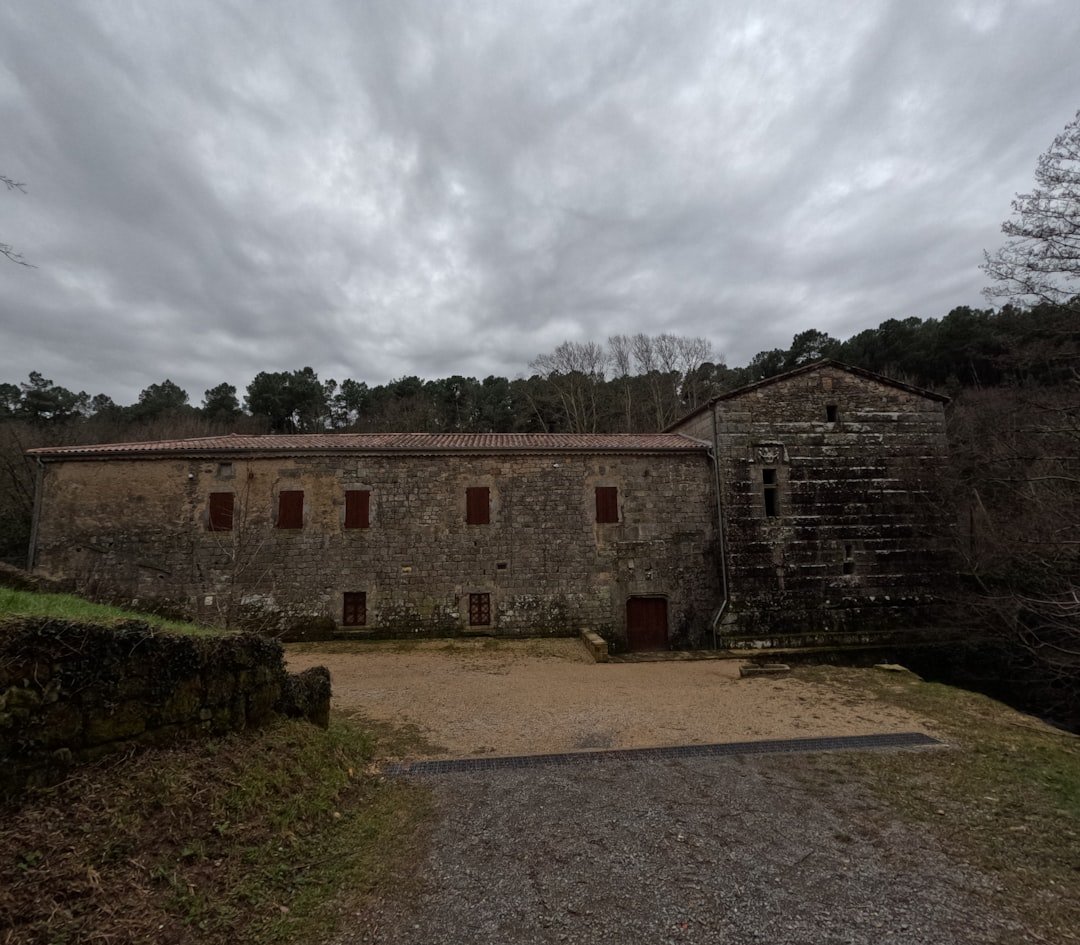
Fort Morgan is a historic coastal fort at Mobile Point on Alabama’s Gulf Coast, where Mobile Bay meets the Gulf of Mexico. Built in the early 19th century and best known for its role in the Battle of Mobile Bay, the site combines military history, coastal scenery, birding, and access to the Fort Morgan peninsula. This guide covers what to see, how to get there, current hours and admission, accessibility, nearby nature, dining, lodging, and practical tips for planning a visit.
Quick Answer
Fort Morgan is a National Historic Landmark at the western end of Alabama Highway 180, about 22 miles west of Highway 59 in Gulf Shores. Visitors can explore the 1834 masonry fort, later coastal-defense batteries, a museum, and natural areas. The fort and grounds are currently open daily from 8:00 a.m. to 5:00 p.m.
Key Takeaways
- Fort Morgan was begun in 1819 and completed in 1834, and it later played a major role in the Battle of Mobile Bay on August 5, 1864.
- The site is at 51 Highway 180 West in Gulf Shores, 22 miles west of Highway 59; travelers can also arrive from Dauphin Island on the Mobile Bay Ferry.
- Current posted hours are 8:00 a.m.–5:00 p.m. for the fort and grounds and 9:00 a.m.–4:00 p.m. for the museum, with closures on Thanksgiving, Christmas, and New Year’s Day.
- The museum, restrooms, and ground level of the fort are accessible to visitors with physical disabilities, while stairs and historic surfaces can limit access elsewhere.
- Fort Morgan is also a strong birding stop, and nearby Bon Secour National Wildlife Refuge protects about 7,000 acres of coastal habitat.
At a Glance
| Typical Visit | About 1.5–3 hours for the fort, museum, views, and short stops around the grounds |
| Walking Difficulty | Easy to moderate; expect uneven historic surfaces, stairs, ramps, and exposed outdoor areas |
| Bring | Comfortable shoes, water, sun protection, insect repellent, and a camera or binoculars |
| Current Admission | $8 adults; $5 college students, seniors, and ages 6–18; $20 family of four; qualifying military admission is free. Verify before travel. |
Fort Morgan History
Construction of Fort Morgan began in 1819 and was completed in 1834. The fort was named for Revolutionary War hero Daniel Morgan and replaced the earlier Fort Bowyer at Mobile Point. The Alabama Historical Commission describes Fort Morgan as a National Historic Landmark and notes that skilled masons, including enslaved African Americans, helped build the fortification.
The fort was designed as a masonry coastal-defense work positioned to protect the entrance to Mobile Bay. Its thick brick walls, bastions, casemates, and firing positions reflect the military engineering of the period. Later concrete artillery batteries, built between 1895 and 1904, show how coastal defense changed as weapons and naval technology advanced.
Fort Morgan is most closely associated with the Battle of Mobile Bay on August 5, 1864. During the Union naval attack, the monitor USS Tecumseh struck a mine, then commonly called a torpedo, and sank. Admiral David G. Farragut ordered his fleet forward through the dangerous channel in the action remembered for the phrase “Damn the torpedoes! Full speed ahead!” Union naval forces gained control of the bay, and Fort Morgan surrendered later, on August 23, 1864.
Fort Morgan preserves more than one era of coastal defense: the 1834 masonry fort, Civil War history, and concrete artillery batteries added around the turn of the 20th century.
Military use continued intermittently through later conflicts, including World War I and World War II. Today, the Alabama Historical Commission manages the historic site and museum, which interprets the military history of Mobile Point from 1814 to 1945.
Hours, Admission, and Accessibility
As of August 17, 2026, the Alabama Historical Commission’s Fort Morgan visitor page lists the fort and grounds as open daily from 8:00 a.m. to 5:00 p.m. The museum is open daily from 9:00 a.m. to 4:00 p.m. The site is closed on Thanksgiving, Christmas, and New Year’s Day.
Current posted admission is $8 for adults; $5 for college students, seniors, and children ages 6–18; and $20 for a family of four consisting of two adults and two children. The site lists free admission for active, reserve, or retired military visitors with ID. Rates and policies can change, so check the official page before your trip.
The museum, restrooms, and ground level of the fort are accessible to individuals with physical disabilities. Because Fort Morgan is a historic fortification, upper levels, stairs, narrow passages, and uneven surfaces may be difficult or inaccessible for some visitors. The Alabama Historical Commission asks visitors who need special assistance to contact the site in advance.
Note: Hours, ticket prices, special-event access, and ferry operations can change. Verify the official Fort Morgan and Mobile Bay Ferry pages on the day of travel, especially during holidays or severe weather.
How to Get to Fort Morgan
Fort Morgan is located at 51 Highway 180 West, Gulf Shores, Alabama 36542, at the western end of the Fort Morgan peninsula. The Alabama Historical Commission states that the site is 22 miles west of Highway 59 in Gulf Shores. From Gulf Shores, follow Alabama Highway 180, also called Fort Morgan Road, west to the historic site.
If you are coming from Mobile or another point north or west of the coast, use a current navigation app rather than relying on a fixed highway sequence, because road conditions and recommended routes can change. Travelers flying into the region commonly use airports serving Mobile or Pensacola and then continue by rental car or other ground transportation.
Arriving by Mobile Bay Ferry
The Mobile Bay Ferry carries vehicles and passengers between Dauphin Island and the Fort Morgan landing at 110 AL-180. At least one vessel operates year-round, seven days a week, weather permitting, with additional summer service when demand supports it. The schedule varies by season and can change because of weather or maintenance.
During the busy summer period, the ferry operator recommends arriving early. Current fares are charged per person plus the vehicle, with separate rates for larger vehicles and motorcycles. Check the official ferry pricing page before deciding whether the ferry or the road route is more practical for your group.
Pro Tip: If your trip includes both Dauphin Island and Fort Morgan, the ferry can save a long drive around Mobile Bay. Build extra time into your schedule because vehicle space is limited and crossings can be delayed or canceled by weather or maintenance.
Things to Do at Fort Morgan

The main reason to visit is to explore the fort itself. Walk through brick casemates and passageways, examine defensive positions, and look across Mobile Bay from the fort’s elevated areas where access is permitted. The site also includes later concrete coastal-defense batteries and the exterior of historic military buildings dating from the late 19th and early 20th centuries.
The museum adds context to what you see outside. Exhibits cover the military history of Mobile Point, including the War of 1812 period, the Civil War, and later coastal-defense use. Visitors who enjoy military architecture can compare the older masonry fort with the concrete batteries built as artillery technology changed.
Beyond the fortifications, the peninsula offers coastal scenery, birdwatching, photography, fishing opportunities in the broader area, and nearby beaches and wildlife habitat. If beach time is part of your plan, treat it as a separate coastal activity and check local surf, weather, access, and safety conditions before entering the water.
Exploring the Fort
| Area | What to Look For | Best For |
|---|---|---|
| 1834 Masonry Fort | Casemates, brick passages, defensive walls, parade ground, and firing positions | Civil War history and architecture |
| Later Artillery Batteries | Concrete coastal-defense works built between 1895 and 1904 | Military technology and photography |
| Museum | Exhibits interpreting Mobile Point military history from 1814 to 1945 | Context before or after walking the grounds |
Exploring Fort Morgan is most rewarding when you connect the structure to its location. The fort guarded the entrance to Mobile Bay, so its orientation, gun positions, and elevated viewpoints make more sense when you look toward the ship channel and the opposite side of the bay.
Inside the fort, expect a mix of open spaces and enclosed passages. Historic surfaces can be uneven, and some elevated areas require stairs. Move carefully, respect closed areas, and allow extra time if you want to read museum exhibits rather than simply walk through the fortifications.
Warning: Fort Morgan is an exposed historic site with stairs, uneven masonry, hot surfaces, and limited shade in some areas. Wear stable shoes, supervise children closely, stay behind barriers, carry water, and avoid climbing on walls or structures that are not designated for visitor access.
Wildlife and Nature at Fort Morgan
Fort Morgan is more than a military landmark. The Alabama Historical Commission identifies the site as an important stopover for spring and fall neotropical migrating birds, making binoculars useful during migration seasons. The surrounding peninsula includes beaches, dunes, wetlands, and other coastal habitats that attract a variety of wildlife.
Nearby Bon Secour National Wildlife Refuge protects approximately 7,000 acres of coastal land, from beach dunes to pine-oak woodlands. The U.S. Fish and Wildlife Service highlights the refuge’s importance for migratory birds and threatened or endangered wildlife, including the Alabama beach mouse and several sea turtle species.
Visitors can use refuge trails for walking, wildlife observation, and photography, while anglers can find designated surf-fishing opportunities in appropriate areas. Follow refuge rules, stay on designated routes where required, do not disturb wildlife, and keep dunes and sensitive habitat intact.
Dining and Accommodation Options

Dining choices on the Fort Morgan peninsula are more limited than in central Gulf Shores or Orange Beach, so it helps to plan meals around your driving route. Tacky Jacks 2 in Fort Morgan is a waterfront option less than a mile from the historic fort, and the broader Gulf Shores area has many additional seafood, casual, and family dining choices.
Accommodation near Fort Morgan is dominated by beach houses, condos, resorts, and vacation rentals rather than a dense cluster of traditional hotels. Staying on the peninsula can be convenient if you want quieter surroundings and easy access to the fort, Bon Secour National Wildlife Refuge, and Gulf beaches. Travelers who prefer a larger selection of hotels and restaurants may find central Gulf Shores or Orange Beach more convenient.
For current lodging options, the official Alabama’s Beaches tourism site maintains listings for Fort Morgan vacation rentals. Compare cancellation policies, minimum-stay rules, parking, beach access, and check-in requirements before booking.
If you enjoy food-focused travel reading, you can also explore the site’s article on Exploring the Delightful World of Asian Melon. It is not specific to Fort Morgan, but it offers a separate look at a refreshing fruit and its culinary uses.
Events and Activities at Fort Morgan
Fort Morgan hosts special programs and events that interpret the site’s military history, but schedules change from year to year. Rather than assuming a particular reenactment, ghost tour, or lantern walk will be offered on your travel dates, check the Alabama Historical Commission’s current Fort Morgan page and event listings before making plans.
Special programming may include history-focused demonstrations, educational activities, group visits, or other site events. The Alabama Historical Commission currently directs visitors to its Fort Morgan event information for upcoming programming. Groups should arrange visits through the site when advance booking is required.
Even when no special event is scheduled, the fort, museum, later batteries, bay views, and birding opportunities provide enough for a standalone visit. Families can make the experience more engaging by starting in the museum, identifying features they want to find outdoors, and then exploring the fort with those details in mind.
Tips for Visiting Fort Morgan
Weekdays can be a good choice if you prefer a quieter visit, although crowd levels vary by season, holidays, school schedules, and special events. Spring and fall can be especially appealing for birding, while summer brings stronger heat, humidity, and heavier coastal tourism.
Check the forecast before leaving. Fort Morgan is exposed to Gulf Coast sun, wind, thunderstorms, and rapidly changing weather. Dress for outdoor conditions, bring drinking water, use sunscreen, and consider insect repellent. In hot weather, take breaks in shaded or indoor areas when available.
If you plan to use the ferry, check its current schedule before driving to the dock and allow extra time for boarding. If accessibility is important, contact Fort Morgan before your visit so staff can explain which areas are accessible and help you plan around stairs or uneven surfaces.
Bring a camera or phone for the masonry details and views across Mobile Bay, and binoculars if you are interested in migratory birds. Most importantly, give yourself enough time to slow down. The site is easier to understand when you look at the fort, later artillery batteries, museum exhibits, and surrounding water as parts of the same coastal-defense landscape.
Frequently Asked Questions
What is Fort Morgan?
Fort Morgan is a historic masonry coastal fort at Mobile Point, Alabama, where Mobile Bay meets the Gulf of Mexico. Construction began in 1819 and the fort was completed in 1834. It is a National Historic Landmark and is best known for its role in the Battle of Mobile Bay during the Civil War.
What can visitors expect to see at Fort Morgan?
Visitors can explore the 1834 masonry fort, brick passages and casemates, later concrete artillery batteries, a museum covering Mobile Point military history from 1814 to 1945, and outdoor areas with views toward Mobile Bay and the Gulf Coast.
What activities are available at Fort Morgan?
The main activities are exploring the historic fort and museum, photographing the site, viewing coastal scenery, and birdwatching. Special programs may also be scheduled. Nearby Bon Secour National Wildlife Refuge adds hiking, wildlife observation, photography, and designated fishing opportunities.
Is Fort Morgan accessible to people with disabilities?
Partially. The museum, restrooms, and ground level of the fort are accessible to individuals with physical disabilities. Historic stairs, upper levels, and uneven surfaces can present barriers. Visitors who need assistance should contact the site before arrival.
What are the operating hours and admission fees for Fort Morgan?
As of August 17, 2026, the fort and grounds are listed as open daily from 8:00 a.m. to 5:00 p.m., while the museum is open from 9:00 a.m. to 4:00 p.m. Current admission is $8 for adults, $5 for college students, seniors, and ages 6–18, and $20 for a family of four. Check the official site for changes.
Can I take the ferry to Fort Morgan?
Yes. The Mobile Bay Ferry carries passengers and vehicles between Dauphin Island and the Fort Morgan landing. Service runs year-round, weather permitting, but schedules and vessel availability vary by season. Check the current schedule before driving to the dock.
How much time should I allow for a Fort Morgan visit?
A typical visit takes about 1.5 to 3 hours, depending on how much time you spend in the museum, reading interpretive signs, taking photographs, and exploring the later batteries. Add more time if you plan to combine the fort with Bon Secour National Wildlife Refuge or the ferry.
What should I bring to Fort Morgan?
Wear comfortable closed-toe or supportive shoes and bring water, sun protection, and weather-appropriate clothing. In warmer months, insect repellent can be useful. A camera and binoculars are worthwhile if you enjoy architecture, coastal views, or birding.
Sources
- Alabama Historical Commission – Fort Morgan – construction history, admission, location, military significance, and current site information.
- Alabama Historical Commission – Plan Your Visit – current hours, accessibility, museum information, and visitor planning.
- National Park Service – Fort Morgan and the Battle of Mobile Bay – Battle of Mobile Bay history and the August 5, 1864 naval action.
- Mobile Bay Ferry – Schedule – seasonal ferry service and operational notices.
- Mobile Bay Ferry – Pricing – current passenger and vehicle fare structure.
- U.S. Fish & Wildlife Service – Bon Secour National Wildlife Refuge – refuge size, habitats, migratory birds, and protected wildlife.