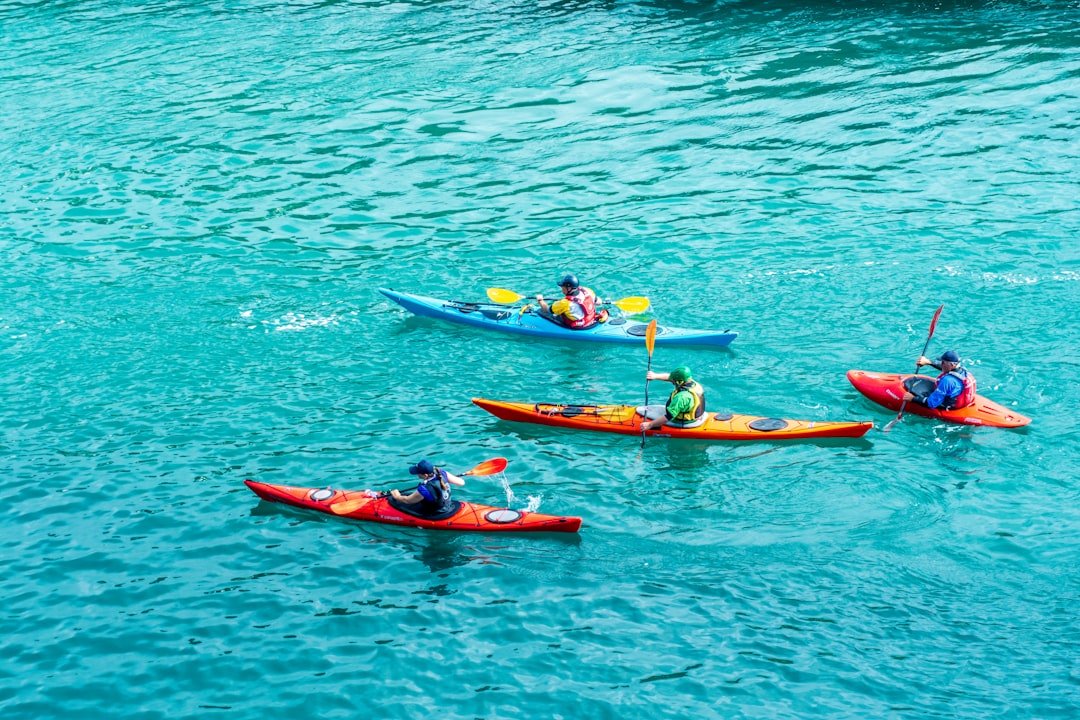
Kayaking in Gulf Shores can range from an easy paddle on protected inland water to a more demanding coastal outing affected by wind, tides, thunderstorms, boat traffic, and heat. Good preparation starts with choosing a route that matches your skill level, checking current conditions, wearing the right safety gear, and knowing exactly where you will launch and return.
Quick Answer
Kayaking in Gulf Shores is beginner-friendly when you choose protected water, check wind, storms, and tides, and wear a properly fitted life jacket. Start with Lake Shelby or Little Lagoon at Bon Secour National Wildlife Refuge, carry water and a whistle, tell someone your route, and avoid exposed Gulf water when conditions are rough.
Key Takeaways
- Check the weather, wind, marine forecast, and relevant tide information before launching, then reassess conditions at the water.
- For beginners, a stable recreational or sit-on-top kayak is usually easier to manage than a narrow touring kayak.
- Good Gulf Shores-area options include Lake Shelby, Little Lagoon from the Jeff Friend Trail kayak launch, and the Bon Secour River when access and conditions suit your experience.
- Wear a properly fitted life jacket, carry a sound-signaling device such as a whistle, bring water, and tell someone where you are going and when you expect to return.
- Wildlife sightings can include birds, turtles, and sometimes dolphins in suitable coastal waters, but sightings are never guaranteed and animals should be observed from a respectful distance.
At a Glance
| Time Required | About 1–3 hours for a relaxed beginner outing; longer trips require more planning, water, and weather margin. |
| Difficulty | Easy to moderate on protected water, but wind, thunderstorms, current, heat, surf, and boat traffic can increase difficulty quickly. |
| Tools Needed | Suitable kayak, paddle, properly fitted life jacket, whistle or other sound signal, water, sun protection, dry bag, phone/navigation method, and basic first-aid supplies. |
| Cost | Varies depending on whether you bring your own kayak, rent equipment, or book a guided trip. Confirm current rental, parking, and launch charges before visiting. |
Prepare Before Your Gulf Shores Kayaking Trip
Before heading to the water, learn what kind of environment you will be paddling. Gulf Shores includes Gulf-facing beaches, lagoons, rivers, refuge waters, and freshwater or brackish lakes. Conditions that feel easy in one location may be unsuitable somewhere more exposed.
Check the National Weather Service Mobile marine forecast for current coastal conditions, advisories, and warnings. For areas affected by tides, review NOAA tide predictions for the Gulf Shores area as part of your planning.
Warning: Do not launch simply because the water looked calm earlier in the day. Thunderstorms, lightning, wind, surf, and changing marine conditions can develop quickly on the Alabama coast. If conditions exceed your experience level, postpone the trip or choose a more protected location.
Physical preparation also helps, particularly if you are new to paddling. Light stretching, core exercises, and practice with basic forward strokes, turning, stopping, and re-entering your kayak can improve comfort and control. Practice recovery skills in controlled water with appropriate supervision rather than waiting for an emergency to learn them.
Before leaving shore, tell a reliable person where you plan to launch, your intended route, who is with you, and when you expect to return. This simple float plan gives someone useful information if you are overdue.
Choosing the Right Kayak: A Guide for Beginners
Selecting the right kayak depends on the water, your experience, your body size, and the distance you plan to paddle. For many beginners, a recreational kayak with a relatively wide hull offers a useful balance of stability and maneuverability.
A sit-on-top kayak can work well for warm-weather recreational paddling because it is easy to enter and exit and can be simpler to recover after a capsize. That makes it a practical choice for many short trips on protected water.
Longer touring kayaks track more efficiently and can cover distance well, but their handling, re-entry, storage, and safety requirements deserve more practice. A touring kayak should not be treated as permission to paddle rough or exposed water beyond your training.
Pro Tip: If you are renting, tell the outfitter where you plan to paddle, your experience level, and how long you expect to be out. A suitable kayak and properly fitted life jacket matter more than choosing the fastest-looking boat.
Best Kayaking Routes in Gulf Shores

Gulf Shores offers several different paddling environments. Instead of choosing a route only because it looks scenic, compare access, exposure, distance, weather, and your ability to return safely if the wind changes.
| Area | Best For | Important Consideration |
| Lake Shelby | Beginners and relaxed recreational paddling | Check park conditions, weather, and wildlife awareness before launching. |
| Little Lagoon via Jeff Friend Trail | Nature watching and protected-water paddling when conditions cooperate | Wind can still create difficult conditions on open lagoon water. |
| Bon Secour River | Scenic river paddling | Confirm legal access, your turnaround point, current conditions, and boat traffic before starting. |
| Gator Lake | Paddlers comfortable carrying equipment to the water | USFWS says access requires portaging a canoe or kayak down a trail. |
Lake Shelby at Gulf State Park
Gulf State Park identifies Lake Shelby as a paddling destination. Kayaks, canoes, and paddleboards are available through the park’s recreation services, and visitors may also bring their own equipment and launch from the shore.
Lake Shelby can be a practical starting point for newer paddlers because it avoids direct exposure to Gulf surf. It is still natural water, however, so weather, heat, wildlife, and changing wind remain important considerations.
Little Lagoon at Bon Secour National Wildlife Refuge
The U.S. Fish and Wildlife Service states that canoes and kayaks may be launched from the Jeff Friend Trail kayak launch site into Little Lagoon, with parking provided at the Jeff Friend Trail parking area.
This setting can provide excellent opportunities for quiet paddling and birdwatching. The water may be relatively protected compared with paddling directly in the Gulf, but a lagoon can still become uncomfortable or unsafe when wind increases. Plan an out-and-back distance that leaves enough energy for the return leg.
Bon Secour River
The Bon Secour River is another recognized local paddling destination. Its surrounding wetlands and coastal environment make it attractive for nature-focused outings. Before launching, confirm where you are legally entering and exiting the water, identify your turnaround point, and account for current weather and boat traffic.
Do not assume that a gentle-looking river will remain easy throughout the trip. Wind, current, boat wakes, heat, and distance can turn a casual paddle into a tiring return.
Gator Lake
Bon Secour National Wildlife Refuge also permits non-motorized boating on Gator Lake, but access is less convenient. USFWS advises that canoes and kayaks must be portaged down either the Chan West Pine Beach Trail or Gator Lake Trail before launching. That makes it a better fit for paddlers prepared to carry their equipment rather than someone looking for the simplest first outing.
Safety Tips for Kayaking in Gulf Shores
| Safety Tips for Kayaking in Gulf Shores |
|---|
| 1. Wear a properly fitted life jacket throughout your paddle. |
| 2. Check the weather, wind, marine forecast, and applicable tide information before launching. |
| 3. Carry enough drinking water for the trip and extra time on the water. |
| 4. Beginners should avoid paddling alone in unfamiliar water. |
| 5. Know your launch, route, turnaround point, exit, and possible hazards. |
| 6. Carry a whistle or other suitable sound-signaling device where you can reach it quickly. |
| 7. Give wildlife plenty of space and never approach, feed, chase, or block an animal. |
A personal flotation device is one of the most important pieces of kayaking equipment. Strong swimming ability does not protect you from injury, cold shock, disorientation, wind, current, or being separated from your kayak after an unexpected capsize. Alabama paddlesports safety guidance also emphasizes wearing an appropriate life jacket and matching your equipment to the type of paddling you plan to do.
Carry a whistle where it remains accessible even if you are in the water. The U.S. Coast Guard explains that vessels under 39.4 feet must have a means of making an efficient sound signal, such as a whistle or horn.
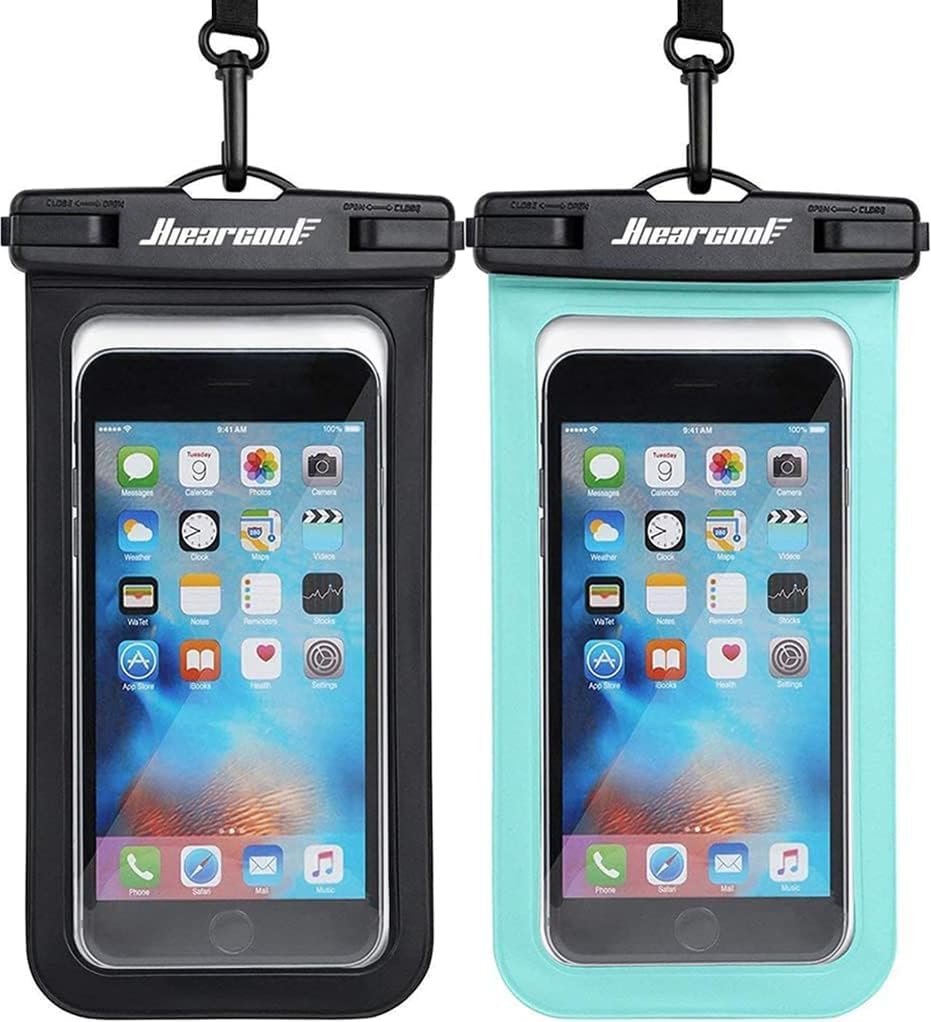
Before departure, share your float plan with someone on shore. Include your launch point, route, expected return time, number of paddlers, and what to do if you are overdue. Carry your phone in a waterproof case or dry bag, but do not depend on a phone as your only navigation or emergency plan.
Stay alert for motorboats and wakes, particularly near channels and busier waterways. Make yourself visible, avoid lingering in navigation routes, and never assume a boat operator can see a low-profile kayak.
Note: If you hear thunder, see lightning, notice rapidly darkening skies, or find that wind and waves are building beyond your comfort level, the safest decision may be to get off the water rather than continue toward your original destination.
Wildlife Spotting While Kayaking
Wildlife viewing is one of the best reasons to paddle Gulf Shores-area waterways. Bon Secour National Wildlife Refuge protects important coastal habitat, including habitat used by migratory birds, so quiet paddlers may have opportunities to see herons, egrets, pelicans, ospreys, shorebirds, turtles, and other wildlife.
Dolphins may sometimes be seen in suitable coastal or connected waters, but no paddler should expect or pursue a close encounter. If dolphins appear, maintain your course and observe without trying to follow, touch, feed, or surround them.
Manatees are occasional visitors to the northern Gulf Coast rather than a routine Gulf Shores kayaking sighting. If you do encounter one, give it space and allow the animal to choose its own direction of travel.
Inland waters in coastal Alabama can also support American alligators. Watch from a distance, never feed one, avoid approaching animals near the shoreline, and keep hands and feet inside or on your kayak when an animal is nearby. Wildlife should always be treated as wild, even when it appears calm.
The best wildlife encounter is one that does not change the animal’s behavior. Slow down, give it space, and let the wildlife decide whether the encounter continues.
Packing Essentials for a Gulf Shores Kayaking Trip

Start with the basics: a kayak appropriate for the water, a correctly sized paddle, and a properly fitted life jacket. Inspect rental or personal equipment before launching and make sure footrests, seats, hatches, drain plugs, and other relevant fittings are ready for use.
Use a dry bag or waterproof container for items that must stay dry. A practical packing list includes:
- Drinking water and snacks
- Broad-spectrum sunscreen and other sun protection
- Hat and sunglasses with a retainer
- Whistle or other appropriate sound signal
- Basic first-aid supplies
- Waterproof phone case or dry bag
- Navigation information for unfamiliar waterways
- Identification and any required permits or licenses for activities you plan to combine with paddling
- Extra clothing appropriate for the weather and water conditions
- Insect repellent when paddling near marshes or refuge habitat
Hydration deserves special attention in Gulf Coast heat. Bring more water than you expect to drink and turn around before fatigue becomes a problem. Sun, reflected light, humidity, and paddling effort can make a short outing more demanding than expected.
Guided Kayak Tour vs. Self-Guided Paddling
When planning your kayaking adventure in Gulf Shores, decide whether a guided outing or independent rental better matches your experience. Guided trips can be useful for beginners because a local guide can explain equipment, paddling technique, route considerations, wildlife etiquette, and location-specific hazards.
Guided tours may also include necessary equipment and safety gear, which can simplify planning if you do not own a kayak. Before booking, confirm what the operator supplies, minimum ages or experience requirements, cancellation policies, and what happens if weather forces a change.
Self-guided paddling offers more flexibility. You can move at your own pace, stop at scenic areas, and adjust a route to your interests. That flexibility also means you are responsible for navigation, weather decisions, equipment, hydration, wildlife awareness, and knowing when to turn back.
The official Gulf Shores and Orange Beach tourism site lists local kayak-rental and tour options and notes that many rental businesses have reduced hours or close during the winter season, typically from November through February. Check directly with the operator for current availability before making plans.
Making the Most of Your Gulf Shores Kayaking Experience
The best kayaking day is not necessarily the day with the longest route. Pick a distance that gives you time to slow down, watch wildlife, take photographs safely, and return with energy to spare. An early start can also help you avoid some midday heat, although current weather conditions should always guide the final decision.
Local paddling events, guided nature programs, and skills sessions can sometimes provide opportunities to meet other paddlers and learn more about coastal ecosystems. Check current organizers and official park or refuge calendars rather than assuming a particular event will run every year.
After your paddle, Gulf Shores offers restaurants, parks, beaches, and other outdoor activities that can turn a short kayaking trip into a full day. If you would rather bring your own post-paddle snack, you can also try this homemade cottage cheese recipe. Whatever you add to the day, leave enough recovery time after paddling and keep wet gear, sun exposure, and hydration in mind.
Frequently Asked Questions
What is kayaking?
Kayaking is a paddlesport in which a person uses a double-bladed paddle to propel and steer a narrow watercraft called a kayak. Recreational, touring, fishing, and other kayak designs are built for different types of water and use.
Is kayaking in Gulf Shores a popular activity?
Yes. Gulf Shores and the surrounding Alabama beach area have multiple paddling environments and local rental or tour businesses. Options range from Lake Shelby and Little Lagoon to rivers and other coastal waterways.
Where can beginners kayak in Gulf Shores?
Lake Shelby at Gulf State Park is one practical option when weather conditions are suitable. Little Lagoon can also offer protected-water paddling, and Bon Secour National Wildlife Refuge provides an official kayak launch at the Jeff Friend Trail site. Beginners should still avoid launching when wind, thunderstorms, or other conditions exceed their experience.
Are there kayak rental options in Gulf Shores?
Yes. Local operators offer kayak rentals and guided outings in the Gulf Shores and Orange Beach area. Availability changes by operator and season, so check current hours, age requirements, equipment included, and weather policies before visiting.
What safety precautions should I take when kayaking in Gulf Shores?
Wear a properly fitted life jacket, check weather and water conditions, carry water and a whistle, protect your phone and emergency supplies from water, share a float plan, stay alert for boats, keep a respectful distance from wildlife, and turn back if conditions begin exceeding your ability.
Can beginners participate in kayaking in Gulf Shores?
Yes. Beginners can choose a stable recreational kayak, protected water, and a short route in suitable weather. A lesson or guided outing is a good choice if you are unfamiliar with paddling, re-entry techniques, local weather, or navigation.
Do I need to check tides before kayaking?
Check tide information when your chosen route is influenced by tidal water, but do not look at tides alone. Wind, thunderstorms, waves, currents, boat traffic, and local advisories can be equally important. Use NOAA tide predictions together with the current National Weather Service marine forecast.
What wildlife might I see while kayaking?
Depending on the location and season, paddlers may see herons, egrets, pelicans, ospreys, shorebirds, turtles, fish, and other coastal wildlife. Dolphins are possible in suitable coastal waters, while manatees are occasional visitors rather than an expected sighting. Inland waters may also contain alligators, so give all wildlife ample space.
Sources
- Alabama State Parks: Gulf State Park Outdoor Adventures — Lake Shelby kayaking, rentals, and personal kayak launching.
- U.S. Fish and Wildlife Service: Bon Secour Non-Motorized Boating — Jeff Friend Trail kayak launch, Little Lagoon, and Gator Lake access.
- National Weather Service Mobile: Coastal Marine Forecasts — marine forecasts, warnings, and coastal conditions.
- NOAA Tides & Currents: Gulf Shores Tide Predictions — official tide-prediction information.
- U.S. Coast Guard Boating Safety FAQ — recreational-vessel sound-signaling guidance.
- Gulf Shores & Orange Beach Tourism: Kayaking — local kayaking, rentals, tours, and seasonal availability information.