Ballenberg, Swiss Open-Air Museum near Brienz brings Switzerland’s rural history together across 66 hectares of countryside. More than 100 historic houses and farm buildings from different parts of the country have been carefully reconstructed here, surrounded by gardens, fields, workshops and farm animals. The museum opened in 1978 and today combines historic architecture with working craft demonstrations, hands-on activities and changing exhibitions. Because the grounds are extensive, a little planning makes a big difference to your visit.
Quick Answer
Ballenberg is best treated as a full-day open-air museum visit. In 2026 it is open daily from April 9 to November 1, 10:00 a.m. to 5:00 p.m. Expect historic Swiss buildings, traditional craft demonstrations, farm animals, gardens, family activities, restaurants and plenty of outdoor walking.
Key Takeaways
- Ballenberg covers 66 hectares and contains more than 100 historic rural houses and farm buildings from across Switzerland.
- The 2026 season runs from April 9 through November 1, with museum buildings open daily from 10:00 a.m. to 5:00 p.m.
- Regular 2026 admission is CHF 32 for adults and CHF 16 for children from their sixth to 16th birthday, with several reduced-price options.
- Public-transport visitors normally travel by train to Brienz or the Brünig Pass and continue by bus to the museum’s West or East entrance.
- Check the daily schedule before arriving because craft demonstrations and hands-on activities change from day to day.
Plan Your Ballenberg Museum Visit in 2026
The Swiss Open-Air Museum Ballenberg first opened in 1978 with 16 museum buildings or objects. Its foundation had been established a decade earlier, in 1968. Today the site contains more than 100 historic houses and other rural buildings transported from different parts of Switzerland and reconstructed on the museum grounds. You can read more about this development on Ballenberg’s official museum history page.
The scale of the museum is one of its defining features. Its 66 hectares include farmhouses, workers’ homes, alpine buildings, barns, storehouses, workshops and other structures, together with historically inspired gardens, fields, meadows and pastures. The museum also hosts more than 200 farm animals during the season.
| 2026 season | April 9 to November 1, 2026 |
| Museum hours | 10:00 a.m. to 5:00 p.m. daily |
| Adult admission | CHF 32 |
| Child admission | CHF 16 from the sixth to 16th birthday |
| Family ticket | CHF 72 for parents with their children or grandparents with their grandchildren from the sixth to 16th birthday |
| Student / apprentice / AHV / IV | CHF 29 |
These prices are from Ballenberg’s official 2026 ticket information. The museum currently offers a 10% saving when eligible tickets are purchased through its online shop. Swiss Museum Pass holders and qualifying Swiss Travel Pass and Raiffeisen MemberPlus users may also receive free admission under the museum’s published conditions.
Pro Tip: Arrive near opening time if you want to cover both sides of the museum. The ticket offices open before the historic buildings, and an early start gives you more time for demonstrations, animals, exhibits and meal breaks.
How to Get to Ballenberg Museum
Ballenberg is near Brienz in the Bernese Oberland, but the museum is not reached by a direct 20-minute bus from Interlaken Ost. According to the museum’s official access information, rail travelers can take the Zentralbahn from Interlaken or Lucerne to Brienz or the Brünig Pass and then continue by public bus to the museum.
The museum has two main entrances:
- West Entrance, Hofstetten: Museumsstrasse 100, 3858 Hofstetten
- East Entrance, Brienzwiler: Museumsstrasse 431, 3856 Brienzwiler
Public buses connect Brienz and Brünig railway stations with the West and East entrances. Check the current SBB timetable for the exact connection on your travel date, especially if you need to coordinate your return trip late in the afternoon.
If you are driving, follow signs for Ballenberg West or Ballenberg East from Brienz, Meiringen or the Brünig Pass. Parking is available at both entrances. In 2026 the first hour is free, each additional hour costs CHF 1, and the normal daily rate is CHF 5. The West entrance also has electric-vehicle charging stations.
You can also combine the journey with Lake Brienz. During the summer, BLS boats operate between Interlaken Ost and Brienz, after which you can continue to Ballenberg by public transport.
Cycling can also form part of a visit if it suits your wider itinerary, but check a current local route planner before setting out. Roads, gradients and traffic conditions matter more here than the straight-line distance shown on a map.
Note: If someone in your group has reduced mobility, consider starting at the West Entrance. Ballenberg says the western part of the museum generally has fewer slopes and more wheelchair-accessible buildings.
What to See at Ballenberg Museum
The main attraction is the collection of historic buildings. Rather than displaying only architectural models or photographs, Ballenberg preserves full-size houses, farms and working buildings from different Swiss regions. Interiors, kitchens, parlours, bedrooms, barns and workshops help show how homes and working environments changed from one region and period to another.
The buildings are only part of the experience. Gardens, fields, meadows and pastures surround many of the structures, helping visitors understand how architecture was connected with agriculture and everyday rural work. More than 200 farm animals representing traditional domestic breeds also live on the grounds during the museum season.
The museum’s geographic organization makes it possible to compare building traditions from different parts of Switzerland rather than seeing every structure as an isolated exhibit. This is particularly useful if you are interested in regional construction methods, household design or agricultural history.
Ballenberg covers 66 hectares and brings together more than 100 historic rural houses and farm buildings from across Switzerland.
What’s New and Notable in 2026
Ballenberg’s 2026 annual theme is “Ballenberg – wildly diverse”, with a stronger focus on biodiversity in the museum’s cultural landscape. A 13-station discovery trail examines topics such as deadwood habitats, earthworms, stone walls, bats, hedges, rare breeds, vineyards and ponds. The project links traditional land use and buildings with the plants and animals that share those environments.
The museum is also reconstructing a historic schoolhouse from Unterheid near Meiringen. The building dates from 1830 and was dismantled for reconstruction at Ballenberg. Work continued during 2026, giving repeat visitors another example of how historic structures are documented, conserved and rebuilt.
Activities and Workshops at Ballenberg Museum
One of Ballenberg’s strongest features is that many traditional crafts are demonstrated rather than simply described on signs. The program varies by day, so an old fixed-date workshop list can quickly become misleading. Use the museum’s daily schedule to see what is actually operating on your visit date.
| Activity | Format | What You May See or Do |
| Bread baking | Craft demonstration | Traditional bread production using a historic wood-fired oven |
| Cheese making | Craft demonstration | Follow traditional cheese-making processes in the museum dairy |
| Forging | Craft demonstration | Watch blacksmiths work in the historic smithy |
| Weaving, spinning and pottery | Craft demonstrations | See traditional textile and pottery techniques in working settings |
| Butter making and other hands-on stations | Interactive activity | Try selected traditional tasks yourself when offered |
| Ballenberg Courses | Structured course or workshop | Longer craft learning experiences that are separate from the normal daily museum program |
Basket-making, forging, braiding, spinning, weaving, carving and other crafts form part of Ballenberg’s broader craft program. Some demonstrations allow visitors to observe specialists at close range, while selected stations encourage adults and children to try a task themselves.
Pro Tip: Photograph or save the day’s program when you arrive. Demonstrations can take place in different parts of the 66-hectare grounds, and planning around two or three must-see activities can save unnecessary backtracking.
Daily Activities vs. Ballenberg Courses
Do not confuse the demonstrations included in a normal museum visit with the separate Ballenberg Courses program. The museum says Ballenberg Courses offers more than 120 courses and workshops annually, teaching traditional craft techniques to different experience levels. Those structured courses have their own program and may require separate registration.
The daily museum program is more flexible. On a typical day you may find bread baking, cheese making, forging, weaving, spinning, pottery, sawing, cooking or hands-on family stations, but the exact selection and timing can change.
Dining and Shopping at Ballenberg Museum
Ballenberg has several places to stop for food and drinks, so you do not need to leave the museum grounds for lunch. The two main restaurants open daily during the 2026 season are Alter Bären near the West Entrance and Degen farther inside the museum. Alter Bären is scheduled from 9:00 a.m. to 6:00 p.m., while Degen is scheduled from 9:00 a.m. to 5:30 p.m.
Osteria Novazzano adds a different regional flavor. Located in Ballenberg’s large Novazzano farmstead, it serves Ticino-style dishes such as polenta, risotto and luganighe. For the 2026 season it is scheduled to operate Wednesday through Sunday from May 13. The circus-trailer snack bar provides lighter food and drinks when operating, while Wilerhorn is primarily open for groups and events by reservation.
If you prefer to bring your own food, Ballenberg provides picnic tables and benches throughout the grounds. Designated fireplace areas also have firewood and running water. Open-fire use is subject to current fire-hazard and wind restrictions, so follow museum signage on the day of your visit.
Shopping is another part of the experience. The Homemade Shop sells Ballenberg products such as bread baked in a wood-fired oven, sausage, cheese and items made in museum workshops. Shops at the East and West entrances also sell local and traditional products, and the museum has a specialist pharmacists’ shop.
Tips for Visiting Ballenberg Museum
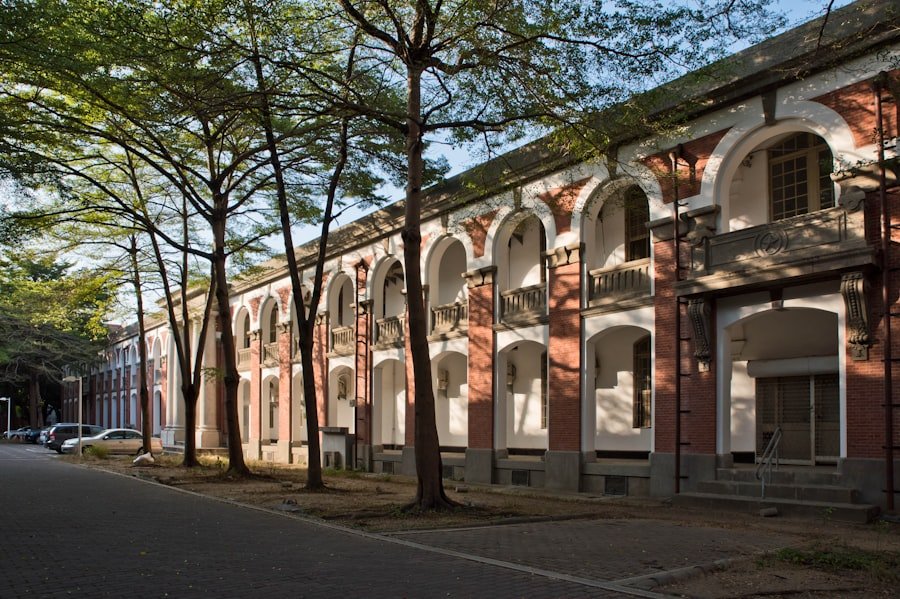
Allowing most of a day is the easiest way to enjoy Ballenberg without rushing. There are more than 100 buildings spread across 66 hectares, and trying to inspect every house while also catching demonstrations, eating lunch and visiting the animals can take longer than expected.
Check the museum map and daily activity schedule before deciding on your route. If a particular demonstration is important to you, plan around its time and location first, then explore nearby buildings between scheduled activities.
Comfortable, sturdy footwear is strongly recommended. Ballenberg is an outdoor museum with dirt roads, slopes and historic buildings that were not designed to modern accessibility standards. Dress for the day’s weather and carry a light rain layer when conditions are changeable.
Use the Ballenberg Train When Needed
The Ballenberg Train connects the East and West sides of the grounds and stops at several points in between. Regular rides are included in the day ticket. Seats cannot be reserved and capacity is limited, but the service can reduce the amount of walking, especially for older visitors and people with limited mobility.
Accessibility
Ballenberg is only partially wheelchair accessible. The museum says the western area generally has fewer slopes and more accessible buildings. A specially designed accessible route is available from the West Entrance.
Two all-terrain electric wheelchairs can be reserved at the West Entrance for CHF 25 per day. Wheelchair-accessible toilets are available at several locations, and the Ballenberg Train can also help reduce walking distances.
Families, Dogs, Lockers and Practical Rules
Families can combine the historic buildings with more than 200 farm animals, playgrounds and hands-on activities. Baby-changing facilities are available at several toilet locations.
Dogs are allowed on the museum grounds free of charge when kept on a short lead, although they are not permitted inside buildings where food is handled. Lockers are available at the East and West ticket desks for a small deposit, and staff can store larger luggage securely.
Drones are prohibited over the entire museum site.
Warning: Ballenberg contains historic buildings, uneven outdoor paths, ponds and working areas that do not always meet modern building standards. Do not enter restricted areas, swim in ponds, consume plants from the grounds or ignore staff and safety signs.
Events and Festivals at Ballenberg Museum
Ballenberg holds seasonal events that highlight crafts, food, regional traditions and rural culture. Event calendars change from year to year, so old listings should not be treated as current.
As of the published 2026 program, confirmed late-season highlights include:
- September 12–13, 2026: Autumn Market and Cantonal Festival
- September 13, 2026: European Heritage Days
- September 20, 2026: Fairytale Sunday
- October 3–4, 2026: Castagnata
- October 10–11, 2026: From Flax to Linen
- October 18, 2026: Fairytale Sunday
- November 1, 2026: End-of-season program
The Autumn Market is particularly relevant for visitors interested in handicrafts and regional products, while the From Flax to Linen event focuses on traditional textile production. The museum’s final day on November 1 marks the transition into its winter break.
Note: The museum’s currently published 2026 calendar does not list a Christmas market. Ballenberg’s regular 2026 visitor season ends on November 1, so always use the current official events calendar instead of relying on an older seasonal listing.
Sustainability and Conservation at Ballenberg Museum
Ballenberg’s conservation work extends beyond moving old buildings onto museum grounds. Its stated mission is to conserve, research and communicate Switzerland’s rural and commercial history, including architecture, working life, traditional crafts and cultural landscapes.
Historic buildings are carefully dismantled, documented and reconstructed when preservation at their original locations is no longer possible. The ongoing reconstruction of the 1830 schoolhouse from Unterheid shows this process in practice. Traditional materials and techniques are being used where appropriate, including lime-based mortar and historic timber-working methods.
The surrounding landscape is also part of the museum collection. Gardens, fields, pastures, meadows and other habitats illustrate older land-use practices while supporting biodiversity.
This connection is particularly visible in 2026 through the “Ballenberg – wildly diverse” annual theme. A 13-station biodiversity trail explores habitats such as deadwood, soil, stone piles, hedges, vineyards, ponds and historic buildings. The museum says its landscape management combines extensive cultivation, regenerative approaches and measures designed to encourage biodiversity.
In this way, Ballenberg is not simply a collection of old houses. It uses architecture, crafts, animals and landscape together to show how people lived and worked in rural Switzerland and how that heritage can be studied and conserved today.
Related reading: If your wider travel interests include discovering unfamiliar foods and produce, you can also read Exploring the Delightful World of Asian Melon. It is a separate food topic rather than Ballenberg visitor information.
Frequently Asked Questions
What is Ballenberg Museum?
Ballenberg, Swiss Open-Air Museum is a 66-hectare museum near Brienz that preserves and presents Switzerland’s rural and commercial cultural heritage. It contains more than 100 historic houses and farm buildings from different parts of Switzerland, together with gardens, workshops and farm animals.
What can I see at Ballenberg Museum?
You can explore historic Swiss houses, farm buildings, workshops, gardens and agricultural landscapes. Depending on the daily program, you may also see traditional activities such as bread baking, cheese making, forging, weaving, spinning or pottery, along with more than 200 farm animals during the season.
How do I get to Ballenberg Museum?
From Interlaken or Lucerne, take the Zentralbahn toward Brienz or the Brünig Pass, then use the public bus serving Ballenberg’s West and East entrances. Drivers can use the West Entrance at Hofstetten or East Entrance at Brienzwiler.
What are Ballenberg Museum’s opening hours in 2026?
The 2026 museum season runs from April 9 through November 1. The historic museum buildings are open daily from 10:00 a.m. to 5:00 p.m. Ticket offices open from 9:00 a.m.
How much does Ballenberg Museum cost in 2026?
Regular 2026 admission is CHF 32 for adults and CHF 16 for children from their sixth to 16th birthday. The family ticket is CHF 72, while students, apprentices and AHV/IV visitors pay CHF 29. Additional discounts and pass benefits may apply.
Are guided tours available at Ballenberg Museum?
Yes. Ballenberg offers general and themed guided tours, including options for groups. Tour length, group limits and prices vary, so groups should review current tour information and reserve in advance when possible.
How long should I spend at Ballenberg?
A full day is a good choice for first-time visitors because the museum covers 66 hectares. If you have less time, select one part of the museum and a few priority demonstrations instead of trying to see every building.
Is Ballenberg wheelchair accessible?
Ballenberg is partially accessible rather than completely step-free. The western area generally has fewer slopes and more accessible buildings. Accessible toilets, the Ballenberg Train and reservable all-terrain electric wheelchairs can make a visit easier.
Can I bring a dog to Ballenberg?
Yes. Dogs are permitted on the museum grounds free of charge when kept on a short lead. They are not allowed inside buildings where food is handled.
Sources
- Ballenberg, Swiss Open-Air Museum: Museum Overview — museum size, historic buildings, cultural landscape and farm animals.
- Ballenberg: History of the Museum — foundation history, 1978 opening and development of the collection.
- Ballenberg: Opening Hours — official 2026 season dates, museum hours, restaurants and course information.
- Ballenberg: Tickets and Prices — 2026 admission prices, discounts, payment information and online-ticket savings.
- Ballenberg: Access — train, bus, driving, parking, boat connections and entrance addresses.
- Ballenberg: Visitor FAQs — accessibility, dogs, lockers, family facilities, drones and other practical visitor rules.