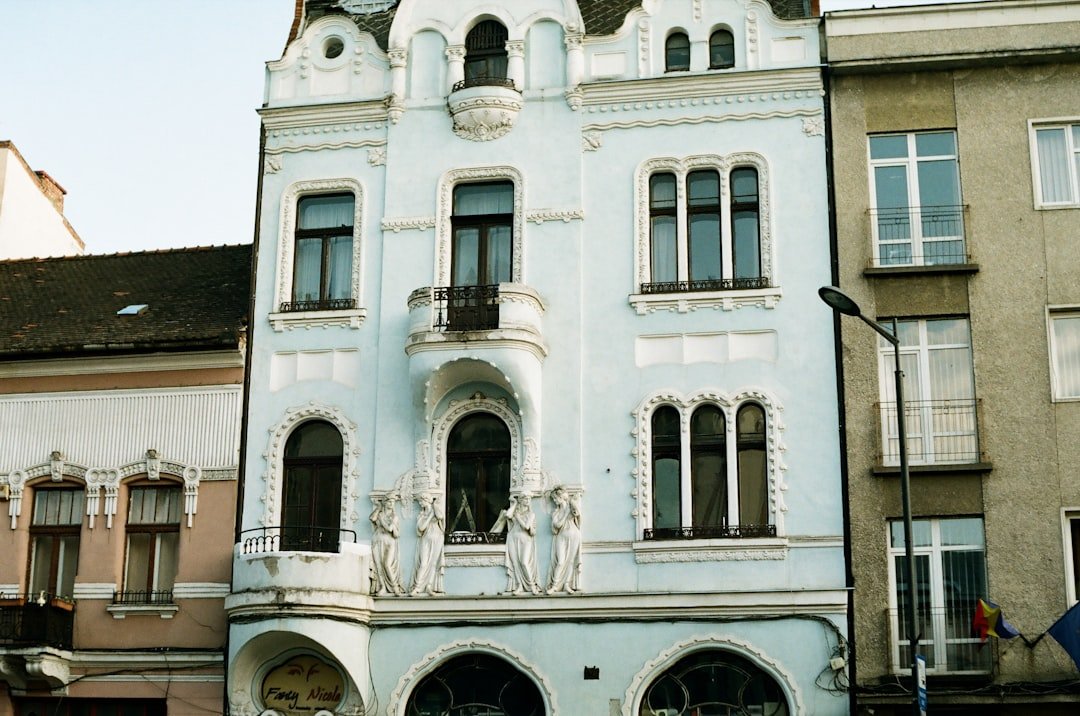
Ballenberg is very different from a conventional indoor museum, which is exactly what makes it such an interesting place to photograph. The Swiss Open-Air Museum spreads historic buildings, workshops, farm animals, gardens, and cultural landscapes across a large outdoor site, so successful photography depends on route planning, changing daylight, low-light interiors, and knowing when demonstrations are taking place.
Quick Answer
For the best Ballenberg photos, plan around the museum map and daily craft schedule, carry a light camera with a versatile lens, protect bright outdoor highlights, raise ISO rather than forcing slow shutter speeds indoors, and ask before making close portraits. Follow posted rules and staff instructions, and leave drones at home.
Key Takeaways
- Ballenberg is an open-air museum, so expect bright outdoor scenes, dark historic interiors, changing weather, and substantial walking.
- Use the official museum map and daily program to plan around the buildings, crafts, animals, and demonstrations you most want to photograph.
- A light zoom lens is the most practical choice; a fast prime is useful for dim interiors and craft demonstrations.
- Photograph a mix of wide establishing views, medium environmental images, and close details to tell a stronger story.
- Drones are prohibited across the museum site, and all visitors should follow current signs, staff instructions, and any special-event restrictions.
At a Glance
| Time Required | Half day to full day for a focused photography visit |
| Difficulty | Moderate because of walking, changing light, and dim interiors |
| Tools Needed | Camera or smartphone, versatile lens, spare battery, memory card, lens cloth, and weather protection |
| Cost | Regular museum admission; check the official ticket page for current prices |
Understand Ballenberg’s Unique Photography Setting
Ballenberg is Switzerland’s only open-air museum. Its historic buildings are spread across 66 hectares, and the collection includes more than 100 rural houses and farm buildings relocated from different parts of Switzerland. Buildings are arranged in regional groups, giving photographers a chance to capture clear differences in architecture, materials, roof shapes, farm layouts, and landscape traditions. See the museum’s official architecture and buildings guide for more background.
This setting creates much richer photographic possibilities than a simple sequence of indoor display cases. One moment you may be photographing a timber farmhouse against trees and mountains; a few minutes later you may be inside a dark kitchen, watching a craft demonstration, studying tools, photographing an animal in its enclosure, or framing a path through a historic agricultural landscape.
The strongest Ballenberg photo sets show relationships: a building in its landscape, an artisan with the tools of a trade, an animal within a farm setting, and details that reveal how people once lived and worked.
Plan Your Photography Route Before You Start
Ballenberg is too extensive to approach efficiently by wandering at random with a heavy camera bag. The official Ballenberg museum map identifies individual buildings, while the digital museum guide provides route ideas and information about exhibits and activities.
Before your visit, choose two or three priorities. These might be architecture, traditional crafts, animals, gardens, interior details, or environmental landscapes. Build the rest of your route around those priorities rather than trying to photograph everything equally.
For the 2026 season, Ballenberg is open from April 9 through November 1, from 10:00 a.m. to 5:00 p.m. daily. The ticket offices open earlier, but the historic buildings become accessible from 10:00 a.m. Check the official opening-hours page before traveling because dates and hours can change between seasons.
Pro Tip: Check Ballenberg’s daily schedule before choosing your route. Craft demonstrations change, so a few minutes of planning can prevent you from reaching a workshop after the activity has finished.
Know the Photography Rules Before Taking Pictures
Ballenberg’s current museum regulations require visitors to treat historic buildings, furnishings, animals, plants, and the landscape carefully. Visitors must follow posted restrictions and instructions from museum staff. Special events and workshops can also have separate rules. Review the latest museum regulations before visiting.
Warning: Drones are prohibited from flying on or over the entire Swiss Open-Air Museum site. The museum regulations provide a process for requesting exceptions for commercial recordings, but ordinary visitors should not plan to use a drone.
The published regulations reviewed for this guide do not state a blanket rule covering every form of handheld still photography, flash, or tripod use. That means you should not assume that every technique is permitted everywhere. Check signs at individual buildings or exhibits, listen to staff instructions, and ask before setting up equipment that could obstruct a path or disturb a demonstration.
When photographing craftspeople or visitors, there is an important difference between including people incidentally in a wide scene and making an identifiable close portrait. A quick request for permission is the respectful choice for close-up portraits, especially when photographing children or when someone is clearly the main subject.
Choosing the Right Equipment for Ballenberg Museum Photography
The best Ballenberg camera kit is usually the one you can carry comfortably for several hours. Because the site combines broad landscapes, architecture, close details, animals, workshops, and dark interiors, versatility matters more than carrying a large collection of lenses.
A Versatile Zoom Lens
A standard zoom covering roughly wide-angle to short-telephoto views is the easiest one-lens solution. It lets you photograph a complete farmhouse, zoom in on roof details, isolate an artisan’s hands, or frame an animal without changing lenses constantly.
A Fast Prime for Dark Interiors
A 35mm or 50mm-equivalent fast prime can be useful inside historic rooms and workshops. A lens around f/1.8 lets more light reach the sensor, helping you maintain a practical shutter speed without depending on flash.
If you use a crop-sensor camera, remember that a 50mm lens may feel fairly tight indoors. A shorter prime may be more comfortable when rooms are small.
Wide-Angle Lens for Architecture
A wider lens can help when you cannot move farther back from a building. Use it carefully, however. Tilting the camera sharply upward can make vertical walls appear to lean inward. Whenever possible, step back, keep the camera more level, and correct small perspective issues during editing.
Smartphones Are More Capable Than You May Think
A recent smartphone can work well at Ballenberg because it is light, fast to deploy, and generally handles high-contrast scenes automatically. Use the main camera for the best image quality, tap to expose for important highlights, and avoid excessive digital zoom.
Useful Accessories
- Spare battery: long visits and frequent screen use can drain power.
- Extra memory card: especially useful if shooting RAW or video.
- Microfiber cloth: rain, mist, fingerprints, and dust can quickly reduce contrast.
- Small rain cover: useful because much of the museum is outdoors.
- Polarizing filter: optional for controlling some reflections and enriching foliage or sky, but rotate it carefully with wide lenses.
- Compact stabilizer or monopod: potentially useful where permitted, without committing to a large tripod.
A full-size tripod can help with static low-light subjects, but it adds weight and may obstruct paths or interiors. Check current site instructions before setting one up.
Lighting Considerations for Outdoor and Indoor Exhibits
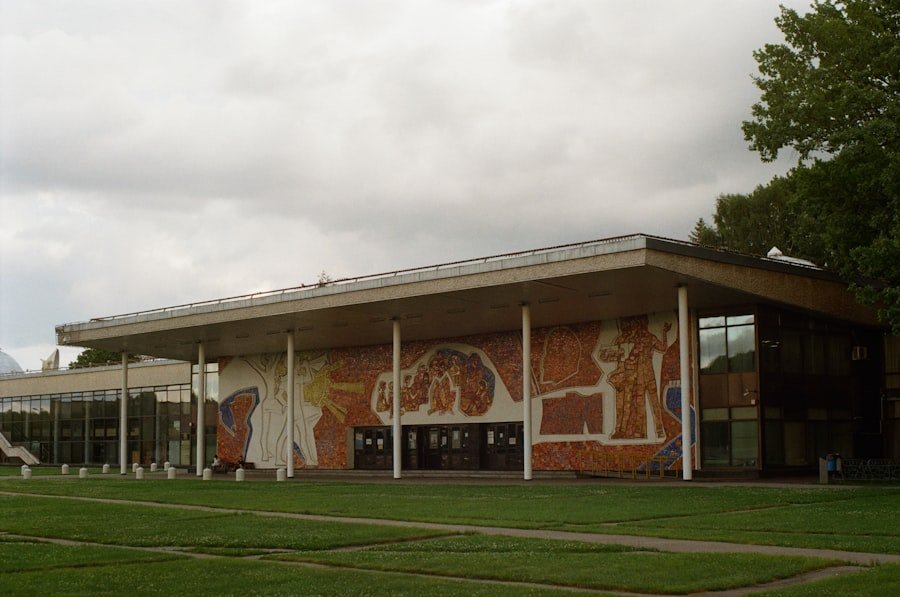
Lighting at Ballenberg can change dramatically within minutes because you move repeatedly between outdoor landscapes and historic interiors. Treat those as two different shooting environments rather than trying to use one camera setting all day.
Outdoor Buildings and Landscapes
Bright midday sun can create deep shadows beneath roof overhangs while leaving walls or skies extremely bright. Watch your histogram or highlight warning and protect the brightest important areas from clipping.
Because normal visitor access begins at 10:00 a.m., sunrise photography is not a practical general strategy inside the museum. Instead, make good use of the first part of the opening day, later-afternoon light, and cloudy conditions. Overcast weather can be excellent for photographing timber, stone, gardens, and architectural details because the softer light reduces harsh contrast.
Inside Historic Buildings
Historic rooms may be much darker than the landscape outside. Rather than automatically forcing a very slow shutter speed, raise ISO enough to keep the camera stable. Modern cameras generally produce better results from a sharp high-ISO frame than from a cleaner but blurred photograph.
As a starting point for handheld interiors, try aperture priority with a wide aperture, Auto ISO, and a minimum shutter speed appropriate for your lens and subject. If people are moving, use a faster shutter speed than you would for an empty room.
Bright Windows and Dark Rooms
A common Ballenberg challenge is a dim interior containing a bright window. The brightness difference may be greater than the camera can capture in one exposure.
You have three good options:
- Expose for the interior and allow an unimportant window to become bright.
- Expose for the window if the outside view matters more than interior shadows.
- Photograph a bracketed sequence for a static scene and blend exposures carefully later, if permitted and practical.
Note: Do not assume flash is allowed simply because a room is dark. Follow any posted restrictions and staff directions, and use available-light techniques whenever practical.
Camera Settings That Work Well at Ballenberg
There is no single perfect exposure setting, but these starting points cover many common situations:
| Subject | Practical Starting Point |
| Building exterior | ISO 100-400, f/5.6-f/8, shutter speed as needed |
| Dark static interior | Wide aperture, Auto ISO, stabilize camera carefully |
| Craftsperson working | About 1/250 sec or faster when hands are moving, aperture as wide as needed |
| Farm animal | About 1/500 sec or faster for active movement, continuous autofocus |
| Architectural detail | f/4-f/8 depending on required depth of field |
These numbers are starting points rather than strict rules. Light levels, focal length, stabilization, subject movement, and your camera’s high-ISO performance all affect the best settings.
Composition and Framing Techniques for Capturing Authenticity
| Technique | How to Use It at Ballenberg |
| Rule of Thirds | Place a farmhouse, artisan, animal, or landscape feature near an intersection rather than automatically centering every subject. |
| Leading Lines | Use paths, fences, roof lines, beams, and building edges to guide the viewer toward the main subject. |
| Depth of Field | Use greater depth for architecture and landscapes; use shallower depth to separate tools, hands, crafts, or portraits from busy backgrounds. |
| Frame within a Frame | Photograph through doorways, windows, gates, or structural openings to add depth and historical context. |
Composition is most effective when it supports the story rather than becoming a rule to follow mechanically. A centered facade can emphasize symmetry. An off-center building may better show its relationship to a garden, path, field, or neighboring structure.
Doorways and windows are especially useful at Ballenberg because they can connect two different spaces in the same photograph. For example, a dark interior framing a sunlit courtyard creates natural depth and a strong sense of place.
Use the Wide-Medium-Detail Sequence
For each important subject, try making three different photographs:
- Wide: show the entire building, workshop, landscape, or setting.
- Medium: show how a person, tool, animal, or feature relates to that setting.
- Detail: isolate texture, hands, joinery, carved decoration, fabric, food, tools, or materials.
This simple sequence creates a more complete visual story than collecting only wide views.
Photographing Historic Architecture and Details
Ballenberg’s building collection includes farmhouses, craft workers’ homes, barns, granaries, cellars, bakehouses, drying kilns, and other rural structures from different parts of Switzerland. The museum specifically highlights differences in construction materials, timber techniques, masonry, roof coverings, and regional architecture. The official architecture guide is useful if architecture is one of your main photography interests.
Do not photograph every building from eye level in the same way. Look for:
- roof shapes and coverings
- timber joints and beams
- stone and plaster textures
- doors, windows, shutters, and hinges
- tools and household details
- relationships between buildings and gardens
- fences, paths, fields, and farm structures
- interior light falling across historic surfaces
When photographing an entire building, keep vertical lines as straight as practical. If you need to tilt upward, leave extra space around the structure so perspective correction during editing does not crop important roof or wall details.
Respecting Cultural Artifacts, Buildings, and People
Many objects, interiors, tools, and buildings at Ballenberg have historical and cultural significance. Good photography should document those subjects without interfering with them.
The museum’s regulations specifically instruct visitors to treat historical buildings and furnishings carefully. Do not move objects, use historic surfaces as equipment supports, rearrange a room for a cleaner composition, or enter restricted areas to improve an angle.
For people, use the same respectful approach. A wide photograph of an active workshop may naturally include visitors or craftspeople. A close-up portrait is different. Ask permission when a person is clearly the intended subject rather than part of the general scene.
Tips for Capturing Traditional Crafts and Trades
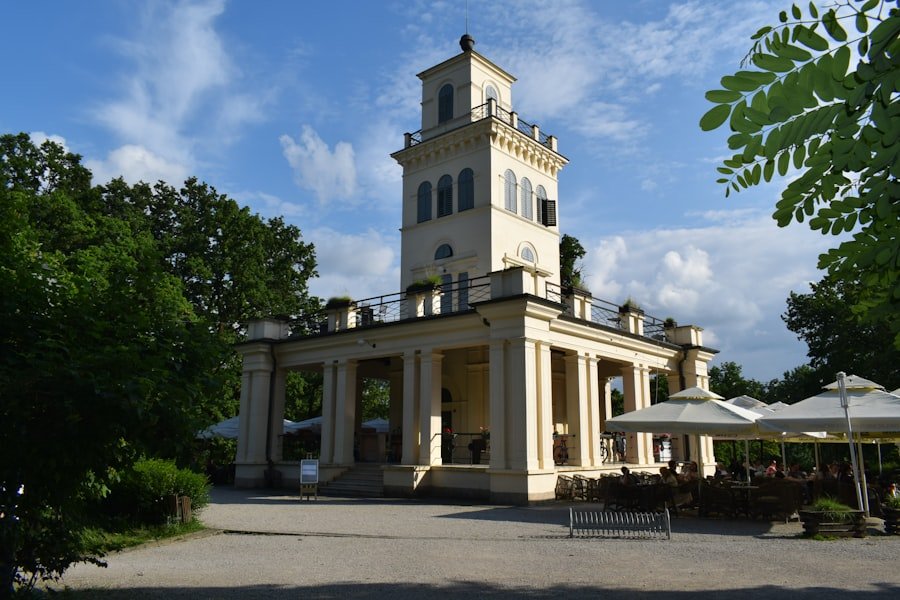
Traditional crafts are among Ballenberg’s best photographic subjects because they combine people, tools, materials, movement, and historical surroundings. The museum demonstrates more than 30 traditional skills and professions, including activities such as forging, spinning, weaving, carving, and basket-making. Demonstrations vary by day, so use the official craft page and daily schedule when planning your visit.
Photograph More Than the Finished Object
A strong craft sequence might include:
- a wide view of the workshop
- the craftsperson within the workspace
- hands using a tool
- raw material before it is worked
- an intermediate stage
- the finished piece
- small environmental details such as tools, benches, fire, thread, wood shavings, or metal
Movement adds life, but it also requires a faster shutter speed. If hands are moving quickly, raise ISO rather than accepting motion blur unless blur is a deliberate creative choice.
Building rapport with craftspeople can lead to better photographs. When practical, observe first, avoid interrupting the demonstration, and ask permission before moving close for an identifiable portrait.
Photographing Farm Animals
Ballenberg is also home to more than 200 farm animals during the museum season. That adds another dimension to the site, but animals require different camera technique from buildings. See the museum’s farm animal information for current details.
Use continuous autofocus and a shutter speed fast enough to handle sudden movement. Instead of filling every frame with a tight animal portrait, make some wider photographs that include the stable, pasture, fence, or farm building. Those environmental images explain why the animal belongs in the Ballenberg story.
Do not disturb an animal to create a photograph. Follow barriers, signs, and staff instructions, and never attempt to change an animal’s position for a cleaner background.
Photographing the Cultural Landscape
Ballenberg is not only a building collection. Its paths, gardens, fields, forests, plants, and agricultural settings help show how historic rural buildings related to the surrounding landscape.
Use paths and fences as leading lines, photograph buildings through foliage where it improves depth, and include enough landscape to show regional context. On cloudy days, look for saturated greens, wet wood, stone texture, and subtle atmospheric layers rather than waiting only for dramatic sunlight.
Changing weather can also create stronger photographs. Mist, light rain, broken cloud, and patches of sunlight may communicate the setting better than a perfectly clear midday sky.
Navigating Crowds and Tourists for Cleaner Shots
Popular buildings and demonstrations can become busy. You rarely need an entirely empty museum to create a strong photograph, but you should decide whether people support or distract from the story.
For Empty-Looking Architecture
- Photograph important exteriors soon after reaching them rather than waiting until groups gather.
- Frame slightly tighter to exclude busy pathways.
- Move a few steps left or right to hide people behind foreground objects or structures.
- Wait for natural gaps rather than blocking a path while trying to create a completely empty scene.
When People Improve the Photograph
Visitors can add scale and life. A person walking toward a farmhouse, looking through a doorway, or watching an artisan may explain the size and purpose of a scene more effectively than an empty frame.
Pro Tip: When a scene is crowded, do not immediately abandon it. First look for a composition where the people become part of the visual story rather than background clutter.
A Practical Ballenberg Photography Shot List
If you want a varied collection rather than dozens of similar building photos, aim to capture at least one example from each category:
- a wide regional landscape or building group
- a complete historic building exterior
- a doorway or window composition
- a roof or construction detail
- a dark interior with natural window light
- a historic household object or tool
- a craftsperson at work
- a close detail of hands and tools
- a farm animal in its environment
- a garden, field, path, or fence
- a photograph containing a visitor for scale
- a texture study of wood, stone, plaster, metal, fabric, or thatch
This mix gives you a much stronger visual narrative than concentrating only on postcard-style exteriors.
Post-Processing Your Ballenberg Photography
Post-processing should strengthen what was already present rather than make historic buildings and objects look artificial. Software such as Adobe Lightroom, Photoshop, or another RAW editor can help correct exposure, color, perspective, and noise.
Correct White Balance Carefully
Historic rooms may contain window light, warm artificial light, and dark wooden surfaces at the same time. Automatic white balance can shift noticeably between images. Adjusting white balance afterward can help a series feel consistent without removing the natural warmth of an interior.
Recover Highlights Before Over-Brightening Shadows
Window areas, pale plaster, clouds, and bright skies can lose detail quickly. Start by controlling highlights, then lift shadows gradually. Aggressive shadow recovery can reveal noise and make dim historic interiors look unnaturally flat.
Correct Perspective
Architecture often benefits from modest vertical correction. Keep enough space around buildings when shooting so you can straighten converging walls without cutting off the roof or foundation.
Use Noise Reduction Moderately
High ISO may be necessary in dark rooms and workshops. Some noise reduction can help, but excessive smoothing can erase the wood grain, fabric texture, metalwork, and surface detail that make Ballenberg visually interesting.
Sharing Your Museum Photography Responsibly
When sharing photographs online, accurate captions make them more useful. If you know the building’s region, craft being demonstrated, or subject shown, include that context rather than relying on a generic caption such as “old Swiss house.” The official museum map and digital guide can help identify what you photographed.
When recognizable people are central to an image, consider whether the photograph is appropriate to publish, especially if you did not speak with the person. A respectful approach to photographing people should continue after you leave the museum.
If you also want to practice color, texture, and close-up composition with a completely different still-life subject, the existing article Exploring the Delightful World of Asian Melon offers another subject to experiment with away from the museum.
Frequently Asked Questions
What is the Ballenberg Museum?
Ballenberg is the Swiss Open-Air Museum near Brienz in Switzerland. It covers 66 hectares and presents historic rural buildings from across Switzerland together with traditional crafts, farm animals, gardens, exhibitions, and cultural landscapes.
What can visitors expect to photograph at Ballenberg?
Popular subjects include historic farmhouses, barns, granaries, interiors, tools, gardens, regional architecture, craft demonstrations, farm animals, paths, fields, forests, and architectural details. Photographing wide views, medium environmental scenes, and close details creates a more complete visual record.
What is the best time of day for photography at Ballenberg?
Because normal museum access begins at 10:00 a.m., sunrise photography inside the site is not a realistic general recommendation. Start photographing soon after opening for quieter scenes, then use changing light throughout the day. Later afternoon and overcast weather can be especially useful for architecture and landscape details.
Which lens is best for Ballenberg Museum photography?
A versatile standard zoom is the most practical single-lens choice because it can handle buildings, landscapes, details, crafts, and animals. A fast 35mm- or 50mm-equivalent prime is useful for low-light interiors, while a wider lens can help with architecture in tight spaces.
Can I use flash or a tripod at Ballenberg?
The museum regulations reviewed for this guide do not publish a blanket still-photography rule covering every use of flash or tripods. Follow signs, special-event restrictions, and staff instructions at the location you are photographing. Avoid any setup that obstructs paths, interferes with demonstrations, or risks contact with historic furnishings.
Can I fly a drone at Ballenberg?
No. Ballenberg’s current museum regulations prohibit drones from flying on or over the entire Swiss Open-Air Museum site. The regulations state that exceptions for commercial recordings can be requested from the museum’s marketing team.
How should I photograph Ballenberg’s traditional crafts?
Check the daily schedule first, then photograph the complete workshop, the craftsperson in context, moving hands, tools, raw materials, intermediate steps, and the finished work. Use a fast enough shutter speed for movement and ask before making a close portrait.
Can I get good Ballenberg photos with a smartphone?
Yes. A smartphone is particularly convenient on the large museum grounds because it is light and quick to use. Use the main camera when possible, tap to control exposure in high-contrast scenes, brace the phone in dark interiors, and avoid excessive digital zoom.
Sources
- Ballenberg Swiss Open-Air Museum: Museum — museum type, site size, and general background.
- Ballenberg: Architecture and Buildings — historic buildings, regional groupings, materials, and construction styles.
- Ballenberg: Traditional Crafts — craft demonstrations and daily-program planning.
- Ballenberg Museum Map — building locations and route planning.
- Ballenberg Opening Hours — current seasonal access and opening times.
- Ballenberg Museum Regulations — visitor conduct, special restrictions, and the current drone prohibition.