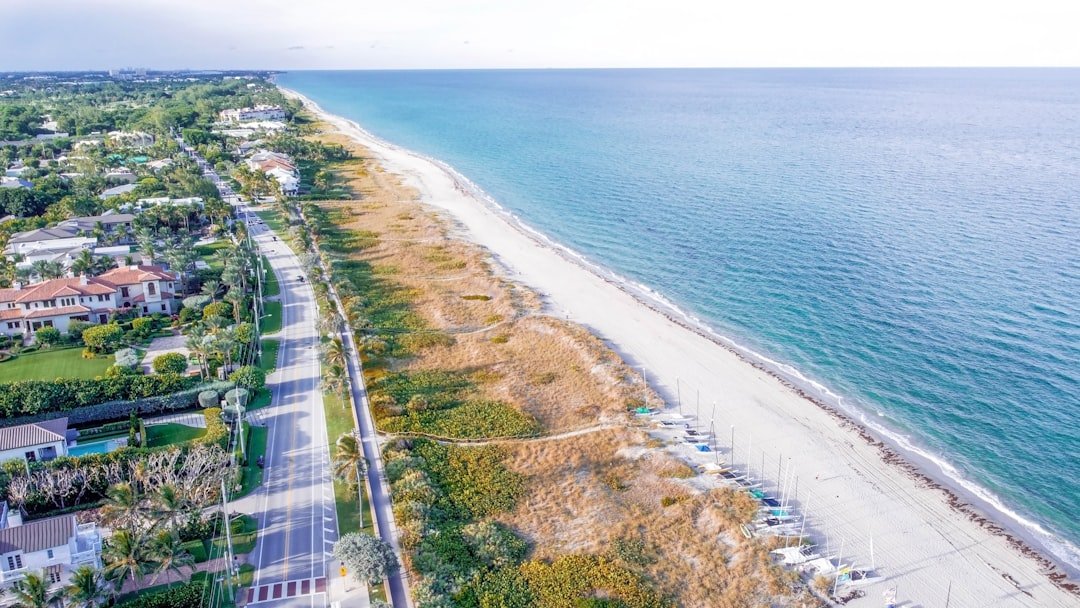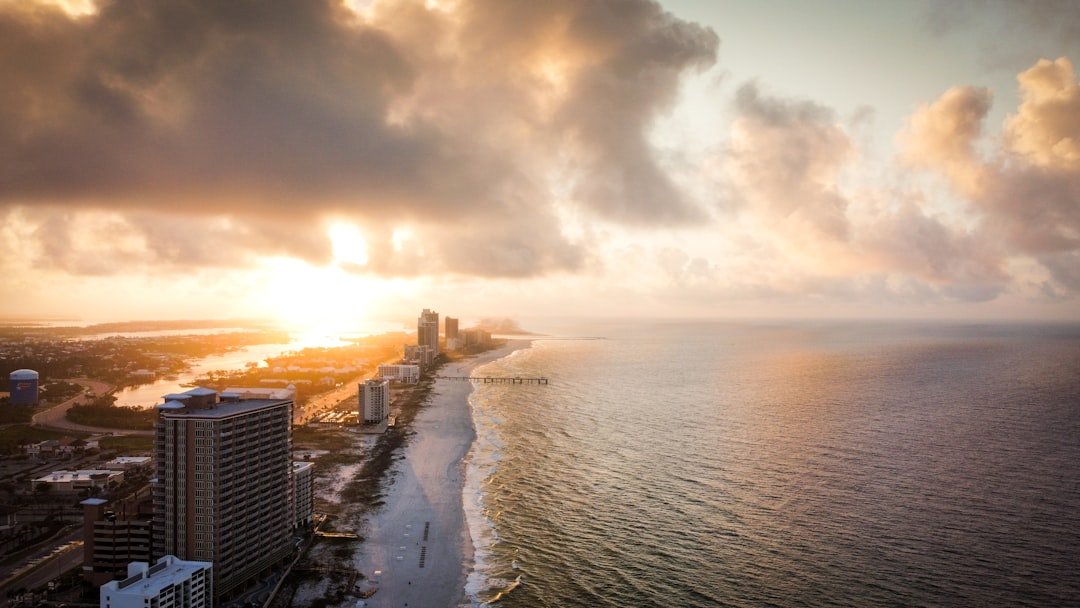
Alabama’s Gulf Coast packs a surprising amount of variety into a relatively short shoreline. Gulf Shores is the easiest choice for classic beach activity, Orange Beach combines sand with boating and fishing, Dauphin Island feels quieter and more natural, and Fort Morgan and Bon Secour offer room to get away from the busiest resort areas. The best choice depends on whether you want family facilities, wildlife, fishing, nightlife, or simply a quiet stretch of white sand.
Quick Answer
For most first-time visitors, Gulf Shores and Orange Beach offer the best mix of white sand, public access, restaurants, activities, and family amenities. Choose Dauphin Island or Fort Morgan for a quieter trip, Gulf State Park for beaches plus trails, and Bon Secour National Wildlife Refuge for the most natural setting.
Key Takeaways
- Gulf Shores: Best all-around choice for first-time visitors who want an active beach area, restaurants, facilities, and easy public access.
- Orange Beach: Excellent for boating, fishing, dolphin cruises, watersports, and several convenient public beach accesses.
- Dauphin Island: Better for a slower pace, uncrowded shoreline, birding, sunsets, and historic Fort Gaines.
- Fort Morgan: Combines quiet Gulf shoreline with one of Alabama’s most important coastal historic sites.
- Gulf State Park: Ideal when you want a beach day plus biking, hiking, paddling, camping, or pier fishing.
- Bon Secour: Best for nature lovers who value wildlife habitat and undeveloped coastal scenery over resort-style facilities.
Best Alabama Beaches at a Glance
| Area | Best For | What to Expect |
| Gulf Place, Gulf Shores | First-time visitors and families | Central location, public facilities, beach activity, nearby dining |
| Orange Beach | Boating and watersports | Multiple public accesses, fishing, dolphin cruises, Perdido Pass |
| Dauphin Island | Quiet trips and birdwatching | Laid-back barrier island, historic fort, sanctuary, sunsets |
| Fort Morgan | History and uncrowded shoreline | Historic fort, birding, fishing, quieter peninsula setting |
| Gulf State Park | Outdoor recreation | Beach, trails, pier, lakes, paddling, camping |
| Bon Secour | Nature and solitude | Wildlife refuge, dunes, maritime forest, limited facilities |
Gulf Shores, Orange Beach, and Fort Morgan share roughly 32 miles of Alabama’s well-known white-sand coastline, giving visitors everything from busy public beaches to relatively undeveloped natural areas.
Gulf Shores Main Public Beach
Gulf Shores is the classic starting point for an Alabama beach vacation. The city’s central beachfront combines broad white sand with restaurants, accommodations, watersports, and public beach access. It works especially well for first-time visitors who want to spend most of the day near the Gulf without driving between attractions.
Gulf Place, the Gulf Shores Main Public Beach, sits where Highway 59 reaches the coast. Public amenities include restrooms, rinse showers, open-air pavilions, and nearby recreation. Accessible beach mats also make Gulf Place one of the stronger choices for travelers who use wheelchairs, walkers, or strollers.
The area is lively rather than secluded. Beach volleyball, swimming, sunbathing, and people-watching are common, and restaurants are close enough for an easy lunch or dinner. The Hangout remains directly beside the main beach, while LuLu’s is another well-known Gulf Shores dining and entertainment option on the Intracoastal Waterway.
Water activities around Gulf Shores include kayaking, paddleboarding, boating, jet skiing, and fishing. Visitors who prefer nature can reach Gulf State Park, Bon Secour National Wildlife Refuge, and the Fort Morgan Peninsula without leaving the broader Gulf Shores area.
Pro Tip: Choose Gulf Place when convenience matters more than solitude. If your priority is a quieter shoreline, continue west toward Fort Morgan and Bon Secour or explore less central public accesses.
Orange Beach
Just east of Gulf Shores, Orange Beach combines resort accommodations with boating, fishing, watersports, and several useful public beach accesses. It is especially appealing to active travelers who want more than a day of sitting on the sand.
For easy public access, Cotton Bayou has restrooms, outdoor showers, a boardwalk, and accessibility features. Alabama Point, near Perdido Pass, has a wide stretch of sand, boardwalks, picnic areas, restrooms, showers, and views of boats entering and leaving the pass. Romar Beach and Shell Beach can work well for shorter visits and travelers seeking a less elaborate setup. Current access information is available through Alabama’s Beaches public-beach guide.
Fishing is one of Orange Beach’s signature activities. Local charter operators offer inshore and offshore trips, while boaters use Perdido Pass as the main connection between inland waterways and the Gulf. Dolphin cruises and eco-tours provide a less strenuous way to experience the coastal environment.
The beachfront condominium and vacation-rental supply also makes Orange Beach practical for families and groups that want a kitchen, multiple bedrooms, or a longer stay. Beachside and waterfront restaurants add convenience without requiring a trip back toward central Gulf Shores.
Dauphin Island

Dauphin Island is a barrier island at the mouth of Mobile Bay and offers a noticeably slower pace than Gulf Shores or Orange Beach. Travelers can reach it by bridge from mainland Mobile County or by the vehicle-and-passenger Mobile Bay Ferry from Fort Morgan. Ferry schedules can change with weather and maintenance, so same-day verification is wise.
The Town of Dauphin Island describes the community as Alabama’s “Sunset Capital,” and the western end of the island is particularly appealing for broad Gulf views. Beaches tend to feel less commercial than the main resort areas, making the island attractive to travelers who value simple beach time, fishing, nature, and quiet evenings.
Dauphin Island is the better fit when your ideal Alabama beach trip means fewer high-rise resorts, strong birding opportunities, historic sites, and room to slow down.
History is a major part of the island experience. Fort Gaines stands on the eastern end and was one of the important defensive sites during the Battle of Mobile Bay.
Nature lovers should also make time for the Dauphin Island Audubon Bird Sanctuary. The sanctuary covers 164 acres of maritime forest, wetlands, dunes, and Gulf shoreline, with walking trails through several habitats used by migratory birds.
Fort Morgan
| Category | Data / Visitor Information |
| Fort Completed | 1834 |
| Fort & Grounds Hours | 8:00 a.m.–5:00 p.m. daily; check the official site before visiting for closures or changes |
| Museum Hours | 9:00 a.m.–4:00 p.m. daily |
| Accessibility | Museum, restrooms, and the ground level of the fort are accessible according to the Alabama Historical Commission |
Fort Morgan sits at the western tip of Mobile Point and combines Alabama coastal history with a quieter peninsula setting. The masonry fort was completed in 1834 and became one of the defining locations in the Battle of Mobile Bay during the Civil War.
On August 5, 1864, the Battle of Mobile Bay unfolded around the defenses of Fort Morgan and Fort Gaines. Fort Morgan later endured a Union siege before surrendering on August 23.
The Alabama Historical Commission operates the historic site. Visitors can tour the fort, museum exhibits, later artillery batteries, and other military structures while learning about Mobile Point’s military history.
The surrounding peninsula also provides access to Gulf shoreline, fishing, birdwatching, and quieter vacation rentals. Mobile Bay supports popular inshore species such as redfish and speckled trout, while the Gulf side offers conventional beach activities.
Fort Morgan is also an important stopover area for spring and fall migratory birds. Travelers who enjoy both history and nature can pair the fort with nearby Bon Secour National Wildlife Refuge or cross Mobile Bay by ferry to Dauphin Island.
Gulf State Park
Gulf State Park is one of the most versatile choices on Alabama’s coast because a beach visit can be combined with hiking, cycling, paddling, fishing, camping, or nature programs. The park covers more than 6,000 acres between Gulf Shores and Orange Beach.
According to Alabama State Parks, the park’s trail network includes about 29 miles of paved trails and boardwalks crossing several coastal ecosystems. Lake Shelby adds opportunities for kayaking and canoeing, while the Backcountry Trail system is popular with cyclists and walkers.
The park also has more than 3.5 miles of white-sand beaches. Gulf State Park Pavilion is particularly useful for a full beach day because it offers parking, restrooms, showers, accessible approaches, picnic areas, and seasonal concessions.
The Fishing and Education Pier provides Gulf views and fishing access. Current park information lists the pier as open around the clock for fishing and sightseeing, although weather and maintenance can cause temporary changes. Anglers should check current license requirements and fishing regulations before casting.
Note: Gulf State Park contains wildlife as well as heavily used recreation areas. Stay on designated trails, do not feed wildlife, and follow posted guidance around alligators and other animals.
Bon Secour National Wildlife Refuge

Bon Secour National Wildlife Refuge is the strongest choice in this guide for visitors who want protected habitat rather than a developed resort beach. Congress established the refuge in 1980, and the U.S. Fish and Wildlife Service says it now protects approximately 7,000 acres of coastal land.
The refuge contains beaches, dunes, wetlands, maritime forest, scrub, and other habitats important to migratory birds and threatened or endangered wildlife. Species associated with the refuge include the Alabama beach mouse and several sea turtles.
Walking trails allow visitors to move between different habitats while birding, photographing wildlife, and enjoying a less-developed side of the coast. Refuge trails are generally intended for foot traffic, and bicycles are not allowed on them.
Because Bon Secour is a wildlife refuge, visitors should expect fewer amenities than at Gulf Place or Gulf State Park Pavilion. Some natural beach accesses have no conventional beach showers or full-service facilities. Current trail conditions should also be checked before visiting because boardwalks and trail segments can temporarily close for repairs, storms, or safety work.
Pro Tip: Bring water, sun protection, insect repellent, and suitable walking shoes if you plan to combine the refuge’s beach with its trails. Stay out of dunes and give nesting wildlife plenty of space.
Nearby Side Trip: Perdido Key, Florida
Perdido Key is immediately east of the Alabama coast and is easy to combine with an Orange Beach trip, but it should not be counted as one of Alabama’s beaches. Perdido Key State Park is part of the Florida State Parks system.
The area is known for pale sand, rolling dunes, Gulf water, and a more natural feel than some heavily developed resort zones. Swimming, sunbathing, fishing, paddling, and wildlife watching are common activities.
Perdido Key State Park has public beach access along State Road 292 and is generally open from 8 a.m. until sunset, although visitors should verify current hours, fees, weather, and any temporary closures before making the drive.
For travelers staying in Orange Beach, Perdido Key can make an easy additional beach day. However, readers specifically trying to visit only Alabama beaches should choose Gulf Shores, Orange Beach, Fort Morgan, Gulf State Park, Bon Secour, or Dauphin Island instead.
Fairhope: A Mobile Bay Beach Alternative
Fairhope offers a different kind of Alabama waterfront experience. It sits on the eastern shore of Mobile Bay rather than directly on the Gulf of Mexico, so its beach should not be confused with the Gulf beaches of Gulf Shores, Orange Beach, or Dauphin Island.
Downtown Fairhope is known for walkable streets, shops, galleries, gardens, restaurants, and easy access to the bayfront. The Fairhope Municipal Pier and Park includes a long pier, benches, covered areas, restrooms, picnic facilities, a rose garden, and a sandy beach.
The pier works well for strolling, watching Mobile Bay, or fishing with the appropriate saltwater license. Families can also use the surrounding park areas for picnics and relaxed outdoor time.
Fairhope is therefore a good addition to an Alabama coast trip for travelers who enjoy small-town atmosphere, art, gardens, and bay sunsets. For classic Gulf surf and broad white-sand shoreline, however, the coastal beaches farther south remain the stronger choice.
Beach Safety and Practical Planning
Warning: Check the beach warning flags and current surf forecast before entering the Gulf. In Gulf Shores, entering Gulf waters when double red flags are flying is illegal. Even on lower-risk days, rip currents can occur, so swim near lifeguards when available and never assume calm-looking water is hazard-free.
The City of Gulf Shores beach-safety page explains the local flag system. Visitors can also check the National Weather Service Mobile/Pensacola beach forecast for current rip-current risk and marine conditions.
Parking and Facilities
Parking and amenities differ substantially by beach. Central accesses such as Gulf Place, Cotton Bayou, Alabama Point, and Gulf State Park Pavilion provide more developed facilities, while natural areas such as Bon Secour may have limited parking and few conventional beach amenities. Parking rates and rules can change, so verify them on the official city or park website shortly before your visit.
Accessibility
Travelers with limited mobility have several stronger choices. Gulf Place, Cotton Bayou, and Gulf State Park Pavilion currently provide accessible routes or beach mats that reduce the amount of loose sand visitors must cross. Accessibility equipment and conditions can change, so contact the destination directly if a specific accommodation is essential.
Protect the Dunes and Wildlife
Use designated walkovers instead of crossing dunes. Dune vegetation helps stabilize the shoreline and provides habitat for coastal wildlife. Never disturb marked nests, feed wild animals, or leave beach equipment and trash behind.
Best Time to Visit Alabama Beaches
There is no single best month for every traveler. Spring often brings pleasant beach weather before the most intense summer heat. Summer offers the warmest classic beach-vacation conditions and the busiest family-travel period, but visitors should prepare for heat, humidity, afternoon thunderstorms, and larger crowds.
Early fall can offer warm Gulf conditions with fewer peak-summer crowds, although tropical weather remains an important planning consideration. The Atlantic hurricane season officially runs from June 1 through November 30, so travelers visiting during that period should monitor forecasts and understand cancellation policies.
Winter is cooler and less reliable for swimming, but it can be appealing for beach walks, birdwatching, fishing, cycling, and travelers who prefer a quieter coast.
Beach Picnic Idea: If you are planning snacks for a beach day, the site’s guide to Asian melon offers another fruit option to consider alongside easy-to-pack beach staples. Keep perishable food properly chilled and remove all food waste when you leave.
Frequently Asked Questions
What are the best beaches in Alabama?
Gulf Shores and Orange Beach are the strongest all-around choices for most visitors. Dauphin Island is excellent for a quieter atmosphere and birding, Fort Morgan combines history with a less-developed shoreline, Gulf State Park mixes beach time with outdoor recreation, and Bon Secour is best for protected natural scenery.
Which Alabama beach is best for families?
Gulf Place in Gulf Shores and Gulf State Park Pavilion are two practical family choices because they combine beach access with restrooms and other nearby amenities. Cotton Bayou and Alabama Point in Orange Beach are also convenient options. Always check current surf flags and choose lifeguarded areas when possible.
What activities can you enjoy at Alabama beaches?
Depending on the location, visitors can swim, sunbathe, beachcomb, fish, kayak, paddleboard, cycle, hike, take dolphin cruises, book fishing charters, watch birds, or explore coastal historic sites. Conditions and permitted activities vary by beach and protected area.
Do Alabama beaches have restrooms and showers?
Many developed public accesses do, including Gulf Place and Gulf State Park Pavilion. Cotton Bayou and Alabama Point also provide useful visitor facilities. Smaller or more natural accesses may have limited or no permanent facilities, so check the specific access before leaving your accommodation.
Are Alabama beaches family-friendly?
Many public accesses are designed with families in mind, but natural Gulf water is never risk-free. Check warning flags, rip-current forecasts, weather, and lifeguard coverage every day. Children should be supervised closely around the water regardless of the flag level.
What is the best time to visit Alabama beaches?
Spring is a good balance of warm weather and manageable crowds. Summer is best for travelers who prioritize traditional hot-weather beach conditions but is busier and hotter. Early fall can remain warm with fewer crowds, while winter is better suited to walking, fishing, cycling, and birdwatching than guaranteed swimming weather.
Which Alabama beach is best for a quiet trip?
Dauphin Island, the Fort Morgan Peninsula, and Bon Secour National Wildlife Refuge generally offer a calmer, more natural experience than central Gulf Shores. The exact crowd level still varies by season, holiday, weekend, and access point.
Are there wheelchair-accessible beaches in Gulf Shores and Orange Beach?
Yes. Gulf Place, Cotton Bayou, and Gulf State Park Pavilion are among the public accesses with beach mats or accessible approaches. Because equipment and conditions may change, verify current accessibility arrangements before traveling if they are essential to your visit.
Is Perdido Key one of Alabama’s beaches?
No. Perdido Key is a nearby Florida destination. Perdido Key State Park is operated by Florida State Parks. It is convenient from Orange Beach, but travelers looking specifically for Alabama beaches should treat it as a side trip rather than part of the Alabama list.
Sources
- Gulf Shores & Orange Beach Tourism — Beaches — public beach accesses, facilities, accessibility, and beach options.
- City of Gulf Shores — Beach Safety — beach warning flags and double-red-flag rules.
- Alabama State Parks — Gulf State Park — recreation, trails, beaches, pier, and visitor information.
- Alabama Historical Commission — Fort Morgan — history, visitor hours, museum, and accessibility information.
- U.S. Fish & Wildlife Service — Bon Secour National Wildlife Refuge — refuge acreage, wildlife, conservation, and visitor information.
- Florida State Parks — Perdido Key State Park — verifies Perdido Key as a Florida state park and provides current visitor information.