Selma, Alabama, holds some of the most important landmarks of the American voting rights movement. The Edmund Pettus Bridge, Brown Chapel AME Church, the National Voting Rights Museum and Institute, and other sites preserve the story of the 1965 campaign that brought national attention to barriers preventing Black citizens from registering and voting. Visiting these places also helps explain the three Selma marches and the events that contributed to passage of the Voting Rights Act of 1965.
Quick Answer
Selma’s most important civil rights sites include the Edmund Pettus Bridge, Brown Chapel AME Church, the National Voting Rights Museum and Institute, and locations along the Selma to Montgomery National Historic Trail. Together, they explain Bloody Sunday, the three 1965 marches, and the campaign that helped lead to the Voting Rights Act of 1965.
Key Takeaways
- The Edmund Pettus Bridge was the site of the March 7, 1965, attack on peaceful voting-rights marchers known as Bloody Sunday.
- Brown Chapel AME Church was a major organizing center and the starting point for the Selma to Montgomery marches.
- The National Voting Rights Museum and Institute preserves artifacts, testimony, and stories connected to the voting rights struggle.
- The permanent Selma Interpretive Center is closed for renovations as of August 2026; National Park Service visitor services are temporarily available at the Selma Welcome Center at 14 Broad Street.
- The Selma to Montgomery National Historic Trail follows approximately 54 miles from Brown Chapel to the Alabama State Capitol.
- The 16th Street Baptist Church belongs to the broader Alabama civil rights story, but it is in Birmingham rather than Selma.
The Three Selma Voting Rights Marches
The story of Selma is easier to understand when the events of March 1965 are separated into three marches rather than treated as a single demonstration. The immediate background included the death of Jimmie Lee Jackson, who was shot after Alabama law enforcement officers attacked voting-rights demonstrators in Marion in February 1965. His death helped spur calls for a march from Selma to Montgomery.
Bloody Sunday: March 7, 1965
About 600 nonviolent demonstrators left Brown Chapel AME Church on March 7, led at the front by John Lewis of the Student Nonviolent Coordinating Committee and Hosea Williams of the Southern Christian Leadership Conference. Their goal was to march to Montgomery to demand protection of voting rights.
After crossing the crest of the Edmund Pettus Bridge, the marchers encountered Alabama state troopers and local law enforcement officers. Officers attacked the demonstrators with clubs and tear gas, injuring dozens. Television footage and photographs of the violence spread across the country, making Bloody Sunday a defining moment of the civil rights movement.
Turnaround Tuesday: March 9, 1965
Two days later, Martin Luther King Jr. led a much larger group back to the Edmund Pettus Bridge. The demonstrators crossed the bridge, stopped, prayed, and then returned to Selma rather than continuing to Montgomery. The event became known as Turnaround Tuesday.
The Successful March: March 21–25, 1965
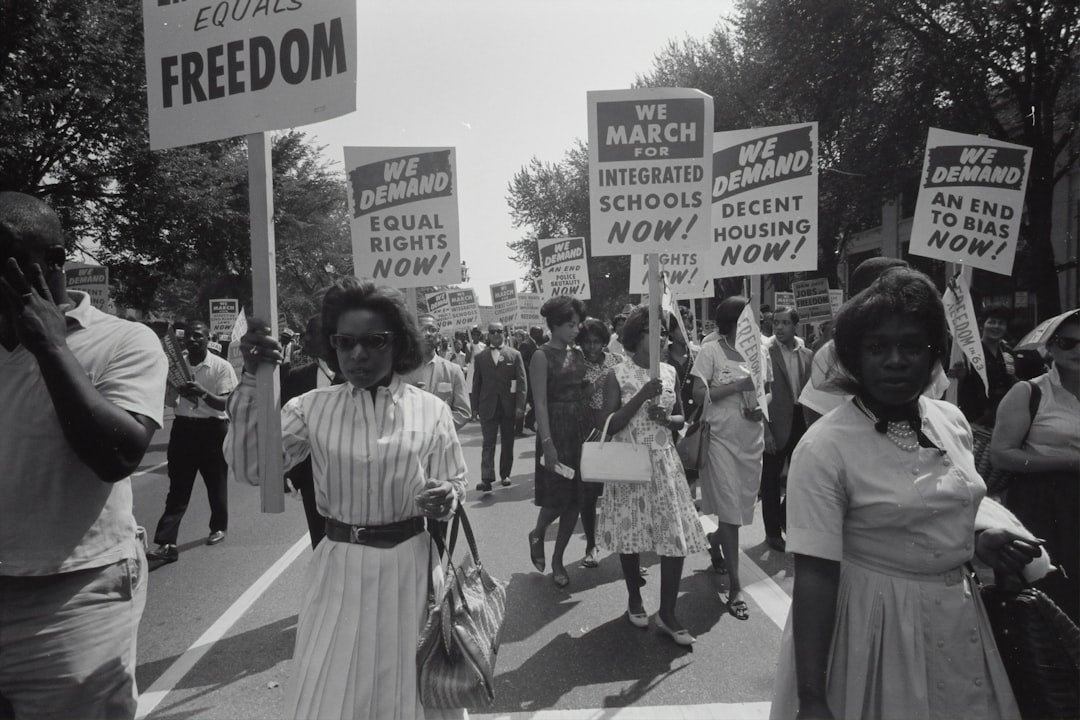
After Federal District Court Judge Frank M. Johnson Jr. ruled that the demonstrators had the right to march, the final Selma to Montgomery march began on March 21 with protection from federal authorities. Thousands traveled along the route over five days. By March 25, roughly 25,000 people had gathered at the Alabama State Capitol, where Martin Luther King Jr. delivered his “Our God Is Marching On!” speech.
For primary-source context and archival records, see the National Archives overview of the Selma marches.
The Edmund Pettus Bridge
The Edmund Pettus Bridge spans the Alabama River and is the best-known physical landmark associated with Bloody Sunday. The bridge was constructed between 1938 and 1940 and opened in 1940. It was named for Edmund Winston Pettus, a Confederate general, U.S. senator from Alabama, and Grand Dragon of the Alabama Ku Klux Klan.
That history gives the bridge a complicated symbolism. A structure bearing the name of a Confederate and Klan leader became the setting for one of the country’s most widely remembered demonstrations for Black voting rights.
The bridge’s importance comes not from its size but from what happened there on March 7, 1965, when images of violence against peaceful marchers brought the voting rights struggle into homes across the United States.
The bridge was officially designated a National Historic Landmark in 2013 because of its association with Bloody Sunday and the modern civil rights movement. Visitors can learn more from the Library of Congress Historic American Engineering Record and the National Park Service.
Pro Tip: Start near the bridge and the temporary NPS visitor location before walking to other downtown Selma sites. During major commemorative events, road and bridge closures may affect access, so check National Park Service conditions before traveling.
The National Voting Rights Museum and Institute
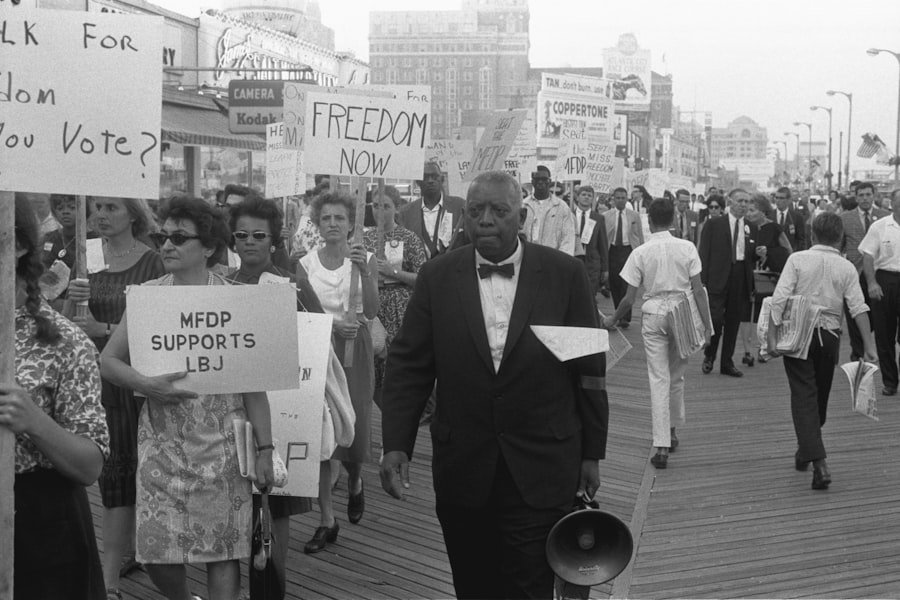
The National Voting Rights Museum and Institute is located near the Edmund Pettus Bridge and focuses on the struggle for voting rights in Selma and across the United States. Its collections and exhibits preserve artifacts, photographs, records, and personal accounts associated with people who participated in the voting rights movement.
The museum is especially valuable because it connects nationally known events with the experiences of local organizers and foot soldiers. Rather than presenting the marches only through famous leaders, its exhibits help visitors understand the work of ordinary residents who organized, registered voters, attended mass meetings, marched, and endured violence.
As of August 2026, the museum lists regular hours of Monday through Thursday from 10:00 AM to 4:00 PM. Friday, Saturday, and Sunday visits are by appointment. Hours and admission policies can change, so confirm details through the National Voting Rights Museum and Institute’s official website before visiting.
Brown Chapel AME Church
| Location | 410 Martin Luther King Jr. Street, Selma, Alabama |
| Denomination | African Methodist Episcopal |
| Congregation origins | 1866 prayer movement |
| Current building | Built in 1908 |
| Civil rights significance | Starting point for the Selma to Montgomery marches and an organizing center for the Southern Christian Leadership Conference |
Brown Chapel AME Church holds a central place in Selma’s voting rights history. The congregation traces its origins to a prayer movement begun in 1866, while the present Romanesque Revival building was completed in 1908 by Black builder A. J. Farley.
During the Selma campaign, Brown Chapel served as a meeting place, sanctuary, rally site, and headquarters for the Southern Christian Leadership Conference. Marchers assembled outside the church before setting out toward the Edmund Pettus Bridge on Bloody Sunday.
Martin Luther King Jr. and other civil rights leaders spoke and organized here, but the church’s importance also rests on the work of local members and activists who sustained the voting rights campaign long before national attention centered on Selma.
Brown Chapel remains a historic church rather than a conventional museum. Visitors interested in seeing the interior should arrange a tour in advance through the official Brown Chapel AME Church website.
Note: Do not assume that Brown Chapel is open for unscheduled walk-in sightseeing. Tour access is arranged separately, and operating arrangements can change because it is an active historic church.
The Selma Interpretive Center
The Selma Interpretive Center is part of the National Park Service’s Selma to Montgomery National Historic Trail. Its permanent facility near the Edmund Pettus Bridge was created to interpret Selma’s role in the voting rights movement and orient visitors to the historic route.
As of August 2026, the permanent Selma Interpretive Center is closed for renovations. National Park Service staff are serving visitors from a temporary location inside the Selma Welcome Center at 14 Broad Street, Selma, only a short distance from the permanent facility.
The temporary visitor location provides rangers, restrooms, passport stamps, information, and a small bookstore. NPS currently lists hours as Monday through Saturday from 9:00 AM to 4:30 PM, with Sunday closed except for certain special events.
Because construction and operating arrangements can change, check the National Park Service visitor-center page shortly before your trip.
Warning: Older travel guides may still direct you to enter the permanent Selma Interpretive Center. During the renovation, use the temporary National Park Service location at 14 Broad Street instead.
Other Important Civil Rights Sites in Selma
The bridge and Brown Chapel receive the most attention, but the voting rights movement in Selma involved a network of churches, homes, neighborhoods, and meeting spaces. Adding these locations gives a more complete picture of how local organizing made the nationally known marches possible.
First Baptist Church
First Baptist Church at 709 Martin Luther King Jr. Street played a different but complementary role to Brown Chapel. Members allowed the Student Nonviolent Coordinating Committee to use the church as a planning site and organizational headquarters during the Selma campaign.
The National Park Service currently identifies the historic church as not open to the public, so it is best viewed respectfully from public areas unless an authorized visit has been arranged. Learn more through the National Park Service’s First Baptist Church history.
Historic Tabernacle Baptist Church
Historic Tabernacle Baptist Church at 1431 Broad Street is associated with an earlier phase of Selma’s voting rights organizing. The National Park Service identifies it as the site of the first mass meeting of the Selma Voting Rights Movement, held in 1963.
The meeting demonstrated that the campaign did not suddenly begin with Bloody Sunday in 1965. Local organizers had spent years building networks, teaching voter-registration skills, holding meetings, and challenging segregation. See the NPS history of Historic Tabernacle Baptist Church.
George Washington Carver Neighborhood
The George Washington Carver neighborhood was another important organizing center. According to the National Park Service, local families hosted members of SNCC, SCLC, and other organizers, while nearby churches became key meeting places and starting points for demonstrations.
Including the neighborhood in your understanding of Selma helps shift the story from a handful of famous individuals to the community infrastructure that supported the movement.
The 16th Street Baptist Church
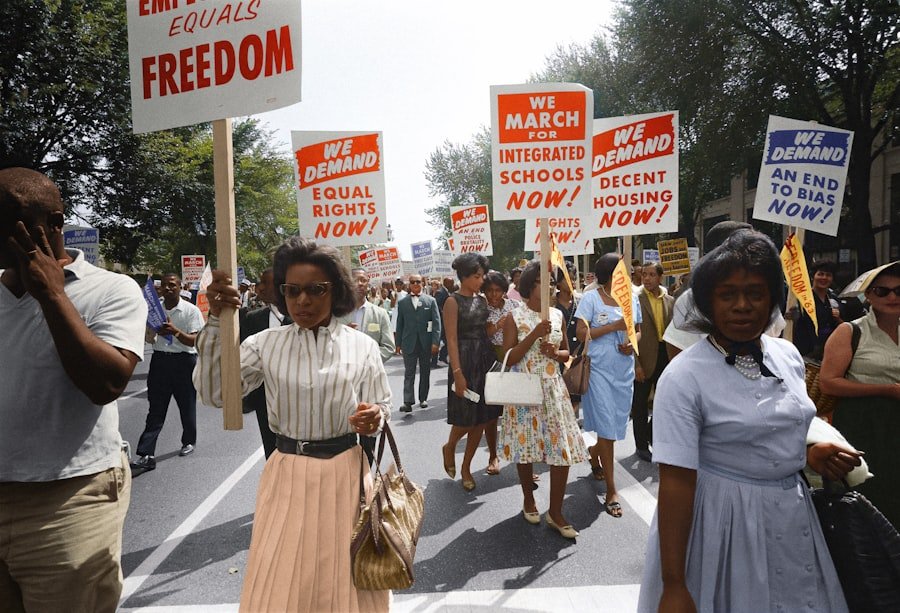
The 16th Street Baptist Church is an essential Alabama civil rights landmark, but it is important to distinguish it from the Selma sites because the church is in Birmingham, Alabama, not Selma.
On September 15, 1963, a bomb exploded at the church, killing four young African American girls attending Sunday school: Addie Mae Collins, Denise McNair, Carole Robertson, and Cynthia Wesley. The attack drew national and international condemnation and became one of the most widely remembered acts of racial terrorism of the civil rights era.
The Birmingham church belongs to the broader story of Alabama’s civil rights movement, but travelers researching Selma civil rights sites should plan it as a separate Birmingham visit.
The church had already served as an organizing center for civil rights demonstrations before the bombing. Today, its history connects the Birmingham campaign of 1963 with the wider struggle against segregation and racial violence that continued into the Selma voting rights campaign.
For historical documentation, see the Library of Congress record for the Sixteenth Street Baptist Church.
The Selma to Montgomery National Historic Trail
The Selma to Montgomery National Historic Trail follows approximately 54 miles of streets and U.S. Highway 80 from Brown Chapel AME Church in Selma to the Alabama State Capitol in Montgomery. Congress established the National Historic Trail in 1996 to commemorate the people, places, events, and route associated with the 1965 voting rights marches.
The route allows visitors to move beyond downtown Selma and understand the physical scale of the final five-day march. From Selma, the trail crosses the Edmund Pettus Bridge and continues through Dallas and Lowndes counties before entering Montgomery.
Important stops include the Lowndes Interpretive Center near White Hall and the Montgomery Interpretive Center on the Alabama State University campus. The trail ends at the Alabama State Capitol, where the final marchers gathered on March 25, 1965.
The National Park Service does not charge an entrance fee for the Selma to Montgomery National Historic Trail or its NPS visitor centers. Private museums, churches, or other independently managed attractions may have separate admission or tour charges.
For maps, current conditions, operating hours, and route information, use the official Selma to Montgomery National Historic Trail website.
How to Plan a Selma Civil Rights Visit
If you are focusing on Selma itself, a practical order is to begin near the Edmund Pettus Bridge and the temporary NPS visitor location, visit the National Voting Rights Museum and Institute, then continue to Brown Chapel and other Martin Luther King Jr. Street sites. Historic Tabernacle Baptist Church can be added as time allows.
If you have a full day and a vehicle, continue east along the marked National Historic Trail toward the Lowndes Interpretive Center and Montgomery. This makes it easier to understand the distance the marchers covered and the rural landscape through which they traveled.
- Start: Temporary NPS visitor location at 14 Broad Street and Edmund Pettus Bridge.
- Near the bridge: National Voting Rights Museum and Institute.
- Martin Luther King Jr. Street: Brown Chapel AME Church and First Baptist Church.
- Additional Selma stop: Historic Tabernacle Baptist Church.
- Continue east: Follow the marked historic route on U.S. Highway 80.
- Mid-route: Lowndes Interpretive Center.
- Finish: Montgomery Interpretive Center and Alabama State Capitol area.
Accessibility
The National Park Service states that its Selma and Lowndes interpretive facilities provide accessibility features for visitors with mobility, hearing, and visual impairments. Because the permanent Selma center is under renovation and other historic sites are independently operated, contact individual locations if you need specific information about entrances, restrooms, seating, wheelchairs, or tour accommodations.
Current NPS accessibility information is available at the Selma to Montgomery National Historic Trail accessibility page.
The Legacy of Selma in the Civil Rights Movement
Selma’s importance extends far beyond the physical landmarks visitors see today. Bloody Sunday and the marches that followed put the denial of voting rights before a national audience and increased pressure for federal voting-rights legislation.
President Lyndon B. Johnson signed the Voting Rights Act of 1965 into law on August 6, 1965. Among its major provisions, the law prohibited literacy tests and created stronger federal tools for addressing racial discrimination in voting.
The legislation was the result of years of organizing across the South, not one event or one leader. Still, the National Archives describes the three Selma marches as a watershed moment in the movement that helped lead to passage of the Voting Rights Act.
That is why Selma’s historic sites matter as a group. Brown Chapel shows where people organized. First Baptist and Tabernacle Baptist show the breadth of local activism. The Edmund Pettus Bridge marks the violence marchers faced. The National Voting Rights Museum preserves personal testimony and artifacts. The National Historic Trail places the successful march into its full 54-mile geographic setting.
Frequently Asked Questions
What are the main Selma civil rights sites?
The best-known sites include the Edmund Pettus Bridge, Brown Chapel AME Church, the National Voting Rights Museum and Institute, First Baptist Church, Historic Tabernacle Baptist Church, the George Washington Carver neighborhood, and locations along the Selma to Montgomery National Historic Trail.
Why are Selma’s civil rights sites important?
They preserve places connected to the campaign for Black voting rights, Bloody Sunday, Turnaround Tuesday, the successful Selma to Montgomery march, and the local organizing that helped bring national attention to voting discrimination.
Is the Selma Interpretive Center open in 2026?
The permanent Selma Interpretive Center is closed for renovations as of August 2026. National Park Service visitor services are temporarily available at the Selma Welcome Center at 14 Broad Street. Check NPS before traveling because construction schedules and operating arrangements can change.
Can you tour Brown Chapel AME Church?
Brown Chapel offers scheduled personal and group tours. Because it is an active historic church and access may vary, arrange your visit through the church’s official website rather than assuming the building will be open for walk-in sightseeing.
Does it cost money to visit the Selma to Montgomery National Historic Trail?
The National Park Service does not charge an entrance fee for the National Historic Trail or its NPS visitor centers. Independently operated museums and historic properties may charge their own admission or tour fees.
How long is the Selma to Montgomery National Historic Trail?
The historic route is approximately 54 miles from Brown Chapel AME Church in Selma to the Alabama State Capitol in Montgomery. Visitors usually explore it by vehicle while stopping at historic and interpretive sites along the way.
Is 16th Street Baptist Church in Selma?
No. The 16th Street Baptist Church is in Birmingham, Alabama. It is an important civil rights landmark and part of the broader Alabama civil rights story, but it should be planned as a separate Birmingham visit rather than a Selma attraction.
Are Selma civil rights sites accessible to visitors with disabilities?
National Park Service facilities along the trail include accessibility features, but access varies at historic churches, museums, and independently managed properties. Check with each site before your visit if you need specific mobility, hearing, visual, restroom, or seating accommodations.
Sources
- National Archives: Selma Marches — chronology of Bloody Sunday, Turnaround Tuesday, the final march, and passage of the Voting Rights Act.
- National Park Service: Selma to Montgomery Visitor Centers — current Selma renovation status, temporary visitor location, hours, and visitor services.
- National Park Service: Historic Places Along the Trail — Brown Chapel, the Carver neighborhood, Edmund Pettus Bridge, and the march route.
- Library of Congress: Edmund Pettus Bridge — bridge construction, namesake, historic significance, and National Historic Landmark designation.
- National Voting Rights Museum and Institute — museum exhibits, location, tours, and current operating information.
- Library of Congress: Sixteenth Street Baptist Church — documentation of the Birmingham church and the September 15, 1963 bombing.