Fort Gaines sits at the eastern tip of Dauphin Island, Alabama, where it has long helped guard the entrance to Mobile Bay. The fort is best known for its role in the 1864 Battle of Mobile Bay, but its story began decades earlier and includes changing military designs, Civil War combat, later coastal-defense batteries, and modern preservation efforts.
Quick Answer
Fort Gaines is a historic coastal fort on the eastern tip of Dauphin Island. Visitors can explore cannons, tunnels, bastions, magazines, historic buildings, exhibits, and Mobile Bay views. The fort is normally open 9 AM to 5 PM, with self-guided exploration available and advance guided tours offered for qualifying groups.
Key Takeaways
- Fort Gaines stands on the eastern end of Dauphin Island and worked with Fort Morgan to defend the entrance to Mobile Bay.
- Construction was not a simple 1821-to-1830s project. Early work stopped in 1821, major construction resumed in 1854, and the fort was largely completed during the Civil War.
- Fort Gaines surrendered to Union forces on August 8, 1864, three days after the naval Battle of Mobile Bay began.
- Visitors can see historic cannons, brickwork, bastions, tunnels, powder magazines, a blacksmith shop, kitchens, exhibits, and other military features.
- The Town of Dauphin Island currently lists regular hours of 9 AM to 5 PM, with admission of $10 for ages 13+ and $5 for children ages 5–12.
- Visitors can reach Dauphin Island by road or use the Mobile Bay Ferry between Fort Morgan/Mobile Point and Dauphin Island.
Fort Gaines hours, admission, and tours
Before planning your day, check the Town of Dauphin Island’s Fort Gaines page because hours, admission, holiday closures, and special programs can change.
- Regular posted hours: 9 AM to 5 PM.
- Adult admission: $10 for ages 13 and older.
- Child admission: $5 for ages 5–12.
- Group rates: Available.
- Holiday closures currently listed by the Town: Thanksgiving Day, Christmas Eve, Christmas Day, and New Year’s Day.
Most independent visitors should plan on exploring at their own pace. Fort Gaines also has an iTour self-guided system with text, audio, pictures, and 27 marked stops around the fort.
The fort’s official website advertises guided tours for groups of at least 15 people with advance arrangements. These group programs may include period interpretation, cannon-firing demonstrations, and blacksmithing. Do not assume a walk-in guided tour will be available on the day you arrive.
Pro Tip: A practical planning window is about 1.5 to 2 hours if you want to walk the fort at an easy pace, read the exhibits, explore the tunnels, and stop for photographs. History-focused visitors may want longer.
Things to do at Fort Gaines
Fort Gaines rewards visitors who take time to look beyond the exterior walls. The official site lists original cannons, a blacksmith shop, kitchens, a museum, gift shop, and tunnels, while the self-guided tour identifies bastions, powder magazines, gun positions, officers’ quarters, a bakery area, cisterns, and other features.
Explore the bastions, tunnels, and gun positions
Walk through the brick passages and fortified corners to see how soldiers moved through the defensive works. The northwest bastion is especially useful for understanding the fort’s masonry construction, ventilation system, ammunition spaces, and protected firing positions.
See historic cannons and coastal-defense features
Cannons and gun positions help explain why this location mattered. Fort Gaines faced the approaches to Mobile Bay, while Fort Morgan stood across the water. Later military upgrades added concrete coastal batteries and other features that show how defense technology changed after the Civil War.
Use the self-guided iTour
The official iTour provides more context than simply walking through the grounds. Its stops identify features such as the south gun ramp, gun mounts, firing stations, bastions, magazines, blacksmith shop, kitchen courtyard, officers’ quarters, and sally port.
Visit the museum and historic work areas
The museum and interpreted spaces help connect the architecture to the people who lived and worked at the fort. Depending on current programming, visitors may also encounter blacksmithing or other living-history demonstrations.
Enjoy the Mobile Bay views
Fort Gaines occupies a striking coastal position with views toward Mobile Bay, the Gulf of Mexico, and Fort Morgan across the entrance to the bay. The setting makes it easier to understand why military planners considered this part of Dauphin Island strategically important.
Birdwatching can also be part of a broader Dauphin Island visit. The island is well known for coastal and migratory bird habitat, although Fort Gaines itself is primarily a historic attraction rather than a dedicated birding site.
Fort Gaines’ role in the Civil War
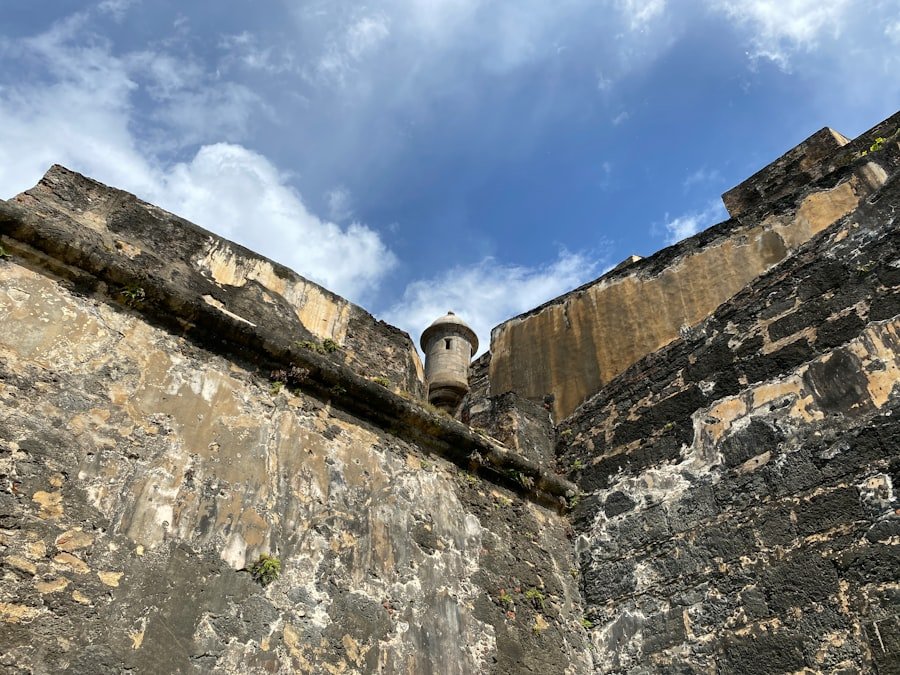
Fort Gaines played an important role in the struggle for Mobile Bay during the Civil War. By 1864, Mobile remained valuable to the Confederacy because ships could still use the port and associated transportation links. Fort Gaines and Fort Morgan guarded the approaches to the bay.
Union forces under Major General Gordon Granger moved against Fort Gaines from the land side in early August 1864. At the same time, Rear Admiral David G. Farragut prepared his naval force to enter Mobile Bay.
On August 5, 1864, Farragut’s fleet passed the defenses at the mouth of the bay. The operation became famous after the ironclad USS Tecumseh struck a naval mine, then commonly called a torpedo, and sank. The remaining Union fleet continued into the bay and defeated or forced the surrender of Confederate naval resistance.
Fort Gaines did not fall at the exact moment Farragut entered Mobile Bay. After Union land and naval pressure, the fort’s commander, Colonel Charles D. Anderson, surrendered on August 8, 1864.
The surrender of Fort Gaines strengthened Union control at the mouth of Mobile Bay, but it was not the final step in the campaign. Fort Morgan continued to resist until August 23. The city of Mobile itself remained in Confederate hands until Union forces occupied it in April 1865.
The National Park Service’s Civil War Along the Gulf Coast history provides additional context for the Mobile Bay campaign and the importance of Forts Gaines and Morgan.
Fort Gaines’ architecture and design
| Aspect | Verified Detail |
| Architectural Type | Mid-19th-century French-influenced masonry coastal fortification |
| Primary Historic Materials | Brick masonry and earth, with later concrete coastal-defense additions |
| Later Design | Five-sided plan comprising roughly two-thirds of a hexagon, designed to cover a broad arc toward the channel |
| Notable Features | Bastions, vaulted passages, rifle ports, cisterns, ventilation systems, gun positions, magazines, and later concrete batteries |
| National Register | Entered in the National Register of Historic Places in 1976 |
The architecture visitors see today is the result of a long and interrupted construction history. French military engineer Baron Simon Bernard originally conceived Fort Gaines and Fort Morgan as companion defenses for the entrance to Mobile Bay.
Work on the Dauphin Island fort began in the early 19th century but stopped in 1821 after funding ended. Construction remained delayed for decades. After Alabama granted clear title to the site in 1853, the fort was named for Edmund Pendleton Gaines, a U.S. Army officer associated with the War of 1812 and later military service.
Construction resumed in 1854 using more modern plans prepared under U.S. Chief Engineer Joseph G. Totten. According to the National Register of Historic Places nomination for Fort Gaines, Totten’s design created a five-sided fort comprising roughly two-thirds of a hexagon and oriented its defenses toward the channel.
The same documentation describes sophisticated brick vaulting as well as integrated water, ventilation, and communication systems. The masonry scarp tapered from about five feet thick at its base to roughly four and a half feet near the top.
Fort Gaines continued to evolve after the Civil War. Concrete batteries associated with a newer era of coastal defense were completed around the turn of the 20th century, giving visitors a chance to compare Civil War-era masonry defenses with later military technology.
How to get to Fort Gaines
Fort Gaines is on the eastern end of Dauphin Island, not the western end. Visitors driving from the Mobile area can reach Dauphin Island via Alabama State Route 193 and then continue east across the island toward the fort.
Driving to Dauphin Island
For many visitors, driving is the simplest option because Dauphin Island is connected to the mainland by road. Once on the island, follow local signs toward the east end and Fort Gaines.
Using the Mobile Bay Ferry
The Mobile Bay Ferry connects Dauphin Island on the west side of Mobile Bay with Mobile Point near Fort Morgan on the east side. The official ferry site describes the crossing as approximately 40 minutes.
The ferry is particularly useful for travelers coming from the Gulf Shores and Fort Morgan side of the bay because it can avoid the much longer road route around Mobile Bay. Vehicles, motorcycles, bicycles, and walk-on passengers can use the service subject to operating conditions and capacity.
The ferry operates on a first-come, first-served basis. Its official pricing page currently lists a $6 per-person fare covering same-day rides, plus vehicle charges such as $15 one way for vehicles, trailers, and RVs under 22 feet. Tickets are purchased in person rather than online in advance.
Note: Ferry schedules can change because of weather, maintenance, seasonal operations, or vessel availability. Check the official Mobile Bay Ferry schedule before building your day around a specific crossing.
Fort Gaines’ impact on the local community
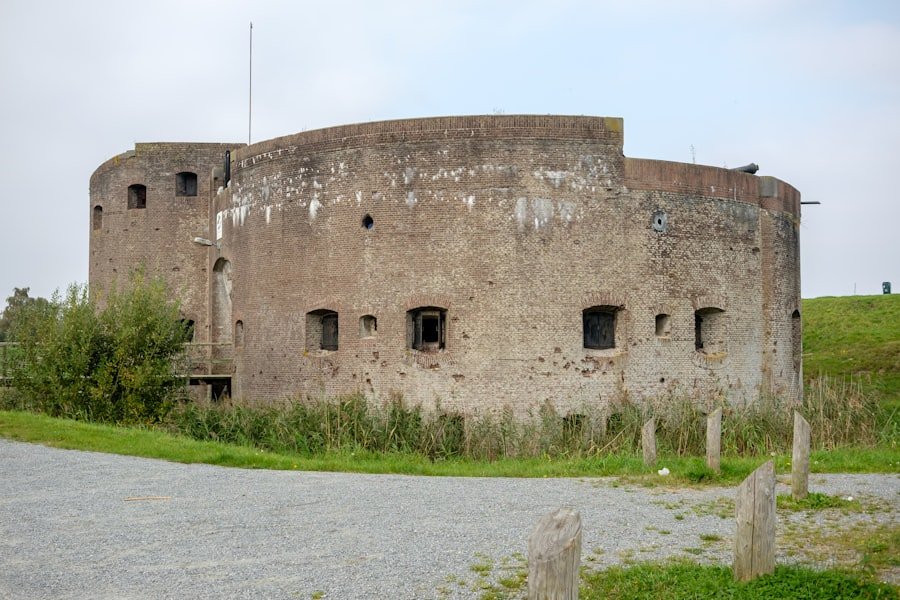
Fort Gaines serves as both a visitor attraction and a place where Dauphin Island’s military and coastal history can be interpreted for new generations. School groups, families, history enthusiasts, and other visitors can use the preserved fort as a physical setting for learning about 19th-century engineering, the Civil War, coastal defense, and daily military life.
The Dauphin Island Park & Beach Board also emphasizes preservation. Maintaining an exposed coastal masonry fort requires continuing repair and conservation, including work on brickwork and other historic features.
Preservation is especially important because Fort Gaines has faced threats from shoreline erosion and storm exposure. The National Trust for Historic Preservation included Fort Gaines on its America’s 11 Most Endangered Historic Places list, drawing national attention to the site’s vulnerability.
Tourism associated with the fort also brings visitors to the eastern end of Dauphin Island, where many people combine a history-focused stop with the island’s other educational, natural, and coastal attractions.
Fort Gaines’ events and activities
Fort Gaines hosts living-history activities and special programs at different times, but visitors should not assume that a particular reenactment, ghost tour, lantern walk, cannon demonstration, or other program will be offered on their travel dates.
The fort’s guided group programs may include period-uniform interpretation, cannon-firing demonstrations, and blacksmithing. Special public events can also appear on the calendar during the year. Because schedules change, check the official Fort Gaines or Town of Dauphin Island information shortly before visiting.
This approach is especially important if a special event is the main reason for your trip. Regular admission gives you access to the historic site, but it does not guarantee that a live demonstration or reenactment will take place during your visit.
Tips for visiting Fort Gaines
Wear shoes suitable for historic terrain
Fort Gaines is a 19th-century military structure rather than a modern museum building. Expect brick surfaces, ramps, tunnels, changes in level, stairs, and other uneven areas. Comfortable closed-toe walking shoes can make exploring much easier.
Prepare for Alabama’s coastal weather
Part of the visit is outdoors, so heat, humidity, sun, wind, and sudden rain can affect your experience. Water, sunscreen, lightweight clothing, and weather protection are especially useful during warmer months.
Warning: Historic stairs, elevated gun positions, tunnels, and uneven surfaces require extra care, especially with young children or anyone with limited mobility. Visitors who need a specific accessible route should confirm current access conditions with the fort before arriving.
Do not rely on sunrise or sunset access
Although the coastal setting can be beautiful in low light, normal posted hours are 9 AM to 5 PM. Do not plan an inside-the-fort sunrise or sunset photography session unless an officially scheduled event specifically provides extended access.
Read the interpretation instead of rushing through
Fort Gaines makes much more sense when you understand what the bastions, magazines, gun platforms, cisterns, passages, and later concrete batteries were designed to do. The self-guided iTour can help turn what might otherwise look like a collection of brick rooms and tunnels into a connected military site.
Look across the bay toward Fort Morgan
Seeing Fort Morgan across the entrance to Mobile Bay helps explain the larger defensive system. The two forts were designed as companion positions controlling different approaches to the bay, but they are separate historic sites.
Combine Fort Gaines with other Dauphin Island attractions
If you have more time on Dauphin Island, Fort Gaines can be one part of a broader day focused on coastal history, wildlife, beaches, and marine education. Planning several nearby stops can make the drive or ferry crossing more worthwhile while keeping the day centered on attractions that actually relate to Dauphin Island.
Fort Gaines remains compelling because its history is visible in the structure itself. The Civil War story is important, but the site also shows how American coastal defense changed across the 19th and early 20th centuries. Taking time to examine the architecture, read the interpretation, and understand its relationship with Mobile Bay makes the visit far more rewarding than simply walking through the grounds.
Frequently Asked Questions
What is Fort Gaines?
Fort Gaines is a historic coastal fort on the eastern tip of Dauphin Island, Alabama. It was developed to help defend the entrance to Mobile Bay and is especially known for its role in the 1864 Battle of Mobile Bay.
What was the purpose of Fort Gaines?
Fort Gaines was positioned to help defend approaches to Mobile Bay. Together with Fort Morgan across the bay, it formed part of a coastal-defense system intended to protect shipping routes, the bay, and Mobile from hostile naval forces.
When was Fort Gaines built?
Fort Gaines had a long, interrupted construction history. Early work stopped in 1821. After decades of delays, construction resumed in 1854 under updated plans associated with U.S. Chief Engineer Joseph G. Totten, and the fort was largely completed during the Civil War.
Is Fort Gaines open to the public?
Yes. The Town of Dauphin Island currently lists normal operating hours of 9 AM to 5 PM. Holiday closures and special-event schedules can change, so check the official Fort Gaines information before traveling.
How much does it cost to visit Fort Gaines?
The Town of Dauphin Island currently lists admission at $10 for visitors ages 13 and older and $5 for children ages 5–12. Group rates are also available. Prices can change, so verify the current rate before your trip.
Is Fort Gaines self-guided or guided?
Independent visitors can explore the fort at their own pace and use the official iTour with marked stops, audio, text, and images. The fort also advertises guided programs for groups of at least 15 people with advance arrangements.
How long should I spend at Fort Gaines?
About 1.5 to 2 hours is a useful planning estimate for an unhurried self-guided visit with time for exhibits, tunnels, architecture, and photographs. Visitors who read every display or attend a program may spend longer.
What can visitors see at Fort Gaines?
Visitors can explore historic cannons, bastions, vaulted brick passages, tunnels, magazines, gun positions, kitchens, a blacksmith shop, museum exhibits, historic building areas, later coastal-defense features, and views across Mobile Bay.
Can I take the ferry to Fort Gaines?
Yes. The Mobile Bay Ferry connects Mobile Point near Fort Morgan with Dauphin Island. The crossing takes about 40 minutes under normal conditions. The ferry operates first come, first served, and schedules may change because of weather, maintenance, or seasonal operations.
Is Fort Gaines part of Fort Morgan?
No. Fort Gaines and Fort Morgan are separate historic forts on opposite sides of the entrance to Mobile Bay. They were companion defensive positions and both played important roles in the 1864 Mobile Bay campaign.
Is Fort Gaines easy to explore with children?
Families can enjoy the fort, especially children interested in cannons, tunnels, military history, and old buildings. Adults should supervise children closely around stairs, elevated areas, brick surfaces, tunnels, and other uneven parts of the historic structure.
Is Fort Gaines wheelchair accessible?
Fort Gaines is a historic military structure with ramps, stairs, tunnels, changes in level, and uneven surfaces, so access to every area may be difficult for some visitors. Travelers who need an accessible route should confirm current accessibility information with the fort before visiting.
Sources
- Town of Dauphin Island: Fort Gaines — current posted hours, admission, holiday closures, location, and visitor information.
- Historic Fort Gaines official website — site features, group tours, interpretation, and visitor information.
- Fort Gaines iTour — self-guided tour stops and descriptions of historic features inside the fort.
- National Park Service: Fort Gaines National Register nomination — construction chronology, architecture, designers, Civil War surrender, later batteries, and National Register documentation.
- National Park Service: Civil War Along the Gulf Coast — Battle of Mobile Bay context and 1864 campaign chronology.
- Mobile Bay Ferry — ferry route, crossing information, operations, pricing, and schedule guidance.