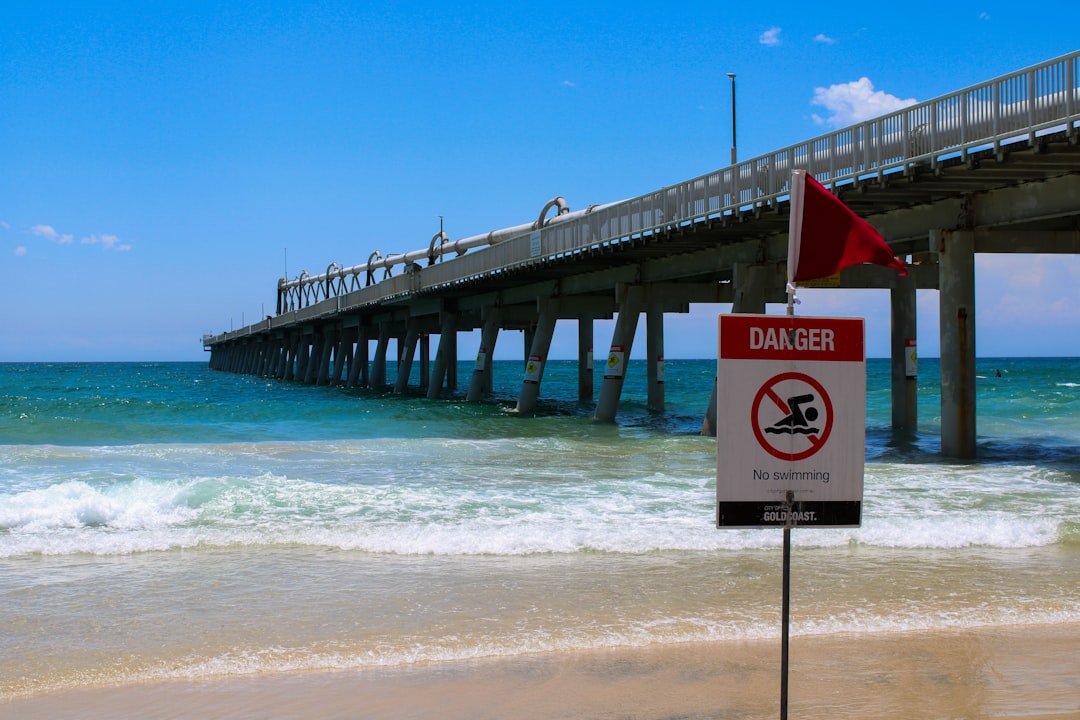
Alabama’s Gulf beaches are beautiful, but Gulf conditions can change quickly. The beach flag warning system gives you a simple way to understand surf, current, marine-life, and closure hazards before entering the water. Knowing what each flag means is especially important in Gulf Shores, Orange Beach, and Gulf State Park, where local beach patrols monitor conditions throughout the day.
Quick Answer
On Alabama’s Gulf Coast, check beach flags every time before entering the water. Yellow means medium hazard, red means high hazard, purple warns of marine pests or dangerous marine life, and double red means the water is closed. In Gulf Shores and Orange Beach, entering the Gulf under double-red flags is illegal.
Key Takeaways
- Check the beach flag every day because surf and current conditions can change.
- Yellow means medium hazard, red means high hazard, purple warns of marine life, and double red closes the water.
- A single red flag is different from double red. Double red means do not enter the Gulf.
- A low rip-current forecast or the absence of a warning flag does not guarantee safe swimming.
- Beach-warning flags and Alabama’s bacterial water-quality advisories are separate safety systems, so check both when needed.
Importance of the Beach Flag Warning System in Alabama
Alabama’s Gulf Coast has changing waves, currents, weather, and marine life. A beach that looks calm from shore can still contain a dangerous rip current. Warning flags give beachgoers a quick visual signal about current hazards and help local beach patrols communicate with large numbers of visitors.
The system is especially useful because swimming in the Gulf is different from swimming in a pool. Currents can move you away from shore, breaking waves can become stronger during changing weather, and marine organisms such as jellyfish may be present.
Flags should be treated as one part of your safety check rather than a guarantee. The City of Gulf Shores specifically warns that the absence of beach flags does not mean swimming conditions are safe.
Warning: Never enter the Gulf when double-red flags are flying. The water is closed to the public. Within Gulf Shores and Orange Beach city limits, entering the Gulf under two red flags is illegal.
How the Beach Flag Warning System Works
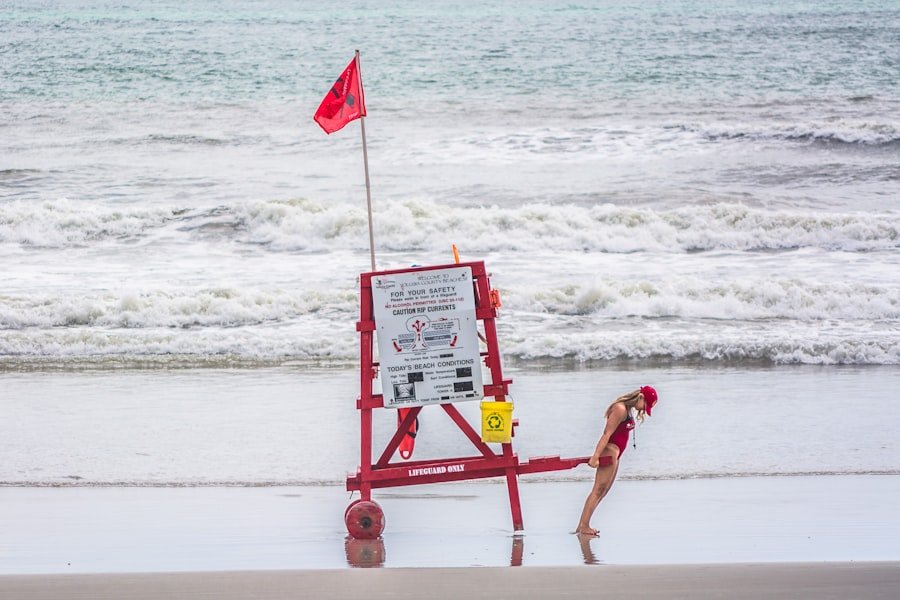
Beach-warning flags are displayed at public beach areas so you can see the current hazard level before entering the Gulf. According to current Gulf Shores and Orange Beach guidance, conditions are monitored throughout the day and flags may change when conditions change.
The flags focus on hazards such as surf, currents, marine life, and water closures. Daily beach reports may also provide information such as Gulf temperature, wind, tides, weather, and the National Weather Service rip-current forecast, but those details should not be confused with the flag’s specific meaning.
In Gulf Shores, beach flags are posted at public beach areas and lifeguard towers. Gulf Shores and Orange Beach also provide online reports, phone lines, and text alerts so you can check conditions before leaving your hotel, condo, or home.
The Different Types of Beach Flags and Their Meanings
The regular warning colors you are most likely to encounter on the Gulf Shores and Orange Beach public-facing system are yellow, purple, red, and double red.
| Flag | Meaning | What You Should Do |
| Yellow | Medium hazard with moderate surf and/or currents. | Use extra caution. Weak or inexperienced swimmers should consider staying out of the Gulf. |
| Purple | Marine pests or potentially hazardous marine life are present. | Exercise caution and follow lifeguard instructions. |
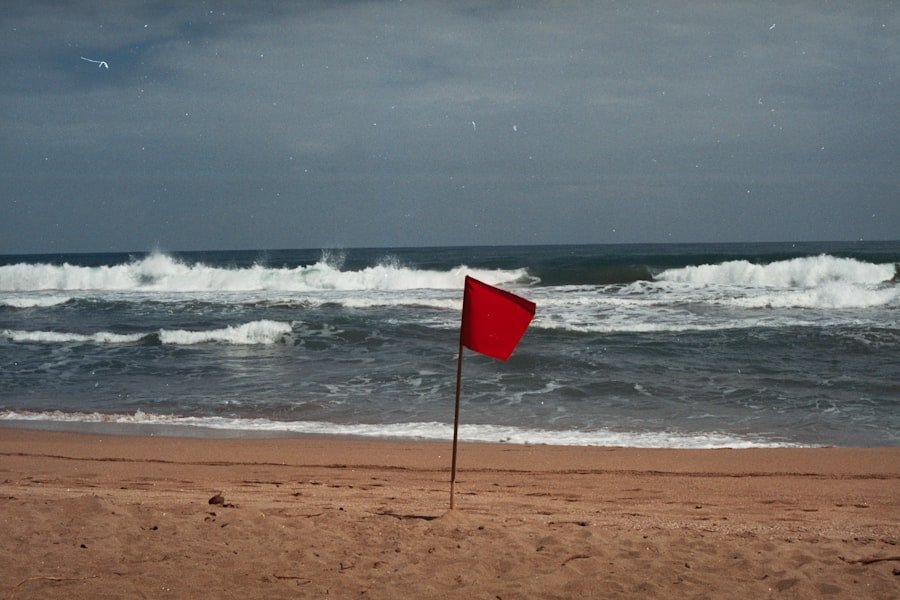
| Red | High hazard with strong surf and/or currents. | Swimming is strongly discouraged. Follow beach-patrol directions. |
| Double Red | Water closed to the public. | Do not enter the Gulf. Entry is illegal within the corporate limits of Gulf Shores and Orange Beach when two red flags are displayed. |
What About a Green Flag?
Some beach-warning systems use a green flag for low-hazard or relatively calm conditions. However, the Alabama Department of Public Health explains that the International Life Saving Federation does not include green in its standard guidelines because green can give swimmers the false impression that ocean conditions are completely safe.
For that reason, never treat a green flag, a low rip-current forecast, or an absence of warning flags as permission to stop paying attention. Conditions can still change, and localized currents can occur.
Other Recognized Beach Flags
The broader United States Lifesaving Association system includes additional flags that may be used at beaches for purposes other than the regular Alabama Gulf Coast hazard level:
- Red over yellow: Identifies an area supervised by qualified lifeguards or a designated swimming zone.
- Quartered red and white: Signals an emergency evacuation from the water.
- Quartered black and white: Identifies an area for surfboards and other non-powered watercraft.
- Yellow with a central black ball: Indicates that surfboards and other non-powered watercraft are prohibited.
- Orange windsock: Warns about offshore wind direction and conditions that may make inflatable objects unsafe.
Note: A blue flag should not be used as the dangerous-marine-life warning in an Alabama flag guide. Purple is the relevant marine-life warning color in the Alabama and USLA guidance described above.
How to Check Current Alabama Beach Conditions
Do not rely on yesterday’s flag or on how the Gulf looks from your balcony. Check the conditions again on the day you plan to swim.
- Look at the posted flags: Check the public beach access or lifeguard tower when you arrive.
- Get text alerts: Text ALBEACHES to 888777 for daily beach conditions and warning-flag status.
- Gulf Shores: Call 251-968-SURF (7873) or check the City’s beach-safety information.
- Orange Beach: Call 251-981-SURF (7873) or visit the Orange Beach safety report.
- Check the National Weather Service: Review the Mobile/Pensacola beach and rip-current forecast.
Pro Tip: Check the flag before leaving for the beach and check it again after you arrive. Conditions are monitored throughout the day, so the warning level can change during your visit.
Rip Currents: What the Flags Cannot Tell You Alone
Rip currents are narrow flows of water moving away from shore through the surf zone. They can occur at beaches with breaking waves and often develop near gaps in sandbars, piers, jetties, and similar structures.
The National Weather Service uses low, moderate, and high rip-current risk categories. A low forecast does not mean zero risk. The NWS notes that dangerous rip currents can still occur, especially around structures such as groins, jetties, reefs, and piers.
A calm-looking section of water is not always the safest place to swim. Some rip currents appear as darker gaps between areas of breaking waves.
What to Do if You Are Caught in a Rip Current
- Stay calm and conserve your energy.
- Do not exhaust yourself trying to swim directly against the current.
- If possible, swim parallel to the shoreline to move out of the current.
- Once free of the current, swim at an angle back toward shore.
- If you cannot swim out, float or tread water until the current weakens.
- Face the shore, wave, and call for help if you cannot return safely.
- If another person is caught, alert a lifeguard or call 911. Do not become a second victim by entering dangerous water without proper rescue training or equipment.
Beach Flags and Water-Quality Advisories Are Different
A surf-warning flag does not tell you everything about water quality. Alabama also operates a coastal recreational-water monitoring program through the Alabama Department of Environmental Management and Alabama Department of Public Health.
The ADEM/ADPH Coastal Alabama Beach Monitoring Program samples high-use and higher-risk recreational sites and publishes water-quality information. These tests focus on indicator bacteria and can lead to swimming advisories when results exceed the applicable threshold.
This means a beach can have relatively manageable surf conditions while a separate water-quality advisory deserves your attention. Before swimming, especially after unusual weather or when an advisory has been announced, check both the local beach conditions and the state’s coastal water-quality information.
The Impact of the Beach Flag Warning System on Public Safety
The strongest value of the flag system is clear communication. You do not need to understand oceanography to recognize that a red flag signals a serious hazard or that double red means the water is closed.
Flags also help lifeguards and beach patrol personnel communicate the same basic warning to many people at once. That visual warning is especially useful on crowded beaches, where conditions can affect thousands of visitors over the course of a day.
However, flags cannot replace good judgment. Pay attention to lifeguards, weather alerts, thunderstorms, changing surf, children in your group, and your own swimming ability. Never swim alone, and avoid entering the Gulf if conditions exceed your experience or comfort level.
Community Response to the Beach Flag Warning System
Beach safety information is now available through several channels rather than flags alone. Gulf Shores and Orange Beach publish beach-condition information online, maintain beach-patrol programs, provide condition hotlines, and support daily text alerts.
Public beach accesses in Gulf Shores and Orange Beach also use lifeguard towers and patrols seasonally. Lifeguard staffing can vary by season and location, so you should never assume that a lifeguard will be present simply because you are at a public beach.
This combination of flags, patrols, online reports, forecasts, and text notifications gives visitors several ways to check conditions before making a swimming decision.
Future Developments and Improvements to the Beach Flag Warning System
Beach-safety communication can continue to improve as digital tools become easier to use. Text alerts and online beach reports already allow visitors to check conditions without being physically close to a flagpole.
Future improvements could make safety information even easier to understand by combining local flag status, rip-current forecasts, weather alerts, and water-quality advisories in simple mobile-friendly formats. Multilingual safety information could also help international visitors understand warning colors and emergency instructions.
Any new technology should support, rather than replace, the basic warning system. A physical flag remains useful because it can communicate a hazard immediately to people already on the beach, including visitors who have not checked an app or website.
The Ongoing Efforts to Enhance Beach Safety in Alabama
The Alabama beach flag warning system works best when you treat it as one layer of a larger safety routine. Check the flag, review the weather and rip-current forecast, follow lifeguard directions, and look for water-quality advisories when appropriate.
Families should keep children within close reach around the surf, even when conditions appear mild. Weak swimmers should be especially conservative on yellow or worse conditions, and nobody should enter the Gulf when double-red flags close the water.
If you are planning a full beach day or picnic, bring drinking water, sun protection, and enough food for your group. Heat, dehydration, sunburn, and thunderstorms can become safety concerns even when Gulf conditions are relatively calm.
The most important habit is simple: check conditions every time you visit. Yesterday’s flag, last morning’s forecast, or a calm view from shore cannot tell you exactly what conditions are like now.
Frequently Asked Questions
What is the beach flag warning system in Alabama?
It is a color-coded safety system used at Alabama Gulf Coast beaches to communicate hazards such as moderate or high surf and currents, marine life, and water closures. Gulf Shores, Orange Beach, and Gulf State Park public beaches use warning flags and publish current beach-condition information.
What do the main Alabama beach flag colors mean?
Yellow means medium hazard with moderate surf or currents. Red means high hazard with strong surf or currents. Purple warns of marine pests or potentially hazardous marine life. Double red means the water is closed to the public.
Does a green beach flag mean the Gulf is completely safe?
No. Some beach systems use green to describe low-hazard or calm conditions, but it should never be treated as a guarantee of safety. The International Life Saving Federation does not include green in its standard guidance because some hazard is always possible in open water.
Does a purple flag specifically mean there is a shark?
No. Purple warns about marine pests or potentially hazardous marine life and can be used for concerns such as jellyfish or stingrays. Alabama Department of Public Health guidance says the purple flag is not intended specifically as a shark warning. Follow lifeguard or beach-patrol instructions if a specific marine-life threat is reported.
What is the difference between a red flag and double-red flags?
A single red flag means high-hazard surf or currents and swimmers are discouraged from entering. Double-red flags mean the water is closed to the public. Entering the Gulf under double-red flags is illegal within Gulf Shores and Orange Beach city limits. Gulf Shores also warns that violations can result in a fine and possible arrest.
How can I check today’s beach flag in Gulf Shores or Orange Beach?
Check the posted flags when you arrive. You can also text ALBEACHES to 888777 for daily conditions. For Gulf Shores conditions, call 251-968-SURF (7873). For Orange Beach, call 251-981-SURF (7873). Official city beach-safety pages and the National Weather Service also provide current information.
What should I do if I get caught in a rip current?
Stay calm and avoid exhausting yourself by fighting directly against the current. Swim parallel to shore when possible to move out of the current, then head back toward the beach at an angle. If you cannot escape, float or tread water and wave or call for help.
Are beach flags the same as Alabama water-quality advisories?
No. Beach flags primarily communicate surf, current, marine-life, and closure hazards. Alabama’s ADEM/ADPH Coastal Alabama Beach Monitoring Program separately tests recreational coastal water for indicator bacteria and publishes water-quality advisory information.
Sources
- City of Gulf Shores Beach Safety — official beach flags, double-red restrictions, current-condition methods, and rip-current information.
- City of Orange Beach Beach Safety — current beach conditions, flag meanings, and local safety information.
- Alabama Department of Public Health: Beach Flag Warning System — recognized flag definitions and green-flag guidance.
- National Weather Service Mobile/Pensacola Beach Forecast — official rip-current risk levels and rip-current safety guidance.
- ADEM/ADPH Coastal Alabama Beach Monitoring Program — Alabama recreational coastal water-quality monitoring and advisory information.