Muscle Shoals, Alabama, became one of the most influential recording centers in American music despite being far from the major record-industry hubs of New York, Los Angeles, Nashville, and Memphis. From the early 1960s onward, musicians, producers, songwriters, and singers working across the Shoals region created recordings that blended Southern soul, R&B, gospel, country, pop, and rock into a sound recognized around the world.
Quick Answer
A Muscle Shoals music history tour usually centers on FAME Recording Studios in Muscle Shoals and Muscle Shoals Sound Studio in nearby Sheffield. Visitors can tour both historic working studios, add the Alabama Music Hall of Fame in Tuscumbia, or take the separate Shoals Music Tour bus experience through the wider region.
Key Takeaways
- FAME began in Florence in 1959 and later moved to Muscle Shoals, where Rick Hall helped develop a major center for Southern soul and popular music.
- The core Muscle Shoals Rhythm Section, known as the Swampers, was Barry Beckett, Roger Hawkins, David Hood, and Jimmy Johnson.
- The four musicians left FAME in 1969 and opened Muscle Shoals Sound Studio at 3614 Jackson Highway in Sheffield.
- Aretha Franklin, Wilson Pickett, Etta James, the Rolling Stones, Paul Simon, the Staple Singers, Bob Seger, and many other major artists are connected to recordings made in the Shoals.
- There is no single universal “Muscle Shoals tour.” FAME, Muscle Shoals Sound Studio, the Alabama Music Hall of Fame, and the Shoals Music Tour offer different experiences.
How Muscle Shoals Became a Music Center
The story is bigger than the city of Muscle Shoals itself. Northwest Alabama’s closely connected communities of Muscle Shoals, Florence, Sheffield, and Tuscumbia are commonly called the Shoals. Important recordings were made throughout this area, so a music-history trip often crosses several city limits.
Note: Muscle Shoals Sound Studio is actually located in Sheffield, Alabama. Its name refers to the regional Muscle Shoals recording sound rather than the city limits.
One of the early breakthroughs came from singer-songwriter Arthur Alexander. Rick Hall produced Alexander’s “You Better Move On” in the early 1960s, helping establish the Shoals as a place capable of producing nationally and internationally successful records. The song was later covered by the Rolling Stones.
The region’s musicians grew up around gospel, country, blues, R&B, and Southern popular music. Instead of keeping those styles separate, session players and producers borrowed rhythms, chord voicings, vocal approaches, and arrangements from each of them. The result was not one rigid formula. It was a recognizable feel built around strong rhythm sections, emotional vocals, economical arrangements, and close collaboration inside the studio.
The area’s recording history also developed during the civil-rights era in Alabama. Black singers and songwriters often worked with white session musicians in studios at a time when segregation and racial inequality remained part of everyday Southern life. Those interracial musical collaborations were historically important, but they should not be romanticized as though the music industry or the surrounding society had become equal.
FAME Recording Studios: Where the Story Took Off
Florence Alabama Music Enterprises, or FAME, was founded in Florence in 1959 by Rick Hall, Billy Sherrill, and Tom Stafford. Hall became sole owner in 1960 and moved the operation into Muscle Shoals. The studio later settled at its long-standing location on East Avalon Avenue.
FAME became one of the central studios associated with the Muscle Shoals sound. Its house musicians changed over time, but the studio developed a reputation for rhythm-driven Southern soul recordings that attracted performers from outside Alabama.
Wilson Pickett recorded songs including “Land of 1000 Dances,” “Mustang Sally,” and “Funky Broadway” at FAME. Aretha Franklin’s 1967 session there produced “I Never Loved a Man (The Way I Love You),” an important early recording in her Atlantic Records period. Etta James, Clarence Carter, Little Richard, Otis Redding, Duane Allman, and many other musicians also became part of FAME’s history.
The importance of FAME was not simply that famous singers entered the building. Its producers, songwriters, engineers, and session musicians helped turn those visits into recordings that carried the Muscle Shoals name around the world.
FAME remains a working recording studio as well as a visitor attraction, so the building is not frozen as a museum piece. Modern recording sessions continue alongside its historical tours.
The Muscle Shoals Sound: A Style Built From Several Traditions

The Muscle Shoals sound is often described through Southern soul and R&B, but its musicians pulled from a wider musical vocabulary. Gospel phrasing could sit beside country-style guitar, blues harmony, pop song structure, rock energy, and tightly controlled studio rhythm.
That flexibility was one reason the area’s musicians could move between artists and genres. A rhythm section might support a gospel-rooted soul singer during one session and work with a rock, pop, country, or singer-songwriter act during another.
Aretha Franklin’s “I Never Loved a Man (The Way I Love You)” is one of the best-known recordings associated with FAME. Wilson Pickett’s FAME sessions helped produce several soul standards. After the Swampers opened their own studio, artists such as the Rolling Stones, the Staple Singers, Paul Simon, Bob Seger, and others used the Muscle Shoals Sound Studio musicians and facilities.
FAME and Muscle Shoals Sound Studio Are Not the Same Place
This distinction is essential when planning a Muscle Shoals music history tour. FAME Recording Studios is in Muscle Shoals at 603 East Avalon Avenue. Muscle Shoals Sound Studio was created later by four musicians who left FAME and opened their own operation at 3614 Jackson Highway in Sheffield.
Both locations are historically important, but they have different founders, buildings, recording catalogs, and stories.
The Swampers: The Core Muscle Shoals Rhythm Section
| Musician | Instrument / Role | Historical Role |
|---|---|---|
| Barry Beckett | Keyboards | Core founding member of the Muscle Shoals Rhythm Section and Muscle Shoals Sound Studio. |
| Roger Hawkins | Drums | Core founding member; also played drums on Percy Sledge’s “When a Man Loves a Woman.” |
| David Hood | Bass | Core founding member of the Muscle Shoals Rhythm Section and Muscle Shoals Sound Studio. |
| Jimmy Johnson | Rhythm guitar / engineer / producer | Core founding member who also engineered and produced important Shoals recordings. |
| Pete Carr | Lead and session guitar | Important later Muscle Shoals session guitarist associated with the MSSS house-band environment, but not one of the four founding Swampers. |
The four musicians recognized as the core Muscle Shoals Rhythm Section, Barry Beckett, Roger Hawkins, David Hood, and Jimmy Johnson, worked together in various combinations at Rick Hall’s FAME operation before becoming independent.
In 1969, they left FAME and established Muscle Shoals Sound Studio at 3614 Jackson Highway in Sheffield. Atlantic Records executive and producer Jerry Wexler helped the new business get started by supporting equipment financing and continuing to send work to the musicians.
Their new studio quickly developed its own major recording history. R.B. Greaves’ “Take a Letter, Maria” became an early commercial success. The Rolling Stones then recorded at 3614 Jackson Highway, cutting “Brown Sugar,” “Wild Horses,” and “You Gotta Move” during their 1969 sessions.
Through the 1970s, musicians associated with Muscle Shoals Sound worked with performers including the Staple Singers, Paul Simon, Bob Seger, Willie Nelson, Rod Stewart, Traffic, Dr. Hook, and many more. Lynyrd Skynyrd later made the nickname “the Swampers” famous to millions of listeners through “Sweet Home Alabama.”
Correction: Van Morrison’s “Brown Eyed Girl” is sometimes mistakenly included in lists of Swampers recordings. It was recorded at A&R Studios in New York City, not in Muscle Shoals. Rhino’s recording history confirms the New York session.
The Impact of Muscle Shoals on American Music
The importance of Muscle Shoals comes from more than a list of famous artists. The region demonstrated how a relatively small network of producers, songwriters, engineers, and studio players could shape recordings heard around the world.
The musicians were especially effective at adapting to the artist in front of them. Instead of forcing every singer into one fixed studio formula, they could simplify an arrangement, deepen a groove, add gospel feeling, lean toward country, or give a song more rock energy while keeping the performance focused.
The resulting catalog crosses genre lines. Southern soul is central to the story, but the Shoals became important to rock, pop, country, singer-songwriter music, and other styles as artists continued arriving from the United States and abroad.
The Rolling Stones, Paul Simon, Bob Seger, the Staple Singers, Bob Dylan, Lynyrd Skynyrd, and many others helped carry the reputation of the Shoals beyond Alabama. At the same time, local writers, engineers, and musicians remained the foundation that made those visiting sessions possible.
Readers exploring the wider history of classic rock can also see Rock Legend Ozzy Osbourne Passes Away.
The Muscle Shoals Music Trail: A Tourist’s Guide
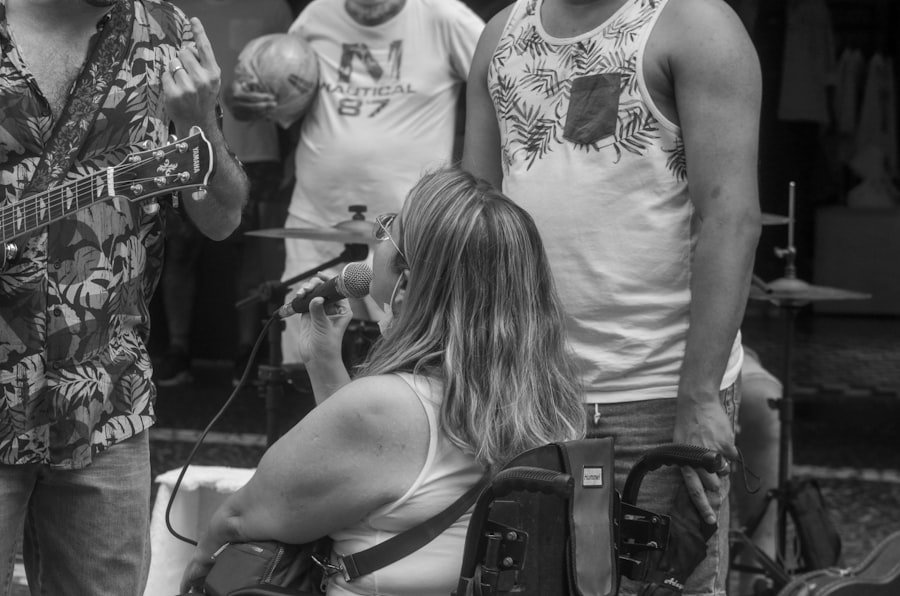
You do not have to follow one fixed route to experience Muscle Shoals music history. The main attractions are spread across the Shoals, and several different tour products are available. The information below was checked against official sources on August 17, 2026. Because the studios remain active and schedules can change, confirm times before traveling.
FAME Recording Studios
FAME is at 603 East Avalon Avenue, Muscle Shoals. Its current official tour page lists a Standard Tour lasting approximately one hour.
- Standard Tour: $20.
- Monday-Friday: 9:00 a.m. and 4:00 p.m.
- Saturday: 10:00 a.m., noon, and 2:00 p.m.
- Backstage Tour: $40 and includes additional areas and exhibits.
FAME states that staff can accommodate disabled visitors on the Standard Tour. The Backstage experience is not wheelchair accessible.
Muscle Shoals Sound Studio at 3614 Jackson Highway
The restored original studio is at 3614 Jackson Highway in Sheffield. It remains both a historic attraction and a functioning recording studio.
According to the official visitor page, current admission is $25 for adults, $22.50 for seniors, $12 for children, and free for children age five and under. Listed tours begin at 10:30 a.m., 11:30 a.m., 12:30 p.m., 1:30 p.m., 2:30 p.m., and 3:30 p.m.
The studio’s FAQ says a tour takes roughly 45 minutes. The front entrance and restrooms are wheelchair accessible, although the basement is reached by outdoor stairs.
Alabama Music Hall of Fame
The Alabama Music Hall of Fame in nearby Tuscumbia broadens the trip beyond the two studios. Its exhibits cover musicians and music professionals from across Alabama.
As of August 17, 2026, the museum lists adult admission at $15, senior admission at $12, student admission for ages 13-18 at $10, children ages 6-12 at $8, and children five and under free. It is normally open Tuesday through Friday from 10:00 a.m. to 5:00 p.m. and Saturday from 10:00 a.m. to 4:00 p.m.
The Shoals Music Tour Bus Experience
Visitors who prefer an organized overview can take The Shoals Music Tour offered through Visit Florence.
The current tour departs at 9:00 a.m. on Wednesday and Friday and runs approximately 2 hours 30 minutes. The listed price is $37 for adults and $30 for children ages 10-17 and seniors age 65 and older.
This bus tour is not the same as buying a guided interior tour at FAME or Muscle Shoals Sound Studio. Visit Florence states that the bus itinerary stops at the gift shops at both studios rather than including their full interior tours. Bus-tour customers may currently receive discounted admission to the studio attractions afterward by presenting their ticket.
Pro Tip: If the historic recording rooms are your main reason for visiting, book the studio tours themselves rather than assuming a general regional sightseeing tour includes admission. FAME and Muscle Shoals Sound Studio are working facilities, so verify the day’s schedule before you leave.
Planning a Full Music-History Day
A full day gives you the best chance to understand the story in context. You can combine FAME with Muscle Shoals Sound Studio and the Alabama Music Hall of Fame, choosing tour times that do not overlap. This also lets you see why the term “Muscle Shoals music” refers to a regional recording culture rather than one studio or one city.
If you have limited time, choose between the two historic studios based on what interests you most. FAME provides the earlier Rick Hall and Southern soul story, while 3614 Jackson Highway focuses on the Swampers’ independent studio and its major 1970s recordings.
The Muscle Shoals Documentary: Exploring the Music Scene
The 2013 documentary Muscle Shoals, directed by Greg “Freddy” Camalier, introduced the region’s music history to a large new audience. The Sundance Institute describes the film as a history of the Muscle Shoals sound and the session musicians known as the Swampers.
The documentary features musicians and industry figures connected to the story, including Aretha Franklin, Mick Jagger, Etta James, Bono, Rick Hall, and members of the Muscle Shoals Rhythm Section.
One of the film’s strengths is that it shows the Muscle Shoals story from several angles. FAME, Rick Hall, the session players, Muscle Shoals Sound Studio, visiting performers, and the region itself all contributed to the music. That broader view is useful for visitors because many important sites lie outside the city of Muscle Shoals.
The Future of Muscle Shoals Music
Muscle Shoals is not important only because of recordings made in the 1960s and 1970s. FAME continues to function as a recording studio, and Muscle Shoals Sound Studio also accepts recording projects around its public-tour schedule.
The original 3614 Jackson Highway building was purchased by the Muscle Shoals Music Foundation in 2013 and restored before reopening in 2017. The nonprofit now uses revenue from tours, merchandise, and recording activity to help preserve the studio and support its mission.
That combination of preservation and active recording gives visitors something unusual. These are historic rooms, but musicians still make records in them. The equipment and business have evolved, yet the appeal remains closely tied to the collaborative studio culture that made the Shoals famous.
Frequently Asked Questions
What is a Muscle Shoals music history tour?
The term can describe several different experiences. Visitors can tour FAME Recording Studios, tour the original Muscle Shoals Sound Studio at 3614 Jackson Highway, visit the Alabama Music Hall of Fame, take the organized Shoals Music Tour bus experience, or combine several of these attractions.
What can visitors see on a Muscle Shoals music trip?
The major sites include FAME Recording Studios in Muscle Shoals, Muscle Shoals Sound Studio in Sheffield, and the Alabama Music Hall of Fame in Tuscumbia. A regional bus tour also points out additional music-history locations around the Shoals.
Which famous artists recorded in the Muscle Shoals area?
Artists connected to Shoals-area recording sessions include Aretha Franklin, Wilson Pickett, Etta James, the Rolling Stones, the Staple Singers, Paul Simon, Bob Seger, Bob Dylan, Rod Stewart, Willie Nelson, and many others. Different artists recorded at different studios, so not every famous Muscle Shoals recording came from the same building.
Why is Muscle Shoals important in music history?
The Shoals developed a highly influential recording culture built around producers, songwriters, engineers, and session musicians who blended Southern soul, R&B, gospel, country, pop, blues, and rock influences. Their work appeared on recordings by major American and international artists.
How long does a Muscle Shoals music tour take?
There is no single duration. As of August 17, 2026, FAME’s Standard Tour is approximately one hour, the Muscle Shoals Sound Studio tour is roughly 45 minutes, and the separate Shoals Music Tour bus experience lasts about 2 hours 30 minutes. Visiting several attractions can easily fill most of a day.
Is Muscle Shoals Sound Studio actually in Muscle Shoals?
No. The historic studio at 3614 Jackson Highway is in Sheffield, Alabama. The name Muscle Shoals Sound refers to the regional recording identity associated with the wider Shoals area.
Are FAME and Muscle Shoals Sound Studio the same studio?
No. FAME is the older studio associated with Rick Hall. Barry Beckett, Roger Hawkins, David Hood, and Jimmy Johnson later left FAME and opened Muscle Shoals Sound Studio in Sheffield in 1969.
Do I need to book Muscle Shoals studio tours in advance?
Advance booking is a good idea, especially when you have a fixed travel schedule. Both major studios are active recording facilities, and operating times can be affected by sessions, holidays, or special events. Check the official tour pages shortly before visiting.
Sources
- FAME Recording Studios: Our History — founding history, Rick Hall, Arthur Alexander, FAME sessions, and studio development.
- FAME Recording Studios: Tours — current tour lengths, prices, schedules, location, and accessibility information.
- Muscle Shoals Sound Studio: History — the Swampers, 3614 Jackson Highway, Rolling Stones sessions, restoration, and modern operation.
- Muscle Shoals Sound Studio: Plan Your Visit — current admission prices and tour times.
- Alabama Music Hall of Fame: Muscle Shoals Rhythm Section — core Swampers membership and recording history.
- Visit Florence: The Shoals Music Tour — current regional bus-tour itinerary, duration, schedule, and pricing.