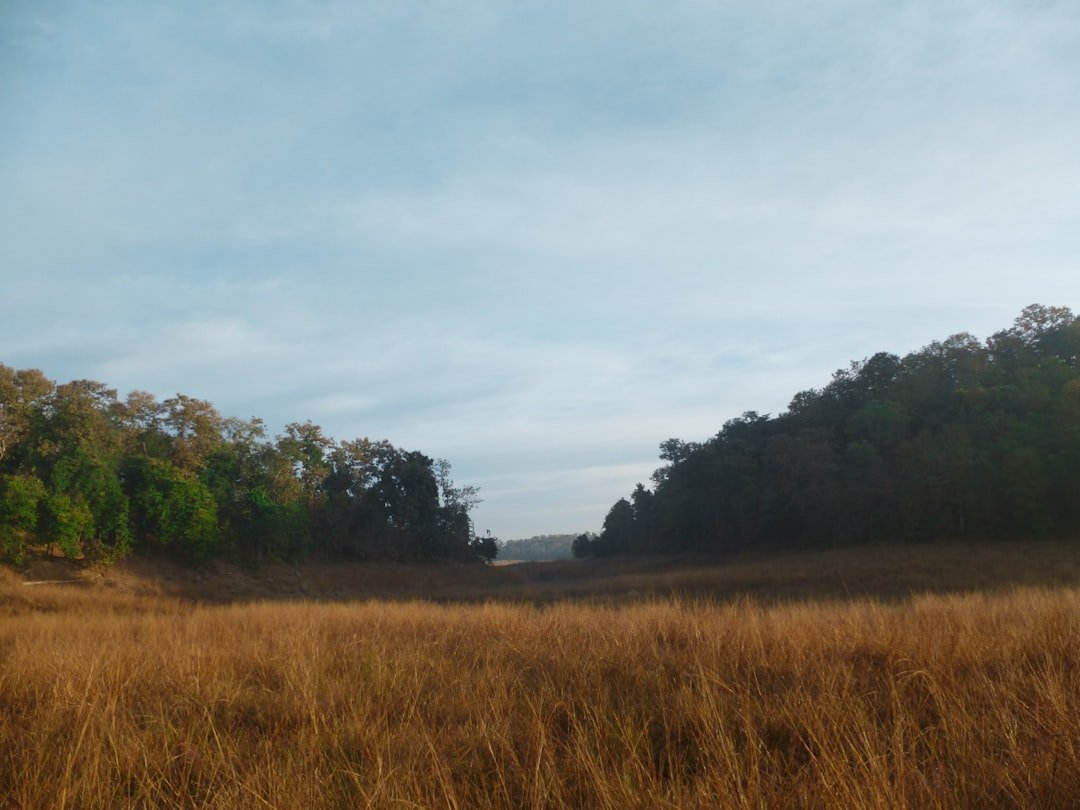
Alabama, often called the “Heart of Dixie,” packs a surprising amount of variety into one road trip. You can move from Appalachian foothills and music-history towns in the north to Birmingham and Montgomery, then continue south toward Mobile Bay and the white-sand beaches of Gulf Shores. Along the way, the state combines outdoor scenery, civil rights history, Southern food, small-town character, and major cultural attractions.
Quick Answer
For a well-rounded Alabama road trip, allow about 7 to 10 days and travel north to south through Huntsville or the Shoals, Little River Canyon or Cheaha State Park, Birmingham, Montgomery, Mobile, and Gulf Shores. Add Fairhope or Eufaula if you have extra time, and check current weather, attraction hours, and road conditions before each driving day.
Key Takeaways
- Build your Alabama road trip around a practical north-to-south route instead of trying to zigzag across the state.
- Mix cities and outdoor stops: Birmingham and Montgomery cover major history and culture, while Little River Canyon, Cheaha, and the Gulf Coast add scenery and recreation.
- Give important civil rights sites enough time rather than treating them as quick photo stops.
- Try Alabama barbecue, Gulf seafood, and Southern staples, but verify restaurant hours before making a special drive.
- Spring and fall are often comfortable for road trips, but Alabama can have severe thunderstorms, tornadoes, heat, tropical weather, and occasional winter hazards, so check forecasts throughout the trip.
At a Glance
| Time Required | 7 to 10 days for the main route; longer if you add more small towns, hikes, or beach days |
| Difficulty | Moderate: mostly straightforward highway driving with optional mountain roads and longer outdoor days |
| Tools Needed | Reliable vehicle, navigation app or offline map, phone charger, water, weather alerts, and comfortable walking shoes |
| Cost | Variable; lodging, fuel, meals, parking, attraction admission, and seasonal beach rates are the main expenses |
Planning Your Ultimate Alabama Road Trip
Start by choosing a direction and limiting backtracking. Interstate 65 is the main north-south spine through Birmingham and Montgomery and connects to Huntsville via Interstate 565, while U.S. Route 231 is useful for several central and southeastern destinations. In northwest Alabama, the Natchez Trace Parkway offers a scenic detour through part of the state rather than serving as the main route for an Alabama-wide trip.
When planning your itinerary, balance urban exploration with outdoor time. Birmingham and Huntsville have museums, galleries, restaurants, and performance venues, while places such as Little River Canyon, Cheaha State Park, and the Gulf Coast reward travelers who leave room for hiking, overlooks, beaches, and unhurried stops. Alabama’s official tourism site also publishes themed road-trip ideas that can help you add side trips.
Check local event calendars before you lock in hotel dates. Festivals, college football weekends, beach events, and special museum programs can make a stop more interesting, but they can also change traffic, room availability, and prices.
A Practical 7-Day Alabama Road Trip Route
This sample route is designed to reduce backtracking while keeping the original article’s mix of nature, history, food, music, cities, and small towns. Stretch it to 8 to 10 days if you want longer hikes, more museum time, or a full beach day.
Day 1: Huntsville or the Shoals
Begin in north Alabama. If space and science are your priority, use Huntsville as your starting point. If music history matters more, start in the Shoals area and visit Muscle Shoals, Sheffield, Florence, and Tuscumbia. The two options can be combined if you have an extra day.
Day 2: Little River Canyon or Cheaha State Park
Choose one major outdoor stop rather than rushing through both. Little River Canyon is especially good for overlooks, waterfalls, hiking, and a scenic drive. Cheaha State Park is a better fit if you want Alabama’s highest point, mountain views, camping, and access to trails near Talladega National Forest.
Day 3: Birmingham
Spend a full day in Birmingham. Prioritize the Birmingham Civil Rights District and leave enough time for the Birmingham Civil Rights Institute. Add local food, art, or another neighborhood only after your main history stops are covered.
Day 4: Montgomery
Continue to Montgomery for civil rights history. Important stops include Dexter Avenue King Memorial Baptist Church and the Equal Justice Initiative’s Legacy Sites. The Legacy Sites recommend substantial visit time, so avoid packing too many additional attractions into the same day.
Day 5: Mobile
Drive south to Mobile and include the USS Alabama Battleship Memorial Park if military history interests you. The park’s central attractions are the World War II battleship USS Alabama and submarine USS Drum. You can also spend time in Mobile’s historic districts and waterfront areas.
Day 6: Fairhope and the Eastern Shore
Cross to the eastern side of Mobile Bay for Fairhope. Its walkable downtown, galleries, shops, parks, and bayfront atmosphere make it a slower-paced stop before the beach. If your dates line up with a major event, allow extra time for parking and crowds.
Day 7: Gulf Shores and Orange Beach
Finish on the Gulf Coast with beach time, seafood, and outdoor recreation. If you have another night, use it here instead of driving away immediately; the beach portion of the trip is more enjoyable when it is not treated as a quick turnaround stop.
Pro Tip: If you only have five days, choose either the north-Alabama music/science stop or the mountain stop, then continue through Birmingham, Montgomery, Mobile, and Gulf Shores. Cutting destinations is usually better than spending most of the trip in the car.
Best Time for an Alabama Road Trip
Spring and fall are popular choices because they can offer pleasant sightseeing weather, but there is no single risk-free season. Spring can bring severe thunderstorms and tornadoes. Summer is hot and humid, especially for midday walking and hiking, and the Gulf Coast can also be affected by tropical weather. Winter is usually quieter, but cold snaps and occasional wintry conditions can affect roads in parts of the state.
Warning: Check the National Weather Service forecast and alerts before outdoor activities and long drives. If severe weather is expected, change your schedule rather than depending on the original itinerary. Never use a highway overpass as tornado shelter.
Exploring Alabama’s Natural Wonders

Alabama is home to varied ecosystems and dramatic landscapes. One of the standout destinations is Little River Canyon National Preserve in northeast Alabama. The National Park Service identifies Little River as a mountaintop river, and the preserve protects the canyon, waterfalls, overlooks, backcountry, and hiking routes around it.
Visitors can hike, picnic, enjoy overlooks, and explore the preserve’s scenic roads. Water levels can change quickly because the river depends heavily on rainfall, so paddling and river activities require current-condition checks and appropriate experience. The 11-mile Little River Canyon Rim Parkway is an easy way to see multiple overlooks when time is limited.
Another major natural stop is Cheaha State Park, home to Alabama’s highest point at 2,407 feet above sea level. The park has mountain views, hiking, camping, a lake, and access to surrounding Talladega National Forest recreation. Some trails are steep and rugged, so footwear and route choice matter more than simply counting trail miles.
Cheaha’s observation areas and overlooks make it a strong sunrise or sunset stop, while nearby forest and wilderness routes can support a much longer hiking-focused visit. Drivers with large RVs should follow the park’s current route guidance because some smaller approach roads can be narrow, rough, or affected by construction.
Immerse Yourself in Alabama’s Rich History
| Historical Period | Location | Significance |
| Mississippian Era | Moundville Archaeological Park | Preserves a major Mississippian culture site on the Black Warrior River; the University of Alabama describes Moundville as the second-largest U.S. site of its era |
| French Colonial and Early American Periods | Fort Toulouse-Fort Jackson Park | Interprets Indigenous history, French Fort Toulouse, and the early-19th-century American Fort Jackson |
| World War II | USS Alabama Battleship Memorial Park | Home to the World War II battleship USS Alabama and submarine USS Drum, plus aircraft, vehicles, and veterans memorials |
| Civil Rights Movement | Birmingham Civil Rights Institute | Uses exhibits and collections to interpret Birmingham’s role in the Civil Rights Movement and the broader struggle for civil and human rights |
Alabama’s historical significance is especially visible in Birmingham and Montgomery. The Birmingham Civil Rights Institute uses permanent and changing exhibitions to examine segregation, protest, and the Civil Rights Movement. Nearby sites, including 16th Street Baptist Church, add essential place-based context to the events of 1963.
Montgomery is home to Dexter Avenue King Memorial Baptist Church, where Dr. Martin Luther King Jr. served as pastor from 1954 to 1960 and helped lead the Montgomery Bus Boycott. The city also contains the Equal Justice Initiative’s Legacy Museum, which traces the history and legacy of slavery, racial terror, segregation, and mass incarceration through exhibits, first-person accounts, art, and interactive media.
These stops deserve time and attention. They are not simply landmarks for photographs; they help explain events that shaped Alabama and the United States. Travelers should follow each site’s current visitor rules, hours, photography policies, and ticket guidance.
Indulge in Alabama’s Culinary Delights
Alabama’s food scene reflects regional Southern traditions as well as coastal and city influences. Barbecue is one of the state’s best-known specialties, and Birmingham has long-running names such as Saw’s BBQ and Jim ‘N Nick’s Bar-B-Q. Styles vary by restaurant, so sampling more than one place is a better way to understand the local barbecue scene than looking for a single “official” version.
Along the Gulf Coast, seafood becomes a major part of the trip. Shrimp, oysters, crab, and local fish appear in everything from casual baskets to more polished coastal dishes. The Original Oyster House is one long-established option in the Gulf Shores area, but current hours and wait times should be checked before you go.
Traditional Southern foods such as fried green tomatoes, cornbread, pecan pie, sweet tea, shrimp and grits, and other regional favorites are also worth seeking out. Rather than planning every meal around famous names, leave space for a local recommendation or a small-town stop that fits naturally into the drive.
Experience Alabama’s Vibrant Music and Arts Scene

Alabama has deep connections to blues, gospel, country, soul, jazz, rock, and other American music traditions. Gulf Shores has hosted the Hangout Music Festival and related large-scale beach events, but travelers should not assume it is an annual fixture in every year. Organizers did not proceed with a 2026 Hangout event, so future festival dates should be verified before building a trip around it.
For music history that is available beyond a single festival weekend, head to the Shoals. Muscle Shoals Sound Studio in Sheffield offers tours of the historic studio associated with recordings by major artists, including The Rolling Stones. The wider Shoals area also connects visitors with FAME Recording Studios and the musicians and producers who shaped the region’s distinctive sound.
Art enthusiasts can add Birmingham galleries and museums, while Huntsville, Montgomery, Mobile, and smaller communities also offer local arts organizations, performance spaces, public art, and seasonal events. Check current exhibition calendars because temporary shows can be reason enough to shift a day in your route.
Discover Charming Small Towns and Quaint Cities
Alabama’s smaller communities add a slower pace between major cities. Fairhope, on Mobile Bay, is known for a walkable center with shops, galleries, parks, and bayfront views. Its Arts & Crafts Festival remains a major annual event; the 2026 edition was held March 20-22, and future dates should be checked on the festival’s official site before booking.
Eufaula, often called “The Queen City of the Chattahoochee,” is known for historic architecture and a downtown lined with older homes and civic buildings. Its annual Pilgrimage Tour of Homes gives visitors access to selected properties and local history during the event period. The 2026 pilgrimage took place in April, so travelers planning a later year should verify the current schedule rather than relying on a past date.
Small-town stops work best when they match your route. A Fairhope stop fits naturally between Mobile and Gulf Shores, while Eufaula is more practical for a southeastern Alabama loop or a trip that uses U.S. Route 231. Avoid adding a town simply because it looks interesting on a list if it creates several hours of backtracking.
Tips for a Memorable Alabama Road Trip
Pack for changing conditions. Alabama summers can be hot and humid, while winter weather can occasionally make roads hazardous, especially in northern or higher-elevation areas. Comfortable clothing, sturdy footwear, water, sun protection, and a rain layer cover many day-to-day needs.
Use visitor centers and official attraction websites to check hours, closures, parking, reservations, and local events. For parks, trail conditions can change after heavy rain or maintenance. For museums and historic sites, timed entry or special-event schedules may affect your day.
Engaging with local residents can also improve the trip. Restaurant servers, museum staff, park rangers, and visitor-center teams often know current conditions and nearby places that are easy to miss in a broad statewide itinerary. Keep some flexibility for a scenic pullout, a roadside produce stand, or a local festival you did not know about when you first planned the route.
Note: Download or save key directions before mountain and rural drives. Mobile coverage can vary, and a saved map is useful when you need to reroute around weather, road work, or a closed entrance.
If you’re planning the ultimate Alabama road trip, snacks can make long driving days easier. Homemade options can help you control portions and ingredients, and cottage cheese can be one protein-rich choice if it is kept properly chilled. If you want to make it yourself, this existing related guide explains the process: Delicious Homemade Cottage Cheese: A Simple and Healthy Recipe.
Frequently Asked Questions
What is the ultimate Alabama road trip?
It is a route that combines Alabama’s major landscapes, cities, historical sites, food, and cultural stops. A strong first-time route links north Alabama, Birmingham, Montgomery, Mobile, and the Gulf Coast, with optional mountain and small-town detours.
What are some highlights of the ultimate Alabama road trip?
Highlights can include Gulf Coast beaches, Birmingham and Montgomery civil rights sites, Little River Canyon, Cheaha State Park, the Shoals music region, Mobile’s USS Alabama Battleship Memorial Park, and smaller communities such as Fairhope.
How long does the ultimate Alabama road trip take?
A focused trip can be done in about five days, but 7 to 10 days is a better planning target for first-time visitors who want time for museums, scenic stops, meals, and at least one outdoor or beach day. Two weeks allows a slower pace and more detours.
What are some tips for planning the ultimate Alabama road trip?
Choose a north-to-south or south-to-north route, reserve high-demand lodging early, check attraction hours, watch the weather, and avoid adding stops that create major backtracking. Leave some open time for local recommendations and unexpected delays.
What are some must-try foods and drinks along the ultimate Alabama road trip?
Popular choices include Alabama barbecue, Gulf Coast seafood, sweet tea, fried green tomatoes, cornbread, shrimp and grits, and pecan pie. Regional menus vary, so look for local specialties instead of expecting the same dishes everywhere.
Are there specific cultural or historical sites to visit on an Alabama road trip?
Yes. Strong choices include the Birmingham Civil Rights Institute, 16th Street Baptist Church, Dexter Avenue King Memorial Baptist Church, the Legacy Sites in Montgomery, Moundville Archaeological Park, Fort Toulouse-Fort Jackson, and the USS Alabama Battleship Memorial Park.
What is the best time of year for an Alabama road trip?
Spring and fall can be comfortable for sightseeing, but weather varies by region and year. Spring severe weather, summer heat, tropical weather near the Gulf Coast, and occasional winter hazards can all affect plans. Check the forecast and alerts throughout your trip.
Do I need a car for this Alabama itinerary?
A car is the most practical way to follow a statewide itinerary because many parks, historic sites, small towns, and Gulf Coast attractions are spread out. Build in rest breaks and share driving when possible on longer days.
Sources
- Alabama Tourism Department: Road Trips – official statewide trip-planning ideas and destinations
- National Park Service: Little River Canyon National Preserve – canyon, river, trails, scenic driving, and current-condition guidance
- Alabama State Parks: Cheaha State Park – elevation, park features, trails, and driving guidance
- Birmingham Civil Rights Institute – exhibits and interpretation of Birmingham’s civil rights history
- Equal Justice Initiative: Legacy Sites – visitor information and historical interpretation in Montgomery
- National Weather Service – forecasts, watches, warnings, and travel-weather safety information