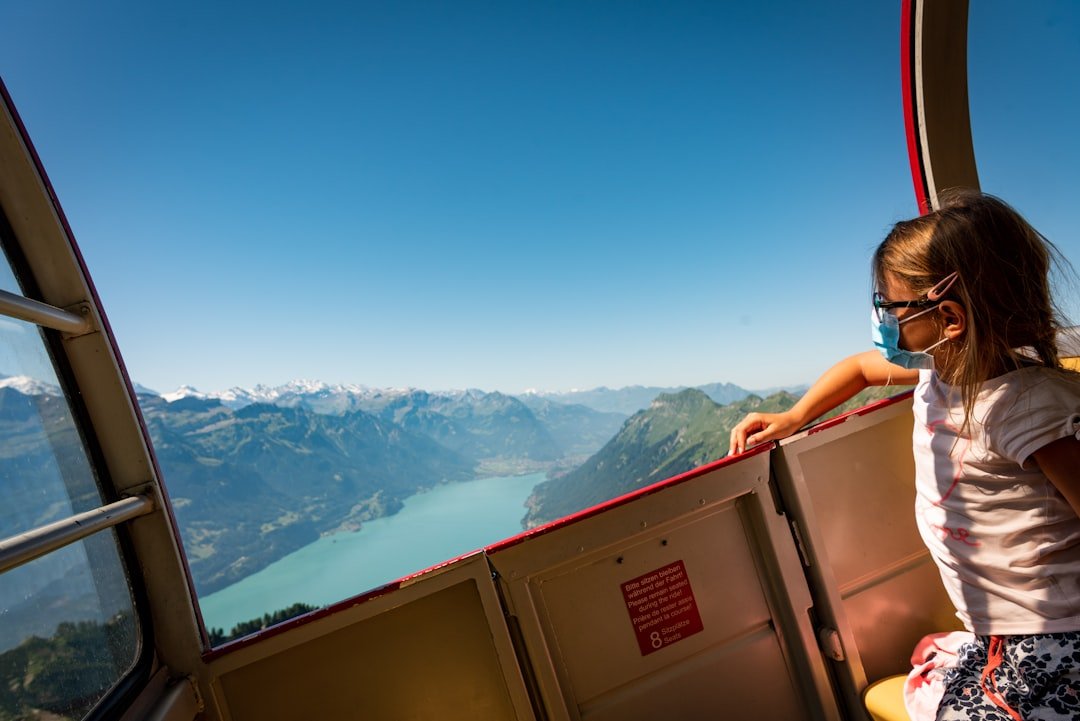
Monte San Salvatore, a prominent mountain located in the Italian-speaking region of Switzerland, is a captivating destination for photographers and nature enthusiasts alike. Rising to an elevation of 905 meters, it offers breathtaking panoramic views of Lake Lugano and the surrounding landscape. The mountain is not only a geological marvel but also a cultural landmark, steeped in history and folklore.
Its summit can be reached via a funicular railway, which adds an element of adventure to the journey. As you ascend, the lush greenery and vibrant wildflowers create a picturesque setting that is perfect for capturing stunning images. The area surrounding Monte San Salvatore is rich in biodiversity, with various flora and fauna that thrive in its unique microclimate.
The mountain’s slopes are adorned with chestnut trees, beech forests, and alpine meadows, providing a diverse backdrop for photography. Additionally, the changing seasons dramatically alter the landscape, offering photographers a variety of moods and colors throughout the year.
Understanding the geographical and ecological significance of Monte San Salvatore is essential for photographers seeking to capture its essence in their work.
Key Takeaways
- Monte San Salvatore offers a picturesque location for photography with its stunning views of Lake Lugano and the surrounding mountains.
- The golden hours of sunrise and sunset provide the best natural lighting for capturing the beauty of Monte San Salvatore.
- Utilize the natural lighting to create depth and dimension in your photographs, highlighting the textures and colors of the landscape.
- When framing the perfect shot, consider using leading lines and the rule of thirds to create a visually appealing composition.
- Incorporate the surrounding landscape to add context and depth to your photographs, showcasing the natural beauty of the area.
Choosing the Right Time for Photography
Timing is crucial when it comes to photography, especially in a location as dynamic as Monte San Salvatore. The golden hours—shortly after sunrise and just before sunset—are often considered the best times for capturing stunning images. During these periods, the soft, diffused light creates a magical atmosphere that enhances the natural beauty of the landscape.
The warm tones of the sun can illuminate the mountain’s contours and highlight the shimmering surface of Lake Lugano, resulting in photographs that evoke emotion and depth. Moreover, each season presents unique opportunities for photography at Monte San Salvatore. In winter, the mountain is often blanketed in snow, creating a serene and tranquil environment that contrasts sharply with the vibrant colors of summer.
Photographers can take advantage of this stark beauty by capturing the interplay between light and shadow on the snow-covered slopes. Conversely, summer offers lush greenery and vibrant wildflowers that can add vivid colors to compositions. By carefully selecting the time of day and season for their shoots, photographers can create images that resonate with viewers and convey the diverse character of this stunning location.
Utilizing Natural Lighting

Natural lighting plays a pivotal role in photography, particularly in outdoor settings like Monte San Salvatore. The quality of light can dramatically influence the mood and tone of an image. Photographers should be attuned to how sunlight interacts with the landscape throughout the day.
For instance, during midday, harsh shadows can detract from the beauty of a scene, while early morning or late afternoon light casts a warm glow that enhances textures and colors. In addition to the time of day, weather conditions also affect natural lighting. Overcast days can provide soft, diffused light that is ideal for capturing intricate details without harsh contrasts.
This type of lighting is particularly beneficial for photographing flora and fauna, as it allows for even illumination across subjects. Conversely, dramatic weather conditions such as storms or fog can add an element of intrigue to photographs. Capturing Monte San Salvatore shrouded in mist or illuminated by lightning can create striking images that tell a story beyond mere aesthetics.
Framing the Perfect Shot
| Aspect | Metric |
|---|---|
| Aperture | f/2.8, f/4, f/5.6, etc. |
| Shutter Speed | 1/1000, 1/500, 1/250, etc. |
| ISO | 100, 200, 400, 800, etc. |
| Focal Length | 24mm, 50mm, 85mm, etc. |
| Composition | Rule of Thirds, Leading Lines, Framing, etc. |
Framing is an essential aspect of photography that can significantly impact the composition and overall effectiveness of an image. When photographing Monte San Salvatore, photographers should consider various framing techniques to draw attention to their subject while also incorporating elements of the surrounding landscape. The rule of thirds is a fundamental guideline that can help create balanced compositions; by dividing the frame into nine equal parts and placing key elements along these lines or at their intersections, photographers can achieve a more dynamic image.
Additionally, leading lines can be employed to guide the viewer’s eye toward the mountain or other focal points within the frame. Natural features such as pathways, rivers, or tree lines can serve as effective leading lines that enhance depth and perspective in photographs. Experimenting with different framing techniques allows photographers to discover unique perspectives on Monte San Salvatore, transforming ordinary scenes into extraordinary visual narratives.
Incorporating the Surrounding Landscape
The beauty of Monte San Salvatore is not solely confined to its summit; the surrounding landscape offers a wealth of opportunities for creative photography. Incorporating elements such as Lake Lugano, nearby villages, or rolling hills can add context and depth to images. By including these features in compositions, photographers can create a sense of place that resonates with viewers and tells a more comprehensive story about the region.
Moreover, seasonal changes in the surrounding landscape can provide additional layers of interest. For example, capturing wildflowers in bloom at the base of Monte San Salvatore during springtime can create vibrant foregrounds that contrast beautifully with the mountain’s rugged peaks. Similarly, autumn foliage can frame the mountain in warm hues, enhancing its majesty against a backdrop of colorful leaves.
By thoughtfully integrating surrounding elements into their compositions, photographers can elevate their work and showcase the full splendor of this remarkable location.
Experimenting with Different Angles
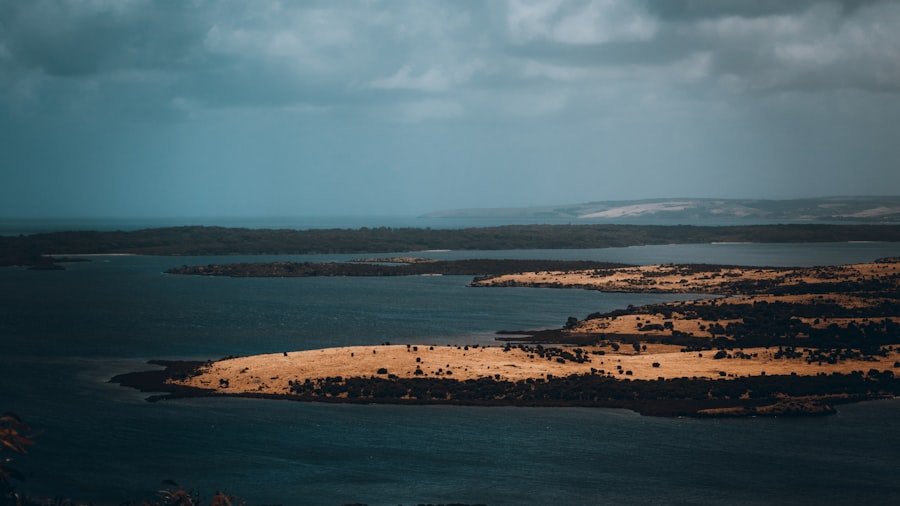
One of the most effective ways to capture the essence of Monte San Salvatore is by experimenting with various angles and perspectives. Rather than sticking to traditional viewpoints, photographers should explore unconventional vantage points that may reveal hidden aspects of the mountain’s character. Climbing to higher elevations or finding lower ground can dramatically alter how Monte San Salvatore is perceived in photographs.
For instance, shooting from a low angle can emphasize the grandeur of the mountain while creating a sense of intimacy with foreground elements such as wildflowers or rocks. Conversely, capturing images from an elevated position can provide sweeping views that showcase the mountain’s relationship with its surroundings. By varying angles and perspectives, photographers can create a diverse portfolio that highlights different facets of Monte San Salvatore’s beauty.
Capturing the Details
While sweeping landscapes are often captivating, paying attention to details can yield equally compelling photographs. The intricate textures found on rocks, tree bark, or even individual flowers can tell a story about the environment surrounding Monte San Salvatore. Close-up shots that focus on these details allow photographers to explore the microcosm of life present on the mountain.
Additionally, capturing wildlife in their natural habitat adds another layer of depth to photography at Monte San Salvatore. Birds soaring against the backdrop of the mountain or small mammals scurrying through underbrush can provide dynamic subjects that enhance compositions. By honing in on these details, photographers can create intimate portraits of nature that invite viewers to appreciate the subtle beauty often overlooked in broader landscapes.
Post-Processing and Editing Techniques
Post-processing is an integral part of modern photography that allows artists to refine their images and bring their creative vision to life. After capturing photographs at Monte San Salvatore, photographers should consider utilizing editing software to enhance colors, contrast, and sharpness while maintaining a natural appearance. Adjusting exposure levels can help bring out details in shadows or highlights that may have been lost during shooting.
Furthermore, applying techniques such as cropping or straightening can improve composition and focus attention on key elements within an image. Photographers may also experiment with filters or presets to evoke specific moods or styles that align with their artistic intent. However, it is essential to strike a balance between enhancement and authenticity; over-editing can detract from the natural beauty captured at Monte San Salvatore.
Monte San Salvatore offers one of the most breathtaking viewpoints in Switzerland, making it a prime location for photography enthusiasts. When capturing the stunning vistas from this vantage point, consider visiting during the golden hours of sunrise or sunset to take advantage of the soft, warm lighting that enhances the natural beauty of the landscape. Additionally, using a polarizing filter can help reduce glare and enhance the colors of the sky and water. For those interested in exploring more about capturing the essence of unique locations, you might find inspiration in the article on Exploring the Delightful World of Asian Melon, which delves into the vibrant and diverse world of Asian melons, offering insights that could translate into creative photography ideas.
FAQs
What is Monte San Salvatore viewpoint?
Monte San Salvatore is a mountain in Switzerland that offers a stunning panoramic viewpoint of Lake Lugano and the surrounding area.
What are some photography tips for capturing the view from Monte San Salvatore?
– Use a wide-angle lens to capture the expansive view
– Consider the lighting conditions and time of day for the best shots
– Experiment with different angles and perspectives to capture unique compositions
– Use a tripod to ensure sharp images, especially in low light conditions
– Consider including elements of the surrounding landscape to add depth and interest to your photos
Are there any specific photography restrictions at Monte San Salvatore?
There are no specific photography restrictions at Monte San Salvatore, but visitors are encouraged to be respectful of the natural environment and other visitors while taking photos.
What are the best times of day to capture photos at Monte San Salvatore?
The best times of day for photography at Monte San Salvatore are during sunrise and sunset, when the soft, warm light enhances the beauty of the landscape. However, the viewpoint is also stunning during the daytime, especially on clear, sunny days.
Are there any specific safety considerations for photographers at Monte San Salvatore?
Visitors should be mindful of their surroundings and stay on designated paths and viewing areas while taking photos at Monte San Salvatore. Additionally, it’s important to be aware of any potential hazards, such as steep cliffs or slippery terrain, especially when exploring the area for unique photography vantage points.