Tuscaloosa, Alabama, combines University of Alabama traditions, Black Warrior River scenery, important civil-rights history, Southern food, museums, and easy access to outdoor recreation. The city is large enough to offer a full weekend of activities but compact enough that many of its best-known attractions can be grouped into the university campus, downtown, the riverfront, and nearby Northport. According to the U.S. Census Bureau, Tuscaloosa’s July 1, 2025 population estimate was 114,316. The city was named for Tuskaloosa, an Indigenous leader whose name is commonly interpreted from Creek or Choctaw linguistic roots as “Black Warrior.”
Quick Answer
For a first trip to Tuscaloosa, focus on the University of Alabama campus, the Tuscaloosa Riverwalk, downtown restaurants, Capitol Park, and a local museum. Add Lake Lurleen State Park or Moundville Archaeological Park if you have extra time, and plan far ahead if your visit overlaps a major University of Alabama football weekend.
Key Takeaways
- The University of Alabama campus, Riverwalk, Capitol Park, museums, and downtown make a strong first-time sightseeing route.
- Dreamland BBQ remains one of Tuscaloosa’s best-known food stops, while current downtown choices include Avenue Pub, Chuck’s Fish, and other locally listed restaurants.
- Lake Lurleen State Park offers more than 23 miles of multi-use trails plus fishing, paddling, and seasonal swimming.
- Moundville Archaeological Park is one of the region’s most important cultural day trips.
- Football weekends can change traffic, parking, restaurant demand, and hotel availability, so advance planning matters.
Top Attractions in Tuscaloosa
The University of Alabama campus is one of the best places to begin. The university’s official visitor guide highlights landmarks including Denny Chimes, Saban Field at Bryant-Denny Stadium, the Walk of Champions, Foster Auditorium, Malone-Hood Plaza, and the Autherine Lucy Clock Tower.
Denny Chimes was completed in 1929 and remains one of the campus’s most recognizable landmarks. Foster Auditorium has a very different historical importance: it was the site of Alabama Governor George Wallace’s 1963 “Stand in the Schoolhouse Door,” when he attempted to block the enrollment of Vivian Malone and James Hood. The site is recognized as a National Historic Landmark.
Football fans can visit the Paul W. Bryant Museum, which preserves artifacts, photographs, film, and memorabilia connected with the history of University of Alabama athletics and football.
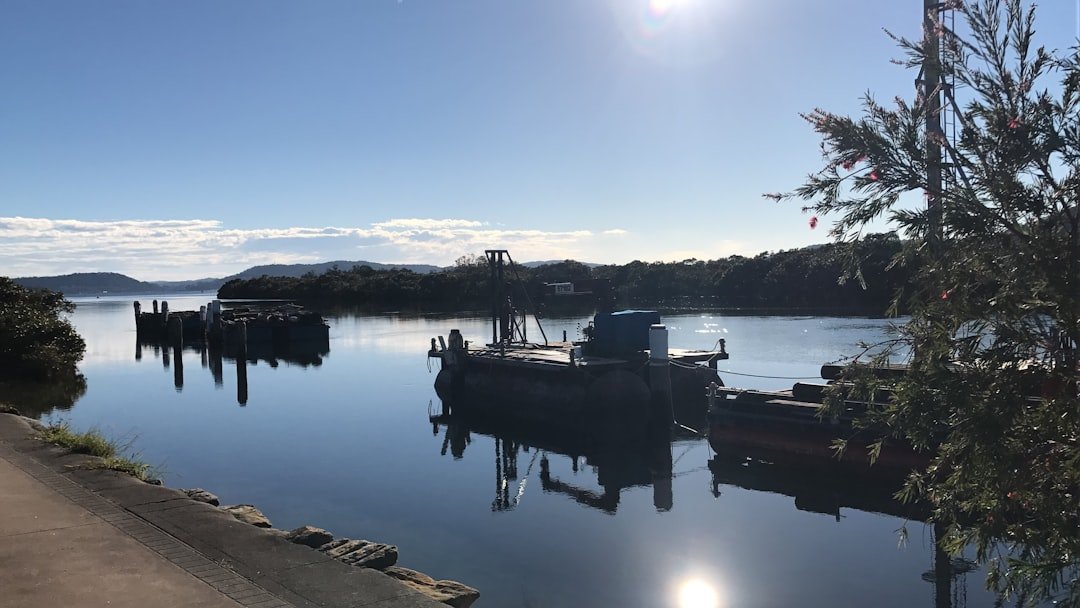
The Tuscaloosa Riverwalk is another essential stop. Current visitor information describes roughly 4.5 miles of riverfront pathway along the Black Warrior River. It works well for walking, jogging, casual cycling, sunset views, and combining several riverfront attractions without moving your car repeatedly.
Bowers Park is useful for families and recreation. The Tuscaloosa County Park & Recreation Authority lists a one-mile walking trail along with playgrounds, athletic facilities, tennis courts, picnic areas, and other amenities.
Pro Tip: If your main goal is sightseeing rather than a football game, check the University of Alabama athletics calendar before choosing your dates. Campus roads, restaurants, parking, and hotels can be much busier during major home-game weekends.
Best Places to Eat and Drink in Tuscaloosa
Tuscaloosa’s dining scene ranges from old-school barbecue to pub food, seafood, Italian cooking, contemporary Southern dishes, coffee shops, and casual student favorites.
Dreamland BBQ
The original Dreamland BBQ location opened in Tuscaloosa in 1958. It remains best known for barbecue ribs and is one of the city’s longest-running food landmarks. Visitors who want a meal connected to Tuscaloosa’s local identity should consider the original 15th Avenue East location rather than treating Dreamland as just another chain restaurant.
Downtown Dining
Current Visit Tuscaloosa restaurant listings include Avenue Pub for pub-style food, Chuck’s Fish for seafood, steaks, and sushi, Central Mesa for Mexican-inspired dishes, and several other downtown restaurants. Restaurant openings, menus, and hours change more quickly than museums or historic landmarks, so check the restaurant’s current information before making a special trip.
Craft Beer and Drinks
The city’s beer scene has changed. Black Warrior Brewing Company, which appeared in older Tuscaloosa guides, announced its permanent closure in 2026 and should no longer be treated as a current recommendation. Druid City Brewing and other bars and restaurants continue to appear in current visitor information, giving travelers alternatives for local beer and non-alcoholic drinks.
Note: Restaurant hours and availability can change quickly, especially around university events. Check current hours and make reservations where available if you are visiting during graduation, move-in, or a major football weekend.
Outdoor Activities in Tuscaloosa
| Activity | Good Place to Try It | What to Know |
|---|---|---|
| Walking and jogging | Tuscaloosa Riverwalk | A paved riverfront route suited to sightseeing and exercise. |
| Hiking and mountain biking | Lake Lurleen State Park | More than 23 miles of multi-use trails ranging from easy to moderate. |
| Cycling | Sokol Park South | Bike trails and a pump track are available in nearby Northport. |
| Fishing and paddling | Lake Lurleen State Park and local waterways | Check current park rules, weather, water conditions, and equipment requirements before entering the water. |
The Black Warrior River shapes much of Tuscaloosa’s outdoor identity. The Riverwalk provides the easiest introduction for most visitors because it requires little planning and connects naturally with downtown and riverfront sightseeing.
For a bigger outdoor outing, Lake Lurleen State Park is just outside the urban center. Alabama State Parks lists more than 23 miles of multi-use trails around the 250-acre lake. The park also offers fishing, paddling, picnic areas, swimming facilities, and other recreation.
Sokol Park South, located in nearby Northport, provides biking opportunities, athletic fields, a pump track, and family recreation. Bowers Park in Tuscaloosa is a better fit when you want a shorter walk, playground time, or easily accessible recreation without making a longer excursion.
Warning: Alabama summer heat and humidity can make even short walks tiring. Carry water, use sun protection, and move strenuous activities to cooler parts of the day. For paddling or swimming, use appropriate safety equipment and check current weather, water, and park conditions before you go.
Shopping and Entertainment in Tuscaloosa
For conventional shopping, Midtown Village combines national retailers, restaurants, and other businesses in one outdoor shopping area. Downtown Tuscaloosa offers a different experience, with smaller businesses, restaurants, entertainment venues, and walkable blocks close to the university.
For locally made art, add Northport to your plans. Historic downtown Northport is home to the Kentuck Art Center, where visitors can find galleries, working studios, classes, and handmade work by regional artists.
For concerts and large events, the city’s major riverfront venue is now the Mercedes-Benz Amphitheater. It was formerly known as the Tuscaloosa Amphitheater and was officially renamed in 2023. Check the current event calendar before planning a trip around a performance.
Historical and Cultural Sites in Tuscaloosa
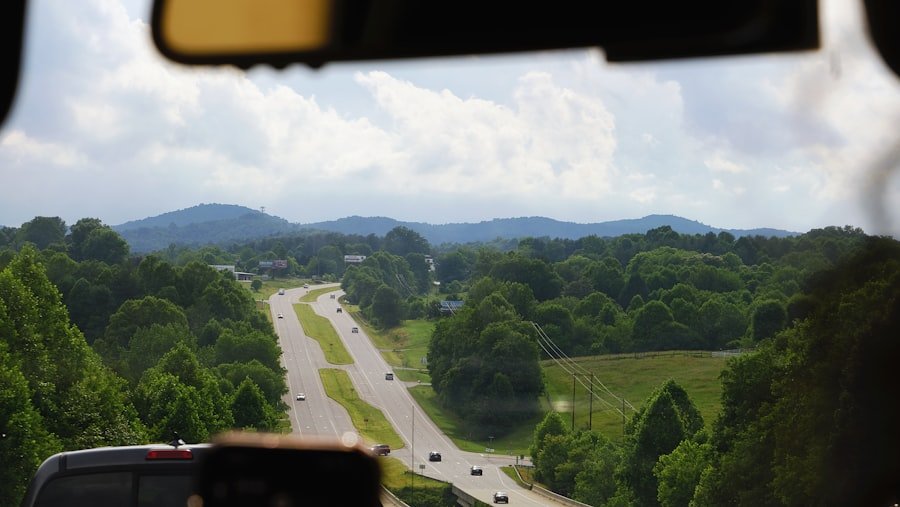
Tuscaloosa’s history stretches well beyond football. The city served as Alabama’s state capital from 1826 to 1846 and later became an important setting in the Civil Rights Movement.
Alabama Museum of Natural History
The Alabama Museum of Natural History is housed in Smith Hall on the University of Alabama campus. Its exhibits cover Alabama’s fossils, geology, ancient life, natural history, and archaeological past. The museum also connects with civil-rights history: Smith Hall stood near events surrounding Autherine Lucy Foster’s integration of the university in 1956.
Capitol Park
Capitol Park preserves the ruins of Alabama’s former state capitol in Tuscaloosa. The city was the seat of state government from 1826 through 1846. The capitol building itself was completed in 1829 and later became a college building after the capital moved to Montgomery. It burned in 1923, leaving portions of the stone foundation and walls that visitors can see today.
Foster Auditorium and Civil Rights History
Foster Auditorium is one of Tuscaloosa’s most nationally significant historic sites. In June 1963, Governor George Wallace attempted to block Vivian Malone and James Hood from enrolling at the University of Alabama. Visitors can also explore the broader Tuscaloosa Civil Rights Trail, which connects additional locations associated with the city’s civil-rights history.
Jemison-Van de Graaff Mansion
The Jemison-Van de Graaff Mansion offers another perspective on 19th-century Tuscaloosa. Historic-home tours can help visitors understand local architecture and life in the city beyond the university campus.
Tuscaloosa is most rewarding when you combine its university landmarks with the riverfront, civil-rights sites, museums, food, and nearby Native American history rather than treating it only as a football destination.
Day Trips and Excursions from Tuscaloosa
Tuscaloosa is a useful base for several nearby excursions, ranging from a quick trip across the Black Warrior River to a longer drive into northwest Alabama.
Moundville Archaeological Park
Moundville Archaeological Park, south of Tuscaloosa, is operated by the University of Alabama Museums and is one of the nation’s major Native American heritage sites. The landscape preserves earthen mounds from a large Mississippian community, while the Jones Archaeological Museum interprets the people, objects, and history associated with the site.
Moundville works especially well as a half-day excursion for visitors interested in archaeology, Indigenous history, museums, or landscapes along the Black Warrior River. Check current museum and park hours before departure.
Northport
Northport is directly across the river and is easy to combine with a Tuscaloosa itinerary rather than treating it as a full-day trip. Historic downtown Northport includes Kentuck Art Center, local shops, studios, restaurants, and community arts events.
Bankhead National Forest
For a longer outdoor day trip, Bankhead National Forest lies in northwestern Alabama. U.S. Forest Service recreation areas include opportunities for hiking, camping, picnicking, fishing, swimming, and other outdoor activities. Because trail conditions, roads, and recreation-site availability can change, check Forest Service alerts before leaving Tuscaloosa.
How to Spend One Day in Tuscaloosa
If you have only one full day, group attractions by location instead of driving back and forth across the city.
- Morning: Walk the University of Alabama campus. See Denny Chimes, Bryant-Denny Stadium, Foster Auditorium, Malone-Hood Plaza, and another campus museum or landmark that matches your interests.
- Late morning: Visit the Paul W. Bryant Museum if you are interested in football history, or the Alabama Museum of Natural History if you prefer science and natural history.
- Lunch: Choose Dreamland for a classic Tuscaloosa barbecue experience or head downtown for a broader restaurant selection.
- Afternoon: Explore Capitol Park and downtown, then walk part of the Riverwalk.
- Evening: Eat downtown, check the Mercedes-Benz Amphitheater schedule, or cross into Northport for local art and a quieter change of pace.
If you have a second day, use it for Lake Lurleen State Park, Moundville Archaeological Park, or a more relaxed combination of museums, shopping, and Northport.
Tips for Planning Your Trip to Tuscaloosa
Choose Your Season
Spring and fall are comfortable times for combining city sightseeing with outdoor activities, although fall also overlaps the busiest University of Alabama football period. Summers are hot and humid, so plan outdoor walking earlier or later in the day. Winter can work well for museums, dining, and quieter sightseeing, but always check individual attraction hours.
Choose the Right Area to Stay
Downtown works well if you want restaurants, nightlife, and easy access to the Riverwalk. Staying near the University of Alabama campus can be convenient for university events and campus sightseeing. Properties farther from downtown may offer easier driving access, but you will depend more heavily on a car.
Getting to Tuscaloosa
Tuscaloosa sits along Interstate 20/59 and is straightforward to reach by car from Birmingham. Visit Tuscaloosa directs travelers from Birmingham-Shuttlesworth International Airport west on I-20/59 for approximately 58 miles before reaching the Tuscaloosa exits.
Tuscaloosa also has the Tuscaloosa National Airport, which supports local aviation, charter, flight-training, and related services. Visitors booking normal scheduled airline travel commonly use Birmingham-Shuttlesworth International Airport and continue to Tuscaloosa by road.
Getting Around
A car gives visitors the greatest flexibility, especially for Lake Lurleen, Moundville, Northport, and other outlying destinations. Downtown, the university campus, and sections of the Riverwalk can be explored on foot once you are parked.
The Tuscaloosa Transit Authority operates local fixed-route buses. Current published service is primarily Monday through Friday, so visitors should verify schedules rather than assuming late-night or weekend service.
Parking
Visit Tuscaloosa lists free public parking in the Downtown Parking Deck near University Boulevard and 22nd Avenue, with additional street parking and lots elsewhere downtown. Campus parking rules are separate and can change during university events, so check University of Alabama visitor-parking information before leaving your vehicle on campus.
Plan Carefully for Football Weekends
University of Alabama home football weekends can transform normal travel patterns. Hotels may fill early, restaurants become busier, parking rules change, and traffic increases around campus. If football is not the purpose of your trip, checking the home schedule before reserving accommodation can make the visit easier.
Pro Tip: On a regular sightseeing day, park once when possible and walk clusters of nearby attractions. On a football weekend, follow official event parking and transportation instructions rather than relying on your normal downtown or campus parking plan.
Lastly, embracing the local culture is one of the best ways to understand Tuscaloosa. Spend time in locally owned restaurants, museums, galleries, university landmarks, parks, and community events instead of limiting the trip to a single attraction.
Optional related reading: If you are also browsing food-focused content beyond Alabama travel, the site’s existing article Exploring the Delightful World of Asian Melon looks at melon varieties found across Asia.
Frequently Asked Questions
What are the top attractions in Tuscaloosa?
Good first-time choices include the University of Alabama campus, Saban Field at Bryant-Denny Stadium, Denny Chimes, Foster Auditorium, the Paul W. Bryant Museum, Alabama Museum of Natural History, Capitol Park, and the Tuscaloosa Riverwalk.
What are the best outdoor activities in Tuscaloosa?
Walk or jog the Riverwalk, use local park trails, or head to Lake Lurleen State Park for hiking, mountain biking, fishing, paddling, picnicking, and seasonal swimming. Sokol Park South in nearby Northport is another option for cycling and family recreation.
What is the best time of year to visit Tuscaloosa?
Spring and fall are strong choices for combining sightseeing with outdoor activities. Fall visitors should check the University of Alabama football schedule because home-game weekends can significantly affect traffic, parking, hotel availability, and restaurant demand.
What are some popular dining options in Tuscaloosa?
Dreamland BBQ is a long-running local landmark for barbecue. Current visitor listings also include Avenue Pub, Chuck’s Fish, Central Mesa, DePalma’s Italian Cafe, River, and many other downtown and neighborhood restaurants. Check current hours before visiting.
What are the transportation options in Tuscaloosa?
Driving is the most flexible option. Tuscaloosa Transit Authority operates local fixed-route buses, while downtown, parts of campus, and the Riverwalk are walkable once you are parked. Visitors arriving on scheduled commercial flights commonly use Birmingham-Shuttlesworth International Airport and continue to Tuscaloosa by road.
How many days do you need in Tuscaloosa?
One full day is enough for a focused campus, downtown, history, and Riverwalk itinerary. Two days are better if you want to add Lake Lurleen State Park, Moundville Archaeological Park, Northport, or several museums without rushing.
Is Moundville Archaeological Park worth visiting from Tuscaloosa?
Yes, especially if you are interested in Native American history or archaeology. The University of Alabama Museums describes Moundville as one of the nation’s premier Native American heritage sites, with preserved earthen mounds, a museum, trails, and views of the Black Warrior River.
Do I need to plan differently for an Alabama football weekend?
Yes. Book accommodation early, review official game-day parking instructions, expect heavier traffic, and allow extra time for restaurants and travel near campus. If you are visiting primarily for sightseeing, a non-game weekend is usually simpler.
Sources
- U.S. Census Bureau QuickFacts — current Tuscaloosa population data.
- The University of Alabama Visitor Guide — campus landmarks and visitor information.
- Visit Tuscaloosa — current attractions, recreation, shopping, museums, and visitor planning.
- Alabama State Parks: Lake Lurleen State Park — trails, lake recreation, fishing, paddling, and swimming information.
- University of Alabama Museums: Moundville Archaeological Park — archaeological, cultural, museum, and visitor information.
- Tuscaloosa Transit Authority — local fixed-route transit schedules and fares.