Huntsville, Alabama combines nationally significant space history, mountain trails, gardens, historic neighborhoods, local arts, and an increasingly diverse food scene. Nicknamed the Rocket City, Huntsville is now Alabama’s most populous city and remains closely connected to NASA’s Marshall Space Flight Center. This guide focuses on the attractions, neighborhoods, outdoor activities, lodging areas, and practical details that matter most when planning a visit.
Quick Answer
For a first trip to Huntsville, plan two to three days. Prioritize the U.S. Space & Rocket Center, Huntsville Botanical Garden, downtown and the Twickenham Historic District, then add Monte Sano State Park or Lowe Mill. A car is the easiest way to connect the city’s spread-out attractions, although Orbit buses serve fixed city routes.
Key Takeaways
- Huntsville is Alabama’s most populous city and has deep connections to U.S. spaceflight through NASA’s Marshall Space Flight Center.
- The U.S. Space & Rocket Center, Huntsville Botanical Garden, Monte Sano State Park, Lowe Mill, and downtown historic areas give first-time visitors a balanced itinerary.
- Two full days cover the main highlights, while three days allow more time for hiking, museums, shopping, or family attractions.
- The Huntsville Attractions Pass currently provides discounted admission at participating attractions, but participation and terms should be checked before purchasing.
- Driving is the simplest way to reach attractions across the city, while Huntsville’s Orbit bus network can handle some in-city trips.
Top Attractions in Huntsville
Huntsville’s best-known attraction is the U.S. Space & Rocket Center, a Smithsonian Affiliate and the official visitor center for NASA’s Marshall Space Flight Center. Its exhibits cover rockets, human spaceflight, the International Space Station, military technology, and the engineering history that helped give Huntsville its Rocket City nickname.
One of the highlights is the authentic Saturn V displayed inside the Davidson Center for Space Exploration. The rocket is a National Historic Landmark and is one of only three surviving Saturn V vehicles in the world. General admission also provides access to major areas such as Saturn V Hall, Rocket Park, Shuttle Park, and other featured exhibits. Because exhibits and admission prices can change, check the official ticket page before your visit.
The city’s connection to space reaches well beyond the museum. NASA’s Marshall Space Flight Center was founded in Huntsville on July 1, 1960 and has played major roles in launch-vehicle development from Apollo-era rockets to modern exploration programs.
For a slower-paced attraction, visit Huntsville Botanical Garden. The Garden now spans 118 acres with meadows, woodland paths, aquatic areas, themed gardens, children’s spaces, and seasonal exhibits. The Purdy Butterfly House is one of its best-known features, but live butterflies are seasonal. For 2026, the Garden lists butterfly season from April 22 through October 11, so visitors outside that period should check what is available before arriving.
Another strong choice is Lowe Mill ARTS & Entertainment. The former textile mill now contains more than 150 working studios, galleries, performance spaces, restaurants, and hundreds of artists and makers. It is particularly worthwhile for travelers who prefer locally made art, workshops, independent shops, and live creative spaces over conventional tourist attractions.
Pro Tip: Before buying individual attraction tickets, check the official Huntsville Attractions Pass. The tourism bureau currently advertises 20% discounted admission to participating attractions, but participation and redemption terms can change.
Outdoor Activities in Huntsville
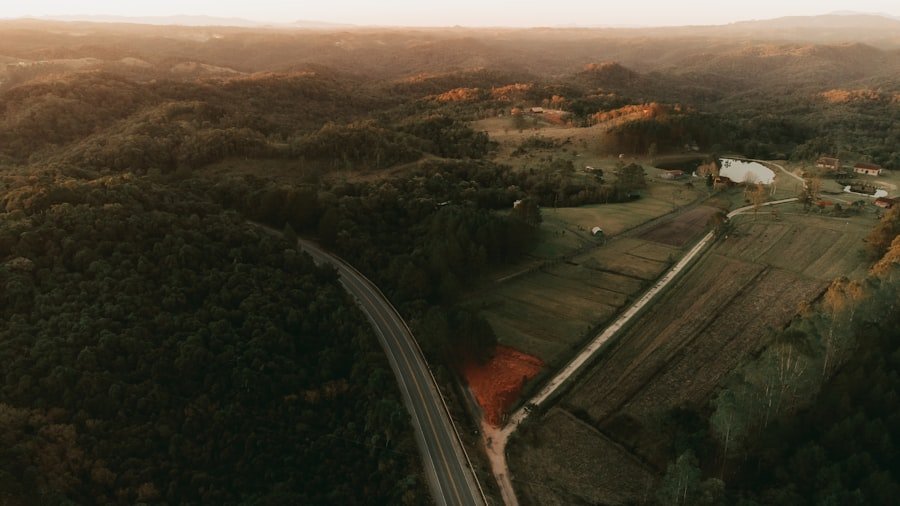
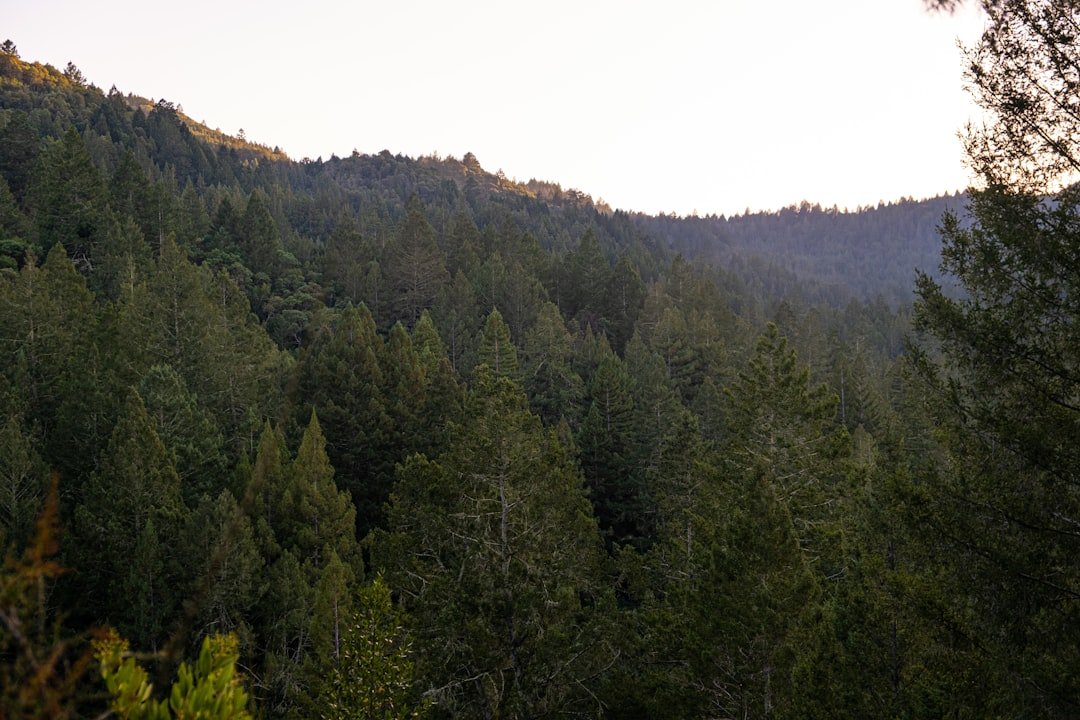
Huntsville has unusually easy access to forests and mountain terrain for a growing Southern city. Monte Sano State Park is the most obvious place to start. The park covers more than 2,000 acres and currently lists about 20 miles of hiking trails and 14 miles of biking trails, along with overlooks, picnic areas, camping, and cabins.
The trails range from easier walks to rocky and steeper routes, so choose by distance and difficulty rather than assuming every trail is family-friendly. Carry water, use sturdy footwear on rocky sections, and check park conditions before leaving downtown.
The Land Trust of North Alabama adds more than 100 miles of public trails across its nature preserves. Many preserves are free to access and open from dawn to dusk. These areas are useful if you want a shorter hike without committing most of a day to a state park.
For paddling and fishing, the Tennessee River and connected recreation areas provide opportunities for kayaking, canoeing, and angling. Travelers planning to fish should confirm current Alabama licensing and water-access rules before heading out.
Birders with extra time can also consider Wheeler National Wildlife Refuge as a regional side trip. The U.S. Fish & Wildlife Service reports that hundreds of bird species have been documented on the refuge, and its roads, trails, observation areas, and seasonal waterfowl activity make it particularly appealing to wildlife photographers.
Note: North Alabama trails can become muddy after heavy rain. The Land Trust specifically asks visitors to stay off wet trails for at least 24 hours after rainfall. Summer heat and thunderstorms can also change hiking conditions quickly, so check the forecast and trail notices before setting out.
Historical Sites and Museums
Huntsville’s story is much older than the space program. The community was settled by John Hunt in 1805, was incorporated as Huntsville in 1811, and later became an important political, commercial, and military center in North Alabama. Several downtown attractions make that history easy to explore on foot.
| Historic Stop | Why Visit | Planning Note |
|---|---|---|
| Alabama Constitution Hall Park | Explores Huntsville in 1819 and the events surrounding Alabama statehood. | Public tours are seasonal. In 2026, the park lists tours March through December on Thursday, Friday, and Saturday. |
| Twickenham Historic District | Huntsville’s first locally designated historic preservation district and home to Alabama’s largest collection of pre-Civil War houses. | Explore on foot or with a self-guided history tour, and remember that most houses are private residences. |
| EarlyWorks Children’s Museum | Hands-on history and STEAM exhibits designed especially for children. | The museum says children ages 2 to 12 generally get the most from its interactive exhibits. |
Twickenham Historic District was designated by Huntsville in 1972. Its streets include Federal, Greek Revival, Gothic Revival, Italianate, and other architectural styles. Rather than expecting routine entry into private houses, use the neighborhood as a walking architecture experience and add a museum or guided historical attraction for deeper interpretation.
For a flexible option, the tourism bureau also offers a Digital Huntsville History Tour with dozens of stops, maps, directions, and audio information that can be followed on a phone.
Dining and Nightlife in Huntsville
Huntsville’s dining scene ranges from Southern cooking and barbecue to international restaurants, bakeries, breweries, and higher-end downtown dining. For a more polished dinner, Cotton Row remains a well-known choice on the downtown square. Nearby Commerce Kitchen focuses on Southern-inspired dishes in a more relaxed setting.
For a less formal evening, Campus No. 805 occupies a former school complex west of downtown and combines breweries, restaurants, bars, entertainment businesses, and event spaces. It is home to established Huntsville breweries including Straight to Ale and Yellowhammer, making it easier to combine dinner and nightlife without moving between several parts of town.
Travelers who prefer to sample several areas should also look beyond a single “best restaurant” list. Downtown, Campus No. 805, Stovehouse, Bridge Street, and other districts offer very different atmospheres, so the best dining area depends on whether your priority is walkability, breweries, family dining, or a quieter dinner.
If you are also exploring broader food content on this site, the separate article Exploring the Delightful World of Asian Melon covers an ingredient-focused topic rather than Huntsville-specific restaurants.
Shopping in Huntsville
For national retailers, restaurants, and entertainment in one walkable complex, Bridge Street Town Centre is one of Huntsville’s main shopping destinations. The outdoor center currently has more than 70 shops and restaurants along with entertainment and hotel options.
For something more local, Lowe Mill is the stronger choice. Its studios give visitors the chance to buy art, ceramics, jewelry, prints, clothing, food products, and other handmade goods directly from artists and makers. Public hours and individual studio schedules can differ, so check Lowe Mill’s current calendar before planning your visit around a specific artist or event.
Downtown Huntsville also has independent shops and specialty businesses that can be combined with Big Spring Park, restaurants, and the historic districts without dedicating a separate day to shopping.
Accommodation Options in Huntsville
Where you stay can make a noticeable difference because Huntsville’s attractions are spread across several districts.
- Downtown: Best for travelers who want restaurants, Big Spring Park, the Von Braun Center, historic neighborhoods, and downtown attractions close by. Properties such as Embassy Suites Huntsville Downtown put visitors directly in the city center.
- Bridge Street / Research Park: Convenient for shopping, Research Park, and access toward the U.S. Space & Rocket Center. Element Huntsville is located at Bridge Street Town Centre rather than downtown and offers an extended-stay-oriented layout.
- Guest-house or B&B-style stay: Travelers looking for a smaller property can check verified local listings such as Dogwood Manor Guest House.
- Outdoor stay: Monte Sano State Park offers cabins and camping for travelers who would rather wake up near hiking trails than in the city center.
Before booking, compare the location with the attractions that matter most to you. Downtown and Bridge Street are not interchangeable, and staying close to one does not mean you can walk to most attractions in the other.
Best Time to Visit Huntsville
Spring and fall are generally the easiest seasons for combining outdoor sightseeing with museums and downtown walking. Spring brings garden blooms, while fall is popular for cooler hiking weather and changing foliage around Monte Sano.
Summer can still be a good time for family travel and indoor attractions, but North Alabama is often hot and humid, with thunderstorms possible. If hiking is a priority, schedule outdoor time earlier in the day and keep indoor attractions available as backups.
Winter is quieter and can work well for museums, restaurants, and seasonal events, although temperatures can vary considerably. Attractions may also adjust hours around holidays.
If the Purdy Butterfly House is an important part of your trip, verify the current butterfly season before choosing dates. Huntsville Botanical Garden lists butterflies seasonally rather than year-round.
Getting to and Around Huntsville
Huntsville International Airport (HSV) is the city’s primary commercial airport. Rental-car counters and other ground transportation options are available around the baggage-claim level, making a rental car straightforward for visitors who plan to explore multiple districts.
For most leisure travelers, driving or rideshare is the simplest way to move between the U.S. Space & Rocket Center, downtown, Bridge Street, Monte Sano, Lowe Mill, and the Botanical Garden. Several of these attractions are separated by distances that make walking between them impractical.
Huntsville also operates the Orbit fixed-route bus system. As of August 2026, the City lists service Monday through Friday from 6 a.m. to 9 p.m. and Saturday from 8 a.m. to 5 p.m. Check the current route map before relying on transit for a particular attraction because service does not function like a door-to-door tourist shuttle.
A Simple Two-Day Huntsville Itinerary
Day 1: Space, Gardens, and an Evening Out
- Start at the U.S. Space & Rocket Center and allow several hours for the main museum and Saturn V exhibits.
- Continue to Huntsville Botanical Garden for outdoor walking, seasonal exhibits, and the butterfly habitat when in season.
- Spend the late afternoon at Bridge Street Town Centre if you want shopping, or return toward downtown for a walk around Big Spring Park.
- Finish with dinner downtown or visit Campus No. 805 for breweries, restaurants, and evening entertainment.
Day 2: History, Local Art, and the Mountains
- Begin downtown with Alabama Constitution Hall Park or EarlyWorks, depending on your interests and the ages in your group.
- Walk part of the Twickenham Historic District or use the Digital Huntsville History Tour.
- Visit Lowe Mill during its public hours to browse working studios and galleries.
- Finish at Monte Sano State Park for a short hike, overlook, or picnic if weather and daylight allow.
With a third day, you can slow the pace, hike longer trails, spend more time at the Space & Rocket Center, visit additional museums, or make a wildlife-focused side trip toward Wheeler National Wildlife Refuge.
Tips for Making the Most of Your Huntsville Trip
- Check attraction schedules individually. Museums, historic sites, gardens, studios, and seasonal exhibits do not all follow the same operating days.
- Use the Huntsville Attractions Pass carefully. It can reduce admission costs at participating attractions, but confirm current participants and terms rather than assuming every museum is included.
- Do not overpack your itinerary. The Space & Rocket Center can easily take several hours, especially for families or serious space enthusiasts.
- Group attractions by area. Downtown history and dining work well together; Bridge Street pairs naturally with Research Park; Lowe Mill and Campus No. 805 can fit into the same part of a day.
- Check trail conditions. Rain, heat, and seasonal conditions can affect Monte Sano and Land Trust trails.
- Leave room for local events. Huntsville regularly hosts arts, music, food, holiday, and community events, so check the current tourism calendar shortly before your trip.
Frequently Asked Questions
What are the top attractions in Huntsville?
For most first-time visitors, the U.S. Space & Rocket Center, Huntsville Botanical Garden, Monte Sano State Park, Lowe Mill ARTS & Entertainment, downtown Huntsville, and the Twickenham Historic District are the strongest starting points.
What are the best outdoor activities in Huntsville?
Popular choices include hiking or mountain biking at Monte Sano State Park, exploring Land Trust of North Alabama preserves, walking Huntsville’s parks and greenways, and enjoying paddling or fishing opportunities connected to the Tennessee River.
What is the best time to visit Huntsville?
Spring and fall are usually the easiest seasons for combining outdoor activities with sightseeing. Summer works well for museums and family attractions but can be hot and humid, while winter is generally quieter and better suited to indoor attractions and seasonal events.
What are some family-friendly attractions in Huntsville?
The U.S. Space & Rocket Center, Huntsville Botanical Garden, EarlyWorks Children’s Museum, parks, and easier nature trails are strong family choices. EarlyWorks says its interactive museum is especially suited to children ages 2 to 12.
What are the dining options in Huntsville?
Huntsville has Southern restaurants, barbecue, international food, bakeries, breweries, fine dining, and casual neighborhood restaurants. Downtown is convenient for dinner after sightseeing, while Campus No. 805 is useful for combining food, craft beer, and nightlife.
What are the transportation options in Huntsville?
Huntsville International Airport serves the region, with rental cars and ground transportation available at the airport. Within the city, visitors can drive, use rideshare or taxis, or use Huntsville’s Orbit fixed-route bus system where routes fit their itinerary.
How many days do you need in Huntsville?
Two full days are enough for the major highlights. Three days are better if you want longer hikes, more museums, extra family activities, shopping, or time to explore without rushing between districts.
Do you need a car when visiting Huntsville?
A car is not mandatory for every visitor, but it is the easiest option for a sightseeing trip because major attractions are spread across the city. Orbit buses serve fixed routes, while rideshare can fill gaps for travelers who prefer not to rent a vehicle.
Sources
- City of Huntsville: About Huntsville — city population, history, and current city facts.
- NASA: Marshall Space Flight Center — Marshall’s founding and role in the U.S. space program.
- U.S. Space & Rocket Center — museum exhibits, visitor information, and Saturn V resources.
- Huntsville Botanical Garden — current Garden size, features, and visitor planning.
- Alabama State Parks: Monte Sano State Park — trail mileage, recreation, fees, and park information.
- Huntsville/Madison County Convention & Visitors Bureau — current attractions, lodging, discounts, events, and trip-planning resources.