Bogn Engiadina Scuol sits in one of the most photogenic parts of the Lower Engadine, with mountain ridges, historic village streets, mineral-water fountains, traditional Engadine houses, and wide valley views close at hand. The best photography opportunities, however, are mainly around Scuol rather than inside the bathing area. Knowing where photography is permitted is therefore just as important as choosing the right lens or light.
Quick Answer
For the best Bogn Engiadina Scuol photography, shoot the surrounding Lower Engadine landscape from public outdoor locations such as Scuol’s old village quarters, the Ftan–Scuol route, and Motta Naluns. Do not plan to photograph from the bathing area: Bogn Engiadina’s current house rules prohibit carrying or using camera-function devices there.
Warning: Bogn Engiadina’s official house rules state that carrying and using mobile phones, smartphones, tablets, and other devices with camera functions is prohibited in the bathing area. Follow all posted rules and staff instructions. Plan your photography for permitted public areas around Scuol instead.
Key Takeaways
- Treat Bogn Engiadina as a mineral bath, and photograph the surrounding Lower Engadine scenery from permitted public locations.
- For wide mountain views, consider Motta Naluns or the panoramic route between Ftan and Scuol.
- Photograph Scuol’s historic quarters for Engadine houses, village fountains, narrow lanes, and decorative sgraffito.
- Early and late daylight can create warmer, softer landscape light, while overcast conditions work well for architecture and detail photography.
- Check the weather before heading onto exposed mountain routes, especially when thunderstorms are possible.
- Use respectful distances for people and wildlife, and follow stricter protection rules when photographing in protected areas such as the Swiss National Park.
At a Glance
| Time Required | 1–3 hours for a village photo walk; longer for mountain or panoramic routes |
| Difficulty | Easy in central Scuol; easy to moderate depending on the chosen mountain route |
| Tools Needed | Camera or phone for permitted outdoor areas, wide or standard lens, spare battery, lens cloth, weather protection |
| Cost | Photography from public village streets is generally free; transport, mountain railways, parking, or attraction admission can add costs |
Understand What You Are Photographing at Bogn Engiadina Scuol
Bogn Engiadina is located in Scuol in Switzerland’s Lower Engadine. The destination is strongly associated with mineral water, and the official Bogn Engiadina information describes bathing in mineral water from the Scuol-Tarasp region. For accurate captions and travel writing, “mineral bath” is therefore a better description than suggesting that you are photographing a naturally hot thermal spring.
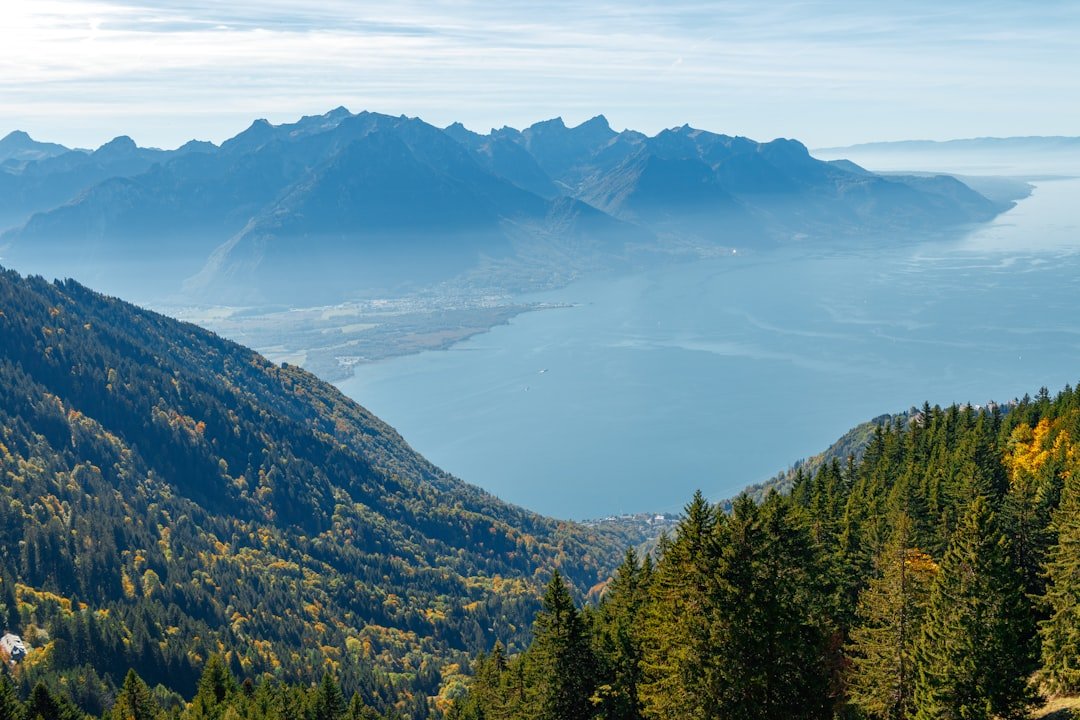
The surrounding landscape gives photographers much more freedom. Scuol sits among steep mountain slopes and high peaks, while the older parts of the village contain traditional Engadine architecture, mineral-water fountains, squares, and narrow streets. Higher ground opens wider views across the Lower Engadine.
Instead of thinking of Bogn Engiadina itself as the viewpoint, use the spa as the geographic starting point for a wider photography session around Scuol.
Best Public Viewpoints and Photo Locations Around Scuol
The most useful improvement you can make to your photography plan is to choose a location before choosing camera settings. The following places give you different types of photographs while keeping the actual shooting in public or outdoor areas where normal photography is more practical.
| Location | Best For | Photography Approach |
| Scuol Sura and Scuol Sot | Engadine houses, fountains, lanes, architectural details | Use a standard or moderate wide-angle lens and look for repeating windows, sgraffito, fountains, doorways, and street layers. |
| Ftan–Scuol route | Lower Engadine panoramas, meadows, village-and-mountain compositions | Use foreground vegetation, fences, trails, or buildings to give scale to the mountain background. |
| Motta Naluns | High-elevation panoramas and geological mountain views | Shoot both wide landscapes and tighter telephoto layers that separate individual ridges and peaks. |
| Tarasp and nearby viewpoints | Castle, lake, forest, and mountain combinations | A moderate telephoto lens can compress the castle against the mountains; wider focal lengths can include surrounding landscape. |
The official Motta Naluns geology route identifies five geological viewpoints, making the area especially useful when you want a deliberate mountain-viewpoint photography plan rather than simply wandering until you find a composition.
Motta Naluns has five designated geological viewpoints, giving photographers several structured opportunities to study and frame the surrounding mountain landscape.
Pro Tip: Combine your spa visit with photography rather than trying to photograph during it. Shoot Scuol’s village streets or a nearby viewpoint first, store your camera securely, enjoy Bogn Engiadina without a device, and photograph another outdoor location afterward if the light is still good.
Finding the Best Lighting Around Bogn Engiadina Scuol
Light can change the Lower Engadine quickly. Early morning and late-afternoon light often produces softer contrast and warmer color than the middle of a clear day. When the sun is low, side lighting can also make mountain ridges, village façades, and textured ground appear more three-dimensional.
That does not mean you should avoid midday or cloudy conditions. Overcast weather can be excellent for Scuol’s architecture because it reduces harsh highlights and deep shadows around windows, doorways, fountains, and decorative façades. Cloud cover can also make forest details and autumn colors easier to expose evenly.
When photographing a mountain panorama on a bright day, expose carefully for the highlights. Modern cameras and phones can recover a surprising amount of shadow detail, but completely blown-out clouds are much harder to restore.
Useful Starting Settings
- Wide landscape: ISO 100–200, around f/8 on a camera with adjustable aperture, then choose a shutter speed that gives a sharp handheld or tripod-supported image.
- Architecture: ISO 100–400 and around f/5.6–f/8 when you want several architectural layers sharp.
- Moving people: Start around 1/250 second or faster and raise ISO if necessary.
- Wildlife: A faster shutter speed is usually more important than keeping ISO extremely low.
- Phone photography: Tap the brightest important area to check exposure and reduce exposure slightly when bright clouds are losing detail.
These are starting points rather than fixed recipes. Adjust them for your equipment, focal length, subject movement, and available light.
Note: Mountain light can change quickly as clouds pass over ridges. Take several exposures when the light is changing rather than assuming one frame will capture the best balance.
Utilizing the Local Flora and Fauna in Your Photography

Flowers, grasses, trees, and seasonal vegetation can turn a distant mountain view into a photograph with depth. Instead of pointing the camera directly at the horizon, place a flower, textured meadow, path, fence, or branch in the foreground and let it lead toward the mountains.
A longer focal length offers another approach. Rather than showing an entire meadow, isolate a small section of flowers against a distant slope. A wider aperture can soften the background and create a simpler image.
The wider Lower Engadine also supports alpine wildlife. If you encounter animals, avoid approaching merely to fill the frame. Use a longer lens or crop afterward rather than disturbing the subject.
If your photography trip extends into the Swiss National Park, stricter rules apply. Visitors must remain on marked paths and designated resting areas, natural objects must not be removed, and nature must be left undisturbed.
Incorporating the Cultural and Architectural Elements of Scuol
| Aspect | What to Photograph |
| Engadine houses | Broad façades, deep-set windows, entrances, and traditional proportions |
| Sgraffito | Scratched ornamental patterns around windows, doors, and façades |
| Village fountains | Water, stone textures, surrounding façades, and reflections |
| Village streets | Leading lines, narrow passages, repeating windows, people, and mountain glimpses |
| Mountain context | Buildings framed against the Lower Engadine slopes and peaks |
Scuol is valuable to photographers because the built environment can be combined with the mountain landscape. The official Engadin destination information highlights the traditional Engadine houses, village squares, and narrow streets in the older parts of Scuol.
One of the most recognizable details is sgraffito. In this traditional technique, ornamental designs are scratched into damp façade plaster. Graubünden Tourism explains that sgraffito has long shaped the streetscape of the Engadine.
For stronger architectural photographs, step back far enough to keep vertical lines under control. If you must tilt the camera upward, leave extra space around the building so you can correct perspective later without cutting off architectural details.
For close-ups, look for contrasts between painted or plastered walls, decorative borders, wooden doors, stone fountains, shadows, and window shapes. These details often tell a stronger story than photographing every building straight on.
Tips for Capturing the Changing Seasons in Bogn Engiadina Scuol
Seasonal change can completely alter the character of Scuol and the surrounding Lower Engadine, so use the season as part of your composition rather than treating it only as background.
Spring
Spring can provide emerging vegetation and flowers alongside lingering snow at higher elevations. Low-angle photographs can place new growth prominently in the foreground while keeping snow-covered mountains in the distance.
Summer
Summer gives you long daylight, green slopes, hiking access, and plenty of opportunities for landscape photography. Because midday sunlight can be harsh, use shaded streets and architectural details during the brightest hours and save exposed panoramas for softer light when possible.
Autumn
Autumn brings warmer vegetation colors and can work especially well with stone, plaster, and traditional village architecture. A polarizing filter can sometimes reduce glare from foliage and deepen color, although its effect can look uneven across very wide blue skies.
Winter
Snow simplifies a scene and makes dark roofs, trees, windows, and mountain ridges stand out. Cameras can underexpose large areas of bright snow, so check your histogram or preview and add exposure when necessary while protecting bright highlights.
Cold weather also affects batteries. Carry a charged spare close to your body rather than leaving every battery exposed to low temperatures.
Using Different Angles and Perspectives to Highlight the Landscape

Eye-level photographs are useful, but changing camera height can transform an ordinary scene. Crouch lower when you want flowers, paving stones, snow, or grasses to dominate the foreground. Move higher when you want to reveal the pattern of rooftops, streets, or valley contours.
Leading lines are especially useful in Scuol. Roads, paths, walls, streams, rooflines, and fences can guide the viewer through the frame toward a mountain, building, or distant village.
A strong viewpoint is not always the highest one. A lower position with an interesting foreground can create more depth than an empty panorama taken from above.
Also experiment with compression. A telephoto lens can make distant mountain ridges appear closer together and create layers of light, haze, forest, buildings, and rock. A wide-angle lens does the opposite, emphasizing the relationship between a close foreground and the broader landscape.
Capturing the Essence of Scuol Through Portraiture
Portraits can connect people to the Lower Engadine setting, but privacy matters. Ask permission before making a person the clear subject of a close portrait, especially during local events or in quieter residential streets.
For environmental portraits, give the background enough space to explain where the photograph was made. A person framed beside an Engadine house, village fountain, hiking path, or distant mountain ridge can create a stronger sense of place than a tightly cropped headshot.
Soft open shade is often flattering for portraits. It also helps prevent the subject from squinting in strong alpine sun. If the background is much brighter than the face, adjust exposure carefully or reposition the subject so the lighting is more balanced.
Let the landscape support the person rather than compete with them. One recognizable architectural or mountain element is often enough to establish the setting.
Protecting Your Camera Around Water, Cold, and Changing Weather
A photography day paired with a mineral-bath visit creates one practical challenge: moisture and temperature changes. Keep photography equipment stored away from wet bathing areas and follow the venue’s device restrictions.
During winter, moving a very cold camera directly into warm, humid air can encourage condensation. Keeping the equipment inside a closed camera bag while it gradually warms can reduce the sudden temperature change. Wait until the equipment has adjusted before opening the bag.
Outdoors, carry basic rain protection even when the day begins clear. In mountain environments, clouds and precipitation can develop quickly.
Warning: Do not remain on an exposed ridge, summit, open field, beside water, or near an isolated tree simply to photograph a thunderstorm. MeteoSwiss specifically advises avoiding bodies of water and exposed terrain when thunderstorms threaten.
Enhancing Your Bogn Engiadina Scuol Photography with Editing and Post-Processing Techniques
Post-processing works best when it strengthens details that were already present rather than creating an unrealistic version of the Lower Engadine. Start with exposure, white balance, highlights, and shadows before reaching for stronger effects.
For landscapes, moderate highlight recovery can help preserve cloud detail, while a small increase in shadow brightness can reveal texture in valleys and village streets. Avoid pushing shadow recovery so far that dark mountain areas become flat or noisy.
Architecture often benefits from perspective correction. Straightening a building and correcting converging vertical lines can make a large difference, especially when you had to point the camera upward from a narrow street.
For snow, check that the final image remains neutral unless warm or cool light genuinely affected the scene. For autumn foliage, resist excessive saturation. Natural color differences between trees, grass, plaster, stone, and sky usually create enough variety on their own.
A Simple Editing Workflow
- Choose the strongest composition before editing.
- Correct horizon and perspective.
- Set overall exposure and white balance.
- Recover important highlight and shadow detail.
- Adjust contrast and color moderately.
- Apply lens corrections if needed.
- Sharpen according to the final display size.
- Review the image at normal viewing size before exporting.
The strongest Bogn Engiadina Scuol photography usually comes from combining three things: a clearly chosen public viewpoint, light that supports the subject, and enough local detail to make the photograph recognizable as the Lower Engadine. The mountain scenery supplies scale, while Scuol’s village streets, mineral-water culture, sgraffito, seasonal vegetation, and architecture supply the character.
Frequently Asked Questions
What is Bogn Engiadina Scuol?
Bogn Engiadina Scuol is a mineral-bath and wellness complex in Scuol, Switzerland. Its bathing experience is closely connected with the mineral springs of the Scuol-Tarasp region.
Can I take photos inside Bogn Engiadina Scuol?
Do not plan to take photographs in the bathing area. Bogn Engiadina’s current house rules state that carrying and using phones, smartphones, tablets, and other devices with camera functions is prohibited there. Check the latest official rules before your visit and follow all staff instructions.
Where can I photograph mountain views near Bogn Engiadina Scuol?
Good public options include viewpoints around Motta Naluns and the panoramic route between Ftan and Scuol. Scuol’s historic village areas are better for combining mountain scenery with traditional Engadine architecture.
What is the best time of day for photography around Scuol?
Early morning and late afternoon often provide softer, lower-angle light for mountain landscapes. Overcast conditions can be better for architecture, fountains, sgraffito, forest details, and other subjects where harsh contrast is distracting.
What lens is best for photographing Scuol?
A wide or standard lens is useful for village streets and broad landscapes. A moderate telephoto lens is valuable for isolating mountain ridges, architectural details, distant buildings, and wildlife without approaching too closely.
What architectural details should I photograph in Scuol?
Look for traditional Engadine houses, sgraffito decoration, deep-set windows, doors, village fountains, narrow lanes, and the relationship between historic buildings and the surrounding mountains.
Is winter a good season for Bogn Engiadina Scuol photography?
Yes. Snow can simplify compositions and create strong contrast with buildings, trees, and mountains. Watch exposure because cameras may render bright snow too dark, and carry spare batteries because cold temperatures can reduce battery performance.
Can I photograph wildlife near Scuol?
You can photograph wildlife when you encounter it from an appropriate distance. Use a telephoto lens rather than approaching an animal. If you enter the Swiss National Park, remain on marked paths and designated resting areas and follow all park protection regulations.
Sources
- Bogn Engiadina House Rules — current bathing-area rules concerning phones and camera-function devices.
- Bogn Engiadina: Mineral Water — official information about the mineral springs and bathing tradition of Scuol-Tarasp.
- Engadin: Geologia Motta Naluns — official information on the five geological viewpoints at Motta Naluns.
- Graubünden Tourism: Ftan–Scuol Panoramic Hike — Lower Engadine panoramas, Engadine houses, village fountains, and route information.
- MeteoSwiss: Thunderstorm Danger Levels — official thunderstorm and lightning safety guidance.
- Swiss National Park Protection Regulations — rules for trails, wildlife, natural objects, and visitor conduct in the protected area.