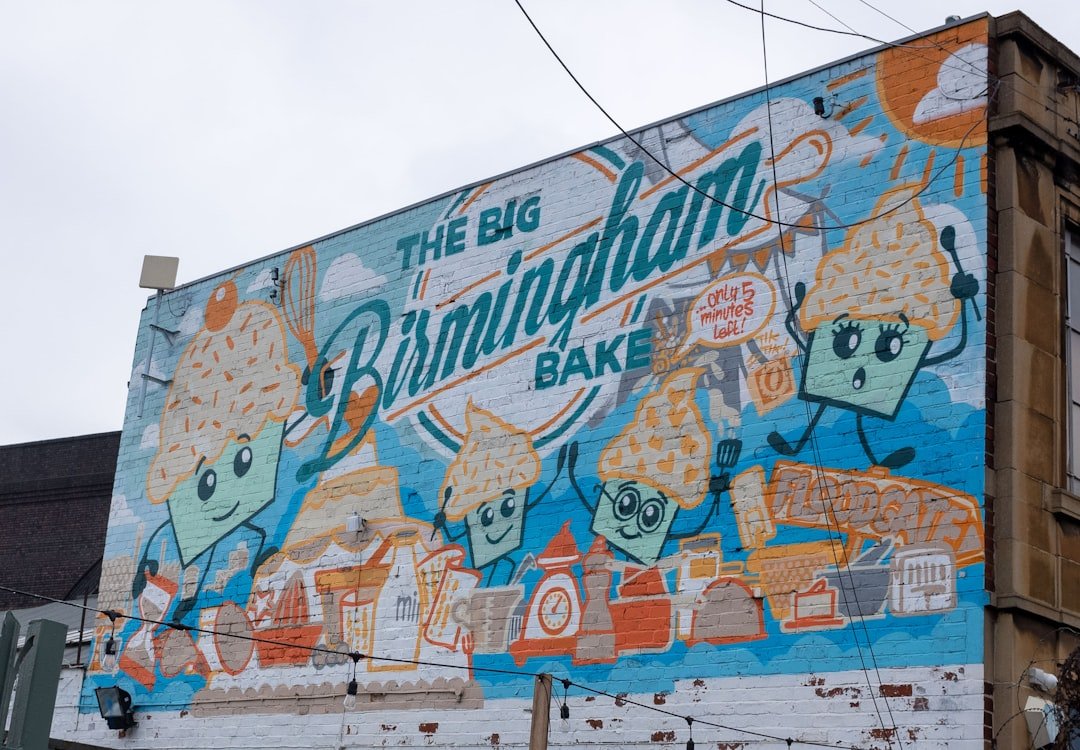
Birmingham, England, has a long-running street art and graffiti culture, with Digbeth at its center and notable works also appearing in the Jewellery Quarter, Southside, Kings Heath and other parts of the city. Some murals are commissioned and designed to last for years, while others disappear quickly as walls are repainted, buildings change hands or new artists add their work.
Quick Answer
For the best introduction to Birmingham street art, start in Digbeth around Gibb Street, Floodgate Street, Meriden Street and the Custard Factory. The Jewellery Quarter is also important for Banksy’s 2019 reindeer artwork. Look for work by Gent 48, Annatomix, Newso, Foka Wolf, Philth, N4T4, Title and other Birmingham artists.
Key Takeaways
- Birmingham’s graffiti culture can be traced to the mid-1980s, while later events such as City of Colours and High-Vis helped bring large-scale street art to wider audiences.
- Digbeth is the main area to explore, especially streets around the Custard Factory, Gibb Street, Floodgate Street and Meriden Street.
- Gent 48, Annatomix, Newso, Philth, Foka Wolf, N4T4, Hoakser and Title are among the artists associated with Birmingham’s urban-art culture.
- Notable Birmingham works have addressed subjects ranging from frontline workers and homelessness to music, local identity and social issues.
- Street art changes constantly. A mural shown in an old photograph or guide may have been altered, covered or removed by the time you visit.
History of Street Art and Graffiti in Birmingham
Birmingham’s graffiti history reaches back to the mid-1980s. Artists influenced by hip-hop culture developed lettering, characters and other graffiti styles on walls and urban infrastructure across the city. Birmingham artist Title, for example, began painting his name during the mid-1980s, according to the High-Vis Digbeth Street Art Tour.
Over time, the scene grew beyond traditional graffiti writing. Large murals, portraits, illustrations, paste-ups and commissioned public art became increasingly visible, particularly in Digbeth. Its brick walls, railway arches, warehouses and former industrial buildings gave artists unusually large surfaces on which to work.
A major milestone was the City of Colours festival in Digbeth in 2014. Artists from Birmingham and farther afield painted walls around the district, and another City of Colours event followed in 2016. Some pieces associated with these festivals survived for years, although others have since been replaced.
Later projects and events, including High-Vis, continued to provide legal walls, commissions and opportunities for Birmingham artists. This distinction is important: some Birmingham street art is officially commissioned or created with a property owner’s permission, while unauthorized graffiti is treated differently under the law.
Note: Street art is temporary by nature. Use named streets and districts as starting points rather than assuming that every mural mentioned in an older guide will still be visible.
Notable Birmingham Murals and Street Art
Forward in Unity by Gent 48
One well-documented Birmingham mural is Forward in Unity by Birmingham artist Josh Billingham, better known as Gent 48. Unveiled in 2020 on Meriden Street in Digbeth, it was created during the COVID-19 pandemic and depicts frontline workers and other professionals coming together.
The mural also incorporates Birmingham imagery, including the Rotunda, St Martin in the Bull Ring, the Birmingham bull and the city’s flag. Birmingham City University documented the project and Gent 48’s involvement.
Banksy’s Birmingham Reindeer
Birmingham also received an internationally recognized work from Banksy in December 2019. Painted on a wall in Vyse Street in the Jewellery Quarter, two white reindeer appear to pull a nearby bench. Banksy’s accompanying video used the setting to draw attention to homelessness and showed a man named Ryan resting on the bench.
Visit Birmingham documented the artwork after Banksy confirmed it. The mural was protected behind Perspex shortly after its appearance because it had already been defaced.
Black Sabbath and Birmingham’s Music Identity
Street art in Birmingham frequently overlaps with the city’s musical heritage. High-Vis projects have included a Black Sabbath mural by N4T4, with help from Wingy, created in 2019 to mark the band’s 50th anniversary. Music-themed works help connect Birmingham’s modern mural culture with the city’s influence on heavy metal and popular music.
The Big Hoot Was a Sculpture Trail, Not a Mural Project
The Big Hoot is sometimes mentioned alongside Birmingham’s street-art history because it filled public spaces with colorful artwork, but it was a different type of project. In 2015, Birmingham hosted a public-art trail of decorated owl sculptures created with artists, sponsors, schools and community groups to support Birmingham Children’s Hospital.
The project demonstrates Birmingham’s wider enthusiasm for public art, but it should not be confused with the city’s graffiti and mural scene.
Birmingham’s best street art works like an outdoor visual archive, recording local people, music, social issues and changing neighborhoods directly on the city’s walls.
Different Styles of Birmingham Street Art
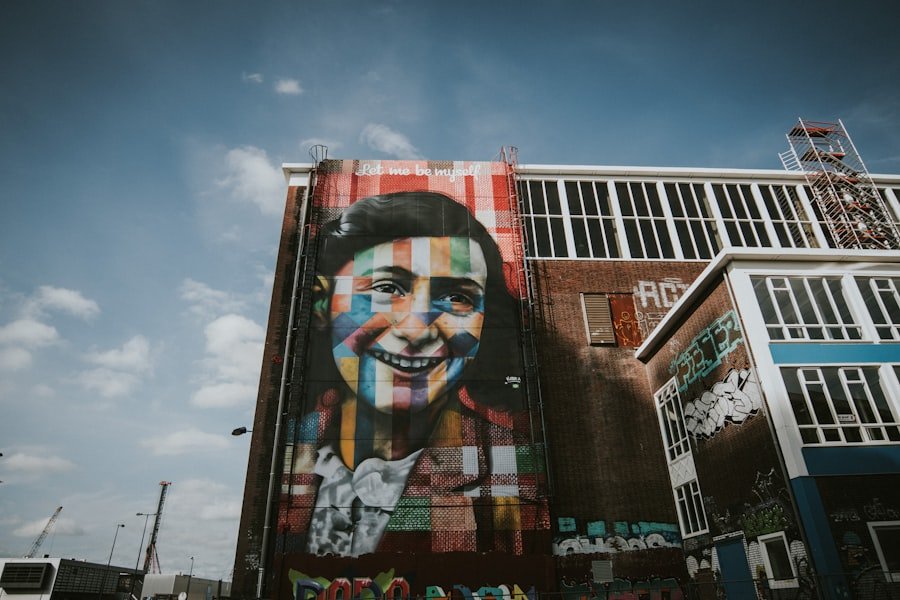
Birmingham’s streets show several forms of urban art rather than one single style. Knowing the differences makes a walk around Digbeth much more interesting.
Graffiti Lettering
Traditional graffiti emphasizes names, letter forms, outlines, fills and personal style. Birmingham’s graffiti history includes artists who began with lettering and later moved into murals, illustration and commercial commissions. Title is one long-running example associated with this tradition.
Character and Portrait Murals
Large figurative works are especially noticeable around Digbeth. Gent 48 is known for character-led imagery and detailed spray-painted murals, while Philth combines strong figurative drawing with decorative elements.
Geometric and Illustrative Street Art
Annatomix is known for precise geometric animals and other angular forms. Her work demonstrates how contemporary street art can combine illustration, geometry and spray-paint techniques rather than relying on traditional graffiti lettering.
Paste-Ups, Stickers and Subvertising
Not all street art is painted directly onto a wall. Paste-ups use paper or printed material attached to a surface, while stickers can create smaller interventions on the street.
Birmingham artist Foka Wolf is particularly associated with subvertising, which imitates or alters the visual language of commercial and political advertising. Ikon Gallery describes Foka Wolf’s work as using parody advertisements and billboard interventions to question social and political issues.
Festival Murals
Festivals have also brought visiting artists to Birmingham. Phlegm, Inkie and other artists produced work for City of Colours, adding international styles to a scene already shaped by local writers and muralists.
Artists Behind Birmingham’s Street Art Scene
| Artist | Known For | Birmingham Connection |
|---|---|---|
| Gent 48 | Detailed characters, portraits and large murals | Birmingham artist behind works including Forward in Unity |
| Annatomix | Geometric animals and angular designs | Regularly associated with Birmingham murals and High-Vis projects |
| Foka Wolf | Satirical posters, billboards and subvertising | Birmingham artist whose work addresses social and political subjects |
| Newso | Graffiti, portraits and murals | Closely associated with the development of Digbeth’s street-art scene |
| Philth | Illustrative portraits and decorative mural work | Has produced prominent work around Digbeth and High-Vis events |
| N4T4 | Figurative spray-paint work with layered textures | Created a prominent Black Sabbath mural for High-Vis in 2019 |
| Title | Lettering, classic graffiti and photorealistic elements | Part of Birmingham’s graffiti culture since the mid-1980s |
| Hoakser | Characters, lettering and mixed techniques | A long-running participant in Birmingham graffiti and community projects |
These artists show why Birmingham street art is difficult to reduce to a single look. Some come from traditional graffiti writing, others from illustration or graphic design, and others use public space for political commentary.
Gent 48 is particularly useful for understanding this overlap. His work moves between graffiti, highly detailed murals and commissioned public art. Annatomix takes a different approach with recognizable geometric forms, while Foka Wolf often works with the appearance of advertising rather than conventional painted murals.
The city’s history also includes artists from outside Birmingham. Festivals such as City of Colours brought visiting artists including Phlegm and Inkie into the same streets as local talent, helping Digbeth develop its reputation as an outdoor gallery.
How Street Art Has Changed Birmingham’s Neighborhoods
Digbeth provides the clearest example of the relationship between street art and Birmingham’s changing urban landscape. Former industrial buildings, railway arches, workshops and warehouse walls created large surfaces for legal commissions, festival pieces and unauthorized graffiti.
The result is an area where art is experienced as part of the streets rather than inside a conventional gallery. Visitors may encounter a large commissioned mural, a graffiti piece, a tiny sticker and a paste-up within a few minutes of walking.
It is safer to say that street art contributes to Digbeth’s identity and attracts visitors than to claim that murals alone caused the area’s economic growth. Restaurants, music venues, creative businesses, redevelopment and nightlife all play roles in how the district has changed.
Street art activity has also moved beyond Digbeth. High-Vis brought a major street-art event to Kings Heath in 2024, with artists working around York Road, Institute Road and Alcester Road. This shows how Birmingham’s mural culture continues to spread into different neighborhoods.
Pro Tip: Photograph the artist’s signature or tag as well as the full mural. It makes it much easier to identify and credit the artist later, especially because Birmingham’s walls change frequently.
The Impact of Street Art on Birmingham’s Culture and Identity
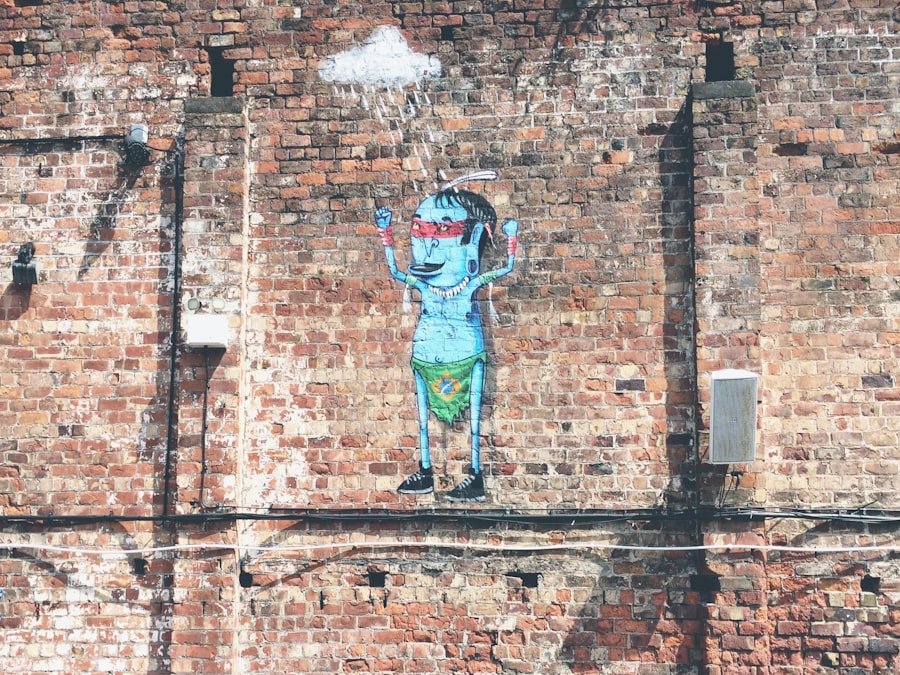
Birmingham’s murals often work as visual records of the city. They can celebrate local people, respond to national events, remember musicians, highlight social problems or simply turn a blank wall into a distinctive landmark.
Forward in Unity, for example, captured the experience of frontline workers during the COVID-19 pandemic. Banksy’s Jewellery Quarter work focused attention on homelessness. Foka Wolf has used billboards and poster-style interventions to discuss health care, inequality and other social issues.
Music is another recurring subject. Birmingham’s connection with Black Sabbath and heavy metal gives artists a deep pool of local cultural references. Murals that draw on music, industry, local landmarks and Birmingham personalities can make a wall feel specifically connected to the city rather than like artwork that could appear anywhere.
Street art can also introduce people to contemporary art who might not normally visit a gallery. There is no ticket barrier when a mural faces a public street, and viewers encounter it as part of everyday life.
Where to Find the Best Street Art in Birmingham
1. Digbeth
Digbeth should be the first stop for most visitors. Visit Birmingham promotes a dedicated graffiti walk through the area. The published route starts and ends around Birmingham Moor Street station and covers about 4 km, or 3 miles.
Useful areas to explore include:
- Gibb Street and the Custard Factory: one of the most recognizable concentrations of murals in Digbeth.
- Floodgate Street: a long-running location for graffiti and mural work.
- Meriden Street: associated with Gent 48’s Forward in Unity.
- Heath Mill Lane: another useful area for large-scale work.
- Railway arches and nearby side streets: often contain smaller pieces, lettering, stickers and changing works.
2. Jewellery Quarter
The Jewellery Quarter offers a different experience from Digbeth. Its best-known street-art connection is Banksy’s 2019 reindeer piece on Vyse Street. Because street art can be damaged, altered or removed, confirm current visibility before making a special trip for one work.
3. Kings Heath
Kings Heath became another focus for High-Vis activity, particularly around York Road and nearby streets. It is worth combining a street-art search with the neighborhood’s independent shops, cafes and music venues.
4. Southside and the City Centre
Murals, paste-ups and public-art projects periodically appear around Southside and central Birmingham as well. These areas are less concentrated than Digbeth, so they work better as additions to a wider city walk than as the main destination for a first-time street-art visit.
A Simple Digbeth Street-Art Walk
- Start near Birmingham Moor Street station.
- Walk toward Digbeth and explore Allison Street and Bordesley Street.
- Continue through the streets around Meriden Street.
- Explore Floodgate Street and nearby railway arches.
- Continue to Gibb Street and the Custard Factory.
- Use surrounding side streets for smaller graffiti, stickers and newly painted walls.
- Return toward Moor Street or continue exploring Digbeth’s cafes, venues and canals.
You can complete a focused walk in roughly two hours, but allowing longer gives you time to explore side streets and photograph details.
Note: View artwork from public streets and paths. Do not enter fenced construction sites, railway property, private yards or derelict buildings just to reach a mural.
Is Street Art Legal in Birmingham?
The important distinction is permission. Commissioned murals and works created with the property owner’s approval are different from painting someone else’s property without consent.
Birmingham City Council’s graffiti guidance defines graffiti as writing, marking or drawing on a surface without permission and treats unauthorized graffiti as criminal damage.
That means seeing legal street art around Digbeth does not give visitors permission to paint another wall themselves. Artists should have the property owner’s approval and check whether any additional requirements apply to a particular site or project.
Warning: Do not paint, mark or attach artwork to property simply because other graffiti is already present. Existing graffiti does not prove that a wall is a legal painting space.
The Future of Street Art in Birmingham
Birmingham’s street-art scene is likely to remain fluid rather than becoming a fixed outdoor museum. That is part of its appeal. A wall can carry one artist’s work for several years and then change completely within days.
Festivals and community projects have helped artists gain legal spaces and larger audiences, while redevelopment creates both opportunities and challenges. New hoardings and buildings can provide fresh surfaces for commissioned work, but redevelopment can also remove murals that once defined a street.
Digital photography and online archives now play an important role in preserving works after their physical walls change. For visitors, that means the most interesting approach is not simply to hunt for an old list of famous murals. Look at what is on the walls now, identify the artists where possible and treat the changing streetscape as part of the experience.
Birmingham is renowned for the way visual art, music and local identity overlap in its public spaces.
These artworks do more than add color to Birmingham’s streets. At their best, they tell stories about the people, music, challenges and communities that shape the city.
Birmingham’s cultural identity also extends far beyond visual art. The city is closely linked with Black Sabbath and the development of heavy metal, and that musical heritage regularly appears in local public art. For more on one of Birmingham’s most famous musicians, read this article about Ozzy Osbourne’s life and legacy.
Frequently Asked Questions
What is street art?
Street art is visual art displayed in public or publicly visible spaces. It can include murals, spray-painted pieces, stencils, paste-ups, stickers, installations and other forms. Some street art is officially commissioned, while other work is created without permission.
What are murals?
Murals are large artworks created directly on walls, ceilings or other substantial surfaces. Birmingham murals range from detailed portraits and geometric designs to community commissions, festival works and pieces celebrating local history or music.
What is Birmingham’s street-art scene like?
Birmingham has a varied street-art culture that includes traditional graffiti lettering, large murals, geometric art, portraits, stickers, paste-ups and political subvertising. Digbeth has the greatest concentration, although works also appear in the Jewellery Quarter, Kings Heath, Southside and elsewhere.
Who are some well-known Birmingham street artists?
Artists closely associated with Birmingham include Gent 48, Annatomix, Newso, Foka Wolf, Philth, N4T4, Title and Hoakser. Visiting artists have also produced major pieces during Birmingham street-art festivals.
What is the best area for street art in Birmingham?
Digbeth is the best starting point. Explore Gibb Street, the Custard Factory area, Floodgate Street, Meriden Street and nearby railway arches and side streets. Visit Birmingham also publishes a roughly 4 km, or 3 mile, graffiti walk through the district.
Is street art legal in Birmingham?
Street art can be legal when the artist has permission to use the property. Birmingham City Council defines graffiti as markings made without permission and treats unauthorized graffiti as criminal damage. Never assume a wall is legal to paint simply because other artwork is already there.
How long should I allow for a Digbeth street-art walk?
Allow about two hours for a focused walk, or half a day if you want to photograph murals, explore side streets and stop at cafes or other attractions. The Visit Birmingham graffiti route is approximately 4 km, or 3 miles.
Will the murals I see online still be there when I visit?
Not necessarily. Street art changes frequently. Murals can be painted over, damaged, removed during redevelopment or replaced by new work. Treat older photographs and walking guides as starting points rather than guarantees.
Sources
- Visit Birmingham: Graffiti Art of Digbeth Walk — official visitor information for exploring Digbeth street art.
- Visit Birmingham: Banksy in the Jewellery Quarter — documents Banksy’s 2019 Birmingham reindeer artwork.
- Birmingham City University: Forward in Unity — confirms Gent 48, the mural’s subject, date and Digbeth location.
- Birmingham City Council: Graffiti Removal — current council guidance on graffiti and unauthorized markings.
- High-Vis: Digbeth Street Art Tour — Birmingham artist histories, festival works and Digbeth mural information.
- Ikon Gallery: Foka Wolf, Why Are We Stuck in Hospital? — authoritative background on Birmingham artist Foka Wolf and subvertising.