
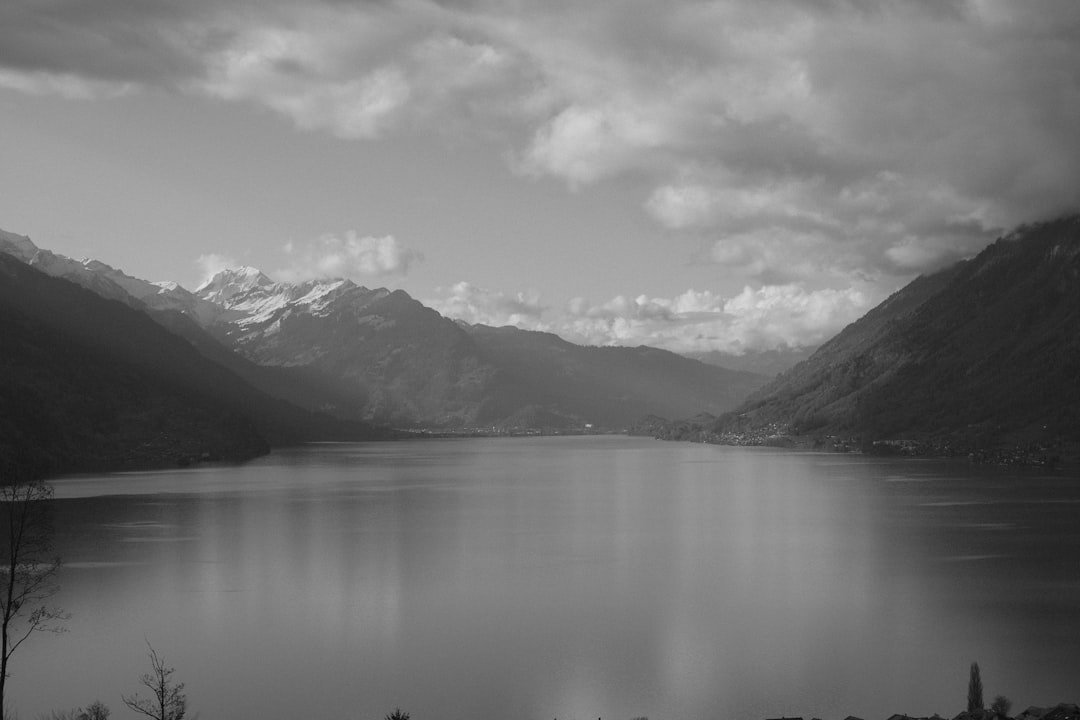
Lake Brienz is a turquoise alpine lake in Switzerland’s Bernese Oberland, between Interlaken and the village of Brienz. Steep mountain slopes rise above the water, while lakeside villages, waterfalls, hiking trails, boat services, swimming areas, and mountain excursions make the lake useful for much more than sightseeing. You can spend a few hours here on a day trip or use the area as a quieter base for exploring the wider Interlaken region.
Quick Answer
Lake Brienz is best explored by combining a boat ride with Brienz, Iseltwald, Giessbach Falls, and, in season, the Brienz Rothorn Railway. Summer is best for swimming and water sports, while spring and autumn bring vivid lake color, strong waterfalls, and generally quieter sightseeing conditions.
Key Takeaways
- Lake Brienz is known for turquoise water created in part by fine glacial sediment carried into the lake.
- Giessbach Falls, Iseltwald, Brienz village, lake cruises, and Brienzer Rothorn are among the main attractions.
- You can visit easily without a car because Brienz and Interlaken are connected by rail, while seasonal boats link several lakeside stops.
- Swimming, kayaking, SUP, hiking, and cycling are popular, but the lake is open water and conditions can change quickly.
- Check seasonal timetables before planning around boats, mountain railways, or other weather-dependent activities.
Lake Brienz Facts and Why the Water Is Turquoise
According to Interlaken Tourism, Lake Brienz is about 14 km long, 2.8 km wide, covers approximately 29.8 km², and reaches about 260 m at its deepest point. It lies in the Bernese Oberland east of Interlaken.
The striking turquoise color comes from extremely fine mineral particles carried into the lake by glacial waters. These particles remain suspended in the water and interact with sunlight, helping produce the intense blue-green appearance for which Lake Brienz is known.
Lake Brienz is about 14 km long and reaches a maximum depth of roughly 260 m, yet its brilliant turquoise color is often the detail visitors remember first.
Top Attractions and Activities
Giessbach Falls
Giessbach Falls is one of the lake’s signature natural attractions. The stream descends toward Lake Brienz in 14 stages beside the historic Grandhotel Giessbach. A short circular trail lets you see the cascades from several angles, including a section that passes behind part of the waterfall.
You can reach Giessbach by road, on foot, or during the operating season by boat to Giessbach See. Official visitor information for Giessbach Falls recommends good footwear because parts of the trail can be slippery. The falls are often especially powerful after rain and during spring snowmelt.
Pro Tip: If you are traveling during the boat season, combine the lake cruise with Giessbach instead of treating the boat only as sightseeing. It can function as part of your transport for the day.
Iseltwald
Iseltwald sits on the southern shore and works well for a slower stop. You can walk through the village, spend time by the waterfront, use the local lido when conditions and seasonal opening hours allow, or continue on foot toward Giessbach Falls.
The lakeside route between Iseltwald and Giessbach is one of the area’s popular walks. If you plan to combine walking and boat travel, check the day’s boat schedule first so you know where and when you can rejoin public transport.
Brienz Village
At the eastern end of the lake, Brienz combines a lakeside promenade with traditional wooden buildings, small streets, shops, and a long woodcarving heritage. Brienz is a particularly practical base because the railway station, boat landing, village center, and lower station of the Brienz Rothorn Railway are close to one another.
Allow time to walk along the waterfront and through the older village streets rather than using Brienz only as a transport interchange.
Brienzer Rothorn
The historic Brienz Rothorn Railway climbs from Brienz toward Rothorn Kulm and provides broad views over Lake Brienz and the surrounding mountains. It is a seasonal excursion rather than a year-round attraction.
For 2026, the official Brienz Rothorn Railway timetable lists service to Rothorn Kulm from June 6 through October 25. Capacity can be limited on busy days, so advance planning is sensible when the railway is an important part of your itinerary.
Take a Lake Brienz Boat Cruise
A boat trip gives you a different view of the steep shoreline, waterfalls, forests, and villages. It can also connect Interlaken Ost, Iseltwald, Giessbach, Brienz, and other stops depending on the seasonal timetable.
In 2026, BLS Lake Brienz services operate from April 3 through December 6. Timings and the number of sailings vary, so check your exact date rather than building a trip around an assumed departure.
Note: Lake Brienz boats are seasonal. Train and bus travel remain important when boats are not running or when the day’s sailing times do not fit your route.
Best Places to Stay

Where you stay should depend on how you plan to use the lake rather than simply choosing the property with the closest water view.
Brienz: Best for a Quieter Lakeside Base
Brienz is a strong choice if you want to wake up beside the lake, walk through the village, use the Brienz Rothorn Railway, and reach the boat landing and railway station easily. Guesthouses, apartments, and hotels provide options across different comfort levels.
Interlaken: Best for Transport and Wider Day Trips
Interlaken is more convenient if Lake Brienz is only one part of a larger Bernese Oberland trip. Interlaken Ost is the western transport gateway for Lake Brienz and connects readily with trains toward Brienz as well as routes toward the Jungfrau area.
Iseltwald: Best for a Small-Village Atmosphere
Iseltwald suits visitors who value quiet evenings and direct access to the southern shoreline. It has fewer services than Interlaken, so check restaurant hours and transport connections if you plan to arrive late or travel outside the main visitor season.
Giessbach: Best for a Historic Stay
Grandhotel Giessbach occupies a distinctive position above the lake beside the falls. Staying there puts you close to the waterfall and surrounding walking paths, but seasonal transport and access should be checked when arranging the trip.
Dining and Cuisine
Food around Lake Brienz ranges from casual lakeside meals to hotel restaurants and traditional Swiss dishes. Instead of searching for one supposed “must-eat” dish, choose where to eat based on the part of the lake you will already be visiting.
| Dining choice | What to expect |
| Swiss classics | Cheese dishes such as fondue or raclette may appear on traditional and seasonal menus, especially in cooler weather. |
| Lakeside restaurants | Useful for a relaxed lunch or dinner when you are already visiting Brienz, Iseltwald, Giessbach, or another lakeside stop. |
| Quick meals and cafés | Convenient when your day is built around boats, trains, hiking, or other timed connections. |
| Picnic food | A practical choice for lakeside walks, provided you use permitted picnic areas and take all litter with you. |
If you want fondue or raclette specifically, check the current menu before making a special trip. Menus and opening days can change by season, particularly outside summer.
Transportation and Getting Around
Lake Brienz is easy to explore without a car. Brienz lies on the Luzern–Interlaken rail route, while Interlaken Ost acts as the main western rail and boat hub for the lake.
The Luzern–Interlaken Express currently operates hourly between Lucerne and Interlaken Ost and stops at Brienz. This makes it straightforward to combine Brienz with either Interlaken or Lucerne during a rail-based Swiss itinerary.
During the navigation season, BLS boats provide another way to move between selected lakeside stops. Boats can be especially useful when combining Interlaken, Iseltwald, Giessbach, and Brienz, but departure times should be checked before setting out.
Do You Need a Car?
No. For most first-time visitors, trains, buses, boats, and walking cover the main attractions efficiently. A car can provide flexibility for accommodation or places away from the main public-transport corridors, but parking near popular natural attractions can be limited.
Cycling Around Lake Brienz
The Lake Brienz region has cycling and mountain-bike routes, but do not assume that the entire shoreline is a flat, traffic-free cycle path. Check the exact route, elevation, road sections, and surface before setting out, especially if you are riding with children or inexperienced cyclists.
Best Time to Visit Lake Brienz
There is no single best month for every visitor. The right season depends on whether you care most about swimming, waterfalls, hiking, boat travel, mountain excursions, or quiet scenery.
- Spring: A strong period for waterfalls because snowmelt and rain can increase the flow at Giessbach. Lake colors can also be especially striking.
- Summer: Best for swimming, paddleboarding, kayaking, long daylight hours, hiking, and the widest selection of outdoor activities. It is also a busy travel period.
- Early autumn: Good for hiking, lake views, changing foliage, and cooler temperatures while many seasonal services are still operating.
- Late autumn and winter: Much quieter, but many lake and mountain activities have reduced or no service. Winter kayaking and other specialist experiences may still be available through operators.
For a trip centered on both the BLS boats and Brienzer Rothorn Railway in 2026, plan within the period when their operating seasons overlap, then verify the exact timetable for your travel date.
Outdoor Adventures

Hiking
The region has routes ranging from relaxed lakeside walks to demanding mountain hikes. One popular option connects Iseltwald with Giessbach Falls. More strenuous mountain routes require suitable footwear, weather awareness, and realistic assessment of your fitness.
Kayaking and Stand-Up Paddleboarding
Kayaks and stand-up paddleboards are available from operators around the lake, including the Bönigen area. These activities give you a low-level view of the shoreline and surrounding mountains, but wind and changing weather can quickly alter lake conditions.
Paragliding
Paragliding is widely available in the Interlaken region. Typical tandem flights from the surrounding mountains provide aerial views across the Bernese Oberland and can include views of Lake Brienz and Lake Thun. It is more accurate to think of this as an Interlaken-area aerial experience than to assume every flight passes directly over Lake Brienz.
Use an established tandem operator, follow the pilot’s weather decision, and wear the footwear and clothing specified for your flight.
Boat and Water Activities
Depending on the season and operator, activities may include kayaking, SUP, wakesports, pedalo rental, and sightseeing trips. Reserve in advance when an activity is important to your itinerary, particularly during busy summer periods.
Swimming in Lake Brienz and Water Safety
Swimming is possible in Lake Brienz, and official tourism information lists lidos and designated bathing areas around the region. Interlaken Tourism’s bathing information states that bathing is generally permitted unless local signs say otherwise.
For families or less confident swimmers, a managed lido such as those at Brienz, Iseltwald, or Bönigen can be easier than entering the lake from an undeveloped shoreline because facilities and defined access points are available.
Warning: Lake Brienz is open water. Water temperature, wind, waves, depth, and visibility can differ from a swimming pool. Follow posted rules, avoid entering during unsafe weather, supervise children closely, and stay within your ability.
Local Culture and Traditions
Brienz is strongly associated with woodcarving, a craft that shaped the village’s identity and remains visible in local workshops, carved details, exhibitions, and cultural events. The Swiss Woodcarving Museum in Brienz provides a focused introduction to the craft and its regional history.
Another cultural highlight is the International Woodcarving Symposium on the Brienz waterfront. Events and dates change from year to year, so check the local event calendar if experiencing a festival or live carving is important to your trip.
The wider region also offers traditional architecture, local food, folklore, and access to attractions such as the Ballenberg Swiss Open-Air Museum near Brienz, where historic buildings and traditional rural life from different parts of Switzerland are presented.
Tips for a Memorable Visit
Start Early for a Day Trip
An early start gives you more flexibility for boats, trains, waterfall walks, and mountain excursions. This is especially important when one missed connection could remove a seasonal attraction from your itinerary.
Do Not Schedule Every Hour
Lake Brienz works best when you leave time for the waterfront, viewpoints, and village walks. A plan that attempts Brienzer Rothorn, Brienz, Giessbach, Iseltwald, swimming, and a full cruise in one day can become rushed.
A Simple One-Day Lake Brienz Plan
- Start at Interlaken Ost or Brienz.
- Take a morning train or seasonal boat to your first lakeside stop.
- Explore Brienz village or visit Brienzer Rothorn if the railway is operating and you have enough time.
- Use a boat connection toward Giessbach.
- Walk around Giessbach Falls with suitable footwear.
- Continue to Iseltwald by boat or walking route if timing and conditions suit you.
- Return toward Interlaken using the day’s available boat or bus connections.
If Brienzer Rothorn is your priority, give it a large part of the day rather than forcing it into a tightly packed lake itinerary.
Pack for Changing Conditions
Bring comfortable walking shoes and layers. Mountain weather can change during the day, and conditions beside the lake can feel cooler when wind develops. For swimming or paddling, bring appropriate swimwear and any required safety equipment.
Check Live Information
Timetables, weather, attraction opening dates, and activity availability can change. Check the official operator before leaving your accommodation rather than relying on an old screenshot or saved itinerary.
Take time to enjoy the quieter parts of the visit as well. A walk along the Brienz promenade, a pause beside the lake, or an unhurried meal can be as rewarding as trying to fit another attraction into the day.
If you are planning a picnic by the lake, fruit can be a convenient snack. This site also has a separate article on Exploring the Delightful World of Asian Melon. It is not part of Lake Brienz trip planning, so consider it optional picnic-related reading rather than a local attraction.
Frequently Asked Questions
What is Lake Brienz?
Lake Brienz is a turquoise alpine lake in Switzerland’s Bernese Oberland, east of Interlaken. It is about 14 km long and is surrounded by steep mountains, villages, waterfalls, hiking routes, and water-based activities.
What are the best things to do at Lake Brienz?
Popular choices include a seasonal boat cruise, Giessbach Falls, Brienz village, Iseltwald, the Brienz Rothorn Railway, hiking, swimming, kayaking, and stand-up paddleboarding.
Can you swim in Lake Brienz?
Yes. Swimming is generally permitted unless local signs say otherwise, and there are established bathing areas and lidos around the lake. Remember that it is open water, so conditions and water temperature require more caution than a swimming pool.
What attractions are near Lake Brienz?
Giessbach Falls, Brienzer Rothorn, Brienz, Iseltwald, Interlaken, and the Ballenberg Swiss Open-Air Museum are among the main nearby attractions. Lake Thun and the wider Jungfrau region are also easy to combine with a longer stay.
What is the best time to visit Lake Brienz?
Summer is best for swimming and the broadest range of outdoor activities. Spring is excellent for stronger waterfall flow, while early autumn offers cooler hiking weather and changing foliage. Winter is quieter, but many boat and mountain services are reduced or unavailable.
How can I get to Lake Brienz?
Interlaken Ost is the main western gateway, while Brienz has its own railway station on the Luzern–Interlaken route. From these hubs you can continue by train, bus, walking routes, or seasonal BLS boats.
Can I visit Lake Brienz without a car?
Yes. A car is not necessary for the main visitor areas. Trains connect Interlaken and Brienz, buses serve several villages, and seasonal boats connect selected lakeside stops.
How much time do I need at Lake Brienz?
One full day is enough for a focused trip combining two or three major stops. Two or more days are better if you want to include Brienzer Rothorn, hiking, swimming, water sports, and relaxed time in Brienz or Iseltwald.
Sources
- Interlaken Tourism: Lake Brienz — lake dimensions, turquoise color, villages, water activities, hiking, cycling, and regional attractions.
- Interlaken Tourism: Lidos and Open-Air Pools — swimming access and established bathing areas around Lakes Brienz and Thun.
- Interlaken Tourism: Giessbach Falls — waterfall stages, walking trail, access, footwear advice, and seasonal considerations.
- BLS: Lake Brienz Boat Trip — official 2026 boat operating season, timetables, tickets, and transport connections.
- Zentralbahn: Luzern–Interlaken Express — rail service between Lucerne, Brienz, and Interlaken.
- Brienz Rothorn Railway: Timetable and Prices — official 2026 operating dates and visitor information.



