Lake Lugano is one of southern Switzerland’s most inviting places for a summer swim, with mountain views, city-run lidos, and direct lake access close to central Lugano. The lake is shared by Switzerland and Italy, so conditions and local rules can vary by shoreline. Before entering, check the weather, posted notices, flags, boat activity, and the water itself.
Quick Answer
Yes, you can swim in Lake Lugano at several established bathing areas. As of August 5, 2026, Ticino’s cantonal laboratory reported excellent microbiological bathing-water quality overall, while noting light cyanobacteria blooms in the lake’s southern basin. Check local flags, posted notices, weather, and water appearance before entering.
Key Takeaways
- Swimming is available at official facilities such as Lido di Lugano and Lido Riva Caccia.
- The latest official update found excellent microbiological water quality overall, but light cyanobacteria blooms were present in the southern basin of Lake Lugano.
- Open water is less predictable than a pool, so check weather, boat traffic, entry and exit points, and your own swimming ability.
- Parco Ciani is a beautiful lakeside park, but it should not be treated as a designated lido or supervised swimming facility.
- For the safest experience, follow local signage and the Swiss Lifesaving Society’s bathing rules.
Can You Swim in Lake Lugano? Current 2026 Conditions
Yes. Lake swimming is a normal summer activity around Lugano, and the city operates several bathing facilities with lake access. The most important point is that “safe to swim” is not a permanent condition. Water quality, weather, wind, boat traffic, visibility, and cyanobacteria can change.
On August 5, 2026, the Canton of Ticino reported excellent microbiological bathing-water quality across its monitored lakes and rivers, while also reporting light cyanobacteria blooms in the southern basin of Lake Ceresio, another name for Lake Lugano. Cantonal Laboratory update.
Warning: Do not enter water with visible green, yellow, brown, or reddish surface accumulations that could be a cyanobacteria bloom. Follow local flags and warning signs. Ticino’s official guidance says visible blooms should be avoided because some cyanobacteria can produce toxins and cause skin or gastrointestinal symptoms. Check the canton’s cyanobacteria guidance.
Because the lake has more than one basin and many separate shoreline areas, a condition reported in one part of Lake Lugano does not automatically describe every swimming spot. Check the specific location when you arrive, especially later in summer when cyanobacteria risk can increase.
The Benefits of Open Water Swimming
Swimming is a low-impact aerobic activity that works many muscle groups and can support cardiovascular fitness, endurance, and general well-being. Water provides resistance whether you swim in a pool or a lake. Open water is not automatically a “better” workout, but waves, wind, navigation, temperature changes, and longer uninterrupted distances can make it feel different from pool swimming.
Many people also enjoy the mental side of swimming outdoors. The combination of exercise, natural scenery, and focused breathing can feel calming and restorative. Evidence supports physical and mental benefits from water-based exercise, but open water swimming should not be presented as a treatment for anxiety, depression, or another medical condition. The CDC’s healthy swimming guidance notes both the benefits of water-based exercise and the need to manage recreational-water risks.
Note: If you have a heart or breathing condition, are pregnant, are returning to exercise after illness, or are new to cold or deep open water, get appropriate medical guidance before attempting a demanding swim.
Exploring the Scenic Views from the Water

One of the best parts of swimming in Lake Lugano is seeing the surrounding slopes, waterfront buildings, and villages from water level. The view can feel very different from the promenade or a boat because you are close to the surface and moving slowly enough to notice changes in light and shoreline detail.
As you move along the shoreline, you may notice small coves, quiet-looking stretches of shore, and changing views toward the surrounding villages. Do not assume a secluded-looking beach or bank is a public landing place. Some shoreline is private, steep, rocky, or difficult to exit from.
The light also changes the experience. Cool mornings can occasionally bring a layer of mist over the water, while evening light and sunset can turn the lake surface warmer in color. Keep sightseeing secondary to safety. Stop only where you can remain stable and visible, and do not drift into boat routes while looking at the scenery. Early morning can be quieter, but calm-looking water is not a guarantee of safe conditions. Wind and boat wakes can appear quickly.
Pro Tip: If you swim outside a clearly separated bathing zone, wear a bright swim cap and consider a visible swim buoy. Stay close to shore unless you are an experienced open-water swimmer with a well-planned route and suitable support.
Safety Tips for Swimming in Lake Lugano
Open water deserves more preparation than a normal pool session. The Swiss Lifesaving Society recommends core bathing rules such as supervising children closely, avoiding alcohol and drugs before swimming, cooling down before entering when overheated, and not swimming long distances alone. Review the official Swiss Lifesaving Society bathing rules before your swim.
| Safety Tip | What to Do |
|---|---|
| 1. Choose a suitable swimming area | Prefer an official lido or clearly marked bathing area, especially if you are unfamiliar with the lake. |
| 2. Check conditions first | Check weather, wind, water appearance, local flags, posted warnings, and any current water-quality notice. |
| 3. Do not swim long distances alone | Use a buddy, group, or support plan for open-water training and longer routes. |
| 4. Follow local rules | Obey signs, lifeguard instructions, restricted zones, and temporary swimming warnings. |
| 5. Swim sober | Avoid alcohol and drugs before entering the water. |
| 6. Know your ability | Stay within a distance you can comfortably swim and keep enough energy for the return. |
| 7. Watch for boats and hidden hazards | Stay out of navigation routes where possible and enter feet first if depth or underwater obstacles are uncertain. |
| 8. Supervise children closely | Keep young children within reach around the lake, even at managed facilities. |
Also plan your exit before you enter. A shoreline that looks easy from land may have slippery steps, rocks, walls, or private property. If you feel cold, unusually tired, dizzy, short of breath, or disoriented, leave the water promptly and seek help if symptoms do not settle.
When Is the Best Time to Swim in Lake Lugano?
Summer is the easiest season for most visitors because managed lidos are open, daylight is long, and the lake is usually warmer than in spring or winter. Even then, conditions can change from day to day. Morning often brings lighter recreational traffic, but you should still check local conditions rather than choosing a time only by the clock.
Do not rely on a fixed “Lake Lugano temperature.” Surface temperature changes with season, weather, depth, and location. If temperature matters to your swim, check a recent local measurement or ask staff at the bathing facility on the day you visit. Enter gradually and give your body time to adjust.
The Flora and Fauna of Lake Lugano
Lake Lugano is a living freshwater ecosystem, not just a swimming venue. Fish and waterbirds share the lake with swimmers, boats, and other water users. Perch and trout are among the fish associated with Lake Ceresio, while ducks, herons, and other birds may be seen around quieter shoreline habitats. Wildlife sightings still depend on season, water clarity, depth, and how busy the area is.
The shoreline also has a mix of planted and natural vegetation. Around central Lugano, mature trees, lawns, and flowerbeds create green spaces beside the water, while less urban stretches can feel much more natural. Observe wildlife without chasing, feeding, or handling it. Avoid trampling shoreline vegetation, and take all litter with you.
Ecological conditions can also affect swimming. Cyanobacteria are naturally occurring microorganisms that can multiply into visible blooms under favorable conditions, which is why a quick visual check of the water matters before every swim.
Popular Swimming Spots around Lake Lugano
Lido di Lugano
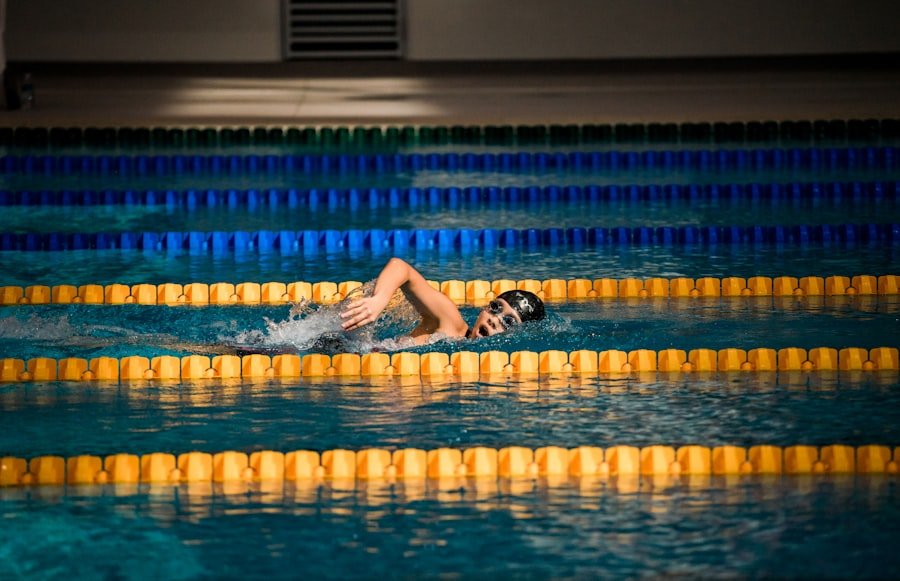
Lido di Lugano is the clearest choice for first-time visitors who want formal facilities. The city lists a 2,000-square-meter fine-sand beach with direct lake swimming, plus pools, changing facilities, food service, and accessibility features. For the 2026 season, the lido is open from May 1 through September 20, with longer daily hours in June, July, and August.
Lido Riva Caccia
Lido Riva Caccia is close to the city center and sits on floating platforms overlooking the Gulf of Lugano. The city lists direct lake access, changing rooms, deck-chair and sunbed rentals, and other visitor facilities. Its published 2026 season runs from May 25 through September 20.
Parco Ciani
Parco Ciani remains an excellent place to enjoy the lakeside, shade from mature trees, grassy areas, flowerbeds, and views before or after a swim. However, it should not be described as a designated swimming facility with lifeguards. If you want managed lake access near central Lugano, use an official lido rather than assuming the park shoreline is a formal bathing zone.
Other official bathing facilities operate around the lake, but services, lifeguard coverage, opening dates, and access rules can differ. Check the facility’s current information before traveling.
Embracing the Cultural and Historical Significance of Lake Lugano
Swimming here is also connected to Lugano’s long relationship with the lake. Lido di Lugano opened in 1928 and remains part of the city’s recreational life. Lido Riva Caccia has an even older bathing tradition: the City of Lugano says a floating bath was promoted there in 1889 as tourism developed along the waterfront.
Those details give the swimming experience a more concrete historical setting than broad claims about prehistoric settlement. The shoreline has changed with the city, but bathing, boating, fishing, transport, and waterfront leisure have all shaped local life around the lake.
The cultural side is still visible today. Lido di Lugano hosts summer activities, local sports clubs use its facilities, and other lakeside venues hold seasonal events. If your visit overlaps with an organized event, it can add a social side to a day that might otherwise be focused only on swimming and scenery.
Lake Lugano is more rewarding when you treat it as both a natural environment and a shared public space: enjoy the view, follow local rules, and leave the shoreline as you found it.
Connecting with the Local Community through Open Water Swimming
Open-water swimming can be social, but visitors should not assume every local group is open to drop-ins. A better approach is to check official events, swimming clubs, or organized sessions before joining. Lido di Lugano is used by local sports clubs for swimming and other aquatic sports, showing how strongly the lake and lido are connected to the city’s active community.
If you are training for a longer open-water route, local knowledge can be valuable. Experienced swimmers can help you understand boat patterns, suitable entry and exit points, changing weather, and which areas are better avoided. Some clubs or organizers may also offer training sessions, lessons, workshops, or group events, but participation rules vary. Check in advance rather than assuming a session welcomes drop-in visitors.
Community involvement can also be a way to learn about environmental care around the lake. Respect club rules, follow local conservation guidance, and never copy a long-distance route simply because you see someone else swimming it.
In conclusion, Lake Lugano can be a memorable place to swim because it combines mountain scenery, urban access, established lidos, and a strong lakeside culture. The best experience comes from treating conditions as changeable: choose a suitable access point, check current warnings, stay within your ability, and make safety part of the plan rather than an afterthought.
If you are also packing food for a relaxed lakeside day, a light fruit snack can be easy to carry and refreshing after a swim. For one picnic idea, see this guide to Asian melon. Keep food and litter away from the water and use bins provided at managed facilities.
Frequently Asked Questions
Is it safe to swim in Lake Lugano?
It can be safe at suitable locations when conditions are good, but safety changes with weather, water quality, boat traffic, and local warnings. The latest official update found excellent microbiological quality overall while noting light cyanobacteria blooms in the southern basin. Check the specific swimming area before entering.
Are there designated swimming areas in Lake Lugano?
Yes. City-run facilities such as Lido di Lugano and Lido Riva Caccia provide formal lake access and visitor facilities. Opening dates, services, and supervision vary, so check the current facility page before visiting.
Is Parco Ciani a designated swimming beach?
Parco Ciani is a lakeside park, but it should not be treated as a formal lido or assumed to have supervised swimming. For managed lake access near central Lugano, choose an official bathing facility.
What is the water temperature in Lake Lugano?
There is no single temperature that stays accurate for the whole lake. Surface temperature changes by season, weather, depth, and location. Check a recent local measurement or ask staff at a lido if temperature is important to your swim.
When is the best time of year to swim in Lake Lugano?
Summer is the most practical period for most visitors because official lidos are open and the water is generally warmer. Always check the day’s weather and local water conditions, even during peak summer.
Are water sports available on Lake Lugano?
Yes. Lake Lugano is used for activities such as kayaking, stand-up paddleboarding, sailing, and boating. That mixed use is one reason swimmers need to stay visible and avoid navigation routes. Use clearly separated bathing zones whenever possible.
Can I swim alone in Lake Lugano?
A short swim at a managed facility is different from a long open-water route, but long-distance swimming alone is not recommended. Use a buddy, group, or support plan and stay within your proven ability.
What should I do if I see green or discolored water?
Do not swim through visible surface accumulations or suspicious discolored patches. Check warning flags and signs, move away from the affected water, and follow instructions from local staff or cantonal authorities.
Sources
- Canton of Ticino Cantonal Laboratory, bathing-water update, August 5, 2026 — current microbiological bathing-water status and cyanobacteria update.
- Canton of Ticino, cyanobacteria guidance — bloom warning system, visual checks, and health precautions.
- City of Lugano, Lido di Lugano — lake access, facilities, 2026 season, and lido history.
- City of Lugano, Lido Riva Caccia — direct lake access, facilities, 2026 season, and floating-bath history.
- Swiss Lifesaving Society, bathing rules — core behavior and supervision guidance for safer swimming.
- U.S. CDC, Swimming and Your Health — benefits of water-based exercise and recreational-water health risks.