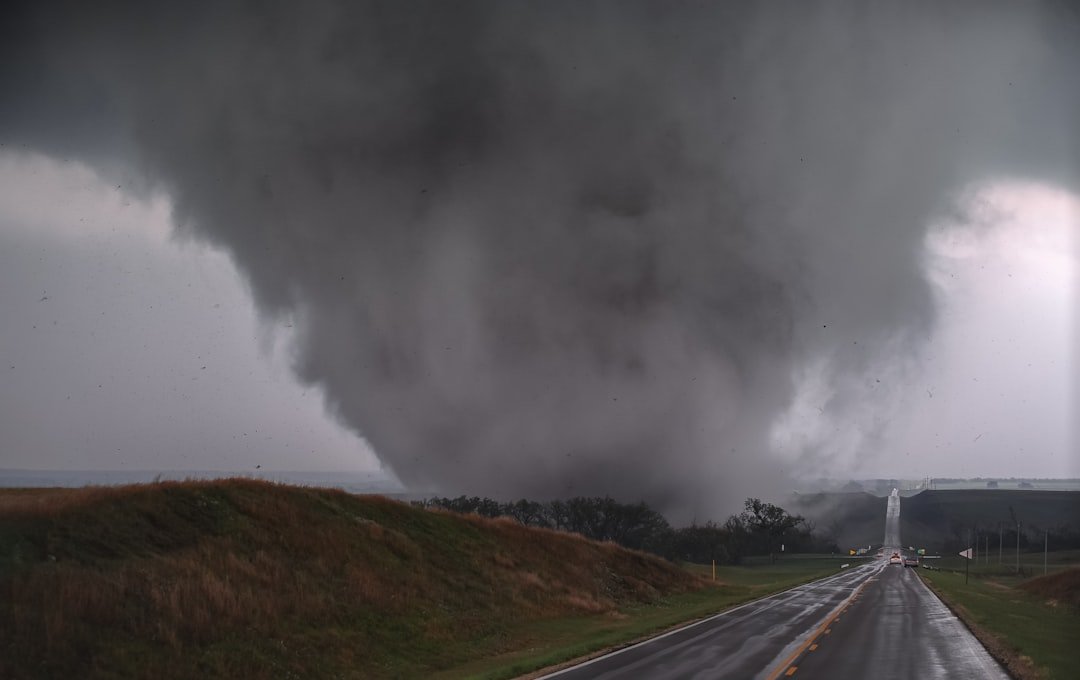
Alabama can experience tornadoes in any month, so travelers and residents should not treat tornado safety as a spring-only concern. The state’s primary severe-weather season is generally March through May, with another active period from early November into mid-December. Preparing your shelter plan and warning methods before storms develop gives you the best chance to act quickly.
Quick Answer
Alabama’s main tornado season is March through May, with a secondary severe-weather season in late fall. Tornadoes can still happen at any time of year. Before traveling, know where you will shelter, keep multiple warning methods active, and move immediately to a sturdy building when a tornado warning includes your location.
Key Takeaways
- Alabama’s primary severe-weather season is March through May, with a secondary season from roughly early November into mid-December.
- A tornado watch means be prepared; a tornado warning means take shelter immediately if your location is included.
- Your safest shelter is a storm shelter, safe room, basement, or small interior room on the lowest floor of a sturdy building.
- Mobile homes and RVs are not safe tornado shelters. Identify a sturdy alternative before storms arrive.
- Use multiple warning methods, especially at night, such as Wireless Emergency Alerts and a NOAA Weather Radio.
- If you are driving, prioritize a substantial building rather than trying to outrun a tornado or sheltering beneath an overpass.
- After the storm, watch for downed power lines, gas leaks, damaged structures, flooding, broken glass, and other hazards.
At a Glance
| Time Required | About 20–30 minutes to choose shelter locations, check alerts, and organize basic supplies |
| Difficulty | Easy, but it should be completed before severe weather threatens |
| Tools Needed | Alert-enabled phone, weather information, emergency supplies, flashlight, radio, head protection, and medications |
| Cost | Varies; many alerts are free, while weather radios and emergency supplies are optional preparedness purchases |
When Is Tornado Season in Alabama?
The National Weather Service in Birmingham identifies spring, particularly March through May, as Alabama’s primary severe-weather season. A secondary severe-weather season typically begins in early November and continues into mid-December.
These are periods of increased risk, not fixed boundaries. Tornadoes can occur in Alabama during any month and at any hour, including overnight when people may be sleeping. Travelers should therefore check the forecast whenever severe thunderstorms are possible rather than relying only on the calendar.
Alabama lies in the tornado-prone southeastern United States. Severe thunderstorms capable of producing tornadoes may develop when atmospheric instability and wind shear create favorable conditions for rotating storms. The number of tornadoes varies greatly from year to year, so a single statewide annual average can be misleading unless the exact climatological period and dataset are identified.
One of Alabama’s most destructive tornado days occurred on April 27, 2011. The National Weather Service documented 62 tornadoes across Alabama that day, demonstrating why preparation matters during significant severe-weather outbreaks.
Alabama has two recognized severe-weather seasons, but tornadoes can occur during any month and at any time of day or night.
Creating a Tornado Safety Plan
A tornado safety plan should tell everyone in your household or travel group where to go, how warnings will reach them, and how they will communicate if separated.
Choose your shelter location before storms develop. In a sturdy house or building, the preferred options are a FEMA-rated safe room or storm shelter, a basement, or a small interior room such as a closet, bathroom, or hallway on the lowest floor. Stay away from windows, doors, outside walls, and large open rooms with wide roofs.
The National Weather Service tornado safety rules also recommend protecting your head from flying debris. Heavy blankets, pillows, coats, or a bicycle or motorcycle helmet can provide additional protection.
Your plan should also cover communication. Decide how family members will contact one another if they are separated, identify an out-of-area contact when appropriate, and make sure children understand where to shelter without having to wait for an adult to explain the plan during a warning.
- Choose a primary shelter and at least one backup.
- Make sure every family member or traveler knows how to reach it quickly.
- Keep sturdy shoes, a flashlight, and head protection nearby.
- Plan for medications, mobility equipment, hearing or vision needs, children, and pets.
- Know how you will receive warnings if power or internet service fails.
- Practice moving to shelter before severe-weather season and after changing homes, hotels, or campsites.
Pro Tip: Time your practice drill. During an actual tornado warning, you may have only a short period to act, so everyone should already know the safest route to shelter.
Packing an Emergency Kit for Tornado Season
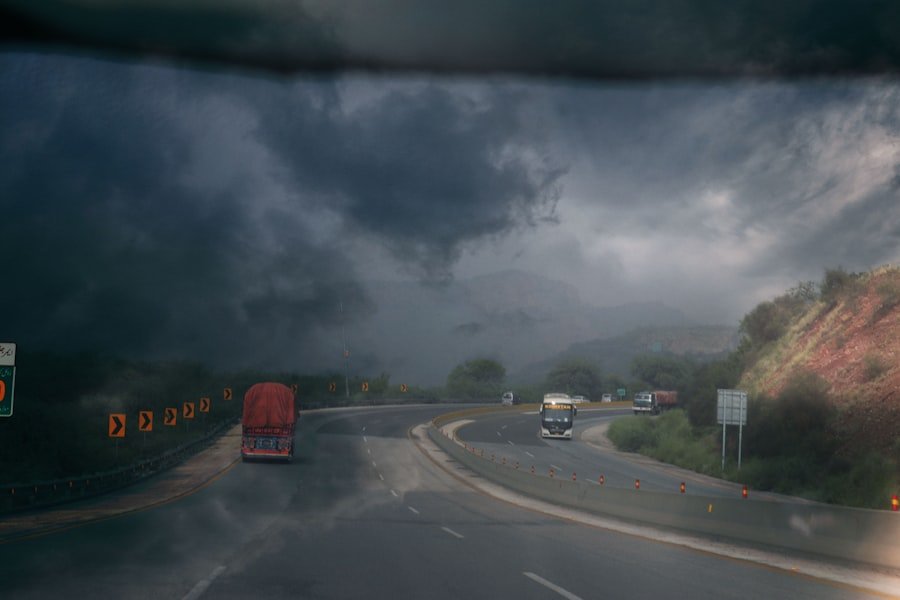
Keep emergency supplies where you can reach them without crossing exposed rooms or going outdoors during a warning. For travelers, a smaller kit can stay in a vehicle or travel bag, while a larger supply should be available at home.
Ready.gov’s emergency-kit guidance recommends storing enough water and other supplies for several days. Its baseline water recommendation is one gallon per person per day for drinking and sanitation.
A practical tornado-season kit can include:
- Water and non-perishable food for several days.
- A battery-powered or hand-crank radio.
- A flashlight and spare batteries.
- A first aid kit.
- Necessary prescription medications and basic medical supplies.
- A charged power bank and phone charging cable.
- Copies of identification, insurance information, emergency contacts, and important medical information protected from water.
- Sturdy shoes and work gloves for debris hazards after the storm.
- Blankets, pillows, or helmets for head and neck protection.
- Supplies needed by infants, older adults, people with disabilities, and pets.
- Comfort items for children when practical.
Check the kit periodically for expired food, medications, dead batteries, discharged power banks, or information that has changed.
Understand Tornado Watches, Warnings, and Emergencies
Knowing the warning terminology helps you act at the correct time. The National Weather Service distinguishes tornado watches, tornado warnings, and tornado emergencies by the level and immediacy of the threat.
| Alert | What It Means | What You Should Do |
| Tornado Watch | Tornadoes are possible in and near the watch area. | Review your shelter plan, monitor conditions, and be ready to act quickly. |
| Tornado Warning | A tornado has been sighted or indicated by weather radar and there is imminent danger. | If your location is in the warning, go to your safe shelter immediately. |
| Tornado Emergency | The NWS’s highest tornado alert level, used for an exceptionally dangerous confirmed tornado threatening populated areas. | Seek the safest available shelter immediately and remain protected until the danger has passed. |
Warning: Do not wait to see a tornado before taking a tornado warning seriously. Tornadoes may be hidden by darkness, rain, terrain, or buildings.
Finding Safe Shelter During a Tornado
The correct shelter depends on where you are when the warning arrives. A substantial building is the priority whenever one can be reached safely.
| Where You Are | Preferred Action |
| House or sturdy building | Use a safe room, storm shelter, basement, or small interior room on the lowest floor away from windows. |
| Hotel | Ask staff about the designated severe-weather area before storms arrive. Avoid windows, exterior rooms, and large open spaces. |
| Mobile home or RV | Leave well before the storm arrives and go to a sturdy building or designated tornado shelter. |
| Vehicle | Get into a substantial building if you can do so safely. If no sturdy shelter is available, follow current NWS instructions for your immediate circumstances and protect your head from debris. |
| Outdoors | Reach a substantial building as quickly as possible. If no shelter can be reached, use the lowest available location away from obvious hazards and protect your head and neck. |
Some Alabama communities have public storm shelters or safe rooms, but locations, opening procedures, hours, capacity, and access rules vary by jurisdiction. Do not rely on an unsourced statewide list. Check with the county or local emergency-management agency for the specific community where you will be staying.
Never use a highway overpass as a tornado shelter. Wind and flying debris remain serious hazards there, and stopping beneath an overpass can also block roads needed by other motorists and emergency vehicles.
Note: A designated tornado safe room is different from simply being inside any public building. Before severe weather begins, confirm exactly where staff or local authorities direct people to shelter.
Special Safety for Mobile Homes, RVs, Hotels, and Campgrounds
Mobile homes, manufactured homes, travel trailers, and RVs are especially vulnerable to tornado winds and flying debris. If severe weather is expected, identify a sturdy building or designated storm shelter in advance and leave enough time to reach it before a warning is issued.
If you are staying at a campground, ask management where guests should go during a tornado warning. Do not assume a restroom, picnic pavilion, vehicle, or recreational building is engineered as a tornado shelter.
At a hotel, learn the shelter procedure when you check in if severe weather is forecast. Staff may direct guests to interior corridors, interior rooms, or another designated area. Stay away from exterior windows and large open spaces such as ballrooms when safer interior locations are available.
At shopping centers, schools, airports, hospitals, and other large facilities, follow staff instructions and move to the designated shelter area rather than attempting to leave once a tornado warning is already affecting the location.
Staying Informed During Tornado Season
Use more than one warning method. A phone can lose power, mobile service can fail, and outdoor warning sirens may not be heard indoors.
Ready.gov tornado guidance recommends monitoring official emergency alerts and having a reliable way to receive warnings. Useful layers include:
- Wireless Emergency Alerts on a compatible mobile phone.
- A NOAA Weather Radio with battery backup.
- Local television or radio.
- Official National Weather Service information.
- Local emergency-management alerts where available.
Travelers should keep location services and emergency alerts configured appropriately on their phones and know the county or community they are in. Tornado warnings are issued for specific geographic areas, so recognizing your location matters.
Nighttime preparation deserves extra attention. Keep your phone charged and loud enough to wake you, and consider a NOAA Weather Radio with an alert function near where you sleep.
Social media can provide useful supporting information, but do not make an unverified social-media post your only warning source. Give priority to the National Weather Service and local emergency officials.
Driving Safety Tips for Tornado Season
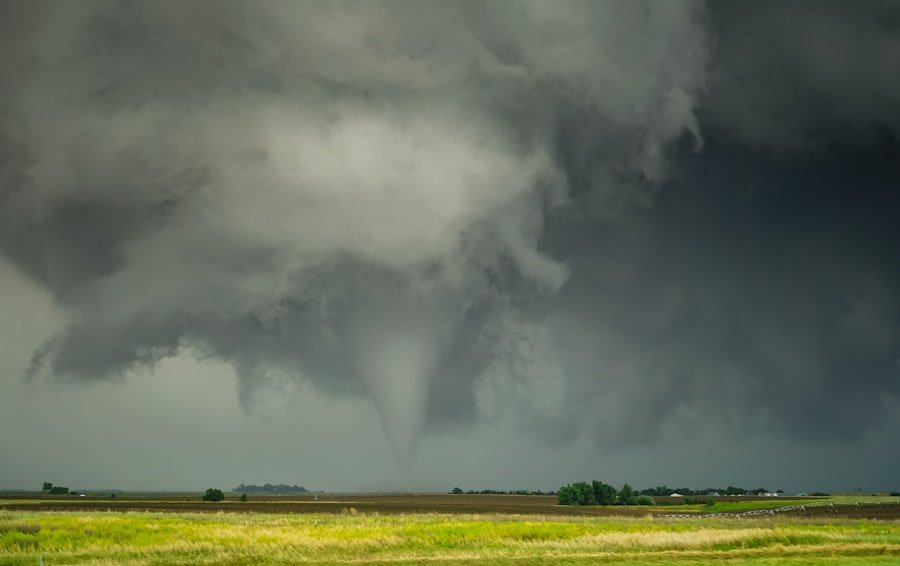
Before beginning a long drive when severe thunderstorms are forecast, check the expected timing and route. If a significant severe-weather threat is expected along your route, changing your departure time may be safer than trying to manage a tornado warning from the road.
If a tornado warning is issued while you are driving, do not try to race or outrun the tornado. If you can safely reach a substantial building, go inside and use the lowest-floor interior shelter available.
If no substantial building can be reached, your options become last-resort choices that depend on the storm, terrain, traffic, flooding, and nearby hazards. Follow current National Weather Service instructions and protect your head and neck from flying debris.
Do not park beneath a highway overpass or bridge for tornado protection. Avoid stopping near trees, power lines, signs, or other objects that could fall or become airborne.
Tornado-producing thunderstorms can also cause flash flooding. Never drive through a flooded roadway or around a barricade simply to escape a storm. Water can hide washed-out pavement and may be deeper or faster-moving than it appears.
Warning: Your vehicle is not a preferred tornado shelter. Whenever possible, plan your route and stops so a substantial building is available before severe weather reaches you.
Outdoor Safety Precautions During Tornado Season
Check the weather before hiking, camping, boating, attending an outdoor event, or working outside when thunderstorms are possible. Identify sturdy shelter before you begin the activity rather than searching for it after a warning arrives.
If skies darken, thunder begins, or official alerts indicate severe storms are approaching, move toward shelter early. Waiting until a tornado is visible can leave too little time to reach safety.
When a tornado warning includes your location, go inside a substantial building immediately if one is available. Stay away from windows and move to the safest interior location.
If no building can be reached, get as low as practical in the safest available location, avoid trees and objects that may fall or become airborne, and protect your head and neck. This is a last-resort situation, not a substitute for planning around accessible shelter.
Before storms arrive, secure or bring indoors loose outdoor furniture and other objects that could become wind-driven debris, but never go outside to secure property once dangerous winds or an active warning are already affecting your location.
Post-Tornado Safety Measures
Remain cautious after the immediate tornado threat has passed. Additional thunderstorms, tornado warnings, flooding, damaged utilities, debris, and unstable structures may still create danger.
Check yourself and others for injuries when it is safe to do so. Follow emergency instructions and call emergency services for life-threatening situations.
- Stay away from downed or hanging power lines.
- Do not enter visibly damaged buildings until authorities or qualified personnel say they are safe.
- Watch for broken glass, nails, exposed metal, unstable trees, and other sharp debris.
- If you smell gas or suspect a gas leak, leave the area and report it from a safe location.
- Avoid standing water that may contain electrical, chemical, sewage, or debris hazards.
- Continue monitoring official weather information because additional storms may follow.
- Use sturdy shoes and gloves when moving through debris.
Severe tornado damage can also be stressful for survivors, particularly when people have been injured, displaced, or lost property. Stay connected with family, friends, community resources, or qualified professional support when needed.
Preparation before the storm makes every later decision easier. Know your shelter, keep warning methods working, maintain emergency supplies, and practice your plan rather than waiting until a tornado warning appears on your phone.
Traveling in Alabama During Tornado Season
You do not need to avoid Alabama simply because your trip falls during a recognized severe-weather season. Instead, build weather awareness into your travel plan.
Before departure, check the forecast for each part of your route and identify where you will sleep. If you are staying in a hotel, campground, rental home, or RV park, determine the safest tornado shelter before severe weather begins.
Keep your phone charged, carry basic emergency supplies, and avoid planning long stretches of remote outdoor activity when significant severe weather is expected. If a tornado watch is issued, reconsider activities that would leave you far from sturdy shelter. If a tornado warning includes your location, stop normal travel or sightseeing plans and shelter immediately.
Note: This article provides general preparedness guidance. During an actual emergency, follow the latest National Weather Service warning and instructions from local emergency officials for your exact location.
Frequently Asked Questions
What is tornado season in Alabama?
Alabama’s primary severe-weather season is generally March through May. The state also has a secondary severe-weather season that typically runs from early November into mid-December. Tornadoes can still occur during any month, so preparedness should continue year-round.
What is the difference between a tornado watch and a tornado warning?
A tornado watch means tornadoes are possible in and near the watch area, so you should review your plan and be ready to act. A tornado warning means a tornado has been sighted or indicated by radar and people in the warned area should seek safe shelter immediately.
What safety precautions should I take when traveling during tornado season in Alabama?
Check the forecast before traveling, keep emergency alerts enabled, know the community or county you are in, identify sturdy shelter at hotels and stops, carry basic emergency supplies, and change outdoor or driving plans when severe storms would leave you far from shelter.
What should I do if a tornado warning is issued while I am in Alabama?
If your location is included in the warning, go immediately to a storm shelter, safe room, basement, or small interior room on the lowest floor of a sturdy building. Stay away from windows and protect your head and neck from flying debris.
What should I do if I am driving when a tornado warning is issued?
Do not try to outrun a tornado. If you can safely reach a substantial building, shelter there. If no sturdy shelter is available, follow current National Weather Service guidance for your circumstances, protect your head and neck, and never use a highway overpass as tornado shelter.
Is an RV or mobile home safe during a tornado?
No. Mobile homes, manufactured homes, and RVs are not preferred tornado shelters. When severe weather is expected, identify a sturdy building or designated storm shelter and move there early enough that you are not traveling as the tornado threat arrives.
Are certain parts of Alabama the only places travelers need to worry about tornadoes?
No. Tornado risk varies by storm and weather pattern, and tornadoes can occur across Alabama. Travelers should make decisions from current forecasts, watches, and warnings for their exact location rather than assuming one part of the state is safe because it is outside a commonly described high-risk region.
What resources can travelers use for tornado warnings in Alabama?
Use multiple sources, including Wireless Emergency Alerts on your phone, NOAA Weather Radio, National Weather Service information, local television or radio, and local emergency-management notifications where available. Redundant warning methods are especially important overnight.
Sources
- National Weather Service Birmingham — Severe Weather Awareness — Alabama’s primary and secondary severe-weather seasons and year-round risk.
- National Weather Service — Understand Tornado Alerts — tornado watch, warning, and tornado-emergency definitions.
- National Weather Service Birmingham — Tornado Safety Rules — shelter locations, mobile-home guidance, head protection, vehicle safety, and overpass precautions.
- Ready.gov — Tornadoes — federal tornado preparedness, shelter, alerts, and response guidance.
- Ready.gov — Build a Kit — water, food, radio, flashlight, medications, and other emergency-supply recommendations.
- National Weather Service Birmingham — Historic Outbreak of April 27, 2011 — official documentation of the 62 tornadoes confirmed across Alabama that day.