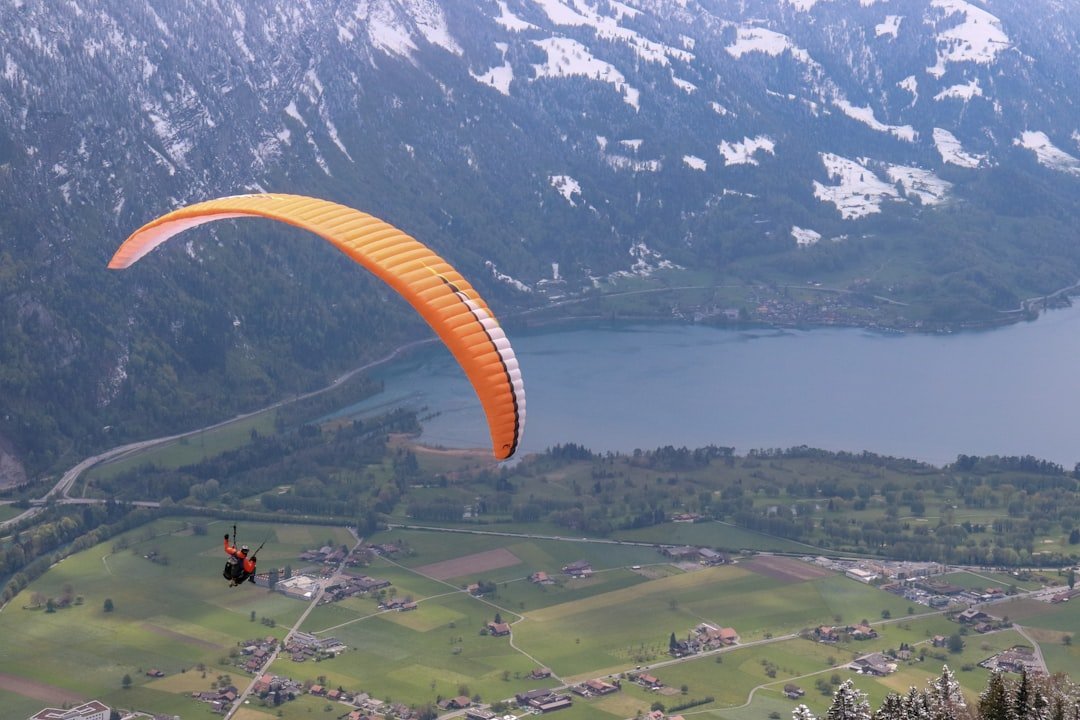
Lake Neuchâtel combines easy lakeside access, public beaches, open-water swimming, and wide views across one of Switzerland’s major lakes. At about 218 km², it is the largest lake located wholly within Switzerland. Swimming can be a highlight of a summer visit, but conditions vary by beach, weather, water quality, and your own swimming ability.
Quick Answer
Yes, you can swim in Lake Neuchâtel at many public swimming spots. Monitored beaches on the Neuchâtel-canton shore are often rated good or excellent, but conditions can change. Check the latest bathing-water report, avoid swimming alone, follow local warnings, and remember that Neuchâtel city beaches are generally unsupervised.
Key Takeaways
- Lake Neuchâtel is Switzerland’s largest lake located entirely within the country, with a surface area of about 218 km².
- Check the latest official bathing-water rating for your exact swimming spot before entering the lake.
- Do not assume a lifeguard is present. Neuchâtel city states that bathing at its lake beaches is not supervised.
- Never swim long distances alone, stay within your ability, and supervise children continuously near the water.
- After heavy rain or when algae are visible, follow cantonal warnings before swimming.
According to the Swiss Federal Department of Foreign Affairs, Lake Neuchâtel covers about 218 km² and is the largest lake wholly on Swiss territory. Its size is part of the attraction, but it also means the lake can feel much more like open water than a protected swimming pool.
On calm days, shallow shoreline areas may be clear enough to see stones, plants, or fish beneath the surface. At other times, wind, waves, rain, runoff, or changing light can reduce visibility. Treat the lake as a changing natural environment rather than assuming that conditions will be the same on every visit.
The Benefits of Open Water Swimming
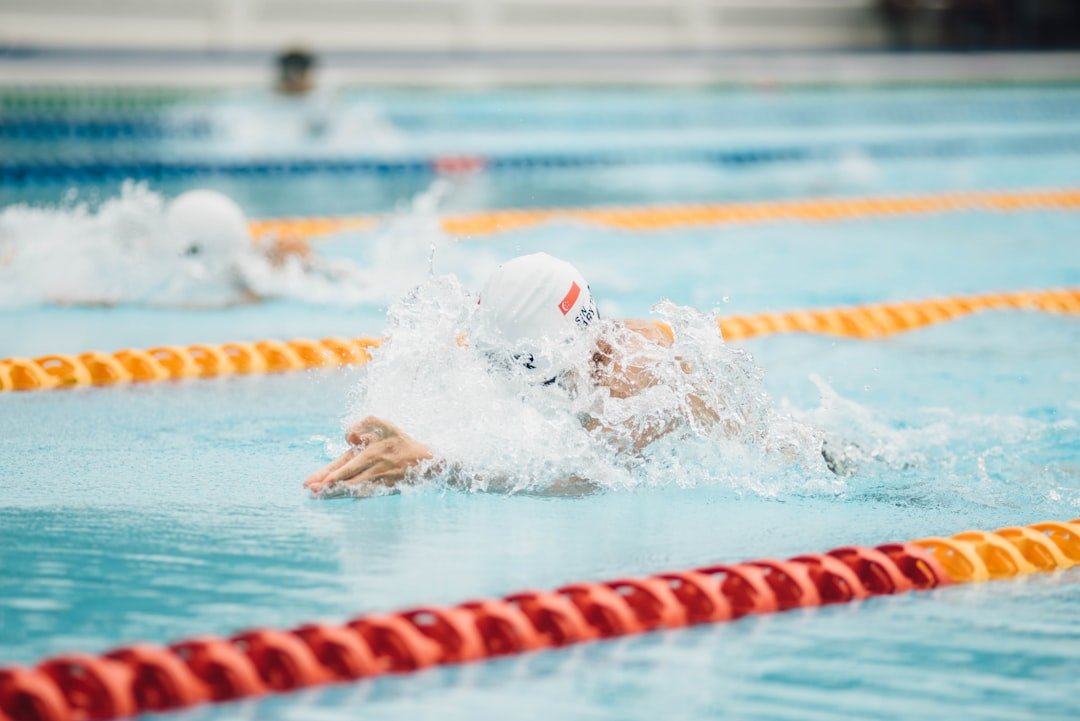
Swimming provides a whole-body form of exercise that can build endurance and work many muscle groups. In open water, you also have to pay attention to direction, changing conditions, distance from shore, and your energy level, which makes preparation more important than it is in a controlled pool.
Many swimmers also value the quieter side of the experience. Rhythmic movement, fresh air, open views, and time away from busy streets can make a lake swim feel mentally refreshing. It is better to view these effects as personal wellbeing benefits rather than describing recreational swimming as medical treatment.
Warning: Open-water swimming has risks that a pool does not. Cold water, fatigue, waves, changing weather, poor visibility, boats, and distance from shore can turn a comfortable swim into an emergency. Stay within your ability and do not swim long distances alone.
Exploring the Scenic Shoreline of Lake Neuchâtel
The shoreline offers much more than one type of swimming experience. Around Neuchâtel itself, you can find developed urban beaches, grassy areas, pebble entries, small coves, and places that are easy to reach on foot or by public transport.

The lake can also be enjoyed from walking and cycling routes along sections of the shore. A swim followed by a picnic or lakeside walk is often a better plan than treating the entire day as a long-distance swimming session.
In the city of Neuchâtel, Jeunes-Rives, Monruz, and Serrières provide different styles of lake access. The City of Neuchâtel’s official beach information is useful for checking current facilities and local conditions before you go.
Safety Tips for Swimming in Lake Neuchâtel
Lake swimming is enjoyable when you treat it as open water. The most important correction to the common assumption about Lake Neuchâtel is that you should not expect every public beach to have a lifeguard. The City of Neuchâtel specifically states that bathing at its lake beaches is not supervised.
| Safety Tip | What to Do |
|---|---|
| Avoid swimming alone | Swim with another capable person, especially if you plan to leave the immediate beach area. |
| Check conditions first | Check weather, water quality, warning signs, waves, and visibility before entering. |
| Use established access points | Choose known beaches or swimming entries and identify a safe way out before starting. |
| Know your limits | Stay close to shore if you are inexperienced, tired, or uncertain about the conditions. |
| Supervise children | Keep children under continuous adult supervision whenever they are in or near the water. |
| Do not dive blindly | Never dive into cloudy, shallow, or unfamiliar water where you cannot confirm the depth and underwater hazards. |
| Stay visible | For open-water swimming away from the immediate beach, a bright swim cap and suitable flotation device can make you easier to see and provide support if you become tired. |
The Swiss Air-Rescue Rega summary of Swiss Lifesaving Society guidance advises against swimming long distances alone. It also warns against entering the water under the influence of alcohol or drugs, diving into unknown water, and relying on ordinary inflatable swimming aids for safety in deep water.
Pro Tip: Before entering, choose your exit point as well as your entry point. If you are swimming along the shore, turn around while you still feel strong rather than waiting until fatigue tells you it is time to return.
Check Water Quality Before You Swim
The Canton of Neuchâtel monitors microbiological water quality at public beaches during the bathing season. Its official bathing-water page uses four ratings: A for excellent, B for good, C for sufficient, and D for insufficient water quality.
As of the official August 2026 update, the following monitored locations on the Neuchâtel-canton shore had these ratings:
| Swimming Location | August 2026 Rating |
|---|---|
| Pointe du Grain Ouest, Bevaix | A – Excellent |
| Serrières bathing area, Neuchâtel | A – Excellent |
| Jeunes-Rives beach, Neuchâtel | A – Excellent |
| Jeunes-Rives East / University | B* – Good |
| Hauterive communal beach | A – Excellent |
| Saint-Blaise Bay No. 3 West | A – Excellent |
| Saint-Blaise East beach | A – Excellent |
| La Tène beach, Marin-Epagnier | A – Excellent |
| Colombier / Paradis Plage | B* – Good |
| Auvernier communal beach | B* – Good |
Note: These ratings are a dated snapshot, not a permanent guarantee. The canton marks some locations with an asterisk because water quality can temporarily deteriorate after heavy rain. Its current advice is to wait 48 hours after the rain has ended before swimming at affected locations. Always check the live official page before your visit.
Cyanobacteria and visible algae
Warm, shallow, slow-moving water can sometimes develop concentrations of cyanobacteria. The canton advises swimmers not to enter areas covered by visible algal mats, not to swallow lake water, and to shower and dry themselves well after bathing. Young children need extra supervision because they may drink the water or put wet stones in their mouths.
The warning is particularly important for dogs because ingestion of cyanobacteria can be dangerous to pets. If suspicious surface growth is visible, choose another swimming area rather than trying to move through it.
Swimmer’s dermatitis
The canton also warns about swimmer’s dermatitis, sometimes called “duck itch,” which can occur in warm, shallow, vegetation-rich water. Showering after swimming and drying yourself thoroughly can help reduce exposure. If a beach has a current warning or the water looks unusual, skip the swim.
Wildlife Encounters in Lake Neuchâtel
Lake Neuchâtel supports a rich aquatic ecosystem. According to the City of Neuchâtel’s lake-fauna information, the lake contains 36 fish species. Familiar examples include perch, pike, bondelle whitefish, and wels catfish.
Lake Neuchâtel supports 36 recorded fish species, along with an important community of waterbirds around its shores.
Above the water, you may see swans, coots, mallards, cormorants, gulls, or grey herons. Beavers also live around major lakes and waterways in this part of Switzerland, although a sighting is never guaranteed.
Wildlife is best enjoyed without approaching, feeding, chasing, or disturbing animals. Keep away from reed beds and nesting areas where access is restricted, and leave natural shoreline habitats as you found them.
The Rich History of Lake Neuchâtel

The lake is also part of a landscape with a very long human history. Archaeological remains around Alpine and sub-Alpine lakes show that people established lakeshore settlements thousands of years ago.
The UNESCO Prehistoric Pile Dwellings around the Alps property preserves evidence from settlements dating roughly from 5000 to 500 BC. Fifty-six of the UNESCO component sites are in Switzerland, showing how important lakes and wetlands were to prehistoric communities.
Later history is visible in Neuchâtel’s old city, castle, architecture, and the wider region’s long association with Swiss precision watchmaking. Combining a swim with time in the old town gives the visit more depth than spending the entire day at the water.
Finding the Best Swimming Spots on Lake Neuchâtel
The “best” beach depends on whether you want easy city access, a quieter entry, family-friendly space, or simply a monitored public location. On the Neuchâtel side of the lake, several established options make planning easier.
| Spot | Why Consider It |
|---|---|
| Jeunes-Rives | A convenient urban option in Neuchâtel with developed lake access and nearby facilities. |
| Serrières | A smaller city-side beach with a gentler pebble entry and a quieter atmosphere than the central waterfront. |
| Monruz | A small shoreline option for visitors who prefer a quieter cove-style setting. |
| Pointe du Grain | A monitored bathing location west of Neuchâtel that held an A water-quality rating in August 2026. |
| Saint-Blaise | Several monitored swimming points were rated A in the August 2026 cantonal assessment. |
| La Tène | A monitored public beach east of Neuchâtel with an A rating in the August 2026 report. |
Facilities and water conditions can change, so check official local information rather than assuming that showers, changing rooms, food service, parking, or other amenities will always be available.
Connecting with Nature through Swimming in Lake Neuchâtel
Swimming in Lake Neuchâtel can be as much about the setting as the distance you cover. Staying close to shore gives you time to notice changing light, birds on the water, the Jura landscape, vegetation along the banks, and the scale of the lake itself.
You do not need a long open-water route to enjoy that connection. A short, controlled swim from a public beach can provide the experience while making it easier to manage fatigue, weather changes, and your return to shore.
Respecting the environment is part of the experience. Take litter away, avoid damaging shoreline vegetation, do not disturb wildlife, and obey access restrictions around protected areas.
Plan Your Lake Neuchâtel Swim
A little preparation makes an open-water swim much easier. Before leaving for the lake, check the weather and official bathing-water information. Once you arrive, look at the water itself rather than relying only on the forecast.
- Choose a known swimming entry: Public beaches make entry and exit easier to judge.
- Swim with company: Do not plan a long solo swim.
- Stay visible: A bright swim cap and suitable open-water flotation device can help in areas shared with other water users.
- Bring warm, dry clothing: Even a pleasant swim can leave you feeling cold after you get out.
- Carry drinking water: Swimming is physical exercise, even when the lake feels cool.
- Protect your feet when needed: Pebbles, rocks, and uneven entries can be uncomfortable.
- Know when to stop: Get out if you feel unusually cold, weak, dizzy, confused, or unable to maintain your normal stroke.
Summer is the most popular season for casual lake swimming, but water temperature is not fixed. It can change with the month, recent weather, wind, depth, and location. Avoid planning your swim around a single generic temperature figure.
Conclusion
Lake Neuchâtel offers a memorable combination of public beaches, open water, wildlife, history, and Swiss lakeside scenery. The best experience comes from combining that natural setting with sensible preparation. Check the latest water-quality information, choose an established entry point, respect changing conditions, swim within your limits, and never assume that someone else is watching the water.
If you are planning a lakeside picnic after your swim, you may also enjoy this simple guide to delicious homemade cottage cheese as an easy picnic-food idea.
Frequently Asked Questions
Is it safe to swim in Lake Neuchâtel?
Many monitored public beaches have good or excellent bathing-water quality, but safety depends on the exact location and current conditions. Check the official cantonal water-quality report and local warnings before swimming, and stay within your swimming ability.
Are Lake Neuchâtel beaches supervised by lifeguards?
Do not assume they are. The City of Neuchâtel states that bathing at its lake beaches is not supervised. Children therefore need continuous adult supervision, and adults should avoid swimming long distances alone.
Are there rules or restrictions for swimming in Lake Neuchâtel?
Local warnings, access restrictions, and temporary bathing advice can apply. Follow signs at the beach and official instructions. Swiss lifesaving guidance also recommends supervising children, avoiding alcohol or drugs before swimming, not diving into unknown water, and never swimming long distances alone.
What is the water temperature in Lake Neuchâtel?
The temperature changes with the season, weather, depth, and location. Summer is normally the most comfortable period for casual swimming, but you should not rely on one fixed temperature range for the entire lake. Enter gradually and get out if you become uncomfortably cold.
What are some designated or established swimming areas?
Established swimming locations on the Neuchâtel side include Jeunes-Rives, Serrières, Pointe du Grain, Hauterive, Saint-Blaise, La Tène, Colombier, and Auvernier. Check current water-quality ratings and local facilities before choosing one.
Should I swim after heavy rain?
Use extra caution. The Canton of Neuchâtel marks some monitored locations where water quality can temporarily deteriorate after heavy rainfall and advises waiting 48 hours after the rain has ended at those locations. Check the current official report first.
What should I do if I see algae or cyanobacteria?
Do not swim through visible algal mats or suspicious surface accumulations. Avoid swallowing lake water, shower after swimming, and closely supervise children. Dogs should also be kept away from suspect water because ingesting cyanobacteria can be dangerous to them.
Are water sports available on Lake Neuchâtel?
Yes. Swimming is only one way to enjoy the lake. Sailing, paddleboarding, kayaking, boating, fishing, and other water-based activities are available around the lake. Follow local navigation and safety rules and remain aware of other water users when swimming.
Sources
- Swiss Federal Department of Foreign Affairs – Lakes and Rivers – supports Lake Neuchâtel’s approximately 218 km² area and status as the largest lake wholly within Switzerland.
- Canton of Neuchâtel – Bathing Information – current bathing-water ratings, heavy-rain advice, cyanobacteria precautions, and swimmer’s dermatitis information.
- City of Neuchâtel – Beaches – beach information, facilities, and the statement that city lake bathing is unsupervised.
- Swiss Air-Rescue Rega – Swimming Safely in Open Water – Swiss Lifesaving Society safety guidance for lakes and rivers.
- City of Neuchâtel – Lake Fauna – fish diversity, waterbirds, and other verified lake wildlife.
- UNESCO – Prehistoric Pile Dwellings around the Alps – prehistoric lakeshore settlement heritage in Switzerland and the wider Alpine region.