Alabama’s forests, mountains, waterfalls, and scenic roads take on a different character each autumn as hardwoods shift from summer green to shades of yellow, orange, red, bronze, and russet. The strongest displays are often found in northern and higher-elevation parts of the state, but timing changes from year to year, so a flexible trip plan gives you the best chance of catching peak color.
Quick Answer
Some of the best places to see Alabama fall foliage are Cheaha State Park, Little River Canyon National Preserve, DeSoto State Park, Bankhead National Forest, Oak Mountain State Park, Noccalula Falls Park, and Talladega National Forest. Peak color often falls from late October into early November, but elevation, location, and weather can shift the timing.
Key Takeaways
- Cheaha State Park, Little River Canyon, DeSoto State Park, Bankhead National Forest, Oak Mountain State Park, Noccalula Falls, and Talladega National Forest are strong choices for Alabama fall color.
- Late October through early November is a useful general target, although northern and higher-elevation locations may change earlier.
- Check current foliage reports and weather before traveling because peak color can move by days or weeks from one year to another.
- Hiking, scenic driving, photography, picnicking, and birdwatching are easy ways to enjoy the season.
- Maples, oaks, hickories, sweetgums, dogwoods, sourwoods, and other hardwoods contribute different shades to Alabama’s autumn landscape.
- Wet leaves, rocky trails, waterfalls, cliffs, shorter daylight hours, and crowded parking areas deserve extra attention during a fall trip.
Best Places to See Fall Foliage in Alabama
Cheaha State Park is one of Alabama’s classic leaf-peeping destinations. At 2,407 feet, Cheaha Mountain is the highest point in the state. Its elevated position, forested slopes, hiking trails, overlooks, and surrounding Talladega National Forest make it especially appealing when autumn color develops across the hills.
The Bunker Tower area provides an elevated vantage point near Alabama’s highest point. Visitors can combine scenic views with short walks, longer hikes, picnicking, or a drive through the surrounding mountain landscape.
Little River Canyon National Preserve is another standout. The National Park Service notes that its autumn leaf season normally lasts several weeks, with a one-to-two-week peak that is usually in late October and early November. Forested canyon walls, waterfalls, rock formations, and overlooks provide several ways to experience the color.
Drivers who do not want a long hike can use the Little River Canyon Rim Parkway. The approximately 11-mile route includes eight overlooks with views across the canyon, waterfalls, cliffs, and hardwood forest.
Bankhead National Forest offers a quieter, more immersive woodland experience. The Sipsey Wilderness within Bankhead is known for rugged trails, forested canyons, streams, and waterfalls. Water reflecting yellow and red leaves can create especially attractive autumn scenes after adequate rainfall.
| Destination | Best For | Fall Highlight |
|---|---|---|
| Cheaha State Park | Mountain views and hiking | High-elevation panoramas |
| Little River Canyon | Scenic driving and overlooks | Canyon walls, waterfalls, and fall hardwoods |
| DeSoto State Park | Waterfalls and trails | Lookout Mountain woodland scenery |
| Bankhead National Forest | Quiet forest hikes | Streams, rock shelters, and mixed hardwood color |
| Oak Mountain State Park | Hiking and family outings | Wooded trails close to Birmingham |
| Noccalula Falls Park | Waterfall photography | A large waterfall framed by autumn trees |
Tips for Planning Your Fall Foliage Adventure in Alabama
Timing is one of the most important parts of an Alabama fall-color trip. Late October through early November is a useful general window, but there is no single statewide peak date. Elevation, latitude, rainfall, temperature, wind, tree species, and recent weather all influence when leaves change and how long they remain on the trees.
Higher and cooler locations in northeast Alabama can begin changing before lower and more southerly areas. Instead of booking a trip based only on a calendar date, check current foliage updates and the local weather forecast shortly before leaving.
Transportation also matters. Many scenic locations can be enjoyed from paved roads and overlooks, while some viewpoints require hiking. Forest roads and backcountry routes may have different surface conditions, seasonal restrictions, or limited cell service, so check the responsible park or land-management agency before leaving.
Pro Tip: If your dates are flexible, choose two or three destinations at different elevations. If one area is past peak or still mostly green, another may be closer to its best color.
For hiking, carry water, snacks, a charged phone, a map or downloaded offline map, and a light layer for changing temperatures. Wear footwear with reliable traction because fallen leaves can hide roots, loose rocks, holes, and slick surfaces.
Warning: Autumn leaves can make rocky trails, waterfall approaches, and cliff edges surprisingly slippery. Stay on marked routes, obey barriers, avoid climbing around closed overlooks, and allow enough time to return before dark.
Fall weekends can also bring heavier traffic to popular parks. Arriving earlier in the day can improve your chances of finding parking and enjoying overlooks before the busiest period. Check operating hours, admission or parking fees, trail conditions, and temporary closures directly with the destination before your visit.
The Most Photogenic Spots for Capturing Alabama’s Fall Foliage
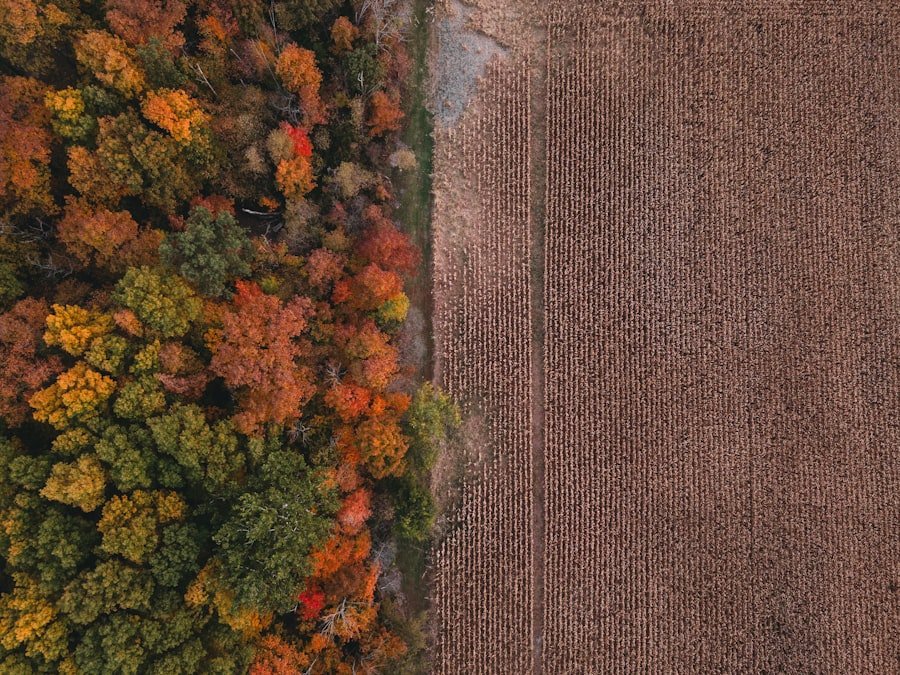
Little River Canyon National Preserve is one of Alabama’s strongest photography locations because dramatic cliffs, forested canyon walls, overlooks, and waterfalls can all appear in the same scene. Early or late daylight can create softer shadows and warmer light than the middle of the day.
The historic mountain town of Mentone also makes a useful fall photography base. Its setting on Lookout Mountain places visitors close to DeSoto State Park, DeSoto Falls, Little River Canyon, and other wooded viewpoints.
DeSoto State Park combines forest scenery with rock formations, streams, trails, and seasonal waterfalls. Water levels vary with rainfall, so not every waterfall will have the same flow during every autumn visit.
Noccalula Falls Park in Gadsden is another recognizable option. Its large waterfall drops into a wooded ravine, allowing photographers to combine moving water, rock, and autumn foliage in one composition.
For stronger photographs, try a few different approaches:
- Photograph shortly after sunrise or before sunset for softer directional light.
- Use overlooks for wide landscape images and trails for detailed leaf, bark, stream, and forest-floor compositions.
- Include rocks, waterfalls, roads, bridges, or people for scale instead of photographing only distant trees.
- On calm days, look for reflections in streams, ponds, and wet rock surfaces.
- A polarizing filter can reduce some glare on wet leaves and water, although its effect varies with the angle of the light.
- Avoid stepping beyond barriers or onto unstable cliff edges just to improve a camera angle.
The best fall photograph is not always taken on the exact peak day. A mixture of green, yellow, orange, and red can create more depth and contrast than a single uniform color.
The Science Behind Alabama’s Vibrant Fall Colors
| Factor | Impact |
|---|---|
| Day Length | Longer nights and shorter days are important seasonal signals. Chlorophyll production slows as leaves enter autumn senescence, allowing other pigments to become more visible. |
| Temperature | Autumn temperature patterns can influence the timing and intensity of color, especially red pigments in species capable of producing anthocyanins. |
| Tree Species | Different species naturally produce different colors. Oaks may turn red, brown, or russet, while hickories often become golden or bronze. |
| Moisture | Adequate growing-season moisture generally supports healthy foliage. Severe drought can trigger stress, early coloration, or premature leaf drop and may shorten the display. |
The colors of autumn leaves result from changes in pigments and leaf chemistry. According to the U.S. Forest Service, chlorophyll gives leaves their basic green color and is essential for photosynthesis. As nights grow longer in autumn, chlorophyll production slows and the green color fades.
Carotenoids contribute yellow, orange, and brown shades. Anthocyanins contribute red to purple tones in species that produce them. Because tree species differ in their pigments, Alabama forests can show several colors at the same time.
Oaks commonly produce red, brown, or russet colors. Hickories often turn golden bronze. Dogwoods may become purplish red, while sourwood and black tupelo can produce crimson shades. Maples can add bright reds, oranges, and yellows where they occur.
Weather affects how the season looks, but drought should not be treated as a recipe for stronger color. Severe moisture stress can cause leaves to scorch, change prematurely, or fall before the best display develops. Wind and heavy rain can also shorten peak foliage by removing leaves once they have begun to detach.
Note: Peak color is a biological response, not a fixed calendar event. Two visits made on the same date in different years can look very different.
Outdoor Activities to Enjoy Among Alabama’s Fall Foliage
Hiking is one of the simplest ways to experience changing leaves at close range. Oak Mountain State Park, for example, provides an extensive trail network with routes of different lengths and difficulty levels. Other strong hiking areas include Cheaha State Park, DeSoto State Park, Bankhead National Forest, and Little River Canyon.
A scenic drive is a better option for travelers who want wide views without a strenuous hike. Little River Canyon Rim Parkway is particularly useful because several overlooks can be reached directly from the road.
Picnicking is another relaxed way to enjoy the season. Many state parks have picnic areas, tables, or designated day-use spaces, although facilities and fees vary by location.
Birdwatching can also be rewarding in autumn as migrants pass through Alabama. Bring binoculars, move quietly, and avoid disturbing feeding or resting birds. Photography, nature journaling, camping, and short family walks are other ways to enjoy the foliage without committing to a difficult hike.
Where to Find the Most Colorful Trees in Alabama
Talladega National Forest is a strong destination for mixed hardwood scenery. The forest covers different elevations and districts, so fall conditions can vary significantly from one area to another.
Rather than looking for a single “best” tree, watch for combinations of species. Oaks add red, russet, and brown shades. Hickories contribute golden-bronze tones. Maples can produce reds, oranges, and yellows, while sweetgums may show yellow, orange, red, or purple on the same tree. Dogwood, sourwood, and black tupelo can add deeper red tones.
Birmingham also provides urban and near-urban opportunities. Railroad Park offers a landscaped downtown setting, while Ruffner Mountain provides a much more natural forest experience. Ruffner Mountain’s oak, hickory, and pine woodland gives visitors a convenient place to combine fall color with hiking close to the city.
These locations can work especially well for families or travelers who want fall scenery without committing to a remote mountain trip.
The Best Times to Visit Alabama for Peak Fall Foliage
Late October through early November is usually the most useful statewide target for an Alabama fall-foliage trip. Alabama Tourism identifies late October to early November as a general peak period, while the National Park Service says Little River Canyon typically has a one-to-two-week peak in late October and early November.
That does not mean every destination peaks together. Higher and cooler areas can begin changing sooner, while lower or more southerly locations may hold green leaves longer. Individual tree species also change at different times, creating a gradual progression rather than one statewide “peak day.”
- Early season: Look for scattered color in higher and northern locations.
- Main viewing window: Late October into early November is often the safest general target for northern and central destinations.
- Later season: Lower elevations and more southerly areas may retain color after some mountain locations have passed peak.
Weather can move this progression forward or backward. Warm conditions may slow some changes, while strong wind, drought stress, storms, or an early freeze can shorten a display.
Fall events can add another reason to travel. Mentone’s autumn celebration has historically been associated with the Colorfest name; the current Mentone Fall Festival is scheduled for October 17, 2026. Because event dates and locations can change, always check the official organizer before making reservations.
How to Preserve and Enjoy Alabama’s Fall Foliage for Years to Come
Photographs are the easiest way to preserve the memory of an Alabama fall trip without removing anything from a natural area. Create a photo album, digital gallery, or scrapbook organized by park, trail, date, or tree species.
Pressed leaves can also make attractive keepsakes when collecting is permitted. Place dry leaves between absorbent paper inside a heavy book or flower press and allow them to flatten and dry. Avoid picking live leaves or removing plants from protected areas, and follow posted park or forest rules before collecting any natural material.
Fallen leaves also have ecological value. In appropriate natural or home-garden settings, leaf litter can return organic material to the soil and provide habitat for insects and other wildlife. The goal does not have to be removing every leaf you see.
Families can turn a foliage trip into a simple nature project by photographing leaves and identifying their shapes, colors, and likely tree species afterward. That creates a lasting record without disturbing the landscape.
Autumn travel can also be paired with seasonal food exploration. If you enjoy trying unusual produce or flavors during a trip, the related guide Exploring the Delightful World of Asian Melon offers another seasonal culinary idea.
Frequently Asked Questions
What is the weather like in Alabama during the fall?
Fall is generally milder than summer, but conditions vary considerably between Alabama’s mountains, central cities, and Gulf Coast. Cool mornings, warmer afternoons, rain, and sudden temperature changes are all possible. Check the destination-specific forecast before hiking and carry a light layer even when the afternoon forecast looks comfortable.
When does fall foliage usually peak in Alabama?
Late October through early November is the most useful general window. Northern and higher-elevation areas can change earlier, while lower and more southerly areas may peak later. Weather conditions can shift the timing every year.
What are the best outdoor activities to do in Alabama during the fall?
Popular fall activities include hiking, scenic driving, picnicking, birdwatching, camping, photography, nature walks, and visiting state parks or forest overlooks. Choose activities that match the weather, available daylight, and your group’s mobility and experience.
What are the must-visit places in Alabama during the fall?
Strong choices include Little River Canyon National Preserve, Cheaha State Park, DeSoto State Park, Oak Mountain State Park, Bankhead National Forest, Talladega National Forest, and Noccalula Falls Park. The best choice depends on whether you prefer overlooks, waterfalls, hiking, scenic drives, or easy-access family outings.
What are the typical fall foliage colors in Alabama?
Alabama forests can display yellow, gold, orange, red, purple, bronze, russet, and brown. The exact colors depend on tree species and conditions. Oaks, hickories, maples, dogwoods, sweetgums, sourwoods, and black tupelos can all contribute to the autumn palette.
Where can I take a scenic fall drive in Alabama?
Little River Canyon Rim Parkway is one of the clearest choices. The approximately 11-mile road follows the canyon and includes eight overlooks. Mountain roads around Cheaha, DeSoto State Park, Mentone, and Talladega National Forest can also provide attractive fall scenery.
Are there any fall festivals or events in Alabama?
Yes. For 2026, examples include the Bluff Park Art Show in Hoover on October 3, the National Shrimp Festival in Gulf Shores from October 8–11, the Mentone Fall Festival on October 17, and the Kentuck Festival of the Arts in Tuscaloosa on October 17–18. The Alabama Coastal BirdFest is also a major Alabama nature event, but its 2026 edition was held April 23–26 during spring rather than fall. Always confirm future event schedules with the organizer.
Is peak fall foliage guaranteed on the same dates every year?
No. Day length provides an important seasonal signal, but temperature, rainfall, drought stress, wind, elevation, location, and tree species can change both the timing and quality of the display. Use historical peak dates as a planning guide rather than a guarantee.
Sources
- Alabama State Parks: Cheaha State Park — Alabama’s highest point and Cheaha visitor information.
- National Park Service: Little River Canyon Fall Colors — typical fall-color season and peak timing.
- National Park Service: Little River Canyon Rim Parkway — scenic-drive distance and overlook information.
- U.S. Forest Service: The Joy and Science of Fall Colors — chlorophyll, carotenoids, anthocyanins, and species-specific colors.
- Alabama State Parks: DeSoto State Park Hiking — trail conditions, hiking opportunities, and visitor safety guidance.
- Mentone Fall Festival — current 2026 Mentone fall-event information.