Summer in Alabama can mean a morning on the white-quartz beaches of Gulf Shores, a shaded mountain hike in northeast Alabama, an afternoon on a lake, or a visit to one of the state’s major civil rights museums when the heat peaks. The variety makes Alabama especially useful for travelers who want to combine outdoor recreation, history, food, and small-town exploring in one trip.
Quick Answer
The best summer activities in Alabama include relaxing on Gulf Coast beaches, hiking around Cheaha and Lookout Mountain, boating or fishing on Lake Guntersville, exploring Birmingham and Montgomery museums, attending summer music and fishing events, visiting farmers markets, and paddling wildlife-rich rivers and wetlands.
Key Takeaways
- Alabama’s Gulf Coast combines white-quartz beaches with swimming, paddling, fishing, wildlife watching, and other coastal activities.
- Cheaha State Park, the Pinhoti Trail, and the Lookout Mountain area provide mountain hiking and camping alternatives to the coast.
- Lake Guntersville and Alabama’s rivers offer boating, fishing, kayaking, and paddling opportunities.
- Birmingham, Montgomery, and Mobile have major historical museums that work especially well during the hottest part of a summer day.
- Summer heat, thunderstorms, strong surf, and tropical weather should be part of trip planning, especially for outdoor and coastal activities.
Spend a Summer Day on Alabama’s Gulf Coast Beaches
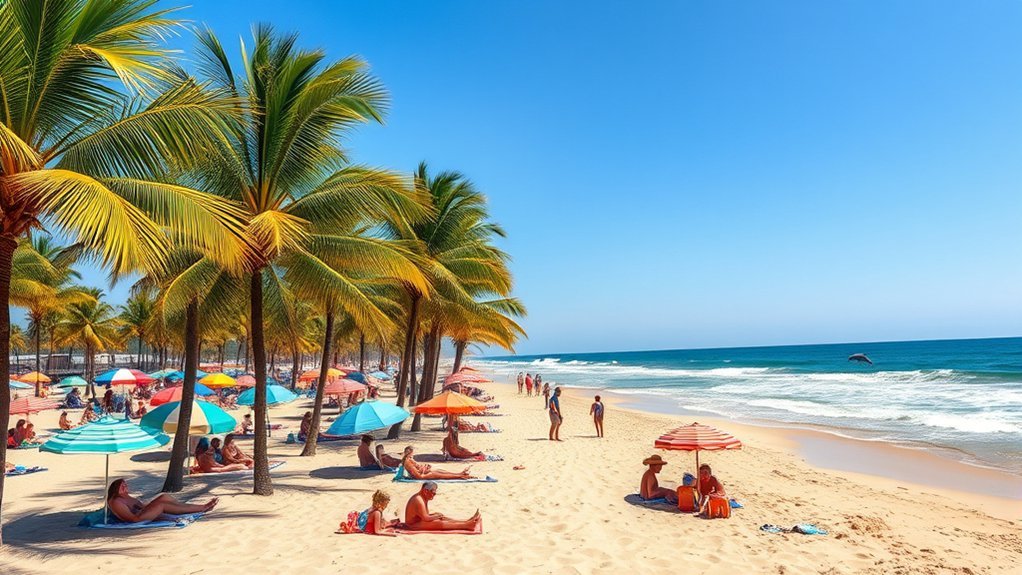
Alabama’s Gulf Coast is best known for Gulf Shores, Orange Beach, and Fort Morgan. The area’s beaches have fine white quartz sand and blue-green Gulf water, making the coast one of the state’s most popular summer destinations. The official Gulf Shores and Orange Beach beach guide provides information about public beach access, accessibility, lifeguards, parking, and beach conditions.
A simple beach day can include swimming, building sandcastles, walking the shoreline, watching the sunset, or relaxing under an umbrella. Travelers who want more activity can look for paddleboarding, parasailing, jet skiing, dolphin cruises, or charter fishing around Gulf Shores and Orange Beach.
Alabama’s beach destination promotes about 32 miles of shoreline across Gulf Shores, Orange Beach, and Fort Morgan, giving visitors plenty of room to combine beach time with parks and coastal nature.
For a quieter nature-focused outing, visit Bon Secour National Wildlife Refuge on the Fort Morgan Peninsula. The U.S. Fish and Wildlife Service protects about 7,000 acres there, including dunes, wetlands, and pine-oak habitat. Birding, wildlife watching, photography, and walking trails provide a contrast to the busier beach areas.
Warning: Check beach flags and surf conditions before entering the Gulf, follow lifeguard instructions, and never assume calm-looking water is risk-free. Thunderstorms can also develop quickly during summer, so leave the water when thunder is heard.
Go Hiking and Camping in Alabama’s Mountains
Alabama’s mountain country offers cooler-looking forest scenery and a very different experience from the coast, although summer afternoons can still be hot and humid. The Appalachian landscape extends into northeast and east-central Alabama, where hikers can choose everything from short park walks to long-distance backpacking routes.
The Pinhoti Trail is one of the state’s best-known long-distance routes. The full trail continues into Georgia, so descriptions of a 300-plus-mile Pinhoti should not be interpreted as 300 miles entirely within Alabama. The Alabama Trails Foundation describes more than 170 miles of the trail in Alabama.
Cheaha State Park is another useful base for a summer mountain trip. Cheaha Mountain reaches 2,407 feet, the highest point in Alabama. Visitors can hike, camp, enjoy overlooks, explore nearby Talladega National Forest, or choose a shorter outing instead of committing to a long backpacking route.
Camping options vary from improved sites to more primitive experiences. Check current campground rules before arrival because amenities and vehicle restrictions differ by campground.
Pro Tip: Start summer hikes early in the morning. You will usually get cooler conditions, more time before afternoon thunderstorms develop, and a larger safety margin if the hike takes longer than expected.
Try Water Sports on Alabama’s Lakes and Rivers
Alabama has a large network of reservoirs, lakes, rivers, creeks, and coastal waterways. Lake Guntersville is a standout destination for boating and fishing. Lake Guntersville State Park describes it as Alabama’s largest lake and offers access to fishing, day-use recreation, camping, and miles of hiking and biking trails.
Anglers visit Lake Guntersville for species including bass, while recreational boaters use the reservoir for cruising and other water activities. Families who do not want to spend the entire day on the water can combine a short boat outing with a picnic or park visit.
The Cahaba River offers a different experience. It is a free-flowing Alabama river known for exceptional biological diversity. The Cahaba Blueway provides information for people planning paddling trips and choosing access points.
The Mobile-Tensaw Delta is another major paddling destination. Alabama conservation officials describe it as the nation’s second-largest river delta. Its waterways pass through marshes, cypress-tupelo swamps, bottomland forest, and wildlife habitat. Paddlers can explore parts of the delta through routes such as the Bartram Canoe Trail.
Conditions vary greatly between lakes, rivers, and tidal waterways. Beginners should choose protected water and appropriate launch points rather than assuming every stretch of a river is suitable for an easy recreational paddle.
Note: Wear a properly fitted life jacket when appropriate for the activity, check local boating and fishing rules, watch the weather, and avoid unfamiliar moving water after heavy rain.
Explore Alabama Historical Sites and Museums
Summer heat makes museums especially useful during the middle of the day. Alabama has major sites connected with the Civil Rights Movement, military history, and the state’s broader political and social history.
| Historical Site/Museum | Why Visit | Planning Note |
| Birmingham Civil Rights Institute | Civil rights history, Birmingham’s role in the movement, exhibitions, archives, and educational interpretation. | Check current operating days and last-admission time before visiting. |
| USS Alabama Battleship Memorial Park | USS Alabama, USS Drum submarine, military aircraft, vehicles, and memorials. | Allow extra time if you plan to tour both ships and the aircraft collection. |
| Rosa Parks Museum | The Montgomery Bus Boycott, Rosa Parks, and the history surrounding a pivotal moment in the Civil Rights Movement. | Review current hours and holiday closures on Troy University’s museum website. |
The Birmingham Civil Rights Institute provides historical interpretation of Birmingham’s role in the Civil Rights Movement through exhibitions, photographs, documents, and personal accounts. It is part of the Birmingham Civil Rights National Monument area and works well as part of a broader visit to the historic district.
In Mobile, USS Alabama Battleship Memorial Park lets visitors board the World War II battleship USS Alabama and explore the USS Drum submarine, aircraft, military vehicles, and memorials. Because some parts of ship tours involve stairs and confined spaces, visitors should review accessibility information if mobility is a concern.
Montgomery adds another layer to a history-focused Alabama trip. The Rosa Parks Museum, operated by Troy University, focuses on Rosa Parks and the Montgomery Bus Boycott. Other historic locations around Montgomery make it possible to devote a full day or more to the city’s role in Alabama and U.S. history.
Enjoy Summer Music Festivals and Special Events
Event information is one part of an Alabama summer guide that must be checked every year. Festival schedules change, and an event that happened annually in the past may take a break or move dates.
One established summer event in Florence and the Shoals is the W.C. Handy Music Festival, which celebrates the musical legacy associated with W.C. Handy through performances and community events. The 2026 festival took place in July, so travelers planning future summers should check the current schedule rather than relying on an old date.
Dauphin Island is home to the Alabama Deep Sea Fishing Rodeo, a long-running July fishing event. The 2026 rodeo ran July 17–19. Future dates, registration requirements, competition rules, and ticket information should always be confirmed directly with the organizers.
Gulf Shores visitors should also be aware of an important current change. Hangout Music Festival did not take place in 2026. The official Gulf Shores tourism site says the festival is expected to return in May 2027. Check the current Hangout Festival information before building a trip around it.
The Annual National Shrimp Festival is another famous Gulf Shores event, but it should not be described as a summer festival. The 2026 festival is scheduled for October 8–11, making it a fall trip option instead.
Sample Alabama Barbecue, Seafood, and Farmers Markets
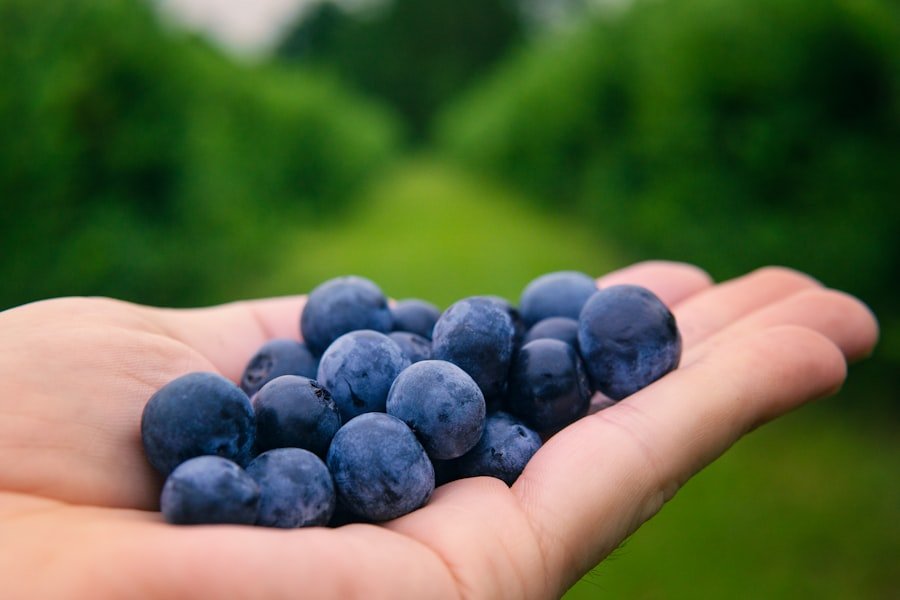
Food can be one of the easiest ways to break up a hot day of sightseeing. Alabama’s culinary traditions include barbecue, Gulf seafood, meat-and-three restaurants, baked goods, seasonal produce, and regional sauces.
A famous example is Big Bob Gibson Bar-B-Q in Decatur. The restaurant’s history is closely associated with Alabama-style white barbecue sauce, a tangy mayonnaise-based sauce commonly paired with smoked chicken.
Farmers markets are another good summer stop. Pepper Place Farmers Market in Birmingham features Alabama-grown, raised, and made products. In 2026, its Saturday market operates from 7 a.m. to noon, rain or shine. Because schedules can change by season and year, check the market website before leaving.
On the coast, seafood restaurants make it easy to try shrimp, fish, oysters, and other Gulf Coast dishes. Inland, barbecue and Southern comfort food are more prominent, although major cities now offer a much wider range of cuisines.
Visit Charming Alabama Small Towns
Alabama’s small towns can provide a slower alternative to a packed attraction schedule. Fairhope, on the eastern shore of Mobile Bay, combines downtown shops, restaurants, galleries, parks, and bay views. The official Alabama tourism guide to Fairhope highlights the town’s Mobile Bay setting.
Visitors can walk downtown, browse local businesses, and head toward the Fairhope Municipal Pier and waterfront. Late afternoon and evening are especially appealing in summer because they avoid some of the strongest midday sun.
Mentone offers a mountain-town contrast. Located in the Lookout Mountain area of northeast Alabama, it is known for cabins, crafts, small businesses, and access to scenic outdoor country. Travelers can pair Mentone with nearby mountain drives, parks, waterfalls, and hiking areas.
Summer opening hours for independent shops and restaurants can change, especially in smaller communities, so confirm any must-visit business before making a long drive.
Experience Alabama Wildlife and Nature Reserves
Alabama’s forests, rivers, wetlands, barrier islands, and coastal habitats support a wide range of wildlife. The Mobile-Tensaw Delta is one of the best-known natural areas in the state. Exploring by kayak or guided boat can provide opportunities to see birds, reptiles, fish, and wetland ecosystems while staying relatively close to Mobile and the Gulf Coast.
Bon Secour National Wildlife Refuge protects important coastal habitat near Gulf Shores. Its dunes, wetlands, forests, and beaches support migratory birds and federally protected species. Visitors should stay on authorized routes and follow refuge rules rather than approaching or disturbing wildlife.
Wheeler National Wildlife Refuge near Decatur is another important wildlife destination, but summer visitors should set the right expectations. The refuge is famous for large winter concentrations of sandhill cranes, ducks, and geese. Those spectacular crane numbers are associated primarily with late fall and winter, not Alabama’s hottest summer months.
Summer can still be worthwhile for general wildlife observation, walking, photography, and exploring refuge habitat. Early morning is often the most comfortable period for both temperatures and wildlife activity.
Know Alabama’s Summer Weather Before You Go
Alabama summers are hot and humid, but conditions vary between the Gulf Coast, central Alabama, and higher elevations in the north and northeast. As one coastal example, the National Weather Service reported an average July 2026 high of 93.2°F in Mobile, with many days reaching at least 90°F.
Scattered afternoon and early-evening thunderstorms are a normal part of warm-season weather in much of Alabama. Lightning, heavy rain, localized flooding, and rapidly changing outdoor conditions can interrupt beach, lake, hiking, and festival plans.
The Atlantic hurricane season also overlaps the entire Alabama summer. According to the National Hurricane Center, the official Atlantic season runs from June 1 through November 30. Coastal visitors should check forecasts before travel and again during the trip if tropical weather is active.
Warning: Do not judge heat risk by air temperature alone. High humidity can make outdoor activity much harder on the body. Drink water regularly, take cooling breaks, reduce strenuous midday activity, and move indoors if you develop signs of heat illness.
What to Pack for an Alabama Summer Trip
- Lightweight, breathable clothing for hot and humid conditions.
- Comfortable walking shoes plus activity-specific footwear for trails or water.
- Sunscreen, sunglasses, and a brimmed hat.
- Reusable water bottles or another reliable hydration plan.
- Rain protection for sudden showers and thunderstorms.
- Insect repellent for wooded, wetland, and evening outdoor areas.
- A dry bag or waterproof phone pouch for paddling and boating days.
- A light extra layer for strongly air-conditioned museums, restaurants, and hotels.
Choose the Best Alabama Region for Your Summer Trip
| Area | Best For | Summer Strategy |
| Gulf Shores, Orange Beach & Fort Morgan | Beaches, fishing, boating, wildlife, seafood | Beach early or late; keep an eye on surf flags and tropical forecasts. |
| Birmingham & Montgomery | Museums, civil rights history, food, markets | Use museums and indoor attractions during the hottest afternoon hours. |
| Cheaha & Northeast Alabama | Mountain scenery, hiking, camping, small towns | Start hikes early and carry more water than you expect to need. |
| Huntsville, Decatur & Lake Guntersville | Lake recreation, fishing, museums, north Alabama attractions | Combine morning outdoor recreation with an indoor afternoon stop. |
During the summer months, Alabama also produces plenty of fresh seasonal fruit. Travelers who enjoy exploring unusual produce and different varieties of melon may also enjoy this guide to the delightful world of Asian melon.
Frequently Asked Questions
What is the weather like in Alabama during the summer?
Alabama summers are generally hot and humid. High temperatures frequently reach the 90s°F in many locations, while scattered afternoon thunderstorms are common. Conditions differ between the coast, central Alabama, and higher terrain, so check the local forecast for the specific destination.
What are some popular summer activities in Alabama?
Popular choices include visiting Gulf Coast beaches, hiking and camping in state parks, fishing or boating on Lake Guntersville, kayaking rivers and wetlands, visiting museums, exploring small towns, shopping at farmers markets, and attending seasonal music or fishing events.
Are there special events or festivals in Alabama during summer?
Yes. Examples include the W.C. Handy Music Festival in the Shoals and the Alabama Deep Sea Fishing Rodeo on Dauphin Island. Dates change by year. Hangout Music Festival did not take place in 2026, while the 2026 National Shrimp Festival is October 8–11 and is therefore a fall event rather than a summer festival.
What precautions should I take when visiting Alabama in summer?
Stay hydrated, use sun protection, reduce strenuous activity during the hottest part of the day, and monitor thunderstorms. At the Gulf Coast, check beach flags and surf conditions. Coastal travelers should also monitor tropical forecasts because Atlantic hurricane season runs from June 1 through November 30.
What are popular Alabama destinations for a summer vacation?
Gulf Shores and Orange Beach are popular for beaches and water recreation. Birmingham and Montgomery are strong choices for museums and history. Cheaha State Park and the Lookout Mountain area suit hikers, while Huntsville, Decatur, and Lake Guntersville work well for a north Alabama trip.
Is Alabama too hot for hiking in summer?
Not necessarily, but timing matters. Begin longer hikes early, bring adequate water, choose a route appropriate for your fitness level, and check the weather. Short shaded trails can be better choices when heat or thunderstorms make a long exposed hike unsafe.
Can you swim at Alabama’s Gulf Coast beaches in summer?
Swimming is a major summer activity at Gulf Shores and Orange Beach, but conditions are not the same every day. Check the beach-warning flags, observe lifeguard instructions, stay out of the water during thunderstorms, and do not swim alone.
What should I pack for Alabama in summer?
Pack lightweight clothing, comfortable shoes, sunscreen, sunglasses, a hat, water bottles, rain protection, insect repellent, and any activity-specific gear you need. A light layer can also be useful inside strongly air-conditioned museums and restaurants.
Sources
- National Weather Service Mobile/Pensacola — July 2026 Mobile temperature and climate information.
- National Hurricane Center — Atlantic hurricane-season timing and tropical cyclone climatology.
- Alabama State Parks: Cheaha State Park — Cheaha recreation, camping, and Alabama’s highest-point information.
- U.S. Fish & Wildlife Service: Bon Secour National Wildlife Refuge — coastal habitat, wildlife, and visitor information.
- Gulf Shores & Orange Beach — Alabama beach characteristics, public beach information, accessibility, and swimming guidance.
- U.S. Fish & Wildlife Service: Wheeler National Wildlife Refuge — wildlife watching and seasonal crane and waterfowl information.