Alabama has plenty of genuinely free experiences, from art museums and historic landmarks to public gardens, nature preserves, urban parks, and seasonal festivals. The key is knowing the difference between free admission and a completely free day, because parking, food, special programs, or optional activities can still cost money at some destinations.
Quick Answer
Some of the best free things to do in Alabama include Birmingham Museum of Art, Birmingham Botanical Gardens, Railroad Park, Monte Sano Nature Preserve, Alabama State Capitol, Horseshoe Bend National Military Park, and Russell Cave National Monument. Free admission does not always include parking, food, special events, or optional activities.
Key Takeaways
- Birmingham Museum of Art and Gadsden Museum of Art currently offer free general admission.
- Alabama State Capitol, Horseshoe Bend National Military Park, and Russell Cave National Monument are strong choices for free history-focused outings.
- Monte Sano Nature Preserve offers more than 24 miles of free public trails near Huntsville.
- Several major Alabama festivals still have free admission, including the 2026 National Shrimp Festival and Alabama Renaissance Faire.
- Always check parking, special-event, and activity fees before leaving home, even when the main attraction is free.
Hiking and Nature Trails
Alabama’s strongest free outdoor options are nature preserves and public trail systems that do not require a standard entrance ticket. In north Alabama, Monte Sano Nature Preserve is one of the easiest places to build a full hiking day without paying admission. The Land Trust of North Alabama lists more than 24 miles of free public trails there for hiking, biking, and outdoor recreation.
Another Land Trust option is Chapman Mountain Nature Preserve, where access is free and several miles of trails are open from dawn to dusk. These preserves work well for travelers who want a simple nature walk without the entrance charge found at some state parks.
For a combination of nature and archaeology, Russell Cave National Monument near Bridgeport is fee-free year-round. Visitors cannot enter the protected cave itself, but the National Park Service provides outdoor exhibits, a boardwalk to the cave shelter, picnic space, and walking trails.
Warning: Do not assume every outdoor attraction in Alabama is completely free. Little River Canyon National Preserve currently charges for vehicle access to Canyon Mouth Park, and public beach parking in Gulf Shores and Orange Beach can also add to the cost of a beach day.
If you want to visit Alabama’s Gulf Coast, the sand and shoreline may be the main attraction, but parking is an important budget consideration. Gulf Shores and Orange Beach tourism information lists paid public-beach parking at many access points, so walking, biking, or staying within walking distance can make a coastal outing much cheaper.
Historic Sites and Landmarks
Montgomery is one of the best places in Alabama for free history. The Alabama State Capitol offers free standard admission to visitors. The working government building also serves as a museum of Alabama political and state history. Direct visitors can explore without paying standard admission, although private tour-company arrangements and some special programs may have separate charges.
For military and Native American history, Horseshoe Bend National Military Park is a fee-free National Park Service site near Daviston. The park preserves the battlefield associated with the Creek War and includes a visitor center, trails, outdoor areas, and a tour road.
Birmingham also offers an important no-ticket National Park Service experience. Birmingham Civil Rights National Monument does not require an NPS entrance pass. The monument connects visitors with places associated with the civil rights movement. Keep in mind that individual partner buildings or affiliated attractions can maintain their own hours and admission policies.
Pro Tip: In Montgomery, group several free history stops into the same part of your day. This reduces driving and parking costs while giving you more time at each site.
Museums and Art Galleries
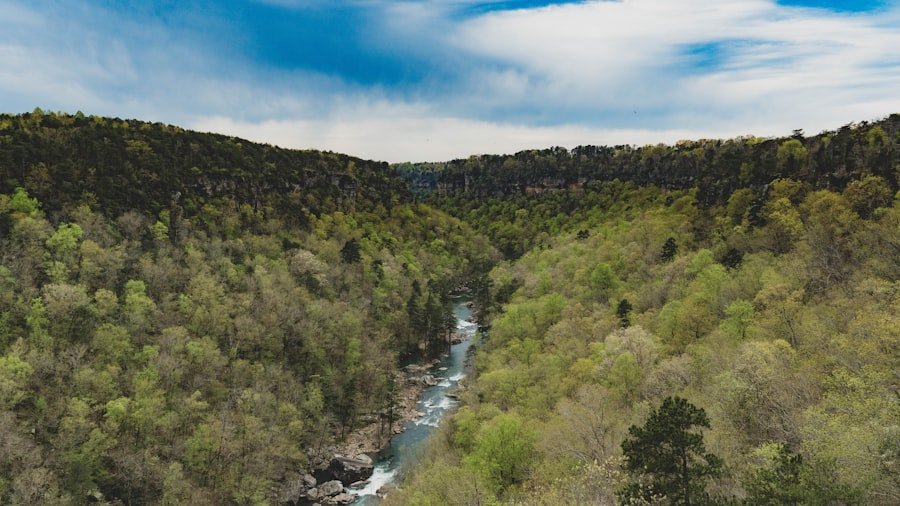
One of Alabama’s clearest genuinely free museum choices is the Birmingham Museum of Art. The museum states that general admission is always free. Its collections make it a useful indoor option when Alabama weather is too hot, rainy, or cold for a long outdoor visit. Ticketed programs or special activities can still have separate costs.
The Gadsden Museum of Art is another strong free choice. General admission is free, with donations welcomed. Because exhibitions change, repeat visitors can often see different work on later trips without paying a standard admission fee.
Travelers should be cautious with older lists of “free museums” in Alabama. Huntsville Museum of Art and Mobile Museum of Art currently charge standard adult admission, although age-based discounts, member benefits, community days, or local-resident programs may sometimes reduce the price.
Free admission does not always mean a $0 day. Parking, transportation, food, special exhibitions, classes, and optional activities can still add to the total cost.
Local Festivals and Events
Free festivals are one of the best ways to experience Alabama music, food culture, artists, and community traditions without buying an admission ticket. Event details can change, so always check the official event website before making a long drive.
| Event | 2026 Timing | Location | Admission |
|---|---|---|---|
| Annual National Shrimp Festival | October 8-11, 2026 | Gulf Shores | Free entry to festival grounds |
| Alabama Renaissance Faire | October 24-25, 2026 | Wilson Park, Florence | Free admission |
| Magic City Pop-Up Plaza | Select Fridays, April-October | Railroad Park, Birmingham | Free to attend; purchases optional |
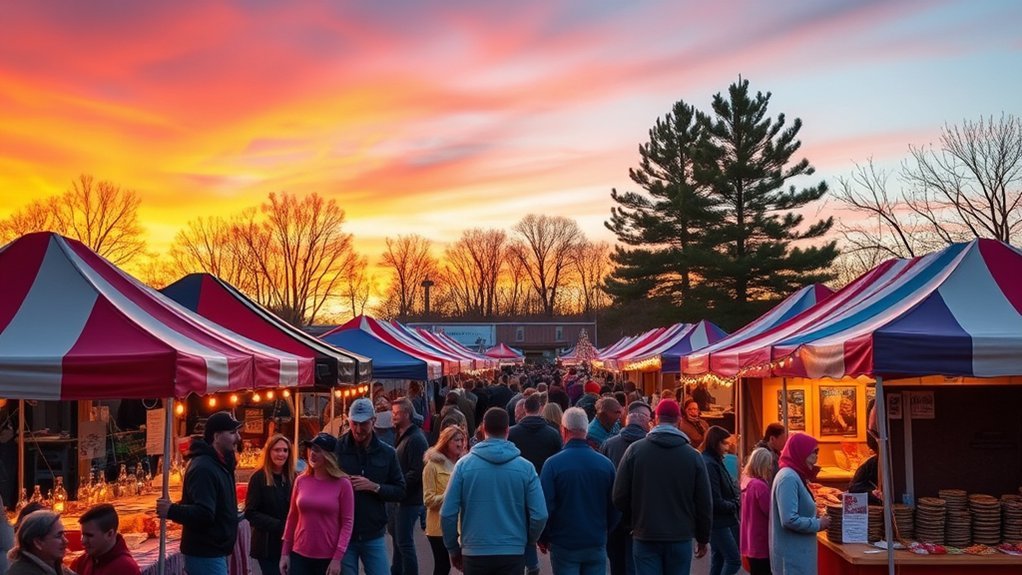
The National Shrimp Festival is free to enter, but food, merchandise, transportation, and some surrounding parking options cost extra. The Alabama Renaissance Faire also advertises free admission, while food and vendor purchases remain optional. This distinction is useful when planning a truly low-cost day.
Outdoor Recreation and Parks
Railroad Park in Birmingham is a reliable free urban attraction. Admission is free, and the park provides lawns, walking areas, city views, and a convenient place to relax between downtown activities. The park also hosts free community programs at different times of year.
Another standout is Birmingham Botanical Gardens. The Gardens are free and open to the public every day of the year, and official visitor information also lists free parking. This makes the Gardens one of the easiest choices for families, photographers, walkers, plant lovers, and travelers looking for a peaceful break.
In Huntsville, Big Spring International Park provides an easy downtown green-space stop. Seasonal city programming can make the area even more useful for budget travelers. Huntsville’s Concerts in the Park, for example, is a free public music series held in Big Spring Park during its scheduled season.
For more strenuous recreation, the Land Trust of North Alabama’s preserves are especially useful because many of its trail systems are free to access. Trail conditions, weather, daylight, and personal fitness should still determine which route you choose.
Farmers Markets and Local Food Tours
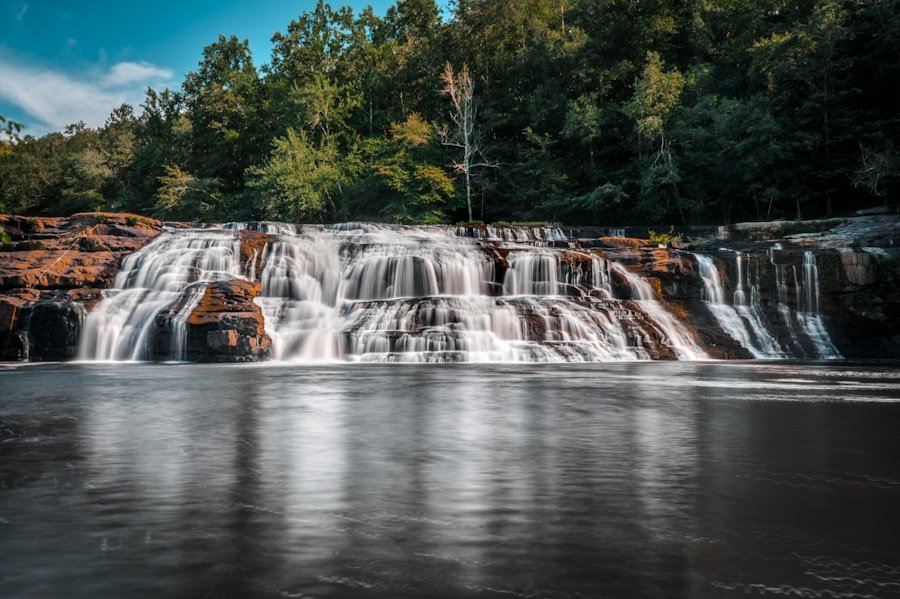
A farmers market can be a free activity even if you do not plan to shop. The Pepper Place Farmers Market in Birmingham features Alabama growers, producers, makers, live programming, and seasonal community events. The market describes its seasonal events as free, so visitors can enjoy the atmosphere and demonstrations while deciding whether they want to purchase food or handmade goods.
Railroad Park’s Magic City Pop-Up Plaza offers another budget-friendly way to explore local food trucks, makers, artists, and vendors. Attendance is free, while anything you buy is optional.
Traditional guided food tours are usually paid experiences, so they should not automatically appear on a strict “free things to do” list. For a no-ticket alternative, browse a farmers market, attend a free cooking demonstration, or build your own self-guided walk around a neighborhood with interesting food businesses.
Note: If you are staying somewhere with kitchen access and want to reduce meal costs during your Alabama trip, simple homemade food can help stretch the budget. One related option is this Delicious Homemade Cottage Cheese: A Simple and Healthy Recipe.
Music and Performing Arts
Free outdoor music is common in Alabama when cities and nonprofit organizations sponsor seasonal community programs. Huntsville’s Concerts in the Park is one example. The 2026 series featured free weekly performances in Big Spring Park, giving visitors an opportunity to hear live music without buying a concert ticket.
Railroad Park also runs community programming that can include free exercise, dance, and cooking activities. Check the Railroad Park event schedule before visiting because program dates change throughout the year.
Major free festivals can also double as performing-arts experiences. The Alabama Renaissance Faire includes performers and demonstrations, while the National Shrimp Festival combines music, arts, vendors, and Gulf Coast food culture. Admission may be free even though food and merchandise are not.
Educational and Cultural Workshops
Several free attractions provide educational experiences beyond simply walking around. Russell Cave National Monument offers National Park Service interpretation and a Junior Ranger program for younger visitors. Because the park itself has no entrance fee, families can combine history, archaeology, nature, and educational activities in one visit.
At Birmingham Botanical Gardens, selected programs such as Storytime at the Gardens are offered free to garden visitors. The Gardens also work well as a self-guided learning experience because families can compare plant collections, seasonal changes, and garden styles at their own pace.
Railroad Park lists free community cooking and exercise classes during parts of the year. These programs are useful for travelers who want an activity rather than a traditional sightseeing stop, but schedules should always be checked before arrival.
At the Alabama State Capitol, visitors can learn about state government, architecture, and Alabama history. Guided tours for qualifying groups can be arranged through the Capitol tour office, while ordinary standard admission remains free.
Frequently Asked Questions
What are some free things to do in Alabama?
Good options include Birmingham Museum of Art, Gadsden Museum of Art, Birmingham Botanical Gardens, Railroad Park, Monte Sano Nature Preserve, Alabama State Capitol, Horseshoe Bend National Military Park, and Russell Cave National Monument.
Are there free outdoor activities in Alabama?
Yes. Monte Sano Nature Preserve and other Land Trust of North Alabama preserves offer free public trails, while Railroad Park and Birmingham Botanical Gardens are also free outdoor options. Some beaches, state parks, and recreation areas may charge for parking or specific facilities.
Can I visit free museums in Alabama?
Yes. Birmingham Museum of Art states that general admission is always free, and Gadsden Museum of Art also offers free general admission. Special programs, classes, or events can still have separate charges.
What free historic attractions can I visit in Alabama?
Alabama State Capitol offers free standard admission, while Horseshoe Bend National Military Park and Russell Cave National Monument are fee-free National Park Service sites. Birmingham Civil Rights National Monument also does not require an NPS entrance pass.
Are there free events or festivals in Alabama in 2026?
Yes. The 2026 Annual National Shrimp Festival in Gulf Shores is scheduled for October 8-11 with free entry to the festival grounds, and the Alabama Renaissance Faire in Florence is scheduled for October 24-25 with free admission. Birmingham’s Magic City Pop-Up Plaza is also free to attend on scheduled dates.
Are Huntsville Botanical Garden and the U.S. Space & Rocket Center free?
Not for standard adult admission. As of August 2026, Huntsville Botanical Garden lists a $20 standard adult ticket and the U.S. Space & Rocket Center lists a $30 adult general-admission ticket. Both may offer special discounts, memberships, or occasional free opportunities, so check their official sites before visiting.
Are Alabama’s Gulf Coast beaches completely free?
Beach access can be inexpensive, but a beach day is not always completely free. Gulf Shores and Orange Beach public parking areas can charge hourly or daily parking fees, so check the specific beach access point before driving there.
Sources
- Alabama Tourism Department: Top Free Attractions — supports statewide free-attraction research and destination planning.
- Birmingham Museum of Art — confirms that general admission is always free.
- Alabama Historical Commission: Alabama State Capitol — confirms standard visitor admission and tour information.
- National Park Service: Horseshoe Bend National Military Park — confirms that the park is fee-free.
- Land Trust of North Alabama: Monte Sano Nature Preserve — confirms free public trail access and current trail mileage.
- Annual National Shrimp Festival — confirms 2026 dates and free entry to festival grounds.