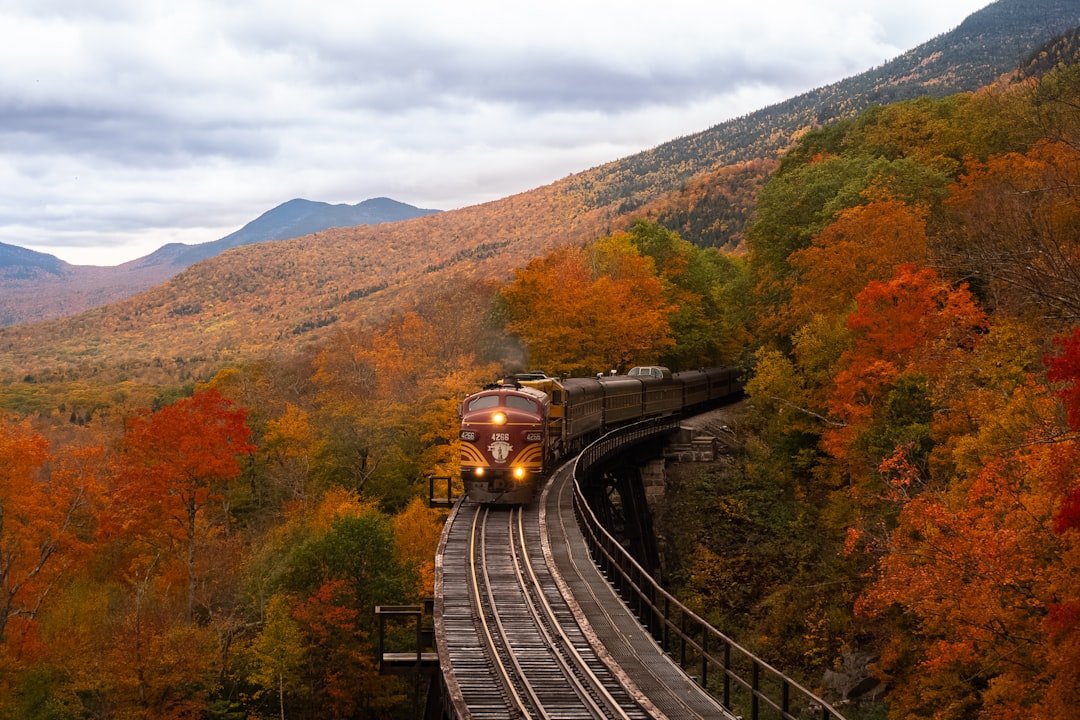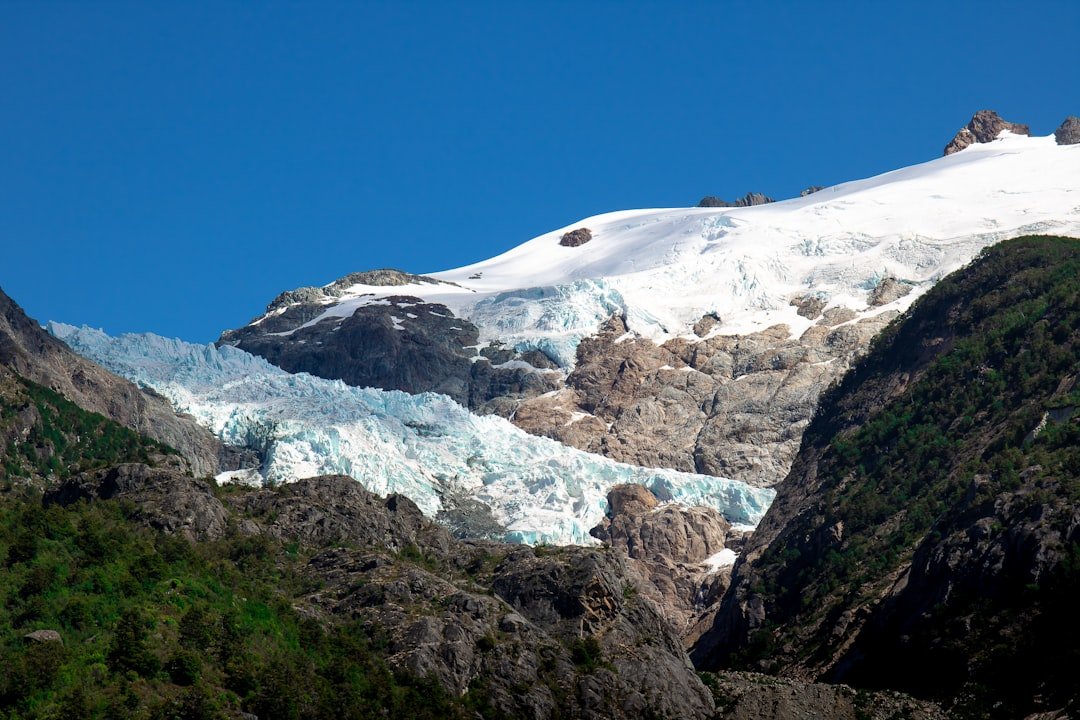
The Glacier Express is Switzerland’s famous panoramic rail journey between Zermatt and St. Moritz. Rather than being a fast intercity train, it is designed as a full-day sightseeing experience through the Swiss Alps, with panoramic windows, mountain passes, gorges, historic railway engineering, villages, and onboard dining along the way.
Quick Answer
The Glacier Express links Zermatt and St. Moritz on a roughly eight-hour, 291-kilometer panoramic journey across the Swiss Alps. A valid ticket and mandatory seat reservation are required. In 2026, full-route 2nd-class travel costs CHF 213 including the CHF 54 reservation, while Swiss Travel Pass holders still pay the required reservation.
Key Takeaways
- The full Glacier Express journey runs between Zermatt and St. Moritz and takes about eight hours.
- The route covers about 291 kilometers, crosses 291 bridges, passes through 91 tunnels, and reaches 2,033 meters at the Oberalp Pass.
- A seat reservation is mandatory in addition to a valid ticket or qualifying travel pass.
- All classes have panoramic windows; 1st class provides more space, while Excellence Class adds premium service and a guaranteed window seat.
- The train does not operate every day of the year. In 2026, there is no Glacier Express service from October 11 through December 4.
Glacier Express route at a glance
The classic Glacier Express journey connects the car-free mountain resort of Zermatt with St. Moritz in the Upper Engadin. The official route is approximately 291 kilometers long. Over roughly eight hours, that works out to an end-to-end average of a little over 36 kilometers per hour, which helps explain the long-standing nickname “the slowest express train in the world.”
About 291 km, 291 bridges, 91 tunnels, and a high point of 2,033 meters at the Oberalp Pass make the Glacier Express as much a sightseeing route as a transportation service.
From Zermatt, the train travels through the Matter Valley toward Brig, continues through the Upper Valais and the Furka Base Tunnel area, reaches Andermatt, climbs to the Oberalp Pass, and descends toward Disentis. It then follows the Rhine Gorge toward Chur before continuing over the historic Albula route toward Filisur, the Upper Engadin, and St. Moritz.
The principal locations used for Glacier Express boarding and disembarking include Zermatt, Brig, Andermatt, Chur, Filisur, Samedan, and St. Moritz, although available combinations depend on the train and timetable. Some other locations, including Disentis, are operating stops or route landmarks rather than necessarily being available for every bookable journey combination. Check the official Glacier Express timetable for your exact train.
Warning: The Glacier Express is not a 365-day service. For 2026, the official timetable shows no Glacier Express trains from October 11 through December 4. Always confirm the operating calendar before booking hotels or connecting trains.
Scenic highlights along the Glacier Express route
The scenery changes repeatedly between Zermatt and St. Moritz. Near Zermatt, the Matterhorn dominates the surrounding landscape, while the route farther north follows mountain valleys toward Brig and Andermatt.
Oberalp Pass
At 2,033 meters above sea level, the Oberalp Pass is the highest point of the Glacier Express journey. Winter brings deep snow to this section, while warmer months reveal alpine grassland and the small lake near the pass. The route then descends toward Disentis and the Rhine valley.
Rhine Gorge
Between the Disentis area and Chur, the railway passes through the Rhine Gorge, often called the Swiss Grand Canyon. Pale rock walls, forest, and the young Rhine create one of the most distinctive natural landscapes on the journey.
Landwasser Viaduct and the Albula Line
Farther east, the train crosses the famous Landwasser Viaduct near Filisur. The natural-stone structure is about 142 meters long and 65 meters high and leads directly into a tunnel cut into the rock face. The viaduct is part of the historic Albula railway landscape within the UNESCO World Heritage property Rhaetian Railway in the Albula/Bernina Landscapes.
Chur is part of the Glacier Express route, but Arosa is not. Travelers who want to visit Arosa can connect from Chur using a separate Rhaetian Railway service.
Which Glacier Express class should you choose?
The Glacier Express offers 2nd class, 1st class, and Excellence Class. All three use panoramic windows, so paying for a higher class is mainly about space, seating configuration, service, and included extras rather than gaining access to a completely different view.
| Class | What you get |
| 2nd Class | Panoramic windows, comfortable four-seat groupings, tables, and food-and-drink service at your seat. Meals are not included. |
| 1st Class | Panoramic windows with more space and a mix of two-seat and four-seat arrangements. Catering is available at your seat but is not included in the normal ticket. |
| Excellence Class | Premium two-seat lounge seating with a guaranteed window seat, concierge service, onboard infotainment, Glacier Bar access, and a five-course menu with accompanying drinks. A valid 1st-class ticket or travel card is also required. |
For most travelers who mainly want the scenery, 2nd class provides the essential panoramic experience at the lowest fare. First class is useful when extra personal space matters. Excellence Class is aimed at travelers who want the journey itself to feel like a premium dining and hospitality experience.
Dining and onboard services
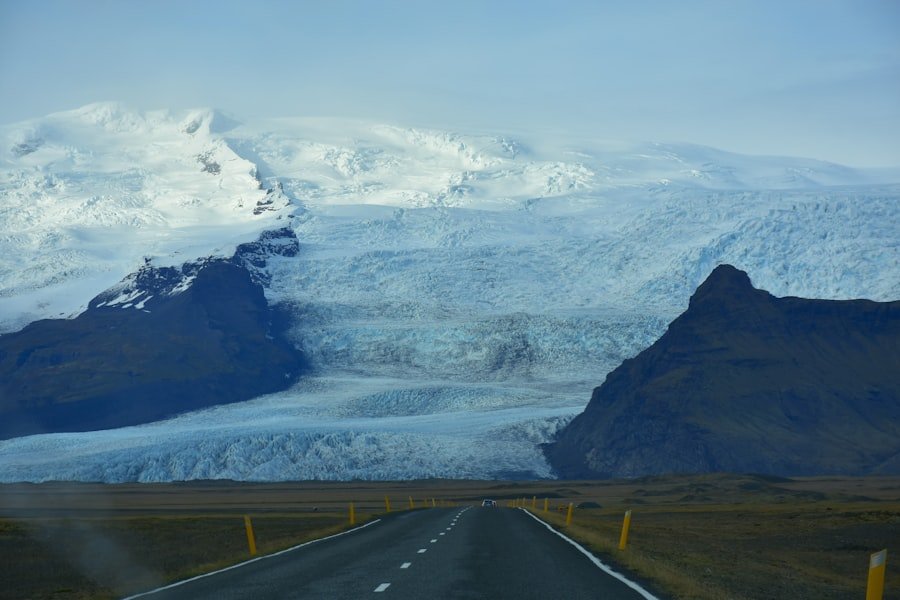
Food on the Glacier Express is served directly at your seat. The current culinary program focuses on regional and seasonal dishes prepared fresh onboard rather than a fixed promise of fondue or rösti.
Examples appearing on the 2026 menu include Graubünden barley soup, braised beef with Pinot Noir sauce, seasonal risotto, lentil and split-pea ragout, cheese selections, and Engadin nut tart. The exact selection can change with season and availability.
In 1st and 2nd class, meals are generally purchased separately. The Glacier Express recommends pre-ordering for the best availability, and individual travelers can arrange meal pre-orders up to 48 hours before departure. Ordering onboard may still be possible, but the choice can be more limited.
Excellence Class includes a seasonal five-course menu with wine accompaniment and other included drinks as part of its premium service. Current menu and service information is available on the official Glacier Express gastronomy page.
Note: The Glacier Express currently accepts cashless payment only for food, drinks, and onboard purchases. Bring an accepted payment card or other supported cashless method.
Glacier Express ticket prices and how to book
A Glacier Express booking has two separate parts: a valid transportation ticket for the route and a mandatory seat reservation. Having a rail ticket or travel pass alone does not remove the reservation requirement.
The following full-route prices were checked against the official Glacier Express fare information on August 17, 2026. Fares can change, so confirm the amount before purchase.
| Full Zermatt–St. Moritz trip | 2026 individual fare |
| 2nd Class | CHF 159 ticket + CHF 54 seat reservation = CHF 213 |
| 1st Class | CHF 272 ticket + CHF 54 seat reservation = CHF 326 |
| Excellence Class | CHF 272 1st-class ticket + CHF 540 Excellence Class reservation = CHF 812 |
Shorter Glacier Express sections cost less because the transportation fare depends on the route. The reservation charge still applies to the permitted Glacier Express journey you book. Current fares and accepted travel cards are listed on the official Glacier Express prices page.
When can you reserve?
Tickets are generally available up to 180 days before travel. Seat reservations for 1st and 2nd class can currently be made from 93 days before the travel date. Excellence Class reservations can be available for the full timetable period, with sales for the following season opening separately.
How to book online
- Open the official Glacier Express booking system and choose your class.
- Select the departure station, destination, and travel date.
- Choose an available train and seat.
- Enter each passenger and any qualifying rail pass or discount card.
- Add a meal pre-order if desired, then complete payment and keep the digital or printed travel documents.
Note: A Swiss Travel Pass covers the Glacier Express transportation fare in the corresponding class, but it does not cover the mandatory seat reservation. For 1st class or Excellence Class, you also need valid 1st-class travel entitlement.
Tips for a comfortable Glacier Express journey
Arrive at the station with enough time to find your carriage and load your luggage without rushing. Because this is a long panoramic journey, keep items you may need during the day, such as your phone, camera, medication, charger, and a light layer, in a small bag that is easy to reach.
When booking 1st or 2nd class, use the seat map to choose the available position you prefer. However, do not build your entire plan around sitting on one particular side of the train. The Glacier Express changes direction during the journey, so the company cannot guarantee that a seat will face a particular direction of travel for the whole route.
Pro Tip: Prioritize a comfortable seat arrangement over trying to identify a single “best side.” Major scenery appears on both sides during different portions of the eight-hour trip, and the train’s direction changes make simple left-versus-right rules unreliable.
A camera or binoculars can make the trip more enjoyable, but the panoramic windows already provide wide views from every class. Reflections can affect photography through the glass, so keep the lens close to the window and avoid bright clothing or objects reflecting behind you.
Best time of year to ride the Glacier Express
There is no single best season because the landscape changes dramatically through the year.
- Winter: Choose winter if snow-covered valleys and mountain scenery are your priority. Daylight is shorter, so check your train times carefully.
- Spring: Lower valleys become greener while higher elevations can still hold snow, producing strong contrasts along the route.
- Summer: Long daylight hours, green alpine landscapes, hiking season, and high visitor demand make summer one of the most popular periods.
- Early autumn: Cooler temperatures and changing vegetation can make September and early October attractive before the annual operating break.
The Glacier Express normally has an annual pause from around mid-October until early December. For 2026, no trains are scheduled from October 11 through December 4. Check the current timetable before choosing dates.
Off-train activities in Zermatt and St. Moritz
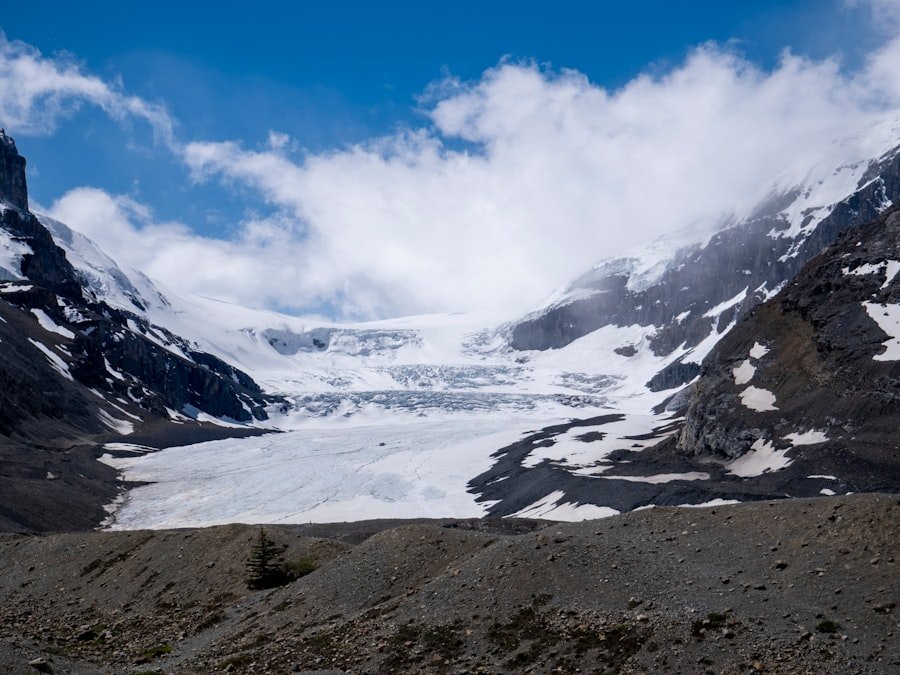
The Glacier Express itself takes most of a day, so staying overnight at one or both ends makes it easier to enjoy the destinations instead of treating them only as railway stations.
Zermatt
Zermatt sits below the Matterhorn and is car-free in its central resort area. Popular activities include hiking, skiing in season, exploring the village, and taking mountain railways or lifts to higher viewpoints. The Gornergrat area is especially well known for broad views of the Matterhorn and surrounding peaks.
St. Moritz
St. Moritz combines alpine scenery with hotels, restaurants, shopping, and outdoor recreation. Visitors can walk around Lake St. Moritz, explore the Upper Engadin landscape, hike or bike during warmer months, and use the town as a base for winter sports when conditions permit.
Planning details: luggage, accessibility, and stopovers
Luggage
Space aboard the panoramic train is limited. Glacier Express recommends taking no more than one additional piece of luggage in addition to normal hand luggage. Suitcase racks are available at the ends of the carriages, while smaller bags can normally be stored near the seat.
Warning: Ski luggage, golf bags, oversized luggage, bicycles, and electric scooters are not transported on the Glacier Express. Arrange separate luggage transportation when traveling with bulky equipment.
Accessibility
Passengers who use a wheelchair should contact Glacier Express Railservice before booking so the appropriate reservation and assistance arrangements can be made. Current contact and accessibility information is listed on the official Glacier Express FAQ.
Animals
Dogs and other animals are generally not allowed aboard the Glacier Express because of the onboard gastronomy rules. Properly documented assistance dogs are an exception. Contact Railservice if you need to travel with an assistance animal.
Stopping along the route
You can book shorter Glacier Express sections, but the service is not designed as an unrestricted hop-on, hop-off train. Not every station combination is available on every train. If you want to leave the train, explore a town, and continue later, plan the onward segment separately and make sure you hold the required ticket and seat reservation for that later train.
Frequently Asked Questions
What is the Glacier Express?
The Glacier Express is a panoramic train service through the Swiss Alps connecting Zermatt and St. Moritz. The full route is designed as an approximately eight-hour sightseeing journey rather than a high-speed express service.
How long is the Glacier Express route?
The classic Zermatt to St. Moritz route is approximately 291 kilometers long and takes about eight hours, although exact times vary by train and direction.
What are the main highlights of the Glacier Express route?
Major highlights include views around Zermatt and the Matterhorn region, the Oberalp Pass at 2,033 meters, the Rhine Gorge, the Landwasser Viaduct, the historic Albula railway landscape, and the Upper Engadin near St. Moritz.
What is the best time of year to take the Glacier Express?
Winter is ideal for snowy scenery, while summer provides long daylight and green alpine landscapes. Spring and early autumn offer changing scenery and can also be attractive. Check the operating calendar because the train has an annual break; in 2026 there is no service from October 11 through December 4.
How do I book tickets for the Glacier Express?
Book through the official Glacier Express system by selecting your class, route, date, train, and seat. You need both a valid transportation ticket and a mandatory seat reservation. Tickets are generally sold up to 180 days ahead, while 1st- and 2nd-class seat reservations currently open 93 days before travel.
How much does the Glacier Express cost in 2026?
For the full Zermatt–St. Moritz route, the current 2026 fare is CHF 159 for a 2nd-class ticket plus a CHF 54 reservation, or CHF 213 total. First class is CHF 272 plus CHF 54, or CHF 326 total. Excellence Class requires a valid 1st-class ticket plus a CHF 540 reservation. Prices should be rechecked before booking.
Is the Glacier Express included with the Swiss Travel Pass?
Yes. A valid Swiss Travel Pass covers the transportation fare in its applicable class, but the mandatory Glacier Express seat reservation must still be paid separately. A 1st-class pass or appropriate upgrade is required for 1st class or Excellence Class.
Are there stops along the Glacier Express route?
Yes. Principal Glacier Express boarding or disembarking points include Zermatt, Brig, Andermatt, Chur, Filisur, Samedan, and St. Moritz. Exact stopping patterns and permitted booking combinations vary by train, so check the timetable before planning a partial journey or stopover.
Can I choose the best side of the Glacier Express?
You can choose from available seats in the booking map, but the Glacier Express changes direction during the trip. A particular side or forward-facing direction therefore cannot be guaranteed throughout the full journey. Scenery appears on both sides at different points.
How much luggage can I take on the Glacier Express?
Because storage is limited, Glacier Express recommends no more than one additional suitcase plus hand luggage. Ski equipment, golf bags, oversized luggage, bicycles, and electric scooters are not transported aboard the panoramic train.
Sources
- Glacier Express — Route — official route, landmarks, Oberalp Pass, Rhine Gorge, Landwasser Viaduct, and destination information.
- Glacier Express — Timetable — current train schedules, service dates, and 2026 operating break.
- Glacier Express — Prices — current tickets, seat-reservation charges, travel cards, and luggage guidance.
- Glacier Express — FAQ — reservation rules, travel passes, classes, accessibility, animals, seats, and booking information.
- Glacier Express — Gastronomy — current dining service, meal pre-orders, dietary options, and cashless-payment information.
- Rhaetian Railway — UNESCO World Heritage — authoritative context for the Albula/Bernina railway landscape and Landwasser Viaduct.