The Bernina Express crosses some of the most varied railway scenery in the Alps, moving from high mountain landscapes in Switzerland to the warmer Valtellina valley in Italy. If your main goal is the best possible view, however, it helps to know which part of the route deserves the most attention and which famous Swiss sights are actually somewhere else.
Quick Answer
For the most concentrated scenery, choose the St. Moritz to Tirano section. It combines Ospizio Bernina, Lago Bianco, glacier views, Alp Grüm, Val Poschiavo, and the Brusio Circular Viaduct. Start farther north from Chur or Thusis if you also want the Albula Line and famous Landwasser Viaduct.
Key Takeaways
- Best concentrated scenic section: St. Moritz to Tirano, especially the Bernina Pass, Lago Bianco, Alp Grüm, Val Poschiavo, and Brusio stretch.
- Best longer experience: Start in Chur or Thusis if seeing the Albula Line and Landwasser Viaduct matters to you.
- The panoramic Bernina Express and regular RhB regional trains use the same Bernina Line, but their reservation rules and onboard experience differ.
- The Matterhorn, Zermatt, Grindelwald, Lake Geneva, Lake Lucerne, and Rhine Gorge are beautiful Swiss destinations, but they are not Bernina Express sights.
- Scenery changes dramatically by season, so there is no single best month for every traveler.
Best Section of the Bernina Express for Views
If you can ride only one part of the route, the strongest choice for concentrated scenery is St. Moritz to Tirano. This section takes you from the Upper Engadin toward the Bernina Pass, reaches the railway’s high point near Ospizio Bernina, continues past Lago Bianco and glacier scenery, descends through Alp Grüm and Val Poschiavo, and finally curls around the Brusio Circular Viaduct before reaching Tirano.
The recommendation is based on the concentration and variety of major route highlights rather than an official railway ranking. Rhaetian Railway lists the Bernina Pass, glaciers, Palü Glacier, Landwasser Viaduct, helical tunnels, and Brusio Circular Viaduct among the journey’s principal attractions. You can check current route information directly on the Rhaetian Railway Bernina Express page.
Pro Tip: If Landwasser Viaduct is one of your must-see sights, do not begin in St. Moritz. Start farther north on a Bernina Express service that follows the Albula Line so you experience both the Landwasser crossing and the Bernina Pass scenery.
Most Scenic Highlights Between St. Moritz and Tirano
Ospizio Bernina and Lago Bianco
The railway climbs into a stark high-alpine landscape near Ospizio Bernina. According to RhB infrastructure data, Ospizio Bernina is the railway’s highest point at 2,253 meters above sea level. The nearby Lago Bianco creates one of the route’s most recognizable scenes, with pale alpine water surrounded by rugged slopes.
You can verify the railway’s elevation figures on the official RhB infrastructure page.
Palü Glacier and Alp Grüm
South of the pass, the route changes quickly. Views toward the Palü Glacier and the mountains above Val Poschiavo are among the reasons this section feels more dramatic than a typical intercity train journey. Alp Grüm is especially memorable because the railway begins its long descent from the high Alps toward the Italian-speaking valley below.
Val Poschiavo
The descent through Val Poschiavo shows how much the landscape can change in a relatively short distance. High-alpine terrain gives way to forests, villages, farmland, and a milder valley environment. Poschiavo itself provides one of the clearest cultural transitions on the trip as the railway moves toward the Italian border.
Brusio Circular Viaduct
Near Brusio, the railway loops around a circular stone viaduct to lose elevation without using an excessively steep straight descent. It is one of the most recognizable engineering features on the Bernina Line and a highlight specifically named by RhB.
The UNESCO railway landscape combines the historic Albula and Bernina lines, whose engineering includes dozens of tunnels and nearly two hundred bridges and viaducts.
The Albula Line: Why Starting Farther North Is Worth It
Travelers who begin in Chur or join the route around Thusis gain another major scenic chapter before reaching St. Moritz. The Albula Line is part of the same UNESCO-listed railway landscape as the Bernina Line.
UNESCO describes the Albula Line as a 67-kilometer historic railway with 42 tunnels or covered galleries and 144 bridges and viaducts. The Bernina portion adds another 61 kilometers with 13 tunnels or galleries and 52 bridges and viaducts. Together, the lines are recognized for the way their railway engineering works with the surrounding Alpine landscape.
The Albula section includes curved track, tunnels, mountain valleys, historic railway engineering, and the Landwasser Viaduct. If your ideal Bernina Express journey means seeing as many famous railway structures as possible, the longer approach is more complete than boarding only in St. Moritz.
The Landwasser Viaduct: A Marvel of Engineering
| Aspect | Details |
|---|---|
| Location | Near Filisur, Graubünden, Switzerland |
| Construction era | Early 20th century, as part of the Albula railway project |
| Length | 142 meters |
| Height | 65 meters |
| Engineer | Alexander Acatos |
| Construction style | Curved stone-arch railway viaduct |
The Landwasser Viaduct is one of the most famous structures on the Albula Line. RhB gives its dimensions as 142 meters long and 65 meters high, supported by five tall stone pillars. Rather than standing apart from the surrounding terrain, the viaduct curves directly toward a tunnel entrance in the rock, creating the dramatic scene seen in countless photographs of Rhaetian Railway trains.
ETH Zürich identifies Swiss engineer Alexander Acatos as the viaduct’s designer and describes the structure as part of the stone-arch bridge tradition used on the Albula railway.
Passengers traveling across the viaduct experience the structure from the train itself, while travelers spending time near Filisur can also reach dedicated viewpoints. RhB describes a viewing area near Filisur for seeing the viaduct from outside the train.
St. Moritz: Where the Bernina Section Begins for Many Travelers
St. Moritz is one of the best-known resort towns in the Engadin and a practical starting point for travelers who want to focus on the Bernina section rather than the longer Albula approach. It is internationally associated with winter sports, mountain tourism, upscale hotels, restaurants, shops, and outdoor recreation.
The town hosted the Olympic Winter Games in 1928 and again in 1948. In summer, the surrounding Engadin region changes character, with hiking, cycling, lake activities, and mountain excursions replacing much of the winter-sports focus.
For Bernina Express passengers, its most important role is geographic: leaving St. Moritz puts you close to the high-alpine scenery that makes the Bernina Line so distinctive.
Charming Swiss Villages: Quaint and Picturesque, but Know What Is on the Route
Swiss Alpine villages are a major part of the country’s appeal. Traditional wooden buildings, flower boxes, mountain streets, inns, restaurants, and access to hiking trails create the storybook atmosphere many travelers expect from Switzerland.
Zermatt and Grindelwald are excellent examples of this type of destination. Zermatt’s streets and views of the Matterhorn are especially famous, while Grindelwald sits among dramatic Bernese Oberland mountains.
Note: Zermatt, the Matterhorn, and Grindelwald are not on the Bernina Express route. Do not choose the Bernina Express expecting to see them from the train.
Villages actually associated with the Bernina journey include communities around the Engadin and Val Poschiavo, where the route’s culture changes along with its elevation and scenery. If your priority is the train journey itself, these route-side communities are more relevant than distant Swiss resort towns.
Glacial Lakes: A Glimpse of Nature’s Beauty
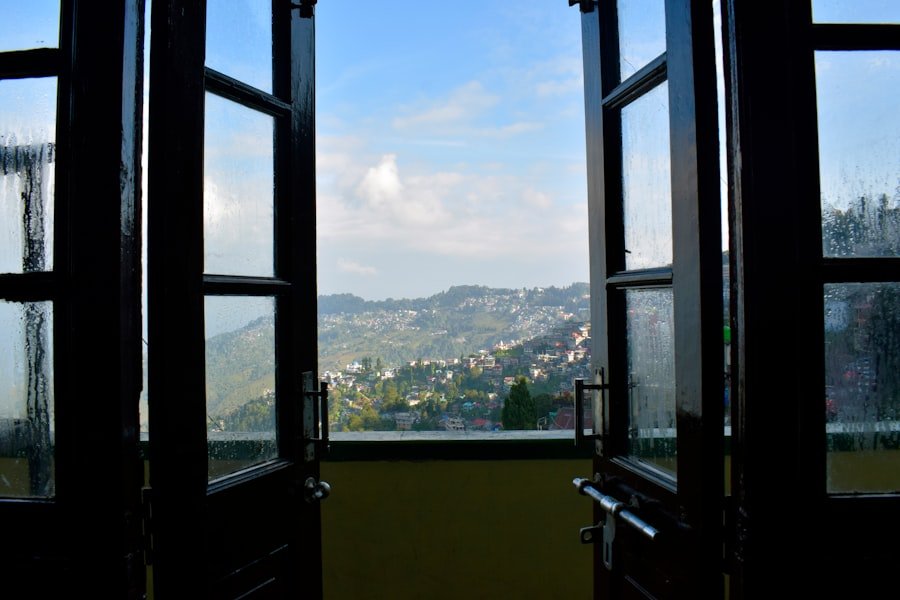
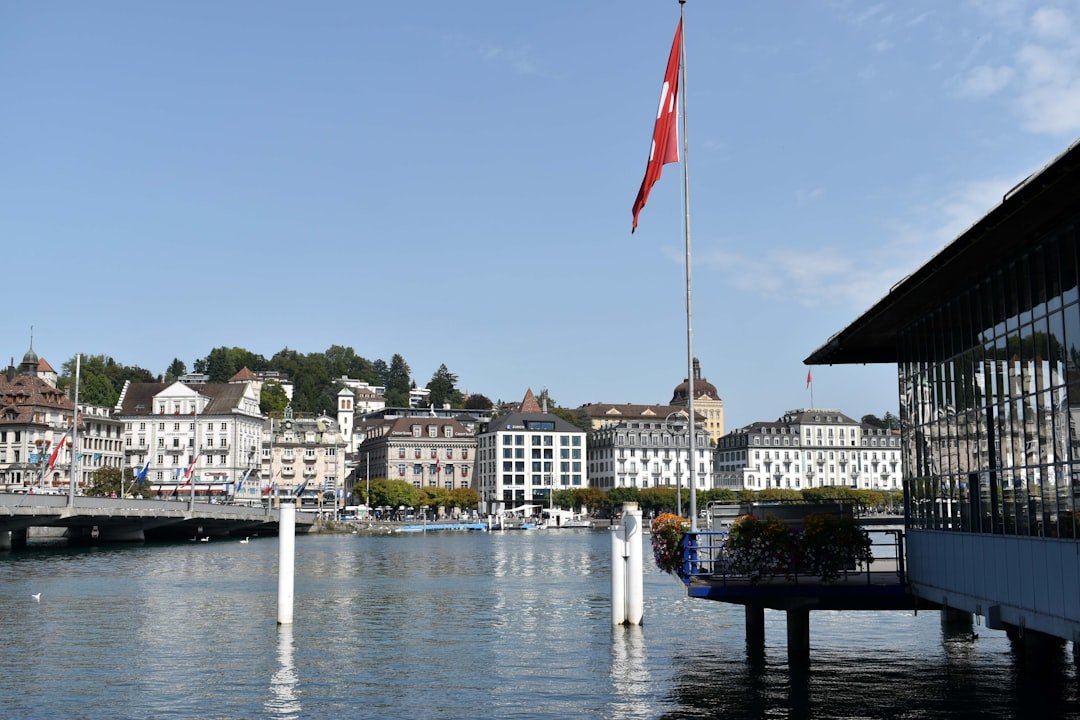
Switzerland contains many lakes shaped by glacial processes. Lake Geneva and Lake Lucerne are two famous examples, with mountain scenery, waterfront towns, promenades, cruises, and recreational activities. Their calm water and mountain surroundings make them major destinations in their own right.
They should not, however, be confused with the lakes seen on the Bernina Express. Lake Geneva and Lake Lucerne are not on the Bernina Express route.
For Bernina Express passengers, the more relevant high-alpine lake is Lago Bianco near the Bernina Pass. Its bright water and exposed mountain setting are part of the dramatic transition between the Engadin and Val Poschiavo.
This distinction matters because a traveler planning a Swiss rail itinerary may want to combine several regions. The Bernina Express can provide the high-alpine railway experience, while Lake Geneva or Lake Lucerne can be visited separately on a broader Switzerland trip.
The Rhine Gorge: The Grand Canyon of Switzerland, but Not a Bernina Express Highlight
The Rhine Gorge is another spectacular Swiss landscape, known for its steep pale rock walls, river scenery, forests, viewpoints, hiking paths, and unusual geology. It is sometimes called the “Grand Canyon of Switzerland.”
It is important to separate it from the Bernina Express route. RhB identifies the Rhine Gorge as a highlight of the Glacier Express, which follows a different scenic railway itinerary. Travelers who want both experiences can combine different Swiss panoramic trains, but they should not expect to see the Rhine Gorge while riding the Bernina Express.
For the Bernina Express, focus instead on the Albula Line, Landwasser Viaduct, Bernina Pass, Lago Bianco, glacier scenery, Alp Grüm, Val Poschiavo, and Brusio.
Bernina Express or Regional Train?
The term “Bernina Express” is sometimes used loosely for any red train traveling through the Bernina region, but there is an important difference between the dedicated panoramic Bernina Express and regular RhB regional services.
Panoramic Bernina Express
- Uses large panoramic windows.
- Runs on selected services.
- Requires a valid travel ticket plus a seat reservation.
- Provides additional onboard features and services.
- Is best for travelers who want a reserved panoramic-train experience.
RhB Regional Trains
- Travel on the same Bernina Line.
- Run more frequently through the regular timetable.
- Use regular railway coaches rather than Bernina Express panoramic coaches.
- Can offer more flexibility if you want to stop along the way.
- Have optional reservable seats on the St. Moritz-Tirano section, subject to RhB’s current conditions.
RhB explains the current differences in its Bernina Express versus regional train guide.
Pro Tip: Choose the panoramic Bernina Express when having a reserved sightseeing experience matters most. Choose regional trains when flexibility, extra departure choices, or getting off at intermediate places matters more.
Best Time of Year for Bernina Express Views
There is no single season that is objectively best because the landscape changes substantially through the year.
Spring
Spring can combine remaining snow at higher elevations with greener valleys lower down. Conditions can change quickly with elevation, which makes the contrast especially noticeable.
Summer
Summer provides green valleys, long daylight hours, accessible mountain areas, and strong contrast between alpine lakes, rocky peaks, forests, and the warmer landscape near Tirano. It is also a popular period, so advance planning is wise.
Autumn
Autumn can bring colorful vegetation and a quieter feel after peak summer travel. Higher elevations may begin looking wintry well before lower valleys.
Winter
Winter produces a very different journey, with snowy mountain scenery and strong contrast as the train descends toward Italy. Travelers who picture the Bernina Express surrounded by snow may actually prefer winter over summer.
Your best season therefore depends on whether you want green landscapes, long summer days, autumn color, or deep snow.
Which Side of the Bernina Express Has the Best Views?
There is no single side that wins for the entire journey. The railway curves repeatedly, changes direction relative to valleys and mountains, and circles through engineering features such as the Brusio viaduct. Important scenery therefore appears on both sides at different points.
The large windows in Bernina Express panoramic coaches help reduce the importance of choosing one supposedly perfect side. A window seat is useful, but it is better to pay attention throughout the journey than to assume every major sight will remain on the same side.
Can You Stop Along the Bernina Route?
Yes, trains serve multiple communities along the railway, but how you plan stops depends on the service you use. The dedicated Bernina Express is designed as a reserved panoramic journey. If you leave a specific reserved train, you should not assume that the same reservation automatically applies to a later Bernina Express.
Regular regional trains are usually the more practical choice for travelers who want to build a stopover itinerary around places such as Pontresina, the Bernina area, Alp Grüm, Poschiavo, or other intermediate stations. Always check the current timetable and ticket conditions before planning a break in the journey.
2026 Bernina Express Route Notice
Warning: RhB currently states that Bernina Express trains 951 and 952 will be diverted via the Vereina route from October 29 through November 13, 2026 because of engineering work. If you are traveling on those dates specifically to see the normal Albula and Landwasser section, check the current RhB timetable and service notice before booking.
Rail operations can change because of construction, weather, or timetable revisions. The official Bernina Express page should be your final check for the travel date you plan to use.
Tirano, Italy: A Taste of Mediterranean Charm
Tirano provides a striking finish to the southbound journey because the high-alpine environment has given way to the lower Valtellina valley in northern Italy. Historic streets, piazzas, cafes, churches, local food, and surrounding vineyards create a noticeably different atmosphere from the Swiss side of the Bernina Pass.
One of the town’s important religious and architectural sites is the Basilica della Madonna di Tirano. Official Valtellina tourism describes the sanctuary as an important Renaissance monument associated with the area’s religious history. You can read more on the official Valtellina tourism website.
Tirano is also a good place to try regional Valtellina food. Traditional specialties include pizzoccheri, a buckwheat-based pasta dish, and bresaola, the area’s well-known cured beef.
The contrast between the high Alps and Tirano is one of the Bernina journey’s defining qualities. Rather than showing one type of mountain scenery from beginning to end, the route moves through distinct elevations, landscapes, languages, and cultural regions.
Note: The journey crosses the Switzerland-Italy border. Carry the passport or other travel document required for your nationality and itinerary, and check current entry requirements before departure.
Swiss Alps Scenery Beyond the Bernina Route
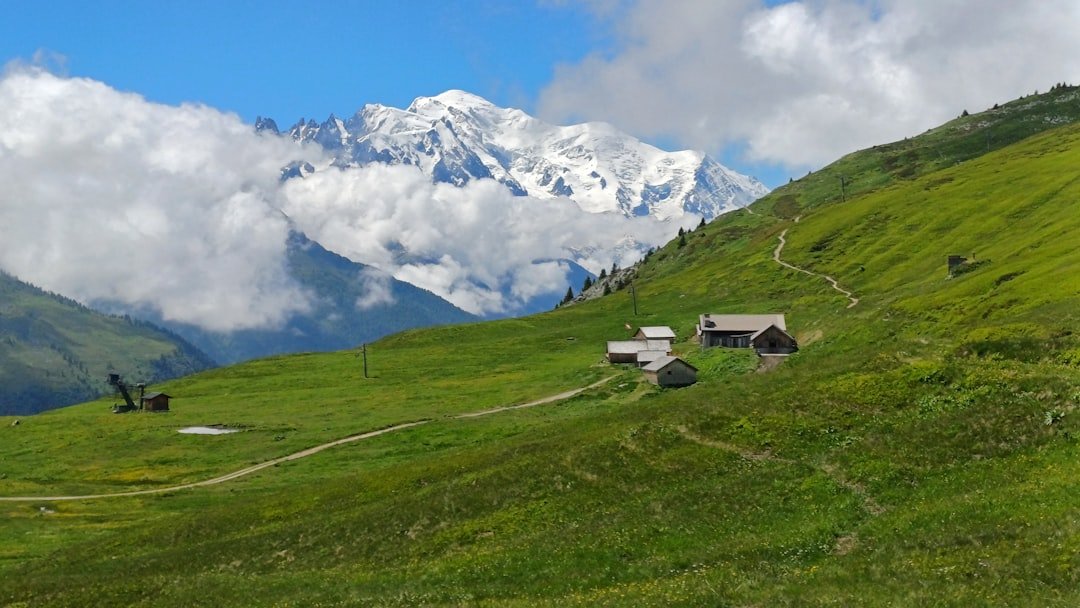
The wider Swiss Alps remain one of Europe’s major mountain regions. Peaks, alpine meadows, forests, waterfalls, hiking trails, ski areas, and traditional settlements create very different experiences from one part of Switzerland to another. In spring and summer, mountain vegetation and wildflowers can transform lower slopes, while winter emphasizes snow-covered peaks and ski landscapes.
The Matterhorn, for example, is one of Switzerland’s most recognizable mountains and is closely associated with Zermatt. Hiking, skiing, snowboarding, mountaineering, and other outdoor activities draw visitors throughout the Alps. The sound of streams, distant waterfalls, changing mountain light, wooden chalets, and high valleys all contribute to the atmosphere travelers associate with Switzerland.
These broader Swiss experiences are worth exploring, but they should be planned separately from the Bernina Express if they are not located along its railway corridor.
If you are planning a Bernina Express trip and want to bring your own snack, you may also be interested in this related homemade cottage cheese recipe.
Frequently Asked Questions
What is the Bernina Express?
The Bernina Express is a panoramic Rhaetian Railway service connecting Swiss Alpine destinations with Tirano in northern Italy. Depending on the service and starting point, the journey can include the Albula Line, Landwasser Viaduct, Bernina Pass, glacier scenery, Val Poschiavo, and Brusio Circular Viaduct.
What is the best section of the Bernina Express for views?
For the greatest concentration of changing scenery, St. Moritz to Tirano is the strongest choice. It includes the Bernina Pass area, Lago Bianco, glacier views, Alp Grüm, Val Poschiavo, and Brusio. Start from Chur or farther north if you also want the Albula Line and Landwasser Viaduct.
How long does the Bernina Express journey take?
Allow roughly four to four and a half hours for the core panoramic journey, depending on the specific service and timetable. Longer itineraries from farther north naturally take more time. Check RhB’s live timetable for the exact train and date you plan to use.
What is the best time of year to ride the Bernina Express?
Summer is excellent for green valleys and long daylight, while winter offers dramatic snowy scenery. Spring can combine snow at altitude with green lower valleys, and autumn can bring colorful landscapes. The best season depends on the type of scenery you most want to see.
Are there stops along the Bernina Express route?
Yes. The railway serves several towns and mountain stations. However, the dedicated panoramic Bernina Express is a reserved train, so passengers wanting to get off and continue later should check reservation conditions carefully. Regional trains are generally more flexible for a hop-on, hop-off style itinerary.
Do I need a seat reservation on the Bernina Express?
Yes for the dedicated Bernina Express panoramic train. You need a valid ticket plus the required seat reservation. Regular RhB regional trains operate on the same Bernina Line under different reservation rules.
Which side of the Bernina Express is best?
There is no consistently best side for the entire route. The railway curves through valleys, mountain slopes, loops, and viaducts, so major scenery appears on both sides. A window seat helps, but staying alert throughout the journey matters more than choosing one side.
Does the Bernina Express pass the Rhine Gorge or Matterhorn?
No. The Rhine Gorge is associated with the Glacier Express route, while the Matterhorn is near Zermatt. Neither is a Bernina Express sight. The Bernina journey is better known for the Albula and Bernina railway landscape, Landwasser Viaduct, Bernina Pass, glaciers, Lago Bianco, Val Poschiavo, and Brusio.
Sources
- Rhaetian Railway: Bernina Express – official route highlights, reservations, services, and current travel notices.
- UNESCO World Heritage Centre: Rhaetian Railway in the Albula / Bernina Landscapes – World Heritage status and railway engineering statistics.
- Rhaetian Railway Infrastructure Figures – Ospizio Bernina elevation and railway infrastructure data.
- Switzerland Tourism: Bernina Express – route planning, journey facts, and border-travel information.
- ETH Zürich: Across Rivers and Gorges – Landwasser Viaduct engineering history and Alexander Acatos.
- Official Valtellina Tourism: Basilica della Madonna di Tirano – Tirano cultural and architectural information.