Alabama gives travelers several very different trips in one state. You can spend a morning on the white-sand Gulf Coast, explore major Civil Rights landmarks in Birmingham, Montgomery, and Selma, learn about space exploration in Huntsville, follow music history through the Shoals, or hike through the mountains and forests of northern Alabama. The best places to visit depend on whether you want beaches, history, family attractions, food, music, or outdoor adventure.
Quick Answer
The best places to visit in Alabama include Gulf Shores and Orange Beach for beaches, Birmingham and Montgomery for Civil Rights history, Huntsville for space attractions, Mobile for Gulf Coast culture and Mardi Gras heritage, Tuscaloosa for college traditions, and northern Alabama for hiking, waterfalls, canyons, and mountain scenery.
Key Takeaways
- Choose Gulf Shores and Orange Beach when beaches, seafood, fishing, and family recreation are your priorities.
- Birmingham, Montgomery, and Selma provide some of Alabama’s most important Civil Rights history.
- Huntsville is the strongest choice for travelers interested in rockets, space exploration, and hands-on science.
- Mobile combines colonial history, Gulf seafood, museums, historic neighborhoods, and America’s oldest organized Mardi Gras tradition.
- Northern Alabama offers very different scenery, including forests, waterfalls, sandstone cliffs, mountain overlooks, and challenging outdoor recreation.
- Tuscaloosa, the Black Belt, Moundville, Dauphin Island, Cheaha, and the Shoals are worth adding when you have time for a broader Alabama road trip.
Best Alabama Destinations at a Glance
| Destination | Best For | Top Experiences |
| Gulf Shores & Orange Beach | Beaches and families | Beach time, Gulf State Park, fishing, paddling, wildlife |
| Birmingham | History and culture | Civil Rights District, museums, art, food |
| Huntsville | Science and families | Space exhibits, rockets, Monte Sano State Park |
| Montgomery | Civil Rights history | Legacy Sites, Rosa Parks history, State Capitol |
| Mobile | History, food and festivals | Historic districts, museums, Mardi Gras heritage, seafood |
| Northern Alabama | Outdoor adventure | Hiking, forests, waterfalls, canyons, overlooks |
Gulf Shores and Orange Beach: Alabama’s Gulf Coast
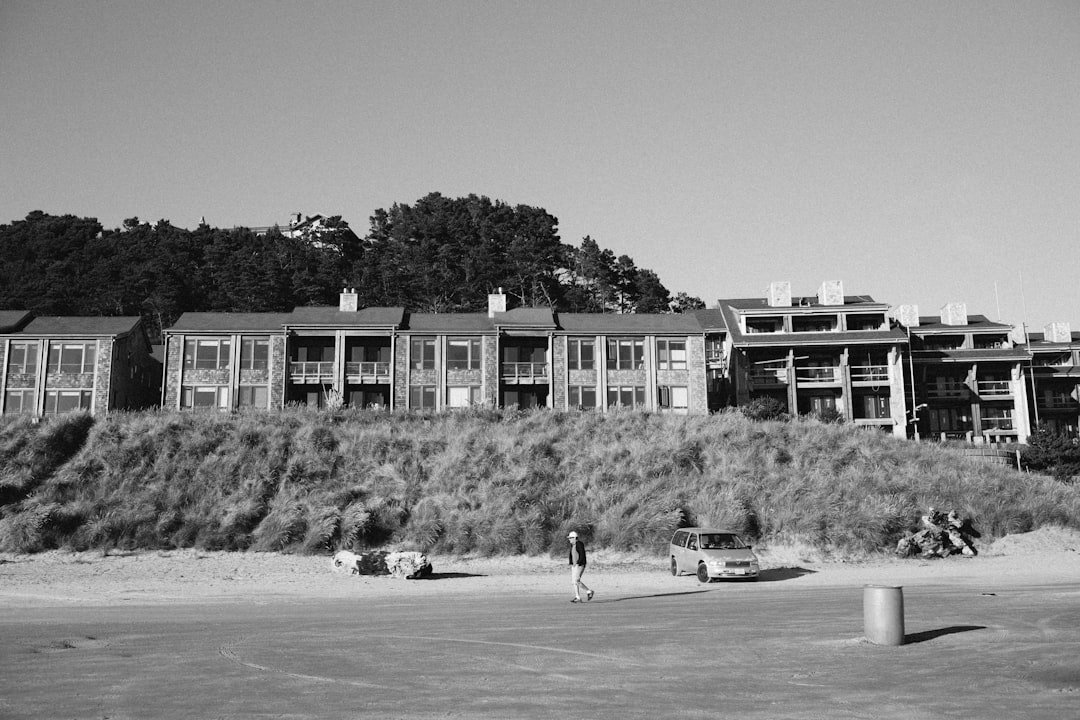
Alabama’s Gulf Coast is one of the easiest choices for travelers who want a classic beach vacation. Gulf Shores and Orange Beach are known for white-sand beaches along the Gulf of Mexico, while the surrounding area offers fishing, boating, paddling, family attractions, seafood restaurants, and nature experiences. Alabama Tourism’s official beach guide highlights Gulf Shores and Orange Beach among the state’s main coastal destinations.
Gulf State Park adds much more than beach time. Visitors can hike, bike, fish, paddle, explore different coastal habitats, and look for wildlife. Birdwatchers also benefit from the park’s mix of habitats used by resident and migrating species. The park’s official information is available through Alabama State Parks.
Families can also consider the Alabama Gulf Coast Zoo and Waterville USA, while anglers can choose between pier fishing, inshore trips, and offshore fishing charters. If you prefer a quieter coastal experience, nearby Dauphin Island offers beaches, fishing, birding, and the Alabama Aquarium at the Dauphin Island Sea Lab.
Pro Tip: Do not plan the Gulf Coast as only a beach stop. Leave time for Gulf State Park, especially if your group enjoys biking, wildlife, fishing, or nature walks.
Birmingham: A City of Culture and History
Birmingham combines one of Alabama’s strongest cultural scenes with nationally significant Civil Rights history. The city’s Civil Rights District is the essential starting point for visitors interested in the events of the 1950s and 1960s.
The Birmingham Civil Rights National Monument includes sites associated with the Birmingham Campaign and the struggle against segregation. Important stops include the Birmingham Civil Rights Institute, 16th Street Baptist Church, Kelly Ingram Park, the A.G. Gaston Motel area, and other nearby historic places.
The Birmingham Civil Rights Institute provides museum exhibits and historical context that help visitors understand the people, protests, violence, organizing, and legal changes connected with the movement. Across the street, 16th Street Baptist Church remains one of the most important landmarks associated with the 1963 bombing that killed four girls.
Birmingham also has a substantial arts and entertainment scene. The Birmingham Museum of Art, Alabama Symphony Orchestra, theaters, galleries, restaurants, and historic performance spaces give visitors plenty to do beyond the Civil Rights District. The Sidewalk Film Festival continues to bring independent film programming to downtown Birmingham each year.
Huntsville: Discover Space and Science in the Rocket City

Huntsville’s identity is closely connected with the U.S. space program and NASA’s Marshall Space Flight Center. For most first-time visitors, the main attraction is the U.S. Space & Rocket Center, which serves as the official visitor center for NASA’s Marshall Space Flight Center.
The museum displays rockets, spacecraft, artifacts, interactive exhibits, and material covering the past, present, and future of space exploration. Families interested in deeper hands-on experiences can also explore the center’s Space Camp programs.
Huntsville is not only about rockets. Monte Sano State Park provides hiking and biking trails on the mountain east of downtown, making it easy to combine science attractions with outdoor time. Its forested setting and overlooks are especially appealing when you want a break from museums and indoor activities.
Montgomery: Immerse Yourself in Civil Rights History
Montgomery is essential for travelers who want to understand the Civil Rights Movement and the longer history surrounding slavery, segregation, racial violence, and the struggle for equal rights. The Montgomery Bus Boycott began after Rosa Parks was arrested in 1955 for refusing to surrender her seat under the city’s segregated bus system, and the campaign helped launch a new phase of the modern Civil Rights Movement.
The city’s current Legacy Sites, operated by the Equal Justice Initiative, offer one of the most substantial historical experiences in Alabama.
| Montgomery Site | Why Visit |
| Legacy Museum | Examines slavery, racial terror, segregation, mass incarceration, and their continuing legacy through exhibits, historical accounts, art, and interactive material. |
| National Memorial for Peace and Justice | Memorializes victims of racial terror and provides a place for historical reflection. |
| Freedom Monument Sculpture Park | Uses art, historic structures, and interpretation to examine slavery and the journey toward freedom. |
| Montgomery Square | Expands the Legacy Sites experience with additional Civil Rights history and interpretation. |
Other important Montgomery stops include the Rosa Parks Museum, Dexter Avenue King Memorial Baptist Church, and the Alabama State Capitol. The Capitol also connects to an earlier and more troubling chapter of American history because Jefferson Davis was inaugurated there as president of the Confederacy in 1861.
Note: The Legacy Sites can take much longer than a quick museum stop. If these sites are one of the main reasons for your trip, give Montgomery a substantial part of the day rather than trying to rush through several locations.
Mobile: Experience Southern Charm and History
Mobile is one of Alabama’s oldest cities and reflects centuries of French, Spanish, British, American, African American, and Gulf Coast history. Historic neighborhoods, museums, churches, public squares, and preserved architecture give the city a character that feels different from Alabama’s inland destinations.
Good history-focused stops include Colonial Fort Condé, the History Museum of Mobile, the Mobile Carnival Museum, and USS Alabama Battleship Memorial Park. Mobile’s port and coastal location also make seafood an important part of the local dining scene, with Gulf shrimp, oysters, fish, gumbo, and other regional dishes appearing throughout the city.
Mobile is especially famous for Mardi Gras. The city’s organized Mardi Gras tradition dates to 1703, earlier than the better-known celebration in New Orleans. During Carnival season, parades, floats, masked societies, and community traditions take over parts of the city.
Alabama works best when you treat it as several different trips in one state: coast, cities, Civil Rights history, music country, and mountain landscapes.
The Appalachian Mountains and Northern Alabama: Outdoor Adventures

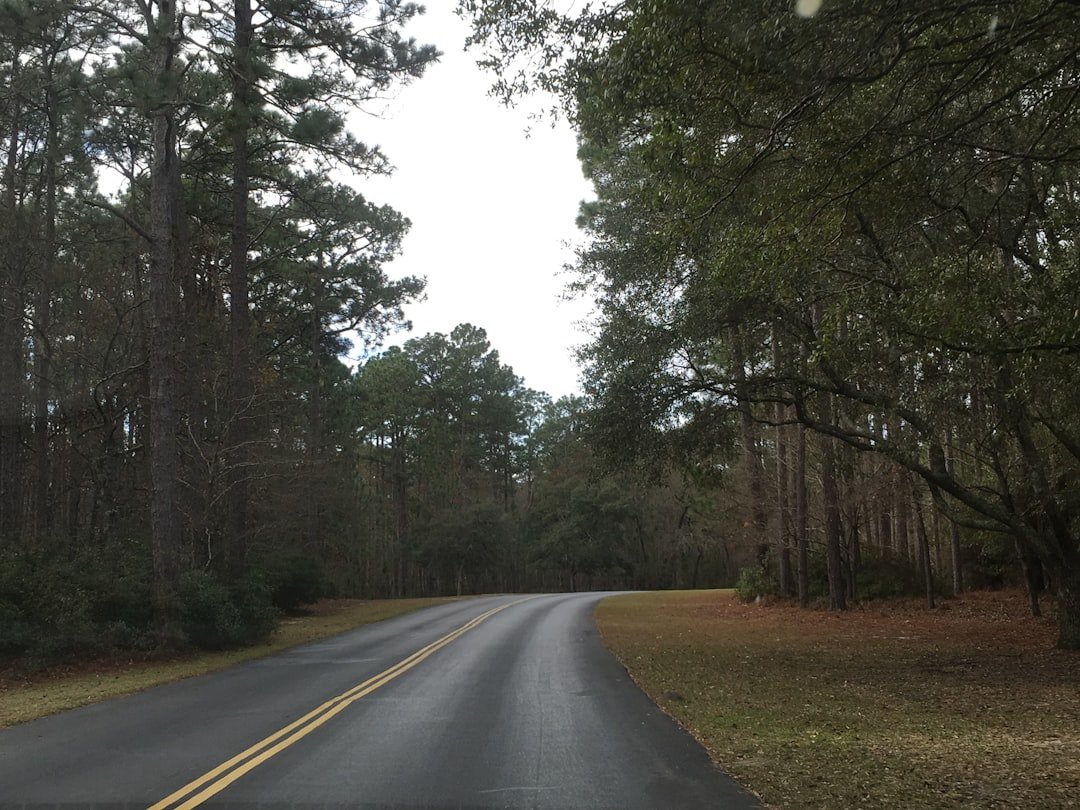
Northern and northeastern Alabama contain some of the state’s most dramatic outdoor landscapes, including forested mountains, waterfalls, sandstone cliffs, river canyons, and long hiking routes. Bankhead National Forest is a strong choice for travelers who want forest hiking, camping, streams, waterfalls, and a more remote outdoor experience.
Little River Canyon National Preserve is another standout. The National Park Service lists hiking, scenic overlooks, climbing, horseback riding, photography, and seasonal whitewater recreation among the area’s activities. The Rim Parkway is particularly useful for visitors who want dramatic views without committing to a difficult backcountry hike.
Rock climbing at Little River Canyon is serious recreation rather than an activity for every beginner. Its sandstone cliffs include difficult routes, and climbers need appropriate skills, equipment, and route knowledge.
Warning: Little River includes Class III through VI whitewater in some sections. The National Park Service warns that major canyon sections are appropriate only for advanced or expert paddlers. Do not treat Little River Canyon as casual beginner canoeing or kayaking.
For mountain scenery with easier sightseeing options, Cheaha State Park is another worthwhile stop. Cheaha Mountain reaches 2,407 feet, the highest point in Alabama, and the park combines overlooks, hiking, camping, picnic areas, and forest scenery.
Tuscaloosa: University Traditions and Southern Hospitality
Tuscaloosa is closely associated with the University of Alabama, and campus life is a major part of the city’s identity. Football fans can visit the Paul W. Bryant Museum and see landmarks around the university, while other visitors can explore the Alabama Museum of Natural History and Gorgas House Museum.
The university is only part of the experience. The Tuscaloosa Riverwalk gives visitors a more relaxed way to spend time along the Black Warrior River, and downtown provides restaurants, shops, entertainment, and seasonal events.
Tuscaloosa’s event calendar includes arts, music, sports, and food programming. The Druid City Arts Festival is one current example of the city’s arts scene, while Alabama football weekends create an entirely different atmosphere.
Southern food is another part of the visit. Barbecue restaurants, casual diners, and locally owned establishments provide plenty of opportunities to try regional favorites without making the university campus your only destination.
Selma: Follow the Story of Voting Rights
Selma deserves its own stop on a Civil Rights-focused Alabama trip. The Edmund Pettus Bridge became one of the most recognized landmarks of the voting-rights struggle after marchers were attacked by law enforcement on Bloody Sunday, March 7, 1965.
The Selma to Montgomery National Historic Trail follows the route associated with the 1965 voting-rights marches. Visitors can connect sites in Selma, Lowndes County, and Montgomery and learn how the marches contributed to national pressure for the Voting Rights Act of 1965.
For travelers focused on American history, combining Selma with Montgomery provides much more context than visiting either city alone.
The Black Belt: Explore Alabama’s Agricultural and Cultural Heritage
Alabama’s Black Belt takes its name from the region’s dark, fertile soil. Cotton agriculture shaped much of its economy and landscape, but understanding the region also requires confronting the history of slavery, Reconstruction, segregation, voting rights, and generations of African American cultural achievement.
The region includes places associated with major Civil Rights events as well as distinctive music, food, folk traditions, art, churches, historic communities, and agricultural landscapes. Gee’s Bend is internationally known for its quilting tradition, while communities across the Black Belt preserve local art and craft traditions.
The annual Selma Bridge Crossing Jubilee is one example of how historic remembrance and present-day community culture overlap in the region. Visitors who travel beyond Alabama’s largest cities can gain a broader understanding of the people and landscapes that shaped the state.
More Places Worth Adding to an Alabama Road Trip
Cheaha State Park
Choose Cheaha when you want mountain overlooks, forest scenery, hiking, camping, and access to Alabama’s highest point. It works well as an outdoor addition to a Birmingham or east Alabama trip.
Dauphin Island
Dauphin Island provides a quieter Gulf Coast alternative with beaches, fishing, birding, Fort Gaines, and the Alabama Aquarium at the Dauphin Island Sea Lab. It is a good choice for travelers who prefer nature and island scenery to a busier resort atmosphere.
Florence and Muscle Shoals
The Shoals area is one of Alabama’s strongest destinations for music history. Recording studios and landmarks associated with the Muscle Shoals Sound connect the region with decades of American soul, rock, R&B, and popular music.
Moundville Archaeological Park
South of Tuscaloosa, Moundville Archaeological Park preserves a major Mississippian cultural site along the Black Warrior River. It adds an important Native American chapter to an Alabama itinerary that might otherwise focus mostly on more recent history.
When Is the Best Time to Visit Alabama?
The best season depends on your destination. Spring and fall are generally comfortable choices for city sightseeing, hiking, and road trips because you avoid some of the most intense summer heat. Spring also brings flowers and green landscapes, while fall can provide changing foliage in northern Alabama.
Summer is the classic Gulf Coast season, but it is also hot and humid. Travelers planning outdoor sightseeing should schedule strenuous activities earlier in the day, carry water, and check local weather conditions.
Winter can work well for museums, historical sites, cities, and the southern part of the state. Northern mountain areas can be noticeably cooler, so check conditions before hiking or driving to higher elevations.
How to Plan an Alabama Road Trip
Alabama is easier to explore when you group destinations by region rather than trying to cross the state repeatedly. A Gulf Coast trip can combine Gulf Shores, Orange Beach, Mobile, and Dauphin Island. A Civil Rights itinerary can connect Birmingham, Selma, Montgomery, and Black Belt communities. A northern route can combine Huntsville, Muscle Shoals, Bankhead National Forest, and mountain attractions.
If you have only a weekend, choose one region. With a week or longer, you can combine two or three regions without turning most of the trip into driving.
Pro Tip: Build the trip around your strongest interest first. Beach travelers should start on the Gulf Coast, history travelers should build around Birmingham, Selma, and Montgomery, and outdoor travelers should devote more time to northern Alabama.
If you also enjoy browsing food-related features on this site, you can read Exploring the Delightful World of Asian Melon. It is separate from the Alabama destination guide but may interest readers exploring the site’s culinary content.
Frequently Asked Questions
What are the best places to visit in Alabama?
Top choices include Gulf Shores and Orange Beach, Birmingham, Huntsville, Montgomery, Mobile, Selma, Tuscaloosa, Cheaha State Park, Little River Canyon, the Black Belt, Dauphin Island, and the Florence-Muscle Shoals area. The best choice depends on whether you prefer beaches, history, science, music, or outdoor recreation.
What are the top attractions in Gulf Shores and Orange Beach?
Popular options include the beaches, Gulf State Park, the Alabama Gulf Coast Zoo, Waterville USA, fishing trips, paddling, and other coastal recreation. Gulf State Park is especially useful if you want hiking, biking, fishing, wildlife, and beach access in one area.
What are the must-see attractions in Birmingham?
Start with the Birmingham Civil Rights Institute, 16th Street Baptist Church, Kelly Ingram Park, and other sites within the Birmingham Civil Rights National Monument. The Birmingham Museum of Art and the city’s restaurants, theaters, and cultural venues are good additions.
What are the top attractions in Huntsville?
The U.S. Space & Rocket Center is Huntsville’s signature attraction. You can also visit the Huntsville Botanical Garden, explore Monte Sano State Park, and add other museums and historic sites around the city.
What are the must-see attractions in Montgomery?
The Legacy Museum, National Memorial for Peace and Justice, Freedom Monument Sculpture Park, Montgomery Square, Rosa Parks Museum, Dexter Avenue King Memorial Baptist Church, and Alabama State Capitol are among the city’s most important stops.
What are the top attractions in Mobile?
Consider USS Alabama Battleship Memorial Park, the Mobile Carnival Museum, History Museum of Mobile, Colonial Fort Condé, historic neighborhoods, and downtown. Mardi Gras season provides an additional reason to visit if you want to experience Mobile’s Carnival traditions.
What are the must-see attractions in Tuscaloosa?
University of Alabama landmarks, the Paul W. Bryant Museum, Alabama Museum of Natural History, Gorgas House Museum, the Tuscaloosa Riverwalk, downtown, and nearby Moundville Archaeological Park are strong options.
What outdoor activities can be enjoyed in Bankhead National Forest?
Visitors can hike, camp, fish, explore forest roads and recreation areas, and look for streams and waterfalls. Conditions can be remote, so carry navigation, water, and appropriate outdoor gear.
How many days do you need to visit Alabama?
A weekend is enough for one region, such as the Gulf Coast or Birmingham. Five to seven days gives you more flexibility to combine several cities or regions, while a longer trip is better if you want beaches, Civil Rights sites, mountains, and northern Alabama in the same itinerary.
Which Alabama destination is best for a first-time visitor?
For a beach vacation, start with Gulf Shores and Orange Beach. For history, Birmingham and Montgomery are stronger choices. Families interested in science should consider Huntsville, while travelers who want a mix of Gulf Coast history, seafood, and culture may prefer Mobile.
Sources
- Alabama Tourism Department: Beaches — Gulf Shores, Orange Beach, and Alabama Gulf Coast information.
- Alabama State Parks: Gulf State Park — park recreation, trails, fishing, paddling, and nature activities.
- National Park Service: Birmingham Civil Rights National Monument — Birmingham Civil Rights sites and historical context.
- U.S. Space & Rocket Center — Huntsville space museum and visitor information.
- Equal Justice Initiative: The Legacy Sites — current Montgomery Legacy Sites and visitor information.
- National Park Service: Little River Canyon National Preserve — hiking, climbing, paddling, scenic drives, and safety context.