Sleeping in a Swiss mountain hut can be one of the most memorable ways to experience the Alps, but it is very different from staying in a conventional hotel. The appeal comes from the setting, the shared atmosphere, and the feeling of reaching a place that is closely tied to the surrounding mountain landscape. Comfort levels vary widely, so the best experience starts with knowing what the hut actually offers before you hike to it.
Quick Answer
Sleeping in a Swiss mountain hut is usually a simple, communal overnight stay rather than a hotel experience. Expect dorm or multi-bed rooms, limited privacy, basic bathrooms, and possibly no shower, Wi-Fi, or charging. Reserve ahead, pack a hut sleeping bag and proper hiking gear, and check access, conditions, and weather before leaving.
Key Takeaways
- Swiss mountain huts range from simple self-catering shelters to staffed huts with half board, but most should not be treated like hotels.
- Dormitories and multi-bed rooms are common, while private or double rooms are limited.
- Showers, Wi-Fi, mobile reception, power outlets, and charging are not guaranteed.
- Book early for popular dates, and cancel promptly if your plans change.
- Bring weatherproof layers, sturdy footwear, a headlamp, basic first-aid supplies, a hut sleeping bag, and enough cash.
- The approach to the hut is part of the trip, so route difficulty, weather, fitness, and seasonal opening dates matter as much as the accommodation itself.
A Unique Experience in the Swiss Alps
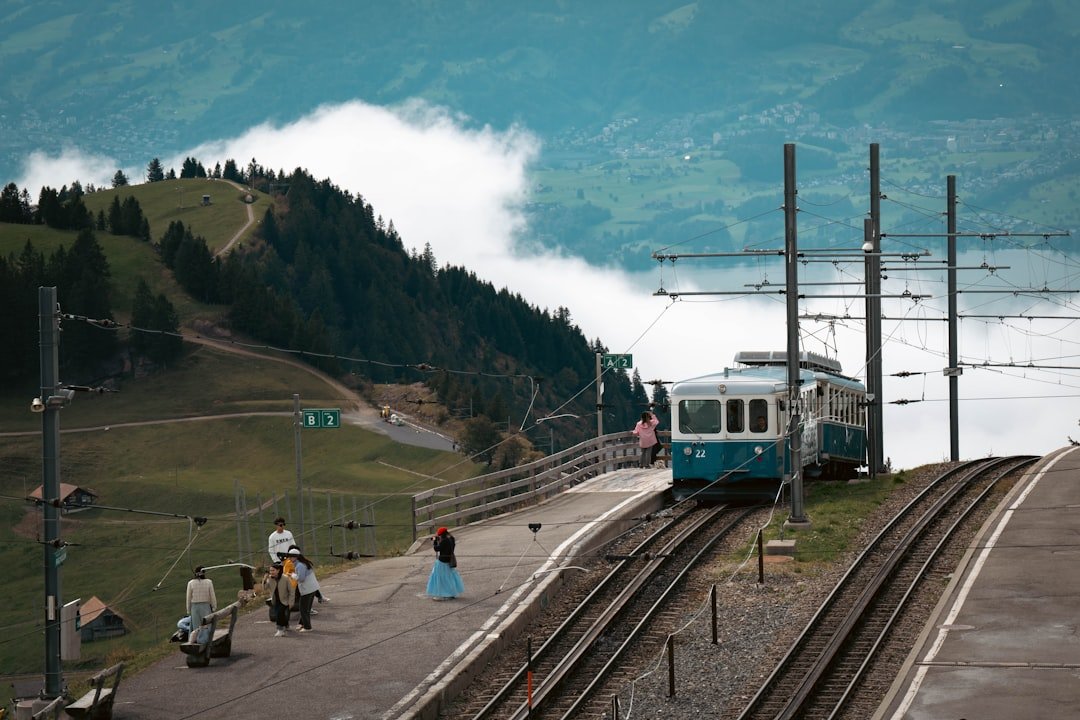
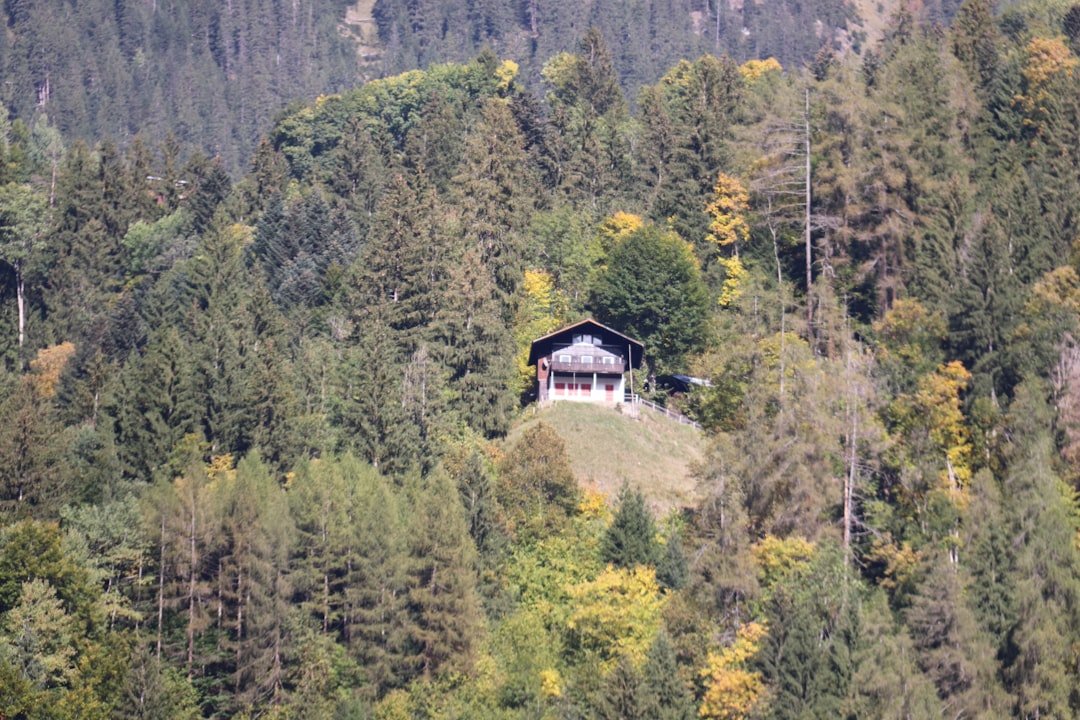
Staying in a mountain hut in the Swiss Alps combines accommodation with the journey required to reach it. Many huts are in remote mountain locations, and reaching them often involves a hike of several hours. Some approaches can be shortened by public transport or mountain railways, while others demand a longer or more difficult walk. That means the hut should be chosen partly for its access route, not only for its view or location.
Each hut has its own character. Some are simple and traditional, while others have been renovated with more modern facilities. What they share is a strong connection to the mountain environment and a communal style of living. Guests may eat together, sleep in shared rooms, and start their day early because many visitors are continuing on to another hike, climb, or ski tour.
Summer stays often revolve around hiking and mountaineering. Winter and spring stays may involve snowshoeing or ski touring where the route and hut are appropriate for those activities. Before planning any overnight stay, check the hut’s opening status, access route, current conditions, and required level of experience.
A mountain-hut stay is not just a room for the night. The approach, shared routines, limited services, and early-morning mountain atmosphere are all part of the experience.
The Comforts and Amenities of a Mountain Hut
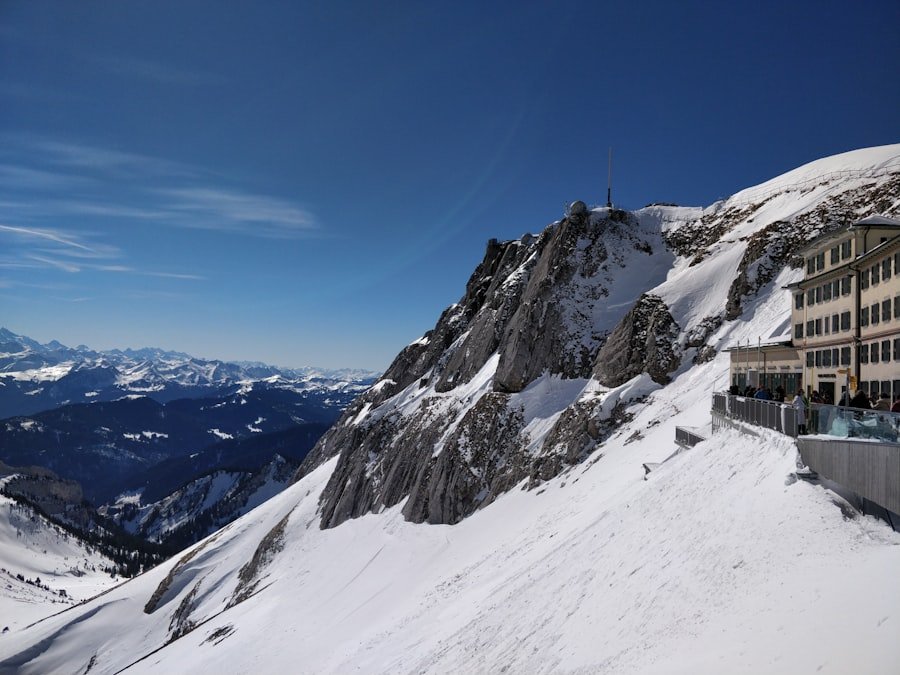
Mountain huts are often cozy, but their amenities are usually simpler than those of hotels in the valley. Switzerland Tourism notes that SAC huts range from basic self-catering accommodation to more comfortable staffed mountain huts, and that facilities vary from hut to hut. Before booking, read the hut description carefully rather than assuming that a shower, private bedroom, Wi-Fi, or charging point will be available.
Sleeping Arrangements and Privacy
Mattress dormitories and multi-bed rooms are common. Smaller rooms are increasingly available in some huts, but double rooms are scarce. When a hut is full, sleeping areas can feel crowded, and privacy is limited. Earplugs are useful for light sleepers, especially when guests are waking early for mountain routes.
A hut sleeping bag, often called a sleeping-bag liner, is standard equipment for an overnight hut stay. A full camping sleeping bag is not normally the default requirement in a staffed hut, although you should always check the specific hut’s instructions. Bedding arrangements differ, particularly in unattended shelters or winter rooms.
Showers, Toilets, Wi-Fi, and Charging
Showers are not something to count on. Switzerland Tourism states that showers in SAC huts are rare and, where available, may cost extra. Shared bathroom facilities are normal. Water and energy are limited resources in remote locations, so guests should expect simpler routines than they would at a hotel.
Connectivity can also be limited. Many huts do not provide guest Wi-Fi, mobile reception can be weak or absent, and charging a phone may not be possible. Carry a charged phone and, when appropriate for your route, a power bank. Download essential route information before leaving the valley.
Food and Communal Dining
Staffed SAC huts generally offer half board. Dinner is usually simple and filling, and meals are often served at shared tables. If you are vegetarian, vegan, have a food intolerance, or need another special meal, tell the hut when you book so the staff can explain what is possible. Remote kitchens have limited storage and supplies, so last-minute requests may be difficult to accommodate.
Many visitors enjoy the social side of communal meals. Conversation with other hikers is part of the hut atmosphere, but the menu should not be assumed to include specific dishes such as fondue or raclette. Food varies by hut, season, supply route, and what the staff can reasonably prepare.
If you enjoy preparing homemade food before or after a trip, you can also see this Delicious Homemade Cottage Cheese: A Simple and Healthy Recipe. Fresh cottage cheese is perishable, so it is better treated as a pre-trip or post-trip food unless you have reliable cold storage. Do not assume a remote mountain hut can refrigerate personal food.
Pro Tip: Tell the hut about dietary needs when you reserve, and carry enough cash even if you expect card or mobile payment. Payment options can be limited in remote locations.
Embracing Nature and Serenity in the Swiss Mountains
| What to Check | Typical Situation | Best Practice |
|---|---|---|
| Hut approach | May require several hours of hiking | Check distance, ascent, difficulty, and weather before departure |
| Sleeping setup | Dormitory or multi-bed room is common | Bring a hut sleeping bag and earplugs |
| Connectivity | Wi-Fi, reception, and charging may be unavailable | Download maps and essential information in advance |
| Wildlife | Sightings depend on region, season, time, and luck | Observe quietly from a distance and never disturb animals |
One of the strongest reasons to stay in a Swiss mountain hut is the chance to spend more time in the alpine landscape. Instead of returning to the valley at the end of the day, you remain close to the trails, high pastures, rock faces, and changing mountain light.
The quiet can be restorative, but it should not be romanticized as complete isolation or guaranteed silence. Huts are communal places, and a busy hut can be lively during dinner and breakfast. The calmer moments often come outside the busiest periods, when you can sit near the hut, watch the weather move across the mountains, or start a walk early in the morning.
Respect for the landscape is part of the experience. Stay on marked paths where required, follow local protection rules, keep noise down around wildlife, and carry your rubbish back to the valley unless the hut specifically provides another system.
Exploring the Surrounding Wilderness and Wildlife
The Swiss Alps support varied wildlife, and depending on the region you may encounter species such as chamois, ibex, marmots, or golden eagles. A sighting is never guaranteed. The Swiss National Park advises that wildlife observation takes patience, knowledge of animal behavior, and often binoculars or a telescope.
Wildlife should be observed without approaching, feeding, or disturbing animals. The Swiss Alpine Club also recommends staying on paths, avoiding unnecessary noise, respecting protected zones, and leaving plants and animals undisturbed.
Outdoor activities around a hut depend entirely on its location. Some huts are reached by relatively straightforward mountain-hiking trails, while others sit beside routes involving exposed terrain, snow, glaciers, climbing, or technical alpine skills. Do not assume that a hut is family-friendly or beginner-friendly just because it provides beds and meals.
Guided excursions are available in some alpine regions, but they are not a standard service at every hut. If you want a guide for wildlife watching, mountaineering, climbing, or another activity, verify the provider and route separately rather than assuming the hut organizes it.
The History and Tradition of Swiss Mountain Huts
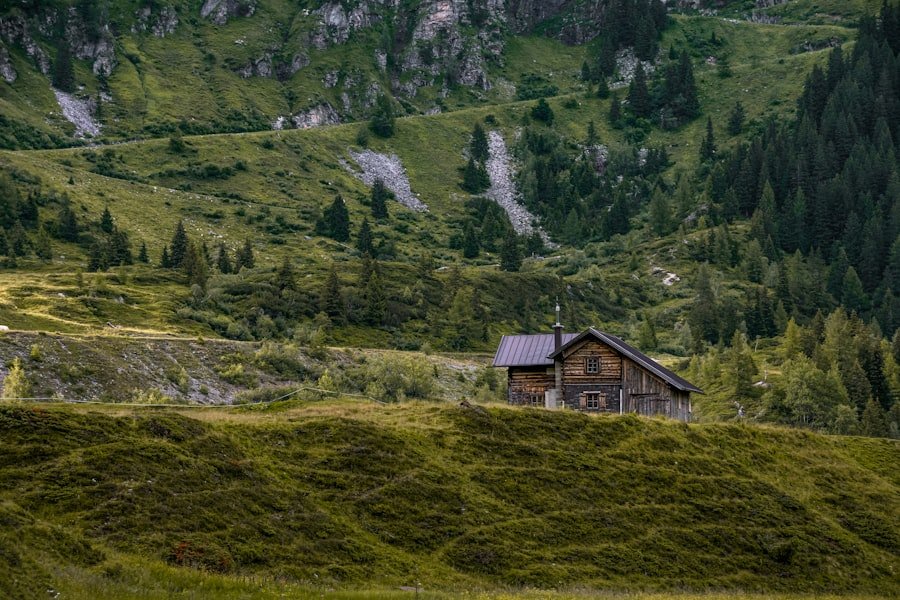
Swiss mountain huts have a long connection with the development of alpinism and mountain travel. The Swiss Alpine Club was founded in 1863, and the club’s first mountain hut, the Grünhornhütte, was built that same year. Over time, the SAC and its sections developed a network of huts and mountain routes that became important to both mountaineers and alpine tourism.
The history of individual huts is not identical. Some were built specifically for climbers and hikers, some replaced earlier shelters, and some have been rebuilt or modernized as routes, glaciers, weather exposure, and visitor needs changed. For that reason, broad claims that Swiss huts were all former shepherd shelters or family-owned lodges are not reliable.
What continues today is the practical role of the hut as a mountain base and shared shelter. Modern improvements may include better kitchens, energy systems, water management, or renovated sleeping rooms, but remoteness still limits what a hut can provide. The most authentic expectation is not luxury. It is simple accommodation that supports safe, responsible travel in the mountains.
Tips for a Memorable Stay in a Mountain Hut
Pack for the Approach, Not Just the Bed
The Swiss Alpine Club recommends sturdy footwear, weatherproof clothing, a headlamp, first-aid supplies, food and drink, and a hut sleeping bag for an overnight stay. Add sun protection and warm layers appropriate to the season and altitude.
- Hut sleeping bag or liner
- Weatherproof shell and warm layer
- Sturdy hiking footwear with good grip
- Headlamp
- First-aid kit and emergency blanket
- Water and trail food appropriate to the route
- Phone with essential route information downloaded
- Power bank if your route depends on electronic navigation
- Earplugs for shared sleeping rooms
- Cash and your SAC membership card if applicable
- Personal hygiene items in a small, lightweight kit
Respect Hut Etiquette
Mountain-hut life works because guests share limited space. Check in with the hut team when you arrive, use the sleeping place assigned to you, keep your belongings tidy, and respect quiet hours. Switzerland Tourism says quiet hours at SAC huts generally begin at 10 p.m., which reflects the early starts common in the mountains.
Carry your rubbish back down when required. If your route is taking longer than expected, contact the hut when you can. If you cannot use your reservation, cancel as early as possible instead of simply not showing up.
The SAC’s 2026 Hut Reality Check says around 40% of hut reservations are cancelled. Timely cancellation helps huts manage limited beds, food, and staffing.
Keep Expectations Realistic
A comfortable stay does not require hotel-level amenities. Many guests value the simplicity, shared meals, and early mountain routine. If privacy, a private bathroom, dependable Wi-Fi, guaranteed charging, or a hot shower is essential to you, confirm those details before booking.
Planning Your Swiss Mountain Hut Adventure
Choose the Hut by Route Difficulty
Start with the approach route. Check the hiking grade, distance, ascent, expected time, terrain, and current conditions. The Swiss Alpine Club stresses that mountain weather can change quickly and recommends planning an alternative route when possible. Your itinerary should match the fitness and experience of the least-experienced person in your group.
Warning: A bed reservation does not make the approach safe. Check the route, weather, snow, trail closures, and your group’s ability before departure. In a mountain emergency in Switzerland, Rega can be reached at 1414 and the European emergency number is 112.
Check Opening Dates and Services
Many staffed huts operate mainly during the warmer hiking season, while some also open for part of the winter or spring touring season. Dates vary and can change with weather and conditions. Check the hut’s current page before departure, especially near the beginning or end of a season.
Also confirm whether the hut is staffed, whether half board is available, whether drinking water is available and at what cost, what bedding is provided, whether dogs are allowed, and whether special arrangements apply to children. Unattended winter rooms or shelters may operate very differently from a fully staffed hut.
Reserve Early and Understand Cancellation Rules
Popular huts can fill quickly on weekends and in high season. The SAC recommends booking early and providing an accurate group size. The majority of SAC huts can be reserved through the hut reservation system, although booking methods vary.
Under the SAC’s general terms for SAC huts, cancellations, amendments, and rescheduling are accepted without charge until 6:00 p.m. two days before the booked overnight stay. Late cancellation or a no-show can lead to a charge of up to the value of the unused accommodation and half board. Always read the terms that apply to your specific booking.
Budget for the Stay and Carry a Backup Payment Method
Switzerland Tourism currently gives a general guide of CHF 25 to CHF 45 for an adult overnight stay in an SAC hut and CHF 60 to CHF 90 for half board, depending on the hut, room, facilities, and season. Actual prices can differ, so use the individual hut’s current booking page as the final price.
SAC members can receive reduced overnight rates where the membership benefit applies, but they must present a valid membership card. Card or electronic payment is not guaranteed at every hut, so carry enough cash as a backup.
Plan Transportation and Leave Time in Reserve
Some mountain-hut approaches begin at a railway station, bus stop, cable-car station, or valley trailhead. Check the last return service if you are not staying overnight, and allow extra time for luggage, heat, slower group members, route finding, and changing weather. A schedule that has no margin for delay is a poor fit for mountain travel.
Research trails or guided tours that match your fitness and experience while leaving room for changing conditions. A thoughtful plan should balance the appeal of spontaneous mountain moments with realistic safety decisions.
Frequently Asked Questions
What is a Swiss mountain hut?
A Swiss mountain hut is mountain accommodation designed primarily for hikers, climbers, ski tourers, and other mountain visitors. Facilities range from simple shelters to staffed huts with meals, but most are more communal and basic than conventional hotels.
What are the sleeping arrangements in a Swiss mountain hut?
Dormitories and multi-bed rooms are common. Smaller rooms are available in some huts, while double rooms are limited. Expect shared space and less privacy than in a hotel.
What should I bring for sleeping in a Swiss mountain hut?
Bring a hut sleeping bag or liner, weatherproof clothing, sturdy footwear, a headlamp, first-aid supplies, water and food for the approach, and enough cash. Earplugs are also useful in shared rooms. Check the specific hut before packing a full sleeping bag because requirements differ.
Are reservations required for sleeping in a Swiss mountain hut?
Advance reservations are strongly recommended for staffed huts, especially on weekends and during busy seasons. Some huts have limited capacity, and booking helps the hut team plan beds and meals. Check the individual hut’s current booking method and cancellation terms.
What are the facilities like in a Swiss mountain hut?
Facilities vary. Staffed huts commonly have shared sleeping areas, toilets, a dining space, and meals. Showers are uncommon, and Wi-Fi, mobile reception, electricity, and charging should never be assumed. Unattended huts and winter rooms can be more basic.
What are the rules and etiquette for sleeping in a Swiss mountain hut?
Check in on arrival, use your assigned sleeping place, keep shared areas tidy, respect quiet hours, follow staff instructions, and cancel reservations promptly if your plans change. Carry rubbish back down when the hut requires it and avoid disturbing wildlife around the hut.
Can I shower, use Wi-Fi, and charge my phone at a mountain hut?
Sometimes, but do not rely on any of them. Showers are rare and may cost extra. Many huts have weak or no mobile reception or guest Wi-Fi, and charging may be unavailable. Confirm the hut’s facilities before your trip.
How much does a Swiss mountain hut cost?
Prices depend on the hut, room, season, meals, and membership status. Switzerland Tourism currently gives a general guide of CHF 25 to CHF 45 for an adult overnight stay and CHF 60 to CHF 90 for half board. Check the individual hut for the current price before booking.
Do I need to be a Swiss Alpine Club member to stay in an SAC hut?
No. Non-members can stay in SAC huts, but eligible SAC members receive reduced overnight rates when they present a valid membership card.
Can children or dogs stay in Swiss mountain huts?
Many huts welcome families, and some huts allow dogs, but policies and sleeping arrangements vary. Check the route difficulty for children and ask the hut in advance about dogs, family rooms, and any special restrictions.
Sources
- Swiss Alpine Club SAC: Hut Reality Check: booking, hut etiquette, packing, cancellations, cash, and special meal requests.
- Swiss Alpine Club SAC: Safety When Hiking: route planning, weather, equipment, group safety, emergency numbers, and respect for nature.
- Swiss Alpine Club SAC: General Terms and Conditions for SAC Huts: cancellation, no-show, payment, and member identification rules.
- Swiss Alpine Club SAC: About Us: history of the SAC and the first SAC mountain hut.
- Switzerland Tourism: SAC Huts: sleeping arrangements, showers, connectivity, seasons, reservations, prices, meals, families, and dogs.
- Swiss National Park: Animals: alpine wildlife and responsible wildlife observation.