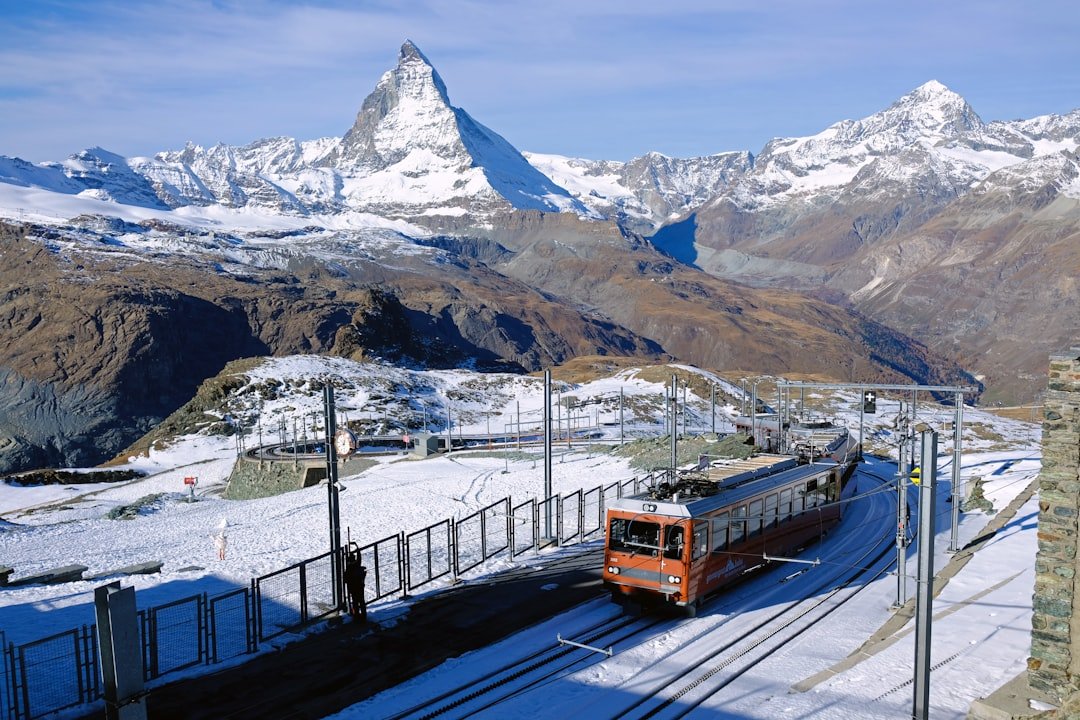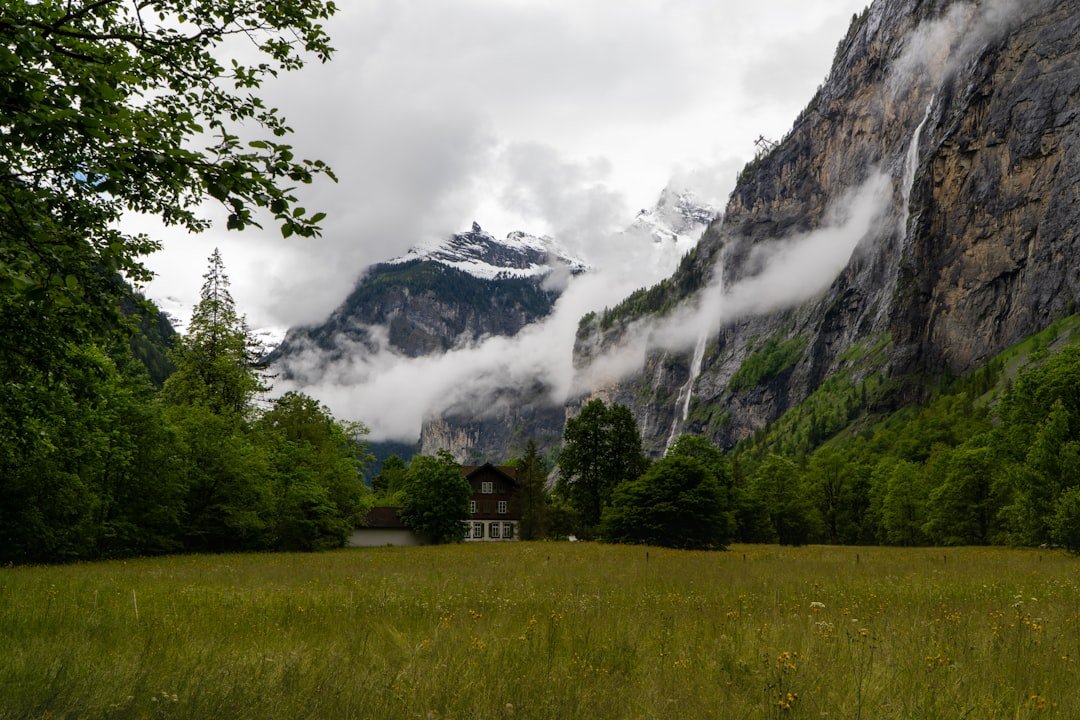
Established on August 1, 1914, the Swiss National Park protects 170.3 square kilometers of alpine wilderness in Graubünden in southeastern Switzerland. It is the oldest national park in the Alps and is managed under unusually strict conservation rules. For visitors, that means hiking, wildlife watching, photography, and nature education take priority over recreational activities that could disturb the landscape.
Quick Answer
The Swiss National Park is a strictly protected 170.3-square-kilometer wilderness in Graubünden, founded in 1914. Most visitors use Zernez as their base and explore on foot during the hiking season. Stay on marked paths: cycling, dogs, camping, fires, swimming, drones, and winter entry are prohibited.
Key Takeaways
- The Swiss National Park covers 170.3 km² and has 21 marked hiking routes totaling about 100 km.
- Zernez is the main gateway and home of the National Park Centre.
- Hiking, wildlife watching, nature photography, guided excursions, and educational trails are the main visitor activities.
- Visitors must stay on marked paths and may not cycle, camp, bring dogs, light fires, swim, fly drones, or remove natural objects.
- The hiking season is generally from mid-May to mid-November, depending on snow, weather, altitude, and individual trail conditions.
- The park is closed in winter, when entry is forbidden to protect wildlife.
At a Glance
| Location | Graubünden, southeastern Switzerland |
| Main Gateway | Zernez |
| Park Area | 170.3 km² |
| Trail Network | 21 marked routes totaling about 100 km |
| Typical Hiking Season | Usually mid-May to mid-November, depending on conditions |
| Winter Access | Park closed; entry forbidden |
Getting to the Swiss National Park
Zernez is the most useful gateway for a first visit to the Swiss National Park. The village lies between the Upper and Lower Engadine and provides rail, road, and bus connections toward several park trailheads. The National Park Centre in Zernez is about a 10-minute walk from Zernez railway station.
Travelers arriving from northern Switzerland can reach the Engadine using the Rhaetian Railway network, including connections through Landquart and the Vereina route. Other rail and bus connections serve the Upper Engadine, Val Müstair, S-charl, S-chanf, and trailheads along the Pass dal Fuorn, also called the Ofenpass.
Driving is possible, and several limited-capacity parking areas are located along the Pass dal Fuorn road. However, the park recommends arriving by train and bus when practical. Public transportation is especially useful for hikes that start and finish at different locations.
Pro Tip: Stop at the National Park Centre before a hike. Staff can provide current trail information, maps, excursion advice, and binocular rentals, which is valuable because mountain conditions can change quickly.
Activities and Attractions in the Swiss National Park
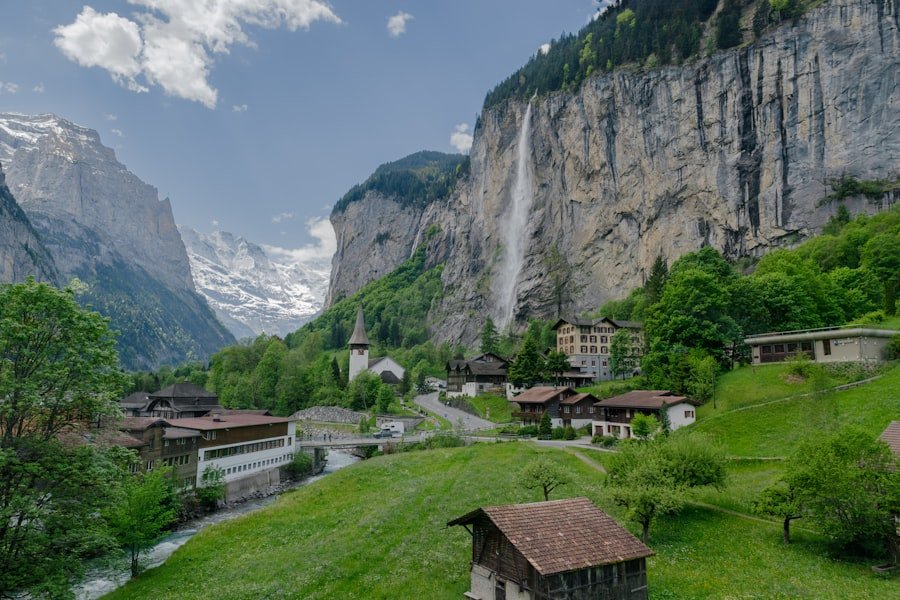
The Swiss National Park is designed for quiet observation rather than unrestricted outdoor recreation. Hiking is the main way to explore the protected landscape, with routes passing mountain-pine forests, alpine meadows, rocky valleys, high passes, and wildlife-viewing areas.
Wildlife watching is another major attraction. Val Trupchun is particularly well known for observing red deer and other ungulates, while other established hiking areas include Margunet, Val Mingèr, Champlönch, Il Fuorn, Val Cluozza, and the Macun plateau.
Nature photography is permitted from marked trails and designated resting areas. Visitors should use a telephoto lens or binoculars rather than approaching animals. Flying drones or other aircraft in the park is prohibited.
Educational activities include guided excursions, family programs, nature trails, the Swiss National Park app, and exhibitions at the National Park Centre. The centre’s interactive displays explain wilderness, natural processes, research, wildlife, and the history of the protected area.
Note: Lai da Palpuogna, sometimes included in broader Graubünden travel guides, is near the Albula Pass at Bergün and is not an attraction inside the Swiss National Park.
Wildlife and Nature in the Swiss National Park
| Category | Official Park Figure |
|---|---|
| Mammals | 36 species |
| Birds | About 100 species, with about 60 nesting in the park |
| Invertebrates | About 5,000 species |
| Higher Plants | About 650 species |
| Protected Area | 170.3 square kilometers |
| Annual Visitors | Approximately 120,000 |
Among the most recognizable mammals are ibex, chamois, red deer, and marmots. Golden eagles and many other bird species can also be observed. The park’s habitats include forests, alpine meadows, rocky slopes, scree, rivers, and high-elevation landscapes.
Wildlife observation works best when visitors remain quiet, move slowly, and scan open slopes from a distance. Chamois may be seen in several parts of the park, while Val Trupchun is especially associated with red deer. Marmots are commonly linked with alpine meadows and open grassland.
The park’s official figures list about 5,000 invertebrate species, 36 mammal species, 100 bird species, and approximately 650 species of higher plants.
Plants, stones, sticks, antlers, flowers, and other natural objects must remain where they are found. This strict approach is central to the park’s conservation model, which allows natural processes to continue with as little human interference as possible.
Hiking and Trekking in the Swiss National Park
The Swiss National Park has 21 marked routes totaling about 100 km. Routes range from relatively approachable mountain walks to long, demanding alpine outings with substantial elevation gain.
Popular areas include Alp Trupchun, Margunet, Val Mingèr, Champlönch, Val Cluozza, and Macun. Alp Trupchun is one of the better-known wildlife-viewing excursions, while Champlönch offers options suited to families. Higher routes require more mountain experience and are strongly affected by snow and weather.
There is no need to rely on an unofficial route called the “Park Trail.” Instead, choose one of the park’s numbered routes and check its current condition before departure. As a rule, trails operate from around mid-May to mid-November, but exact opening and closing dates vary by altitude and weather.
Warning: Do not leave the marked paths or designated resting areas. Mobile coverage does not extend throughout the park, and sudden weather or temperature changes are possible. Carry appropriate mountain footwear, weather protection, food, water, and a reliable route map.
Camping along a hiking route is not permitted. Visitors looking for a genuine multi-day hiking experience can consider the Three Parks Trail, introduced in 2026. The four-stage route crosses the Swiss National Park, the Nature Park Biosfera Val Müstair, and Stelvio National Park in Italy and is intended for experienced hikers. Overnight arrangements must still comply with the rules of each protected area.
Accommodation and Facilities in the Swiss National Park
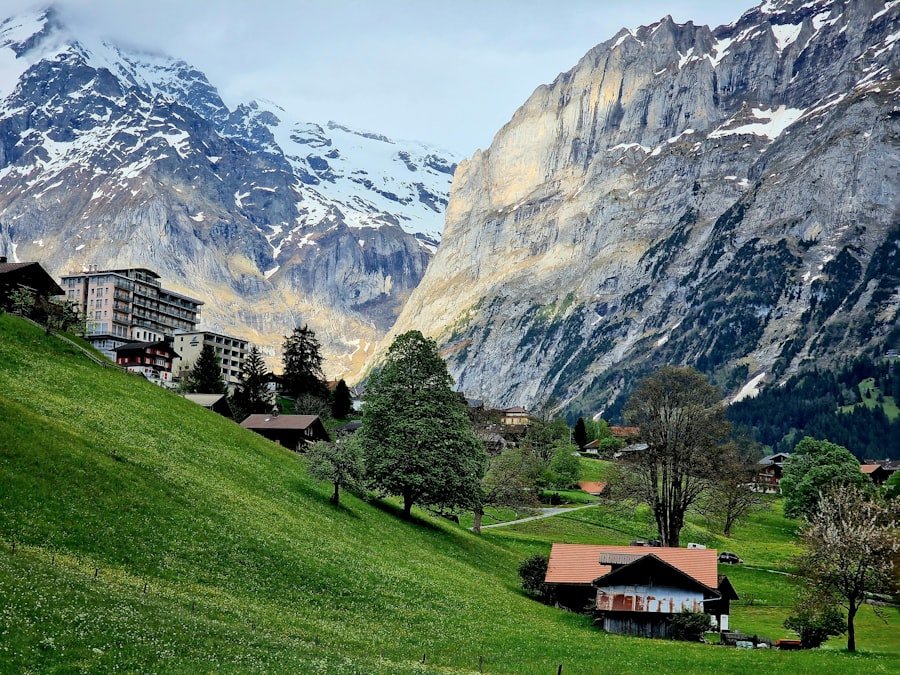
Zernez has hotels, guesthouses, restaurants, and other visitor services, making it a practical base for exploring different parts of the park. Additional accommodation is available throughout the Engadine and Val Müstair.
Inside the park itself, overnight accommodation is much more limited. The official park information identifies two possibilities: Chamanna Cluozza and Hotel Parc Naziunal Il Fuorn. Reservations are sensible, particularly during busy hiking periods.
Camping is prohibited everywhere inside the National Park. This restriction also applies to car parks along the Pass dal Fuorn road. Travelers who want to camp should use official campsites in communities outside the protected park boundary.
The National Park Centre in Zernez provides visitor information, maps, a shop, exhibitions, binocular rentals, and assistance with guided excursions. The information area is free to enter. The exhibition rooms charge admission; as of August 2026, the published prices are CHF 9 for adults, CHF 5 for children aged 6 to 16, and CHF 20 for a family ticket. Check the National Park Centre page before visiting for current opening hours and prices.
Conservation and Sustainability in the Swiss National Park
Protection, research, and public education have been core purposes of the Swiss National Park since its establishment. The idea is not simply to preserve selected species but to allow natural processes to unfold with minimal human intervention.
That philosophy explains why visitor rules are stricter than at many recreational parks. Fallen trees, erosion, avalanches, animal movements, vegetation changes, and other natural processes form part of the protected ecosystem rather than being routinely controlled for visitor convenience.
Scientific research has taken place in the park since its foundation. According to the park’s research program, long-term monitoring helps scientists understand changes in alpine species, habitats, landscapes, visitor patterns, and climate-related processes.
Visitors contribute to conservation simply by following the protection rules: stay on trails, leave plants and objects untouched, take all litter away, keep a respectful distance from animals, and avoid activities that create unnecessary disturbance.
Best Time to Visit the Swiss National Park
The best time depends on what you want to see. The normal hiking season is roughly mid-May to mid-November, although snow and weather can open or close individual routes earlier or later.
- June and July: Good for alpine flowers and observing the park during early summer.
- July and August: Generally better for higher-altitude routes after more seasonal snow has disappeared.
- September: A particularly interesting period for wildlife, including the red deer rut.
- October: Larch forests can turn vivid gold, although frost, early snow, and shorter days become increasingly important.
- Winter: The National Park is closed and entry is forbidden.
Conditions in the Alps can change quickly even during summer. Always check the official trail-status page on the day of your excursion rather than relying only on seasonal averages.
Park Rules You Must Know
The Swiss National Park’s strict rules are a central part of the visitor experience. They protect wildlife and allow ecological processes to continue with minimal disturbance.
- Stay on marked paths and within designated resting areas.
- Visit only during permitted daytime hours.
- Do not bring dogs, even on a lead.
- Do not cycle in the park.
- Do not fly drones or other aircraft.
- Do not camp or sleep in vehicles beside the Pass dal Fuorn road.
- Do not light fires.
- Do not swim or bathe in lakes, rivers, streams, or pools.
- Do not pick plants or remove animals, stones, sticks, antlers, or other natural objects.
- Take all litter with you.
- Do not enter the park during its winter closure.
Read the complete official Swiss National Park protection regulations before your visit.
Tips for Visiting the Swiss National Park
Check both the weather forecast and the park’s current trail conditions before leaving. Mountain weather can change rapidly, and some hikes involve significant elevation gain or exposed terrain. Wear sturdy hiking shoes with good grip and carry protection from sun, wind, rain, and falling temperatures.
Bring enough food and water for your route. Refreshment options within the protected area are very limited, so hikers should not assume they will find restaurants, shops, or drinking-water facilities along every route.
Download useful route information before entering the park because mobile-phone reception does not cover the entire area. The official Swiss National Park app can provide maps and information offline.
Families should choose routes carefully. Although some trails are suitable for children, the park states that its hiking trails are not suitable for wheelchairs or pushchairs. The National Park Centre itself offers much better accessibility and can be a useful alternative for visitors who cannot use mountain paths.
For wildlife photography, patience is more useful than approaching animals. Bring binoculars or a telephoto lens, remain on the trail, speak quietly, and give animals plenty of space.
If you’re interested in a completely different nature-focused read already linked from this article, you can also explore the site’s piece on Asian melons.
Frequently Asked Questions
What is the Swiss National Park?
The Swiss National Park is a strictly protected alpine wilderness in Graubünden in southeastern Switzerland. It was founded on August 1, 1914 and is the oldest national park in the Alps.
How large is the Swiss National Park?
The park covers 170.3 square kilometers, or roughly 65.8 square miles. Its official trail network contains 21 marked routes totaling about 100 km.
What wildlife can I see in the Swiss National Park?
Visitors may see ibex, chamois, red deer, marmots, golden eagles, and many other species. Official park figures list 36 mammal species, around 100 bird species, and about 5,000 invertebrate species.
What activities can visitors do in the Swiss National Park?
The main activities are hiking, wildlife observation, nature photography, guided excursions, educational trails, and visits to the National Park Centre. Cycling, camping, winter sports inside the park, swimming, fires, and drone flying are prohibited.
When is the best time to visit the Swiss National Park?
The normal hiking season is generally from mid-May to mid-November. June and July are attractive for flowers, July and August suit many higher routes, September is notable for the red deer rut, and October can bring golden larches. Exact trail conditions vary with weather and altitude.
What restrictions apply inside the Swiss National Park?
Visitors must stay on marked paths and designated resting areas. Dogs, cycling, camping, fires, swimming, drones, removing natural objects, and winter entry are prohibited. Visits are permitted only during the allowed daytime period.
Can I stay overnight inside the Swiss National Park?
Yes, but only in approved accommodation. The official park information lists Chamanna Cluozza and Hotel Parc Naziunal Il Fuorn as overnight options within the park. Camping is prohibited, including in park-area roadside parking places.
Is there an entrance fee for the Swiss National Park?
The official visit information does not list a general outdoor park-entry ticket. The information area at the National Park Centre is free, but its exhibition rooms charge admission. As of August 2026, published exhibition prices are CHF 9 for adults, CHF 5 for children aged 6 to 16, and CHF 20 for families.
Sources
- Swiss National Park Facts & Figures — park area, establishment date, wildlife statistics, trail network, visitor numbers, seasons, and visitor guidance.
- Swiss National Park: Visit — hiking network, visitor preparation, accommodation overview, and transport guidance.
- Swiss National Park Protection Regulations — official rules covering paths, dogs, cycling, camping, fires, swimming, drones, and winter closure.
- Walking Routes and Conditions — official hiking season and current trail-condition information.
- Accommodation and Arrival — public transport, parking, trail access, and official overnight options.
- National Park Centre — Zernez access, visitor services, accessibility, opening information, and exhibition admission.