Tap water from regulated public supplies in Switzerland is generally safe to drink and is subject to strict federal requirements, supplier self-monitoring, and cantonal oversight. The main exceptions are temporary local incidents or problems inside a specific building’s plumbing. Residents and visitors should follow any local advisory and check their water supplier when they have a property-specific concern.
Quick Answer
Yes. Tap water in Switzerland is generally safe to drink, including for visitors. Public supplies must meet Swiss drinking-water requirements and are monitored by suppliers and cantonal authorities. Use fresh cold water at home, obey any temporary local advisory, and check your supplier if water suddenly looks, smells, or tastes unusual.
Key Takeaways
- Swiss tap water is generally high quality and safe to drink when supplied through a regulated public system.
- The Federal Food Safety and Veterinary Office sets federal requirements, water suppliers are responsible for self-monitoring, and cantonal authorities provide official supervision.
- Testing frequency is risk-based rather than universally fixed at once a month.
- Current water-resource concerns include nitrate, pesticide metabolites, PFAS, other micropollutants, and microbial contamination after events such as flooding.
- Older Swiss buildings do not generally pose a lead-pipe problem; stagnation, fixtures, maintenance, and the condition of internal plumbing are more relevant concerns.
- A home filter is usually unnecessary for compliant public tap water unless there is a specific, identified problem that the filter is designed to address.
Is Tap Water Safe to Drink in Switzerland?
Yes, in normal circumstances. The Federal Food Safety and Veterinary Office, known as FSVO or BLV, describes drinking-water quality in Switzerland as generally good. Water suppliers have a legal responsibility to ensure that the water they provide meets drinking-water requirements and to carry out appropriate controls.
That does not mean a problem can never occur. A local supply can experience a temporary contamination incident, and water quality can also change after it enters a private building because of internal plumbing, stagnation, fixtures, or maintenance problems. For that reason, a current notice from your municipality, water supplier, landlord, or cantonal authority should always take priority over general travel advice.
About 80% of Switzerland’s drinking water comes from groundwater, while the remainder comes mainly from lakes and other surface-water sources, according to the latest national reporting.
Swiss Regulations and Standards for Drinking Water
Swiss drinking water is governed by federal food law and, more specifically, by the FDHA Ordinance on Drinking Water and Water in Public Baths and Shower Facilities. This framework sets requirements for the treatment, provision, and quality of drinking water and establishes microbiological and chemical standards designed to protect consumers.
Responsibility is shared rather than concentrated in one agency. The FSVO sets federal legal requirements. Water suppliers are responsible for the quality of the water they distribute and must conduct self-monitoring. Cantonal laboratories and other competent cantonal authorities provide official supervision and carry out independent checks.
Responsibility also changes at the building boundary. Owners and landlords must ensure that the quality of drinking water is not adversely affected by internal building installations. That distinction matters because a public supply can meet its requirements while a poorly maintained private installation creates a problem at an individual tap.
Monitoring and Testing of Tap Water Quality
Monitoring is a central part of Switzerland’s drinking-water system, but there is no universal rule that every water supply is sampled once a month. The appropriate frequency depends on factors such as the size of the population served, the type and vulnerability of the water source, treatment processes, previous results, and other risk factors.
Suppliers perform self-monitoring, while cantonal authorities conduct official controls. Testing can include microbiological parameters such as Escherichia coli and enterococci, as well as chemical parameters such as nitrate, metals, pesticides, and other substances for which legal requirements apply.
It is also important to distinguish drinking-water controls from environmental groundwater monitoring. The Federal Office for the Environment operates national programmes that track the condition of groundwater resources. Those results help identify pressure on Switzerland’s water resources, but an exceedance at a groundwater monitoring site does not automatically mean that the same percentage of household taps is delivering non-compliant drinking water.
Note: Groundwater-quality statistics and tap-water compliance statistics measure different things. Raw water may be protected, blended, treated, or excluded from use before it reaches consumers.
What the Latest Swiss Drinking-Water Data Show
The latest national Swiss report under the Protocol on Water and Health covers 2022 through 2024 and includes drinking-water information from 25 cantons, representing about 96% of the population. The overall assessment remains positive, while also documenting isolated exceedances and areas that need continued attention.
Among the samples included in that reporting, maximum values were exceeded in about 0.44% of arsenic measurements, 0.23% of lead measurements, 1.1% of iron measurements, 0.55% of nitrate measurements, and 0.02% of nitrite measurements. The report states that water suppliers took corrective action when exceedances were identified. These percentages describe reported measurements, not the percentage of Swiss households with unsafe water.
The same reporting also shows why microbiological surveillance remains important. Contamination incidents can occur after events such as heavy rainfall, flooding, snowmelt, agricultural impacts, or technical failures. Responses can include flushing, repair work, disinfection, or temporary instructions to boil water.
Potential Contaminants and How to Address Them
| Potential Contaminant or Issue | How It Is Addressed |
| Microbial contamination | Source protection, hygienic operation, monitoring, and treatment or disinfection where required; incidents may trigger flushing, repair, disinfection, or a boil-water advisory. |
| Nitrate | Protection of groundwater catchments, agricultural nutrient management, monitoring, and appropriate supply management. |
| Pesticides and pesticide metabolites | Source protection, restrictions on problematic substances, groundwater monitoring, supplier controls, and treatment or alternative sources when necessary. |
| PFAS and other persistent micropollutants | Monitoring, source control, regulatory limits, and appropriate treatment or supply measures where concentrations require action. |
| Metals and naturally occurring substances | Source monitoring, treatment where required, and investigation of building plumbing if a property-specific result is abnormal. |
| Building plumbing and stagnation | Correct installation, maintenance, cleaning of strainers and filters, use of fresh cold water, and flushing after prolonged non-use. |
Nitrate and Agricultural Contaminants
Nitrate remains an important pressure on Swiss groundwater, especially in areas with intensive agriculture. The Federal Office for the Environment’s groundwater monitoring reports concentrations above 25 mg/L at roughly one in six national monitoring sites, with a much higher proportion in intensively farmed areas. This describes groundwater-resource conditions, not a finding that one in six household taps fails drinking-water requirements.
Pesticide residues and their metabolites are another long-term concern. FOEN reports that pesticide active substances themselves exceed the groundwater indicator value at a relatively small share of monitoring sites, while metabolites occur more widely. Chlorothalonil metabolites remain particularly relevant in agricultural regions even though chlorothalonil has been banned in Switzerland since 2020.
PFAS and TFA
Per- and polyfluoroalkyl substances, known as PFAS, are persistent chemicals that have become an important water-quality issue in Switzerland and internationally. As of August 2026, the FSVO’s current Swiss drinking-water requirements still include individual maximum values of 0.3 micrograms per litre for PFOS, 0.3 micrograms per litre for PFHxS, and 0.5 micrograms per litre for PFOA.
Switzerland is working toward stricter PFAS requirements, but the proposed changes were still undergoing consultation in August 2026. They should therefore not be treated as limits that are already in force. FSVO is also following trifluoroacetic acid, or TFA, as scientific and regulatory assessments continue.
The Role of Water Treatment Plants
Water treatment plays an important role in Switzerland, but the process is not the same everywhere. The required treatment depends on the source and its vulnerability. Groundwater and spring water can sometimes be supplied without treatment when the source is well protected and consistently meets requirements. Other sources receive one or more treatment steps.
The latest national report indicates that about 80% of Swiss drinking water comes from groundwater. Of the groundwater reported, roughly 36% can be supplied without treatment, while about 53% receives a simple, single-stage treatment, often involving preventive disinfection. Surface water, particularly lake water, generally requires more extensive treatment.
Depending on local conditions, treatment can include particle removal, sand or membrane filtration, activated carbon, coagulation and flocculation, ozonation, ultraviolet disinfection, chlorination, or combinations of these methods. The purpose is to use the level of treatment appropriate to the source rather than apply one standard process to every supply.
Ensuring Safe Tap Water in Older Buildings
Older buildings deserve attention, but not because Swiss homes built before the 1970s can generally be assumed to contain lead drinking-water pipes. According to the Swiss Gas and Water Industry Association’s drinking-water guidance, lead drinking-water pipes have been prohibited in Switzerland since 1904, and lead in drinking water is not considered a general Swiss problem.
More relevant building-level risks include stagnant water, incorrectly installed plumbing, deteriorated components, unsuitable materials, dirty strainers or filters, and poor maintenance. Certain fittings can contain small quantities of metals, which is another reason that water that has remained stagnant for a long period should not automatically be used for drinking or cooking.
Building owners and landlords should maintain drinking-water installations properly and use qualified plumbing professionals when work is required. If a property-specific laboratory test identifies an abnormal result, the source should be investigated rather than assuming that the public water supply itself is responsible.
Pro Tip: After water has been standing in the pipes for a long time, such as overnight or during a vacation, use the cold-water tap and let it run until the water becomes consistently cool before using it for drinking or cooking.
Tips for Ensuring Safe Tap Water at Home
Most households connected to a compliant public supply do not need complicated treatment equipment. A few simple practices can help protect water quality after it enters the building:
- Use fresh cold water for drinking and cooking. Hot water should come from the hot-water system only when you actually need hot water.
- Flush after prolonged stagnation. If a tap has not been used for an extended period, run the cold water until it is consistently cool.
- Keep fixtures clean. Periodically clean tap aerators, strainers, and any household filter components according to their maintenance instructions.
- Investigate persistent changes. If unusual discoloration, cloudiness, smell, or taste does not clear after a short flush, contact the local water supplier or responsible building manager.
- Check local information first. Your supplier knows the source, hardness, treatment, and recent quality results for your local system.
- Test for a reason. If you suspect a building-specific contamination problem, use an appropriate professional or accredited laboratory rather than relying only on a simple consumer test strip.
- Use filters only for a defined need. A poorly maintained filter can create its own hygiene problems, so select a treatment method only when you know what substance or issue you are trying to address.
Warning: If your municipality, water supplier, landlord, or cantonal authority issues a boil-water, do-not-drink, or other safety notice, follow those instructions exactly. A normal household filter should not be assumed to make water safe during an official contamination incident.
Do You Need a Water Filter in Switzerland?
For normal public tap water that meets Swiss requirements, a filter or purifier is generally unnecessary for safety. Some people use filters for taste, mineral scale, or a specific identified substance, but the treatment device should match the actual problem.
Filters also need maintenance. Cartridges that are not replaced on schedule or systems that are poorly cleaned can reduce water quality rather than improve it. If a laboratory or supplier identifies a specific contaminant, ask what treatment technology is suitable for that substance before buying a filter.
Drinking From Public Fountains in Switzerland
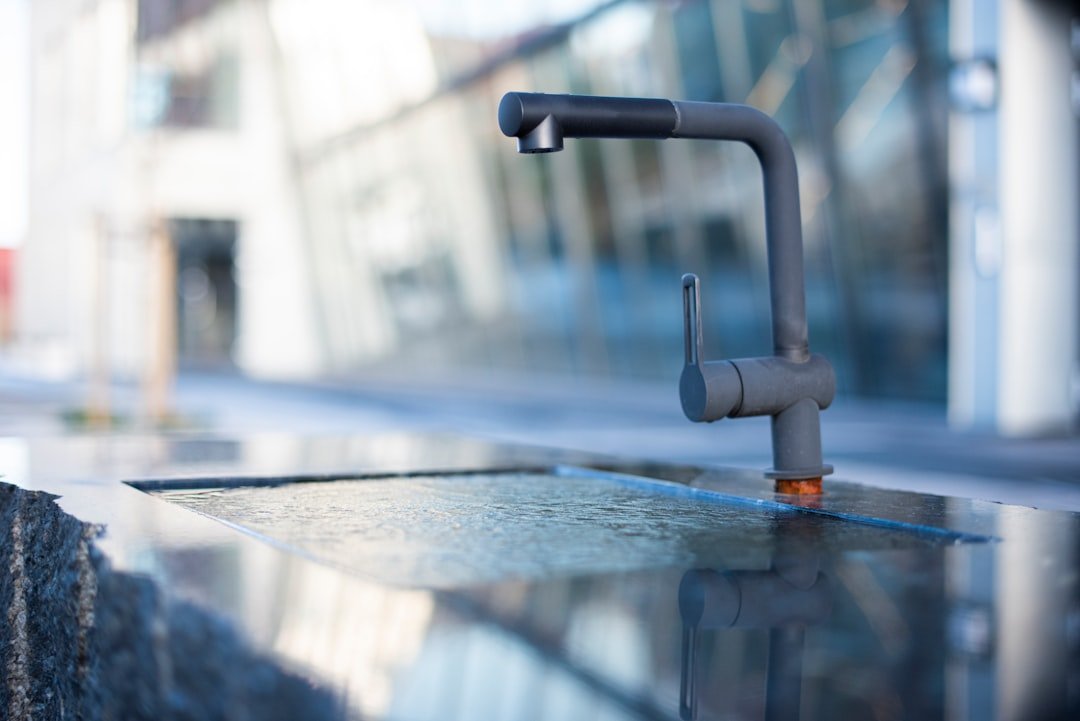
Public fountains are common throughout Switzerland and are useful for refilling reusable bottles. In general, fountain water intended for drinking is safe unless a sign indicates otherwise. Switzerland Tourism advises visitors that tap and fountain water can normally be consumed unless it is specifically marked as non-potable.
Always obey signs such as “Kein Trinkwasser”, “Eau non potable”, or “Acqua non potabile”. A decorative fountain, remote livestock trough, or water source without clear drinking-water status should not automatically be treated as potable simply because the water looks clean.
How to Check Your Local Tap Water Quality
Water quality, mineral content, source, and treatment can differ from one municipality to another. Water suppliers are required to provide consumers with information about drinking-water quality, and many publish reports on their own websites.
You can also search Trinkwasser.ch by municipality or postcode to find information submitted by participating Swiss water suppliers. The portal is useful for routine quality information, but it should not be treated as a real-time emergency-alert service. For a current incident or a property-specific concern, contact the local supplier or competent authority directly.
Does Hard Water Mean the Tap Water Is Unsafe?
No. Water hardness mainly reflects dissolved calcium and magnesium. Hard water can leave scale on kettles, showerheads, coffee machines, and household appliances, but hardness by itself does not mean the water is contaminated or unsafe to drink.
Hardness varies significantly across Switzerland because local geology and water sources differ. If scale is a concern, check the hardness reported by your water supplier and follow appliance-manufacturer instructions for descaling.
The Future of Tap Water Safety in Switzerland
Switzerland’s drinking-water outlook remains strong, but water management is facing changing pressures. The latest national assessment identifies climate adaptation, periods of local water scarcity, protection of groundwater resources, and micropollutants as continuing challenges.
Climate change can affect recharge patterns, water temperature, drought risk, and the intensity of heavy-rain events. At the same time, substances that persist in the environment, including PFAS and pesticide metabolites, are increasing the importance of source protection, better monitoring, and treatment technologies that can address specific contaminants when necessary.
The federal PFAS review is a useful example of how standards continue to evolve. Stricter Swiss PFAS limits were proposed in 2026 but were still under consultation as of August 2026. Future requirements should therefore be checked against the current FSVO regulations rather than assumed from proposals or European limits.
Continued cooperation between federal authorities, cantons, water suppliers, researchers, property owners, agriculture, industry, and communities will be important for protecting both the source water and the water delivered to consumers.
For a separate healthy recipe to try at home, you can also read this guide to delicious homemade cottage cheese.
Frequently Asked Questions
Is tap water safe to drink in Switzerland?
Yes. Tap water from regulated public supplies in Switzerland is generally safe to drink and is subject to strict legal requirements and monitoring. Temporary local incidents can occur, so always follow any current notice from the local supplier or authority.
What is the quality of tap water in Switzerland?
Swiss drinking-water quality is generally high. Federal requirements are set by the FSVO, suppliers perform self-monitoring, and cantonal authorities provide official supervision. Local quality information is usually available from the water supplier.
Are there areas in Switzerland where tap water is not safe to drink?
Public tap water is generally safe across Switzerland, but temporary local problems can occur because of contamination, flooding, technical failures, maintenance, or another incident. Follow any boil-water or do-not-drink advisory issued for your specific location.
Do I need a water filter or purifier for tap water in Switzerland?
Usually not. A correctly operating public supply should provide water that meets Swiss requirements. A filter can make sense for a specific identified problem, but it should be designed for that problem and maintained correctly.
Can I refill my water bottle from tap water in Switzerland?
Yes. You can normally refill a reusable bottle from a regular drinking-water tap in Switzerland. This is common for both residents and visitors.
Can tourists drink tap water in Swiss hotels and apartments?
Yes, in normal circumstances. A cold-water tap connected to the regulated drinking-water system can generally be used for drinking. If a hotel, host, municipality, or water supplier gives a specific warning, follow that local instruction.
Is water from public fountains in Switzerland safe to drink?
Water from public drinking fountains is generally safe unless the fountain is marked as non-potable. Always obey posted signs, especially at decorative fountains, rural troughs, or sources whose drinking-water status is unclear.
Is hard tap water in Switzerland unhealthy?
No. Hardness mainly comes from dissolved calcium and magnesium and is not the same as contamination. Hard water can create mineral scale in kettles and appliances, but hardness alone does not mean the water is unsafe to drink.
What should I do if my tap water suddenly looks or smells unusual?
Run the cold tap briefly and check whether the problem clears. If unusual color, cloudiness, smell, or taste persists, contact your local water supplier or building manager. If an official advisory has been issued, follow its instructions rather than relying on normal flushing or a household filter.
Sources
- Federal Food Safety and Veterinary Office: Drinking Water — federal requirements, supplier responsibilities, cantonal supervision, and current national drinking-water information.
- Fedlex: Ordinance on Drinking Water and Water in Public Baths and Shower Facilities — current Swiss legal framework for drinking-water treatment, provision, and quality.
- Federal Food Safety and Veterinary Office: PFAS — current Swiss PFAS drinking-water limits and regulatory developments.
- Federal Office for the Environment: Nitrate in Groundwater — current groundwater nitrate monitoring and agricultural pressures.
- Federal Office for the Environment: Pesticides in Groundwater — pesticide and metabolite monitoring, including chlorothalonil metabolites.
- Swiss Gas and Water Industry Association: Drinking Water FAQ — testing, household plumbing, stagnation, treatment, lead, and consumer guidance.