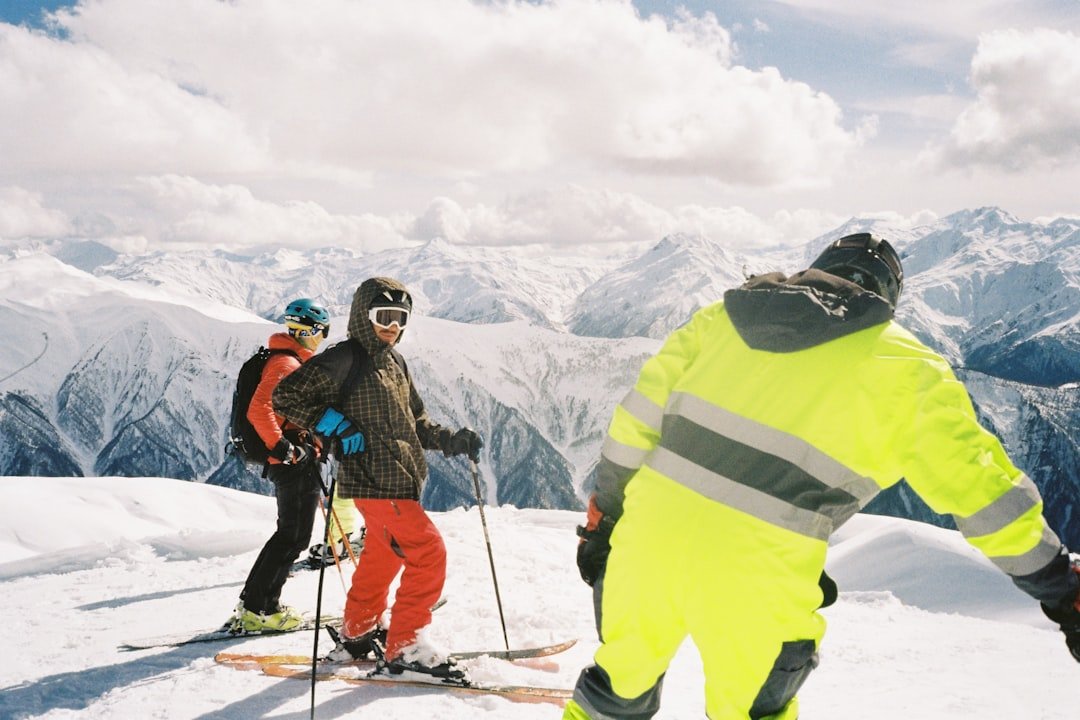
Saas-Fee is a car-free ski village in Switzerland’s Valais Alps, sitting at about 1,800 metres and surrounded by high peaks including the 4,545-metre Dom, the highest peak whose base lies entirely within Swiss territory. For skiers and snowboarders, the main attraction is a high-altitude ski area with about 100 kilometres of pistes in Saas-Fee itself, glacier terrain reaching roughly 3,600 metres, learning areas near the village, and access to terrain for beginners through advanced riders. The wider Saas Valley offers about 150 kilometres of pistes across its ski areas.
Quick Answer
Saas-Fee is a high-altitude, car-free Swiss ski resort with 100 km of pistes and lift access to about 3,600 m. For winter 2026/27, the published season runs from 1 November 2026 to 18 April 2027. It suits beginners through advanced skiers, with glacier terrain, lessons, freestyle features, and separately scheduled summer glacier skiing.
Key Takeaways
- Saas-Fee has about 100 km of pistes, while the wider Saas Valley offers about 150 km.
- The ski area reaches roughly 3,600 m, giving Saas-Fee a long high-altitude season and extensive glacier terrain.
- The published Saas-Fee winter season for 2026/27 is 1 November 2026 to 18 April 2027, subject to operating conditions.
- Summer and autumn glacier skiing is offered on separate published dates rather than as uninterrupted year-round public skiing.
- Beginners can use learning terrain near the village, while stronger skiers can progress to higher red and black pistes and marked itineraries.
- Off-piste skiing requires avalanche awareness, current SLF information, suitable equipment and, for visitors unfamiliar with the terrain, professional guidance.
Skiing and Snowboarding in Saas-Fee
Saas-Fee combines village-level learning terrain with high-altitude skiing above the tree line. The resort’s official information lists about 100 kilometres of pistes in Saas-Fee. Across the wider Saas Valley, the official piste map covers about 150 kilometres of blue, red, black and yellow-marked terrain.
The upper ski area reaches approximately 3,600 metres. Access toward the high glacier sector is provided through the lift network and Metro Alpin, with Mittelallalin facilities around 3,500 metres. The altitude can help preserve snow higher on the mountain, but conditions still vary with weather, wind, temperature and lift operations. A sunny day in the village does not guarantee identical conditions on the glacier.
Saas-Fee itself has about 100 km of pistes, while the wider Saas Valley’s ski areas provide about 150 km of marked terrain.
Beginners
First-time skiers and snowboarders do not need to begin on the glacier. Village lifts and learning areas offer a more practical place to work on stopping, turning and lift use before moving higher. Booking a lesson is especially useful if you have never used surface lifts or want help choosing suitable pistes for your ability.
Intermediate Skiers
Intermediate skiers have the broadest range of options. Red and easier blue terrain through the main ski area makes it possible to build longer ski days without immediately committing to the steepest pistes. The Morenia and glacier sectors are particularly useful reference points when studying the piste map, but individual pistes should always be selected by their current colour, status and conditions rather than by relying on informal run names.
Advanced Skiers and Snowboarders
Advanced visitors can seek out black pistes and more demanding marked routes shown on the current piste map. High altitude, changing visibility and glacier weather can make apparently straightforward terrain more serious than its gradient alone suggests, so check lift status, piste closures and weather before heading to the upper mountain.
Note: The official destination distinguishes Saas-Fee’s approximately 100 km of pistes from the roughly 150 km available across the wider Saas Valley. Check which ski pass you are buying if you plan to ski beyond Saas-Fee.
Best Ski Areas and Terrain Parks
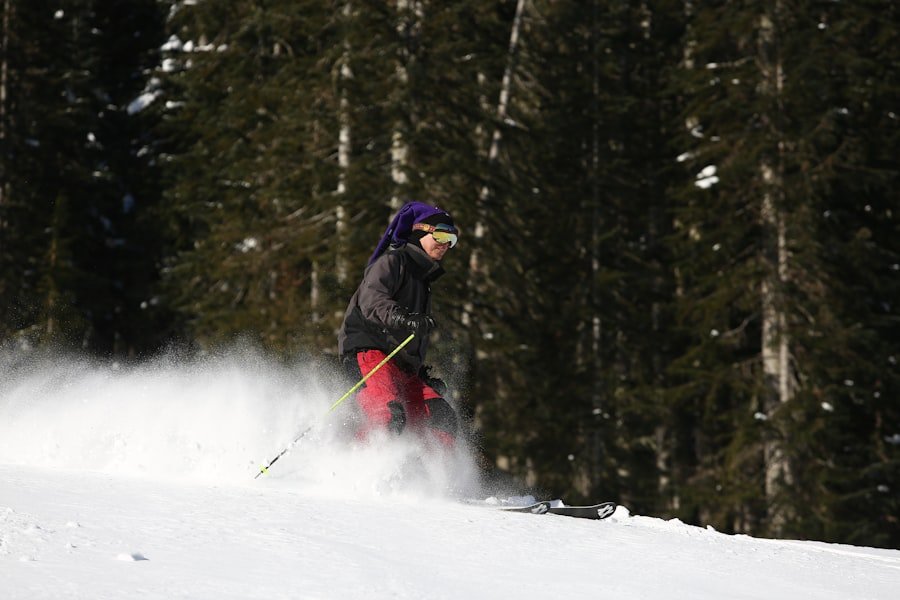
Rather than choosing a piste from an unofficial name, start with the current resort map and match the terrain colour to your ability. Beginners can build confidence around the village learning area before progressing higher. Intermediate skiers can explore the main groomed sectors around Morenia and the glacier-access network, while advanced skiers can look for open black pistes and marked itineraries appropriate to the day’s conditions.
Felskinn and Mittelallalin are important names to know when navigating Saas-Fee, but they are best understood as parts of the lift and mountain-access system rather than as the beginner and intermediate named runs described in older guides. Using the official map prevents confusion when signs, piste numbers or operating status change.
Snowpark Morenia
Freestyle skiers and snowboarders should look for Snowpark Morenia. The current official description lists two lines with boxes, rails and a tube, together with a dedicated kicker line. The resort describes the park’s features as mainly low to medium difficulty, making it possible for less experienced freestyle riders to try appropriate elements while stronger riders link features more creatively.
Pro Tip: Do not plan your entire day around a particular piste or park feature before checking the live status. Wind, snowfall, grooming and maintenance can change what is open, especially high on the mountain.
Après-Ski and Nightlife
| Saas-Fee Option | Style | Good For |
|---|---|---|
| Zur Mühle / slope-side après-ski | Music, drinks and post-ski atmosphere | Ending the ski day socially |
| High Life / Nesti’s Ski Bar | Village après-ski and evening drinks | Groups wanting a lively but convenient stop |
| Old Cinema Pub / Project X area | Later-night pub, music and club options | Visitors staying out after dinner |
Saas-Fee’s car-free centre makes it easy to move between accommodation, restaurants and bars on foot. The destination’s current official après-ski and nightlife directory lists slope-side bars, village pubs and later-night venues. Examples include Zur Mühle, High Life, Nesti’s Ski Bar, Old Cinema Pub, Metro Bar and Project X.
Opening days and hours are seasonal, so check the current listing rather than planning around an old timetable. Après-ski in Saas-Fee ranges from a drink soon after the lifts close to pubs, live music and club-style nightlife later in the evening.
For a quieter evening, dinner can be the main event. La Ferme is one current option for refined Alpine dining, while numerous other restaurants serve Valais specialities and international food. Fondue and raclette remain popular choices if you want a classic Swiss meal after skiing.
Accommodation and Dining Options
Saas-Fee and the wider Saas Valley offer hotels, apartments, chalets, group accommodation and other lodging styles. The official winter destination information lists more than 500 hotels, chalets and holiday apartments across the valley, so the best choice depends on budget, party size, preferred lift access and how much walking you want to do in the car-free village.
Hotel Allalin is one established Saas-Fee option and remains listed by the destination’s official accommodation service. Travelers wanting more independence can choose an apartment or chalet with cooking facilities, which can be useful for families and groups that do not want to eat in restaurants for every meal.
When comparing accommodation, look beyond the room rate. Check walking distance to the lifts, luggage-transfer options, whether the property participates in SaastalCard benefits, ski-storage facilities and whether breakfast or dinner is included. Because private cars stay at the village entrance, location inside the village can matter more than it does at a conventional drive-to resort.
Dining ranges from mountain restaurants and casual cafés to traditional Valais cooking and more refined restaurants. You can find fondue, raclette, rösti, regional meat dishes, pastries and international options, making self-catering useful but not essential.
Ski School and Lessons
Saas-Fee has several snow-sports instruction options rather than a single school. The official destination directory currently lists Swiss Ski School Saas-Fee, ESKIMOS Ski and Snowboard School, Bespoke Snowsports and Balance, together with schools elsewhere in the Saas Valley.
Beginners can choose group or private instruction to learn basic stance, stopping, turning and lift use. Intermediate riders can book coaching to improve carving, confidence on steeper pistes or technique in changing snow. More experienced skiers may prefer private sessions because an instructor can adapt the route and exercises to a specific weakness rather than following a general group program.
Families should check minimum ages, lesson duration, meeting points, language availability, whether equipment is included and whether a lift pass must be purchased separately. These details can differ between schools and products.
Accessible winter-sports instruction is also available in Saas-Fee. The destination currently provides information about adaptive skiing and equipment for people with reduced mobility, so travelers who need specific support should contact the relevant program before arrival.
Note: A lesson is useful even if you already ski. A local instructor can help you understand the day’s open terrain, mountain layout and conditions while working on technique appropriate to your level.
Off-Piste and Backcountry Skiing
The high-alpine setting around Saas-Fee can be attractive to experienced skiers looking beyond groomed pistes, but leaving secured and open runs changes the level of risk. Glacier terrain, crevasses, avalanche exposure, route-finding problems and rapidly changing visibility can all become relevant.
Warning: Off-piste terrain is not controlled in the same way as open secured pistes. The Swiss Institute for Snow and Avalanche Research states that most avalanche accidents occur off-piste. Check the current avalanche bulletin, carry appropriate avalanche-rescue equipment, know how to use it, and consider a qualified local mountain or ski guide if you are unfamiliar with the terrain.
Before going off-piste, consult the SLF avalanche bulletin and snow information. The bulletin describes avalanche danger, affected elevations and aspects, snowpack information and current problems. Conditions can change during a trip, so yesterday’s assessment is not enough.
Avalanche transceiver, shovel and probe are standard rescue tools for avalanche terrain, but simply carrying equipment does not make a route safe. Training, terrain choice, group management and the ability to interpret the bulletin are equally important. Glacier travel may introduce additional hazards that require specific skills and equipment.
Guided skiing is especially valuable for visitors who do not know local glacier routes. A guide can choose terrain based on current conditions instead of relying on a route described in an old article or social-media post.
When to Ski Saas-Fee: Winter and Summer Glacier Skiing
For the 2026/27 winter season, Saas-Fee currently publishes a winter operating period of 1 November 2026 to 18 April 2027. Individual lifts and pistes can have shorter schedules, delayed openings or weather-related closures, so treat the overall season as an operating window rather than a guarantee that every run will be open every day.
Saas-Fee also operates summer and autumn glacier skiing on the Mittelallalin, but this should not be described as uninterrupted year-round public skiing. For 2026, the published summer-ski timetable runs from 18 July through 31 October, with operating hours changing during the season.
Note: Season dates, glacier access and operating hours are time-sensitive. Recheck the official timetable shortly before booking and again before traveling.
Ski Passes, Lift Status and the Piste Map
For winter 2026/27, the published Saas-Fee one-day ski-pass price is currently CHF 84 for adults aged 20+, CHF 72 for youths aged 16 to 19.99, and CHF 43 for children aged 6 to 15.99. Multi-day, flexible and family tariffs are also available. Prices and conditions can change, so use the official Saas-Fee ski-pass page as the final reference before purchase.
Buying online is useful for convenience and can reduce time spent at a ticket counter, but do not assume every online purchase automatically includes a discount. The resort allows visitors to buy passes online and, where compatible, load them onto an existing SwissPass or KeyCard.
Before skiing each morning, check the official piste map, open lifts, weather and webcams. The destination’s skiing and snowboarding information links to the current map and operating information. This is more dependable than following a fixed list of “best runs” written months earlier.
Getting to Saas-Fee and Car-Free Village Logistics
Saas-Fee is car-free, so drivers leave their vehicle at the parking facilities near the village entrance and continue into the resort without their private car. Electric service vehicles and local transport handle many of the jobs that conventional vehicles perform in other resorts.
For public transport, the standard route is train to Visp, followed by PostBus 511 toward Saas-Fee. The destination currently states that the bus operates approximately every 30 minutes. International travelers can connect toward Visp from airports including Zurich, Geneva, Basel EuroAirport and Milan.
The official Saas Valley arrival guide estimates public-transport journeys of roughly three hours from several major gateway cities and airports, although actual travel time depends on the connection.
If driving, check the current parking rates and road information before arrival. Winter weather, construction or other events can occasionally affect roads, so a navigation-app estimate alone should not be your only source.
Pro Tip: Pack so that your luggage is easy to move from the bus terminal or parking area to your accommodation. In a car-free mountain village, one large wheeled bag can be easier to manage than several loose pieces.
Tips for Visiting Saas-Fee
- Check conditions each morning: High-altitude wind, cloud and snowfall can change lift and piste availability quickly.
- Dress in layers: Temperatures can differ significantly between the 1,800-metre village and the upper glacier.
- Use sun protection: Snow reflection and high altitude can make sun exposure stronger than expected even when the air feels cold.
- Book lessons early during busy periods: Group sizes and private-instructor availability are limited.
- Use the official piste map: Choose runs by current difficulty, grooming and opening status rather than by an old list of trail names.
- Check your insurance: Confirm that your travel policy covers the winter sports you plan to do. Off-piste skiing, rescue and helicopter evacuation may have different conditions or exclusions.
- Plan around the car-free village: Confirm where your hotel or apartment is relative to the lifts, bus terminal and parking area.
- Allow time for altitude: The highest ski terrain is far above the village, so do not feel pressured to spend your entire first day at maximum elevation.
Saas-Fee also offers winter activities beyond downhill skiing and snowboarding, including winter hiking, snowshoeing, sledging, glacier experiences and ice-related activities. These can be useful alternatives for mixed-ability groups or days when you want a break from skiing.
If you’re interested in a separate food read after planning your ski trip, the original article also recommends Exploring the Delightful World of Asian Melon, which covers varieties and characteristics of Asian melons.
Frequently Asked Questions
What is Saas-Fee?
Saas-Fee is a car-free mountain village and ski resort in Switzerland’s Valais Alps. The village sits at about 1,800 metres, while its ski area reaches roughly 3,600 metres.
How much skiing and snowboarding terrain does Saas-Fee have?
Saas-Fee itself is officially listed with about 100 kilometres of pistes. The wider Saas Valley offers about 150 kilometres of blue, red, black and yellow-marked terrain across its ski areas.
What is the best time to visit Saas-Fee for skiing?
For conventional winter ski holidays, the main winter season is the most practical choice. The published Saas-Fee winter season for 2026/27 runs from 1 November 2026 to 18 April 2027, although individual lifts and pistes remain subject to operating conditions.
Can you ski in Saas-Fee during summer?
Yes, Saas-Fee offers separately scheduled glacier skiing during part of summer and autumn. For 2026, the published Mittelallalin summer-ski period runs from 18 July to 31 October. This is not the same as continuous 365-day public skiing, and dates should be checked each year.
Is Saas-Fee suitable for beginners?
Yes. Beginners can start around the village learning areas and book group or private instruction before progressing to longer pistes higher on the mountain. Checking the current piste map helps ensure that the next run matches your ability.
What off-slope activities are available in Saas-Fee?
Depending on the season and operating conditions, visitors can choose activities such as winter hiking, snowshoeing, sledging, glacier experiences, ice-related activities, wellness, dining and après-ski.
What accommodation options are available in Saas-Fee?
Accommodation includes hotels, apartments, chalets and group lodging. When comparing options, consider walking distance to lifts, ski storage, SaastalCard participation and luggage transfer as well as the nightly price.
How do I get to Saas-Fee?
By public transport, travel by train to Visp and continue on PostBus 511 toward Saas-Fee. Travelers arriving through airports such as Zurich, Geneva, Basel EuroAirport or Milan can connect by rail toward Visp. Drivers park at the entrance because Saas-Fee itself is car-free.
Is off-piste skiing safe in Saas-Fee?
Off-piste skiing carries avalanche, glacier and route-finding risks that are not present in the same way on open secured pistes. Check the current SLF avalanche bulletin, use appropriate rescue equipment and training, and consider a qualified local guide if you do not know the terrain.
Sources
- Saas-Fee/Saastal: Winter in the Saas Valley — current winter season dates, Saas Valley piste total and winter planning information.
- Saas-Fee/Saastal: Skiing and Snowboarding — piste map, rentals, schools, lift information and freestyle options.
- Saas-Fee Ski Pass Prices — published winter 2026/27 Saas-Fee lift-pass tariffs.
- Saas-Fee Summer Ski Timetable and Prices — current 2026 glacier-ski operating dates and hours.
- Getting to the Saas Valley — rail, PostBus 511, airport and driving information.
- WSL Institute for Snow and Avalanche Research SLF — official Swiss avalanche bulletin and current snow-safety information.