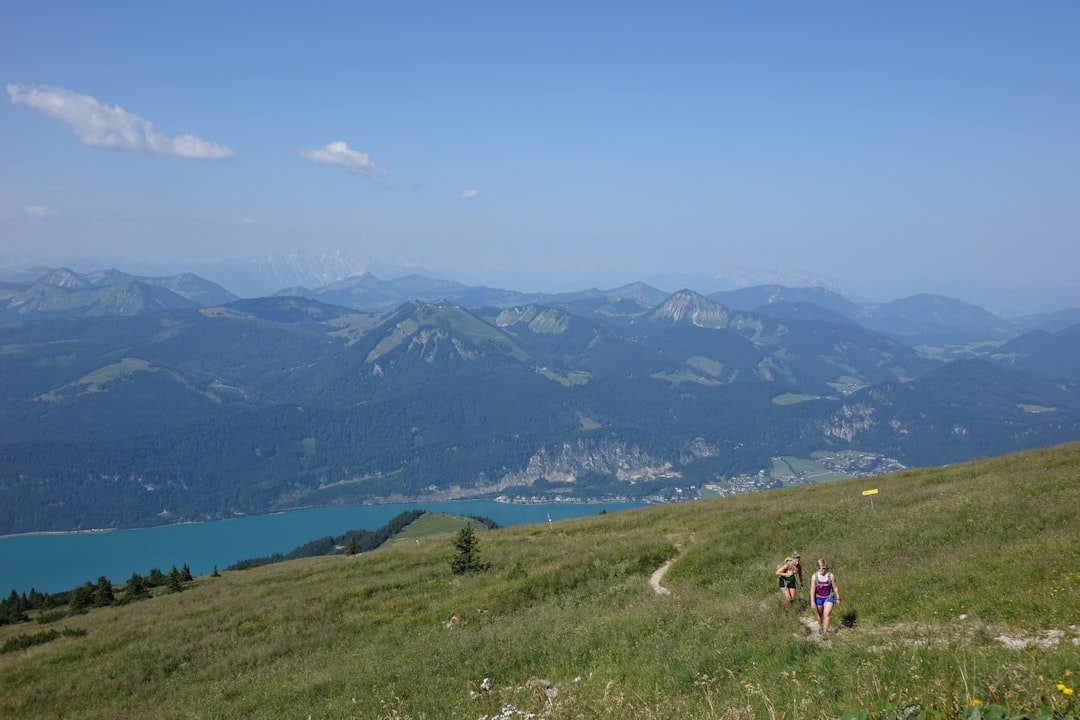
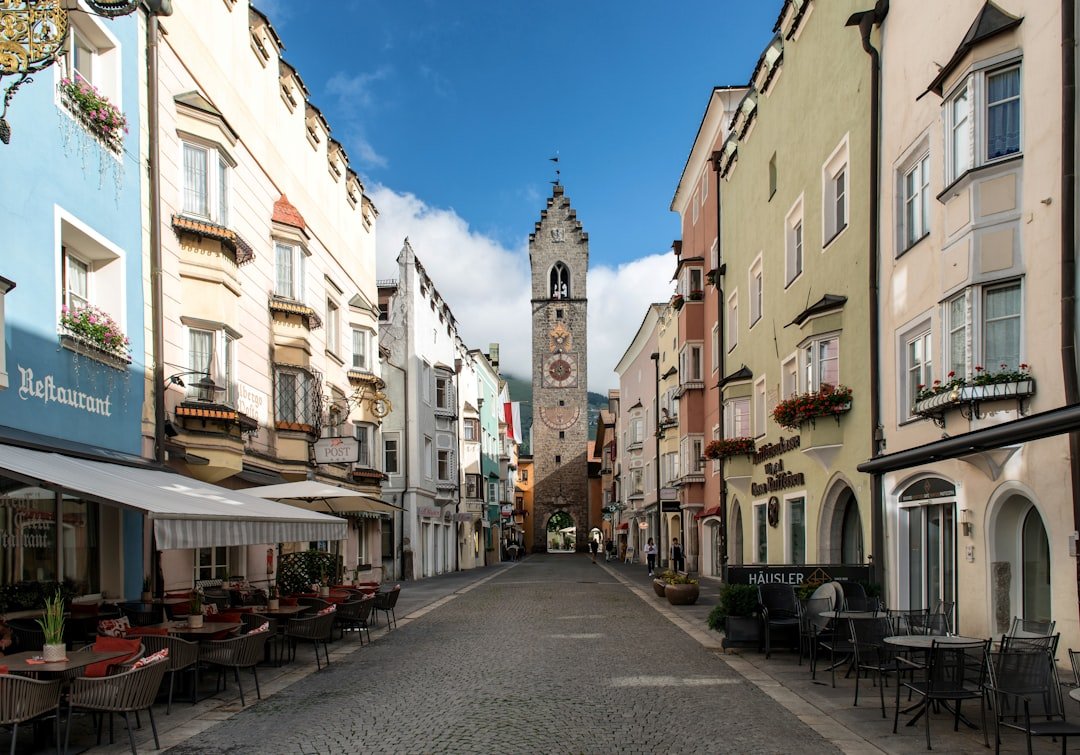
Switzerland produces a surprisingly diverse range of wines despite its small vineyard area and Alpine geography. Vineyards stretch from sunny Rhône Valley slopes to the shores of Lake Geneva, the hills of German-speaking Switzerland, and Mediterranean-influenced Ticino. The result is a wine culture built around regional identity, distinctive grape varieties, and many small producers.
Quick Answer
Switzerland has six main wine-growing regions: Valais, Vaud, German-speaking Switzerland, Geneva, Ticino, and Three Lakes. Pinot Noir, Chasselas, Gamay, and Merlot are the country’s leading grapes, while regional specialties such as Petite Arvine, Cornalin, Completer, and Amigne give Swiss wine much of its distinctive character.
Key Takeaways
- Switzerland’s six official wine regions are Valais, Vaud, German-speaking Switzerland, Geneva, Ticino, and Three Lakes.
- Pinot Noir, Chasselas, Gamay, and Merlot together account for about two-thirds of Swiss vineyard area.
- Valais is the largest region, Vaud is strongly associated with Chasselas, and Ticino is Switzerland’s main Merlot territory.
- The Three Lakes region includes Neuchâtel, Lake Biel, and Vully rather than treating Neuchâtel as a separate national wine region.
- Alpine valleys, lakes, slope orientation, elevation, wind, and highly varied soils create pronounced local differences.
- Very little Swiss wine is exported, so many bottles are easier to discover in Switzerland than abroad.
Swiss Wine Promotion currently groups 26 cantons and 62 wine AOCs into six wine regions, with more than 2,500 producers working approximately 14,569 hectares of vineyards.
History of Swiss Wine and Viticulture
Winegrowing in what is now Switzerland has ancient roots. Swiss Wine Promotion’s historical timeline links the introduction of vines to the Roman period and specifically places it around 58 BC, when Helvetia came under Roman control.
Viticulture continued to develop through the Middle Ages. Religious communities became important vineyard owners and helped maintain viticultural knowledge. One of the clearest surviving examples is Lavaux in Vaud. UNESCO notes evidence of Roman-era vines there and traces the present vineyard terraces back to the 11th century, when Benedictine and Cistercian monasteries controlled the area.
The 19th century brought both technical change and serious disruption. Phylloxera, the vine pest that spread through European vineyards, also reached Switzerland. Growers eventually rebuilt affected vineyards using resistant rootstocks, as happened across much of Europe.
Modern Swiss producers combine this long history with precise vineyard management, regional appellations, improved cellar technology, and renewed interest in both traditional local grapes and newer disease-resistant varieties.
Major Grape Varieties in Swiss Wine Regions
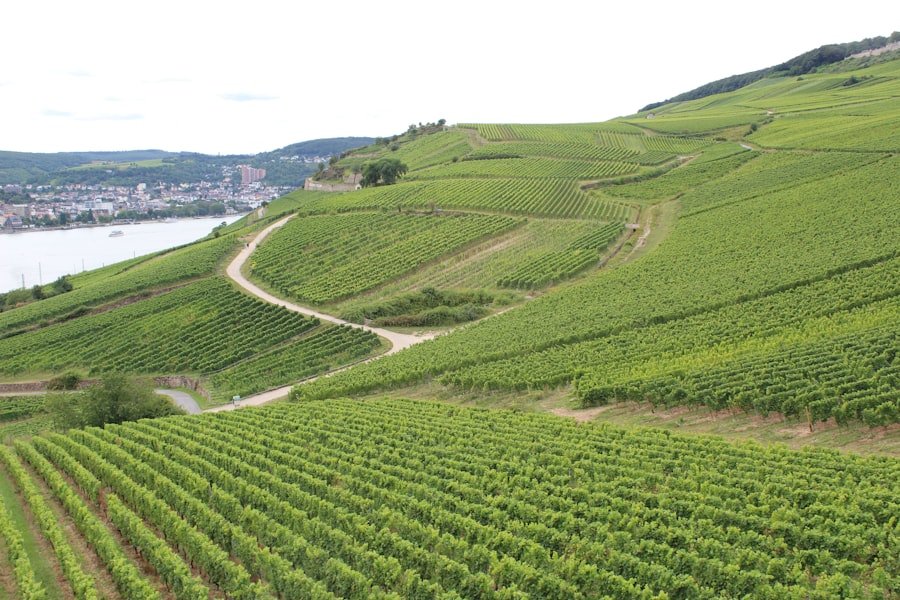
Switzerland grows an unusually broad range of grapes for such a small wine-producing country. According to Swiss Wine Promotion, Pinot Noir, Chasselas, Gamay, and Merlot are the four largest varieties and together represent about 66% of vineyard area.
Chasselas
Chasselas is one of Switzerland’s defining white grapes. It is particularly important in Vaud, where it can produce light, delicate, mineral, or more structured wines depending on the vineyard and appellation. In Valais, Chasselas is traditionally known as Fendant.
Chasselas is commonly served with lake fish, fondue, raclette, and other cheese-based dishes because its freshness and restrained fruit usually complement rather than overwhelm food.
Pinot Noir
Pinot Noir is Switzerland’s most important red grape by vineyard area. It performs well in several cooler regions, including Valais, the Three Lakes region, Graubünden, Zurich, Schaffhausen, and other parts of German-speaking Switzerland.
Styles range from fresh, light-bodied reds to more structured wines with greater depth and oak influence.
Gamay
Gamay is especially important in Geneva, where it is currently the largest single grape variety by vineyard area. It is also grown in Valais and other western regions. Typical wines emphasize fresh red fruit, moderate tannin, and lively acidity, although producer and site can create substantial stylistic differences.
Merlot
Merlot has its strongest Swiss identity in Ticino, south of the Alps. It dominates Ticino’s vineyards and is used for both red wine and the regional specialty Bianco di Merlot, a white wine made from red Merlot grapes by limiting contact between juice and skins.
Distinctive Swiss Specialties
Beyond the four major grapes, regional varieties give Swiss wine much of its individuality. Valais is known for Petite Arvine, Cornalin, Amigne, Humagne Rouge, and other specialties. Graubünden preserves the historic white grape Completer, while Swiss-bred grapes such as Gamaret and Garanoir have become established in several regions.
The Six Main Wine Regions of Switzerland
Switzerland’s national wine organization groups the country’s vineyards into six principal regions. Each covers different landscapes and, in some cases, several cantons or subregions.
| Wine Region | Key Grapes | What It Is Known For |
| Valais | Pinot Noir, Chasselas, Gamay, Petite Arvine, Cornalin, Syrah | Dry Alpine climate, terraced slopes, large grape diversity, Fendant and indigenous specialties |
| Vaud | Chasselas, Pinot Noir, Gamay | Lake Geneva vineyards, Lavaux, Dézaley, and terroir-focused Chasselas |
| German-speaking Switzerland | Pinot Noir, Müller-Thurgau, Chardonnay and regional specialties | A diverse multi-canton region including Zurich, Graubünden, Schaffhausen, Aargau, Thurgau and others |
| Geneva | Gamay, Chasselas, Pinot Noir, Gamaret, Chardonnay | Broad grape diversity, productive vineyards close to the city, and particularly strong Gamay |
| Ticino | Merlot, Chardonnay, Sauvignon Blanc | Swiss Merlot, Bianco di Merlot, abundant rainfall and sunshine south of the Alps |
| Three Lakes | Pinot Noir, Chasselas, Pinot Gris, Chardonnay | Neuchâtel, Lake Biel and Vully; Œil-de-Perdrix and fresh lake-influenced wines |
Valais
Valais is Switzerland’s largest wine region and contains almost one-third of the country’s vineyard area. Vineyards follow the upper Rhône Valley, where dry conditions, intense sunlight, steep slopes, and warm föhn winds help ripen a wide range of grapes.
Swiss Wine Promotion’s current Valais data lists Pinot Noir as the largest variety, followed by Chasselas and Gamay, with important regional grapes including Petite Arvine and Cornalin.
Vaud
Vaud stretches from Lake Geneva toward Lake Neuchâtel and is strongly associated with Chasselas. Its best-known landscape is Lavaux, where steep vineyard terraces overlook Lake Geneva.
Lavaux was inscribed on the UNESCO World Heritage List in 2007. The landscape is notable not simply for its appearance but for the long interaction between people, stone terraces, villages, vineyards, lake, and steep terrain.
German-speaking Switzerland
German-speaking Switzerland is not a single compact vineyard zone. It groups wine areas across numerous cantons, including Zurich, Schaffhausen, Graubünden, Aargau, Thurgau, Basel, and parts of central Switzerland.
Pinot Noir is especially important in several of these areas. Graubünden, for example, is known for Pinot Noir grown in an Alpine setting influenced by limestone-rich soils and warm föhn winds. Historic local grapes such as Completer add further diversity.
Geneva
Geneva combines vineyards, villages, rivers, and urban proximity in a relatively small area. According to Swiss Wine Promotion, Gamay is currently its most planted grape, followed closely by Chasselas, with Pinot Noir, Gamaret, Chardonnay, and many other varieties also represented.
The region’s varied soils and microclimates have encouraged producers to work with a particularly broad range of grapes.
Ticino
Ticino lies south of the Alps and has a different climatic character from much of northern Switzerland. It receives abundant rainfall as well as generous sunshine, while Merlot dominates local production.
The grape is made into structured reds as well as Bianco di Merlot. Differences between the cooler northern Sopraceneri and warmer southern Sottoceneri create additional stylistic variation.
Three Lakes
The Three Lakes region combines three main wine areas: Neuchâtel, Lake Biel, and Vully. Pinot Noir is the region’s largest grape, followed by Chasselas.
Neuchâtel is especially associated with Œil-de-Perdrix, a rosé traditionally made from Pinot Noir, while both Lake Biel and Vully produce distinctive wines influenced by their lakeside settings.
Note: Neuchâtel is an important wine area, but in the national six-region classification it forms part of the Three Lakes region rather than being counted as a seventh separate region.
Swiss Wine Appellations and Regional Names
Swiss wine labels frequently use AOC, or Appellation d’Origine Contrôlée, to identify protected geographic origin. Because wine rules are closely connected to cantonal and regional systems, the exact requirements can vary by appellation.
Regional terminology can also describe a style or traditional name rather than a grape. Fendant, for example, is the Valais name associated with Chasselas wine, while Dôle is a traditional Valais red-wine designation governed by regional rules.
When buying an unfamiliar Swiss bottle, look at three pieces of information together: the region or AOC, the grape or traditional wine name, and the producer. That gives you a clearer picture than judging the wine by grape alone.
Climate and Terroir in Swiss Wine Regions
Switzerland’s mountains, valleys, lakes, rivers, slope orientations, elevations, and soils create a dense patchwork of growing conditions. The Alps can block weather systems while föhn winds bring warmth and drying effects to certain valleys. Large lakes can moderate nearby temperatures and influence local conditions.
Valais illustrates the Alpine side of Swiss viticulture, with a dry inner-Alpine climate, steep vineyards, strong sunlight, and significant elevation differences. Ticino, by contrast, sits south of the main Alpine divide and receives considerably more rainfall.
Terroir in Switzerland is highly local. Two vineyards only a short distance apart can differ in elevation, sun exposure, wind, drainage, soil, and lake or mountain influence.
Soils also vary substantially. Limestone, clay, gravel, granite, slate, glacial deposits, and other formations appear in different areas. It is safer to evaluate soil at the subregional or vineyard level rather than assigning one soil type to an entire canton.
Elevation can help preserve acidity by exposing vines to cooler conditions, particularly at night, although its effect depends on slope, orientation, wind, grape variety, and the wider local climate.
How to Choose Swiss Wine by Style and Food
You do not need to memorize every appellation to start exploring Swiss wine. A few regional and grape associations provide an easy starting point.
- For a crisp Swiss white: try Chasselas from Vaud, Valais, or Three Lakes.
- For Alpine white-wine character: look for Petite Arvine from Valais or Completer from Graubünden.
- For a lighter red: try Gamay from Geneva or a fresh Pinot Noir from Three Lakes.
- For a more structured red: explore Pinot Noir from Valais or Graubünden, Merlot from Ticino, or Syrah from Valais.
- With fondue or raclette: Chasselas is a classic Swiss choice.
- With lake fish: dry Chasselas and other fresh Swiss whites are natural starting points.
- With richer meat dishes: Pinot Noir, Merlot, Cornalin, or Syrah can provide more structure.
These are starting points rather than strict rules. Producer style, vintage, sweetness, acidity, oak treatment, and bottle age can matter as much as the grape name.
Why Swiss Wine Can Be Hard to Find Abroad
Swiss wine production is small by international standards, while the domestic market absorbs most of the country’s output. Swiss Wine Promotion has reported that fewer than 2% of Swiss wine production is earmarked for export.
That helps explain why even established Swiss producers may be difficult to find in overseas shops. Limited vineyard area, small estates, high Swiss production costs, and strong local demand all contribute to restricted international availability.
For travelers, this makes visiting vineyards and regional wine shops particularly valuable: you can encounter grapes, producers, and appellations that rarely appear in export markets.
Wine Tourism in Switzerland
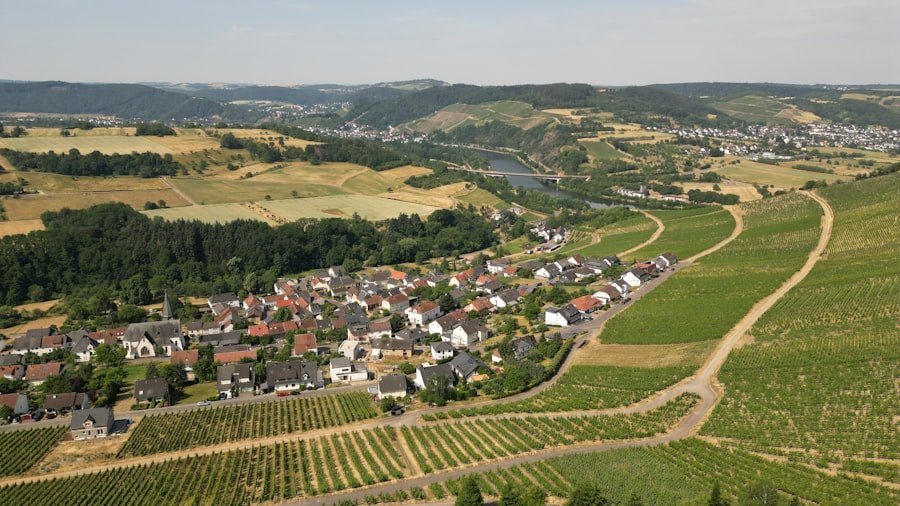
Wine tourism is one of the easiest ways to understand how closely Swiss wine is connected to landscape. Swiss Wine Promotion’s wine-tourism resources cover tastings, wine hikes, cellar visits, harvest-related experiences, and regional events.
Lavaux for Vineyard Scenery and Chasselas
Lavaux is one of the most recognizable choices for a first Swiss wine trip. Its vineyard terraces run along Lake Geneva between the Lausanne area and the eastern end of the lake, creating opportunities to combine walking, village visits, tastings, and regional food.
Valais for Grape Diversity
Valais suits visitors who want to taste both internationally known and distinctly Swiss varieties. Pinot Noir and Chasselas share the region with Petite Arvine, Cornalin, Humagne Rouge, Syrah, and many smaller plantings.
Ticino for Merlot
Ticino is a logical choice if Merlot is your priority. Visits can also reveal the difference between conventional red Merlot and Bianco di Merlot, as well as contrasts between northern and southern Ticino.
Geneva for Easy Access
Geneva’s vineyards begin surprisingly close to the city, making the region practical for travelers who want to combine an urban stay with cellar visits.
Three Lakes and German-speaking Switzerland for Less Familiar Regions
Neuchâtel, Lake Biel, Vully, Graubünden, Zurich, Schaffhausen, and other areas offer a chance to explore Swiss wine beyond the country’s most internationally familiar vineyard landscapes.
Pro Tip: Check winery opening hours and tasting requirements before traveling. Many Swiss estates are small operations rather than large visitor centers, so appointments may be required even in well-known regions.
Warning: Follow local legal-age rules and plan safe transportation if you will be tasting wine. Public transport, a designated driver, or an organized tour is preferable to driving after drinking.
Sustainable Practices in Swiss Winemaking
Sustainability is an increasingly important part of Swiss viticulture, but practices vary among growers. It is therefore better to look for specific production standards and certifications rather than assume that every winery follows the same methods.
Labels used in Switzerland include organic certifications, biodynamic Demeter certification, IP-Suisse, and Vinatura. Swiss Wine Promotion’s label guide explains several of these systems, while Vinatura is associated with Vitiswiss sustainability guidelines.
Research is also important. Agroscope, Switzerland’s federal agricultural research center, works on viticulture, plant protection, grape varieties, soil quality, climate adaptation, and other practical challenges facing growers.
Fungus-Resistant Grape Varieties
One development receiving growing attention is the use of fungus-resistant grapes, often called Piwi varieties from the German term pilzwiderstandsfähig. Varieties such as Divico, Johanniter, Solaris, Regent, and others can reduce the number of treatments needed against fungal diseases compared with more susceptible vines.
These grapes still represent a relatively small share of Swiss vineyards, but they are relevant to efforts to reduce vineyard inputs and adapt production systems.
Climate Adaptation
Climate change creates both opportunities and risks for Swiss vineyards. Warmer growing seasons can help grapes ripen in formerly marginal areas, but hotter temperatures, drought, extreme weather, disease pressure, and shifting harvest conditions also create new challenges.
Current Swiss research therefore includes climate-adapted clones and varieties, soil management, plant-protection strategies, and production systems designed to maintain wine quality while reducing environmental impact.
Emerging Trends in the Swiss Wine Industry
Renewed Interest in Local Grapes
One of Switzerland’s advantages is its grape diversity. Producers can distinguish their wines from international competitors through varieties such as Petite Arvine, Cornalin, Amigne, Humagne Rouge, Completer, and other regional specialties.
Natural and Low-Intervention Wine
Natural wine remains a comparatively small part of the overall market, but interest has grown. Swiss Wine Promotion has highlighted producers experimenting with low-intervention, unfiltered, orange, and natural styles in regions including Geneva, Vaud, Valais, Three Lakes, German-speaking Switzerland, and Ticino.
The term “natural wine” does not have one universally applied production standard, so buyers interested in these wines should look closely at the individual producer’s farming and cellar practices.
Resistant Varieties and New Breeding
New and disease-resistant varieties are gaining greater attention as growers balance wine quality with lower treatment needs and changing climatic conditions. Swiss research has played an important role in developing and testing varieties suited to these goals.
Greater International Visibility
Swiss wine remains scarce in many export markets, but producers and national promotional organizations are giving it more international exposure through tastings, competitions, trade events, and specialist importers. The country’s strongest point is not volume but diversity: six regions, highly varied landscapes, and a mixture of international, historic local, and newly created grape varieties.
For anyone exploring Swiss wine for the first time, the simplest approach is to start region by region. Taste Chasselas in Vaud, indigenous grapes in Valais, Gamay in Geneva, Merlot in Ticino, Pinot Noir in Three Lakes or German-speaking Switzerland, and then compare how producer, soil, elevation, and climate change each wine’s character.
If you’re also interested in exploring less familiar fruit flavors, a separate article on the world of Asian melon provides an introduction to several Asian melon characteristics and flavors.
Frequently Asked Questions
What are the six main wine regions in Switzerland?
The six main wine regions are Valais, Vaud, German-speaking Switzerland, Geneva, Ticino, and Three Lakes. The Three Lakes region includes Neuchâtel, Lake Biel, and Vully.
What grape varieties are commonly grown in Swiss wine regions?
Pinot Noir, Chasselas, Gamay, and Merlot are the four leading varieties. Other important grapes include Chardonnay, Müller-Thurgau, Petite Arvine, Cornalin, Gamaret, Garanoir, Amigne, Humagne Rouge, Syrah, and Completer.
Which Swiss wine region is best known for Chasselas?
Vaud is especially closely associated with Chasselas, including wines from Lavaux and other Lake Geneva appellations. Chasselas is also important in Valais, where it is traditionally known as Fendant, and in the Three Lakes region.
Which Swiss wine region is famous for Merlot?
Ticino is Switzerland’s main Merlot region. Merlot dominates its vineyard area and is used for red wines as well as Bianco di Merlot, a white style produced from red Merlot grapes.
What is the climate like in Swiss wine regions?
There is no single Swiss wine climate. Conditions range from dry inner-Alpine Valais to wetter, Mediterranean-influenced Ticino. Mountains, valleys, lakes, föhn winds, elevation, and slope orientation create many local microclimates.
Why is Swiss wine difficult to find outside Switzerland?
Switzerland has a relatively small vineyard area and a strong domestic market. Only a very small share of production is exported, so many Swiss producers and regional wines have limited international distribution.
Are Swiss wines well-regarded internationally?
Swiss wines receive international competition results, specialist coverage, and growing trade attention, but their global visibility remains limited because production and exports are small. Quality varies by producer and bottle, so regional reputation alone should not be treated as a guarantee.
What are popular wine tourism activities in Switzerland?
Common activities include cellar tastings, vineyard walks, open-cellar events, regional wine festivals, food-and-wine experiences, and harvest-related visits. Availability varies by winery and season, so checking ahead is recommended.
Sources
- Swiss Wine Promotion: Swiss Wine Regions — six-region classification, vineyard area, producers, and regional structure.
- Swiss Wine Promotion: Grape Varieties — national grape diversity and major vineyard varieties.
- Swiss Wine Promotion: Wine History — Roman-era viticulture and phylloxera chronology.
- UNESCO World Heritage Centre: Lavaux Vineyard Terraces — history and cultural significance of Lavaux.
- Agroscope: Viticulture — Swiss viticultural research, sustainability, grape breeding, and production challenges.
- Swiss Wine Promotion: Labels and Certifications — sustainability, organic, biodynamic, and related wine labels.