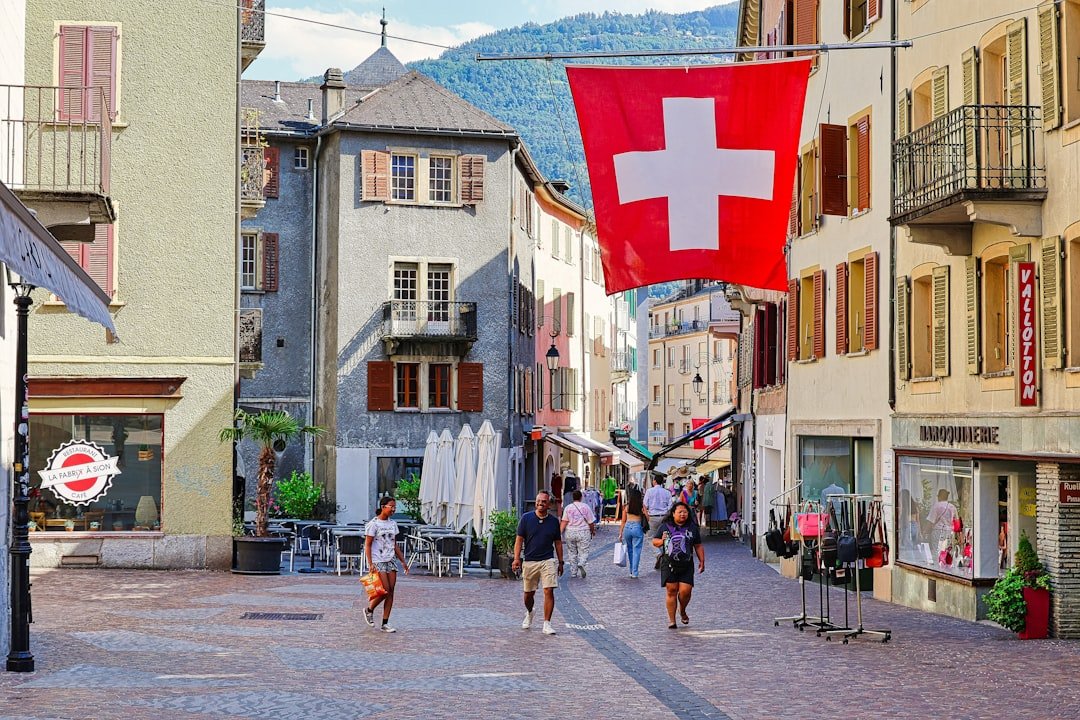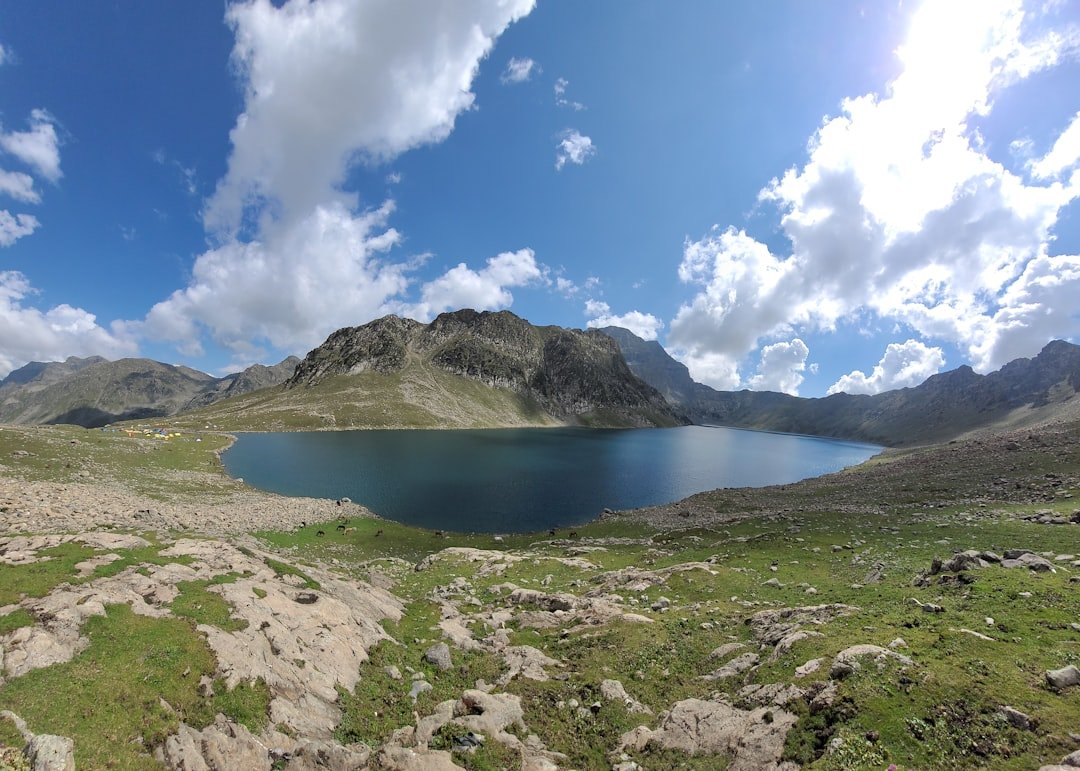
Nestled between Lake Thun and Lake Brienz, Interlaken is one of the easiest bases for a day trip into Switzerland’s Jungfrau region. My first look at the Eiger, Mönch, and Jungfrau made it clear why so many travelers build a full day around Jungfraujoch. The excursion combines mountain railways, glacier scenery, indoor attractions, viewpoints, food, and, when conditions allow, high-alpine outdoor activities.
Quick Answer
The fastest Interlaken to Jungfraujoch day trip takes about 1 hour 30 minutes each way via Grindelwald Terminal, the Eiger Express, and the Jungfrau Railway. Reserve a full day, book your 2026 Jungfrau Railway seat reservation when required, check weather and operating conditions, and plan several hours at the top.
Key Takeaways
- The fastest route is Interlaken Ost → Grindelwald Terminal → Eiger Express → Eigergletscher → Jungfraujoch.
- The traditional route via Lauterbrunnen or Grindelwald, Kleine Scheidegg, and the Jungfrau Railway is slower but adds classic mountain-railway scenery.
- For 2026 travel from May 1 through October 31, Jungfrau Railways states that a paid seat reservation is mandatory for the Jungfrau Railway.
- Jungfraujoch railway station is 3,454 metres above sea level, so cold weather and altitude symptoms are possible even on a summer visit.
- Core attractions include the Sphinx observation area, Ice Palace, glacier viewpoints, Alpine Sensation, and the 360° cinema.
- Outdoor options such as the Mönchsjochhütte hike and Snow Fun Park depend on season, weather, snow, and operating conditions.
At a Glance
| Time Required | Reserve a full day; the fastest trip from Interlaken Ost is about 1 hour 30 minutes each way, plus several hours at Jungfraujoch. |
| Difficulty | Easy for the main indoor attractions and viewpoints; demanding if you add the high-alpine Mönchsjochhütte hike. |
| Tools Needed | Warm layers, closed shoes, sunglasses, sun protection, water, ticket, and any required seat reservation. |
| Cost | Varies by departure point, season, rail pass, age, and route. Jungfrau Railways currently advertises Jungfraujoch tickets from CHF 129.60; check the live booking system for your exact fare. |
Getting There From Interlaken: Transportation Options
Reaching Jungfraujoch is part of the experience, but the route has changed significantly from the older journey that relied almost entirely on Kleine Scheidegg. Today, I would choose between the fast Eiger Express route and the traditional mountain-railway route depending on whether speed or scenery matters more.
Fastest Route: Interlaken Ost via the Eiger Express
The fastest current route starts at Interlaken Ost. Take the Bernese Oberland Railway to Grindelwald Terminal, ride the Eiger Express tricable gondola to Eigergletscher station, then change to the Jungfrau Railway for the final ascent through the mountain to Jungfraujoch.
According to Jungfrau Railways, the journey from Interlaken Ost via the Eiger Express takes about 1 hour 30 minutes. The Eiger Express itself takes about 15 minutes from Grindelwald Terminal to Eigergletscher.
Traditional Route via Kleine Scheidegg
If you prefer a slower, classic railway journey, travel from Interlaken Ost toward Lauterbrunnen or Grindelwald, continue on the Wengernalp Railway to Kleine Scheidegg, and change there to the Jungfrau Railway. This route gives you more time in the open mountain landscape before the final rail section toward Jungfraujoch.
You can also combine the routes. One practical option is to travel up by the Eiger Express for a faster morning arrival, then return via Kleine Scheidegg and Wengen or Grindelwald for different views. Jungfrau Railways specifically allows different routes for the ascent and descent.
Pro Tip: If the forecast looks clear early in the morning, take an early fast-route departure so you reach the viewpoints before spending time on lunch, shopping, or indoor attractions.
Can You Drive From Interlaken to Jungfraujoch?
You can drive into the Jungfrau region, including to parking facilities around Grindelwald Terminal, but there is no road that takes ordinary visitors to Jungfraujoch itself. Drivers must park below and complete the mountain journey by gondola and railway. Check current parking conditions before leaving Interlaken if you are not using public transport.
Tickets and 2026 Seat Reservations
Tickets and seat reservations are separate details worth checking carefully. Jungfrau Railways states that a paid seat reservation is mandatory from May 1 through October 31, 2026. The reservation is currently CHF 10 per person and covers the relevant Jungfrau Railway journey from Eigergletscher or Kleine Scheidegg and the return reservation.
Outside that period, reservations may still be useful during busy times. A reservation secures travel at the selected time; without one when reservations are optional, passengers may have to wait if the train is full.
Use the official Jungfrau arrival and reservation information and live timetable before your trip because schedules, capacity, maintenance, and weather can affect connections.
Note: If you have a Swiss Half Fare Card, GA Travelcard, Swiss Travel Pass, Junior Card, or a regional pass, check the exact Jungfraujoch discount before buying a separate full-fare ticket. Coverage differs by product and route.
Activities and Attractions at Jungfraujoch
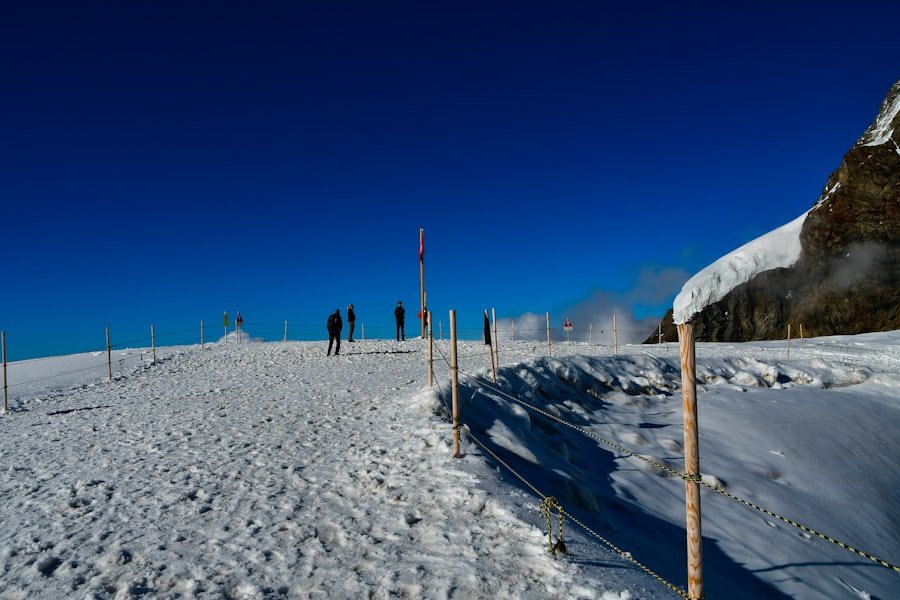
Upon arriving at Jungfraujoch, I was immediately struck by how much of the visitor experience is concentrated inside and around the mountain complex. That is useful on a day when clouds limit the distant views because several of the main attractions are indoors.
Ice Palace
The Ice Palace is a network of icy corridors and chambers containing changing ice sculptures. The surfaces can be very slippery, so this is one place where good shoes matter even if you are not planning to hike. Jungfrau Railways lists the Ice Palace as part of the regular Jungfraujoch discovery experience.
Sphinx Observation Area
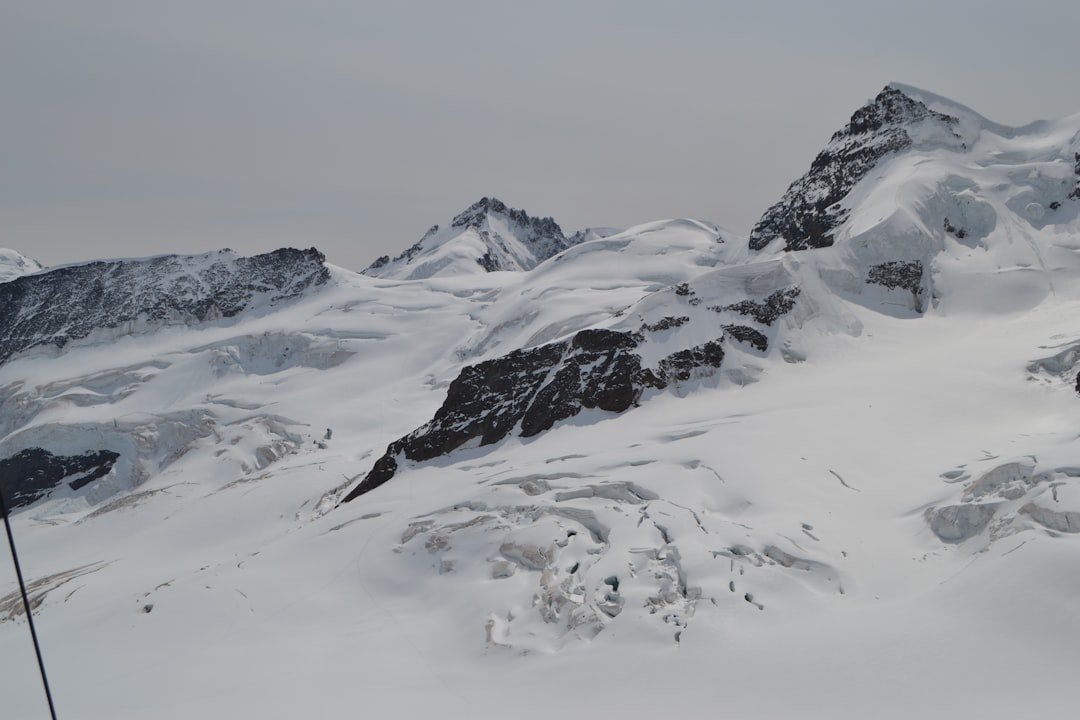
Another highlight is the Sphinx observation area. A fast lift takes visitors up toward the observatory and viewing terrace, where clear conditions reveal the surrounding high Alps and the Aletsch Glacier. The research station itself is an important high-altitude scientific facility, while the visitor areas provide the panoramic experience most day-trippers come for.
The Aletsch Glacier lies within the UNESCO-listed Swiss Alps Jungfrau-Aletsch region and is the largest and longest glacier in Europe.
The UNESCO World Heritage Centre describes the region as the most glaciated part of the European Alps and highlights the Aletsch Glacier’s exceptional size and importance.
Alpine Sensation, Glacier Plateau, and 360° Cinema
If visibility closes in, do not assume the trip is over. Alpine Sensation presents the history of the Jungfrau Railway, while the 360° cinema gives visitors an immersive look at the Alpine landscape. The glacier plateau provides another outdoor snow-and-ice experience when conditions permit access.
Hiking and Outdoor Adventures
| Activity | Approx. Time / Distance | Elevation / Conditions | Difficulty |
|---|---|---|---|
| Mönchsjochhütte Hike | About 45 minutes each way; allow around 2 hours overall | About +200 m; high-alpine snow/glacier environment | Demanding |
| Snow Fun Park | Allow roughly 45 minutes or more | Seasonal; weather and operating conditions apply | Varies by activity |
| Glacier Plateau / Snow Experience | About 15 minutes for a short visit | Cold, icy, and exposed to changing weather | Easy with suitable footwear |
| Rock Climbing / Technical Alpinism | Not a standard day-visitor activity | Technical high-alpine terrain | Expert; specialist planning required |
Mönchsjochhütte Hike
The main high-alpine walk directly associated with Jungfraujoch is the route to Mönchsjochhütte. Jungfrau Railways describes the serviced hut as reachable from Jungfraujoch in about 45 minutes on a marked high-alpine path, with roughly 200 metres of ascent. A return outing is normally budgeted at around two hours.
This is very different from a casual valley hike. The route crosses a snow-covered glacier environment, and the path can close because of avalanche danger, crevasses, snowstorms, or other hazards. Check the official Mönchsjochhütte hiking information on the day of your visit.
Warning: Do not leave marked and officially open visitor routes to walk independently onto glacier terrain. Crevasses can be hidden by snow, and high-alpine conditions can deteriorate quickly. If the Mönchsjochhütte path is closed, treat the closure as final.
Snow Fun Park
The Snow Fun Park offers activities such as a zipline, sledging/tubing, skiing, and snowboarding when it is operating. For 2026, Jungfrau Railways lists the published season as May 4 to October 18. Those dates and individual activities can still be affected by snow and weather, so check the official Snow Fun Park page before building your day around it.
Dining and Shopping Options
After several hours of viewpoints and walking, I appreciated having food available without needing to descend first. Jungfraujoch currently has several dining styles, ranging from self-service meals to sit-down dining.
The Crystal à la carte restaurant serves Swiss and international dishes, while Aletsch Self offers a quicker self-service option. Other current choices can include Bollywood, with Indian dishes, and lounge or snack options. Opening times can vary, so check what is operating on the day of your visit.
There is also a Top of Europe shop for souvenirs. Swiss chocolate and small keepsakes are easy to carry back to Interlaken, but I would leave bulky shopping until after the main viewpoints so it does not slow you down during the busiest part of the visit.
Weather, Altitude, and What to Pack
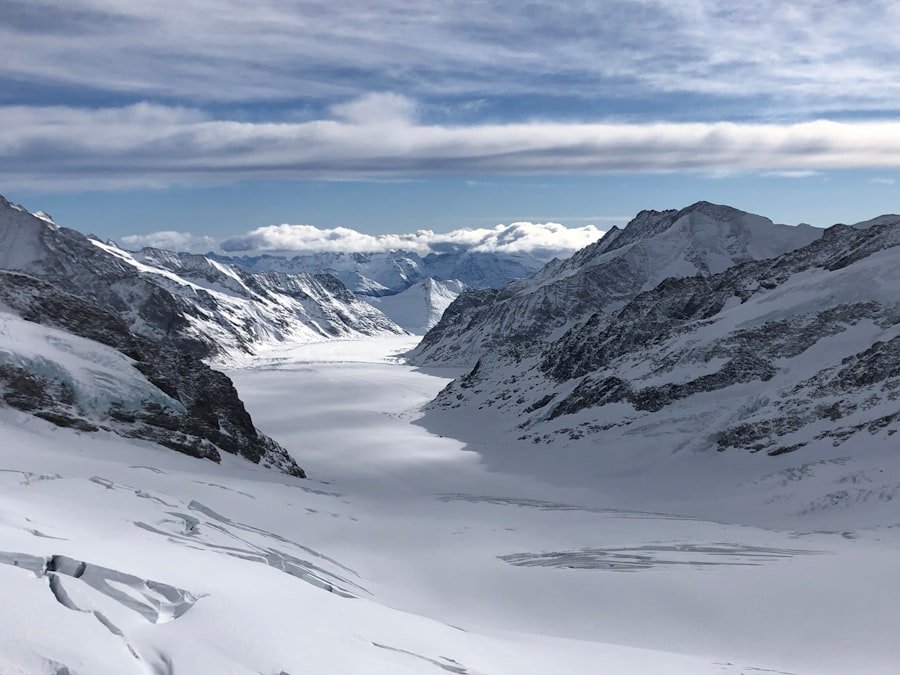
Weather deserves serious attention at Jungfraujoch. The railway station is 3,454 metres above sea level, and Jungfrau Railways advises visitors to expect the possibility of temperatures below freezing even in summer. Sunshine, cloud, wind, and snow conditions can change rapidly in the high Alps.
What to Wear
- Warm jacket or insulating mid-layer
- Layered clothing that can be added or removed
- Closed shoes with good grip
- Hat and gloves when cold conditions are expected
- Sunglasses
- High-SPF sunscreen
- Water
- A small daypack rather than bulky luggage
The high-altitude sun can feel stronger than it does in Interlaken, and snow adds glare. I would carry sunglasses and sunscreen even on a partly cloudy day.
Altitude Safety at 3,454 Metres
The rapid climb from the valleys to 3,454 metres can affect people who are not acclimatized. According to the CDC Yellow Book guidance on high-altitude travel, altitude illness can affect unacclimatized travelers well below Jungfraujoch’s elevation.
Possible symptoms include headache, unusual fatigue, dizziness, nausea, or reduced appetite. Take the day at a comfortable pace, stay hydrated, and avoid treating the high-altitude setting like a fitness challenge immediately after arrival.
Warning: If altitude symptoms become severe, worsen instead of improving, or involve serious breathing difficulty, confusion, loss of coordination, or other alarming symptoms, stop exertion and seek assistance. Descending to a lower elevation is an important response to serious altitude illness.
Travelers with significant heart or lung disease, previous severe altitude illness, pregnancy-related concerns, or other medical conditions that could be affected by rapid high-altitude exposure should seek individualized medical advice before the excursion.
How to Make the Most of Your Jungfraujoch Day Trip
Planning ahead made the difference between feeling rushed and having time to enjoy the mountain. I would reserve the whole day rather than trying to squeeze Jungfraujoch between other major attractions.
A Practical One-Day Itinerary
- Early morning: Leave Interlaken Ost and take the fast route through Grindelwald Terminal if you want to maximize time at the top.
- On arrival: Go first to the Sphinx and outdoor viewpoints if visibility is good.
- Late morning: Explore the Ice Palace, Alpine Sensation, and other indoor attractions.
- Midday: Have lunch and reassess the weather.
- Early afternoon: Add the Snow Fun Park or Mönchsjochhütte hike only if it is open, weather is suitable, and you have enough time before your reserved return journey.
- Afternoon: Finish with the shop or any attraction you skipped earlier.
- Return: Consider descending through Kleine Scheidegg and Wengen if your ticket and timetable allow a different route back to Interlaken.
Pro Tip: Check the Jungfraujoch webcam shortly before leaving Interlaken. High-level cloud can be very different from conditions beside the lakes, and clear views are easier to prioritize when you know what is happening at the top.
Do Not Over-Schedule the Summit
It is tempting to rush from the Ice Palace to the Sphinx, lunch, snow activities, and the Mönchsjochhütte trail. I found the experience more enjoyable when I left room simply to stop and look. Weather delays, queues, slippery surfaces, altitude, and meal breaks all make the visit slower than an ordinary city attraction.
Accessibility
Jungfrau Railways states that Jungfraujoch is wheelchair accessible and strongly recommends the Eiger Express route through Grindelwald Terminal for wheelchair users. The Ice Palace entrance is equipped with a wheelchair stair lift. Travelers who require assistance should review the current accessibility instructions before departure.
Why Jungfraujoch Is a Must-See Destination
My trip to Jungfraujoch combined several experiences that are difficult to reproduce in a single day elsewhere: mountain railways, high-altitude glacier views, an ice palace, the Sphinx observation area, and the chance to step into a genuine high-alpine environment without doing a mountaineering expedition.
The biggest improvement you can make to the experience is to treat it as a carefully planned mountain day rather than simply another attraction. Choose your route, reserve the required trains, watch the weather, dress for temperatures far colder than Interlaken, and respect the altitude and glacier environment. With those basics handled, there is much more time to enjoy the Eiger, Mönch, Jungfrau, and Aletsch Glacier rather than worrying about the next connection.
If you’re staying in a self-catering apartment after returning to Interlaken and prefer to prepare your own food, the site also has an optional homemade cottage cheese recipe for a simple meal or snack after the excursion.
Frequently Asked Questions
What is Jungfraujoch?
Jungfraujoch is a high mountain saddle between the Jungfrau and Mönch in the Bernese Alps. Its visitor complex includes Europe’s highest railway station at 3,454 metres, viewpoints over the Aletsch Glacier, the Ice Palace, the Sphinx observation area, restaurants, shops, and other attractions.
How far is Jungfraujoch from Interlaken?
Straight-line distance is less useful than travel time because the journey climbs through the Alps using mountain railways and the Eiger Express. The fastest current public-transport route from Interlaken Ost takes about 1 hour 30 minutes each way.
How can I get from Interlaken to Jungfraujoch for a day trip?
For the fastest route, take the train from Interlaken Ost to Grindelwald Terminal, ride the Eiger Express to Eigergletscher, and transfer to the Jungfrau Railway for Jungfraujoch. The traditional alternative travels through Lauterbrunnen or Grindelwald and Kleine Scheidegg before joining the Jungfrau Railway.
Do I need a Jungfraujoch seat reservation in 2026?
Yes during the main 2026 reservation period. Jungfrau Railways states that seat reservations are mandatory from May 1 through October 31, 2026. Check the official booking site for the current reservation fee and your required departure and return times.
What are the highlights of a day trip to Jungfraujoch?
The main highlights are the Sphinx observation area, views of the Aletsch Glacier, the Ice Palace, Alpine Sensation, the 360° cinema, and the glacier plateau. Seasonal options can include the Snow Fun Park and the high-alpine hike to Mönchsjochhütte.
What is the best time of year to visit Jungfraujoch?
Jungfraujoch is a year-round destination, so there is no single best month for everyone. Summer generally offers more opportunities for high-alpine walking and seasonal snow activities, while winter brings a colder snow-covered landscape. Visibility matters more than the calendar for the famous views, so check the forecast and webcam before departure.
How long should I spend at Jungfraujoch?
Allow at least a few hours at the top for the Sphinx, Ice Palace, glacier viewpoints, food, and indoor attractions. If you want to hike to Mönchsjochhütte or use the Snow Fun Park, reserve substantially more time and treat the entire excursion from Interlaken as a full-day trip.
Can altitude sickness happen on a Jungfraujoch day trip?
Yes. Jungfraujoch railway station is at 3,454 metres, high enough for unacclimatized visitors to develop altitude symptoms. Headache, nausea, dizziness, or unusual fatigue can occur. Take it easy, and seek assistance if symptoms become severe or continue to worsen.
Can I visit Jungfraujoch if the weather is cloudy?
Yes, but clouds can hide the long-distance views that justify much of the ticket price. The Ice Palace, Alpine Sensation, 360° cinema, restaurants, and other indoor areas still provide things to do. Check the live webcam before leaving Interlaken if the panorama is your main reason for visiting.
Sources
- Jungfrau Railways: Jungfraujoch – Top of Europe — journey time, altitude, attractions, restaurants, and visitor planning.
- Jungfrau Railways: Arriving at Jungfraujoch — route options, 2026 seat reservations, accessibility, boarding, clothing, and return planning.
- Jungfrau Railways: Mönchsjochhütte Hike — hiking time, elevation gain, fitness requirements, and trail hazards.
- Jungfrau Railways: Snow Fun Park — seasonal snow activities and 2026 operating season.
- UNESCO World Heritage Centre: Swiss Alps Jungfrau-Aletsch — World Heritage status and Aletsch Glacier information.
- CDC Yellow Book: High-Altitude Travel and Altitude Illness — altitude risk, acclimatization, symptoms, and safety guidance.