Traveling through Switzerland by train is a great way to see the country. The views are spectacular and connections are easy. Packing well helps on platforms, stairs, and busy trains.
Key takeaways
- You can bring hand luggage for free if you can carry it yourself. It must be stored safely and must not block doors, aisles, or priority areas.
- Use the space over and under your seat first. Use racks or multi-purpose areas if there is room. Keep paths clear and watch your bags.
- Dangerous items (like corrosives, explosives, infectious materials, and loaded guns) are not allowed as hand luggage.
- Bicycles and e-bikes have separate rules. You usually need a bicycle ticket. Some trains also need a bike reservation.
- If you have bulky bags, consider SBB luggage services or station storage.
Types of luggage allowed on Swiss trains
On most Swiss trains, you can bring suitcases, backpacks, and day bags. Sports gear can be okay too. It must be easy to handle and fit safely in the space available.
Bicycles are also permitted on many routes if you follow the bicycle transport rules (ticketing and, where required, reservations). For folded bikes and some small mobility devices, rules may be more flexible if they can be stored like hand luggage.
Size and weight: what matters in practice
Rules focus less on a strict bag count and more on safe, manageable luggage. Bring what you can lift yourself. Store it so it does not block exits or walkways.
If you have very bulky or heavy items, a luggage service or station storage can help. These services have their own rules, so check the details before you travel.
Products Worth Considering

【8PC Set Large Capacity】Different sizes of travel essential bag sets can store classified clothes, dirty clothes, bras, underwear, footwear, cosmetics, towels, toiletries and electronic accessories. It is a good travel companion.

8 Piece Packing Cubes: Our suitcase organizer bags set come in various sizes to accommodate all your essentials, from clothes and shoes to cosmetics and electronics. The travel bags organizer for luggage make anything organized
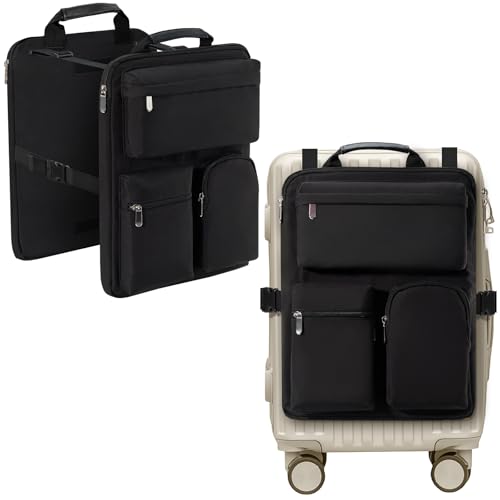
Ultimate Suitcase Organizer: Transform your travel experience with our innovative travel luggage organizer bag. Designed to slide seamlessly over your carry-on handle, this carry on organizer provides instant, hands-free access to your essentials. Perfect for frequent flyers and busy professionals who need to navigate airports with ease and efficiency.
Restrictions on hazardous or dangerous items
| Item | Rule on trains |
|---|---|
| Toxic, radioactive, or corrosive substances | Not allowed as hand luggage |
| Explosive or highly flammable items (beyond normal household use) | Not allowed as hand luggage |
| Infectious or repulsive substances | Not allowed as hand luggage |
| Loaded firearms | Not allowed as hand luggage |
If staff suspect a banned item, they can check your bag while you are there. Items that are not allowed may have to be taken off at the next stop, and a fee may apply.
Rules for storing luggage on Swiss trains
To keep the train comfortable for everyone, store bags so they do not block aisles or doors. A good order is:
- Over and under your seat (often the most secure spot for smaller bags)
- Luggage racks above seats or at the ends of carriages
- Multi-purpose areas if space is available (note: priority zones may be reserved for strollers, wheelchairs, or bicycles)
Swiss trains are generally safe, but keep valuables with you. Check your luggage now and then, especially on busy routes.
Oversized or special luggage (skis, instruments, strollers)
Skis, snowboards, and instruments are common on Swiss trains. The item must be easy to carry and store without blocking others. If you want to put luggage on a seat, you must buy extra tickets for the seats used.
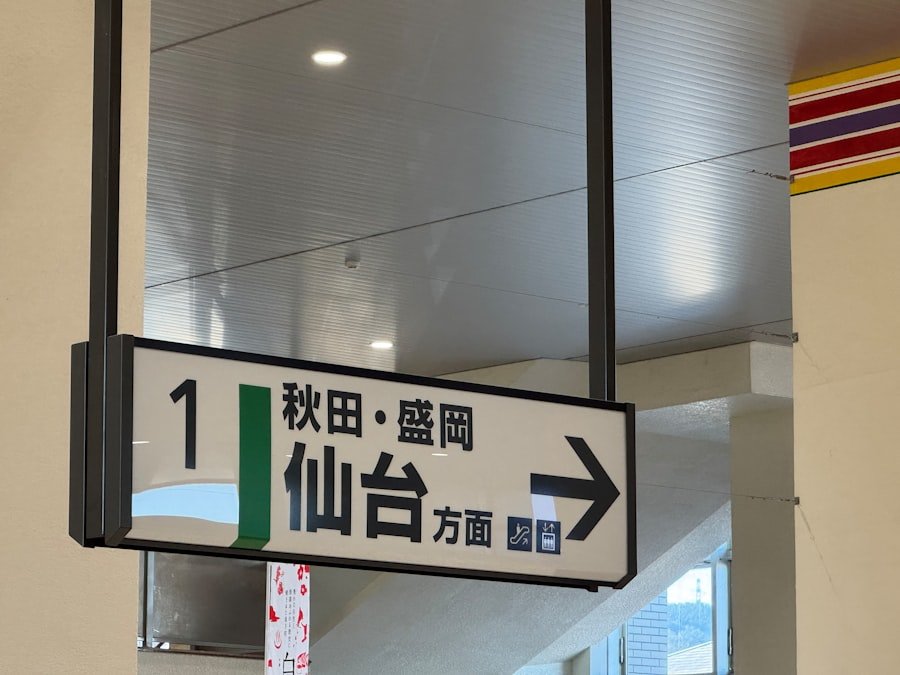
For lots of luggage or awkward gear, luggage transport or station storage is often easiest.
Tips for traveling with luggage on Swiss trains
- Pack for stairs: many platforms and underpasses have steps, even if elevators exist.
- Arrive early: you’ll have time to find the correct carriage and a good luggage spot.
- Keep essentials handy: passport, meds, chargers, and a light layer go in a small day bag.
- Label your luggage: a tag with contact info helps if something gets separated from you.
A simple habit that helped me: I stored my bigger bag first, then sat down, then checked that nothing was sticking into the aisle before the train departed.
Consequences of violating Swiss train luggage rules
If your luggage blocks doors or aisles, staff may ask you to move it right away. Under Swiss tariff rules, items that are not allowed may have to be taken off at the next stop, and a handling fee can be charged.
Most issues are avoided by packing light, storing bags well, and following staff instructions.
FAQs
How much luggage can I bring on Swiss trains?
You can take hand luggage for free if you can carry it yourself and store it safely. There is no universal “two bags only” rule.
Do Swiss trains have a strict size or weight limit for carry-on luggage?
Rules focus on safe, self-managed luggage that fits the space available. For very bulky items, consider luggage transport or station storage.
Can I take a bicycle on Swiss trains?
Often, yes. You usually need a bicycle ticket. Some services also require a bike reservation. Check your specific connection.
Where should I store my luggage on board?
Use the space over or under your seat first, then luggage racks or designated areas near the doors if available. Keep walkways and exits clear.
Are there items I must not bring as hand luggage?
Yes. Dangerous items (like corrosives, explosives, infectious materials, and loaded guns) are excluded as hand luggage.
If you want official, route-specific guidance, check SBB’s pages on taking luggage with you and carriage of bikes on the train before you travel.