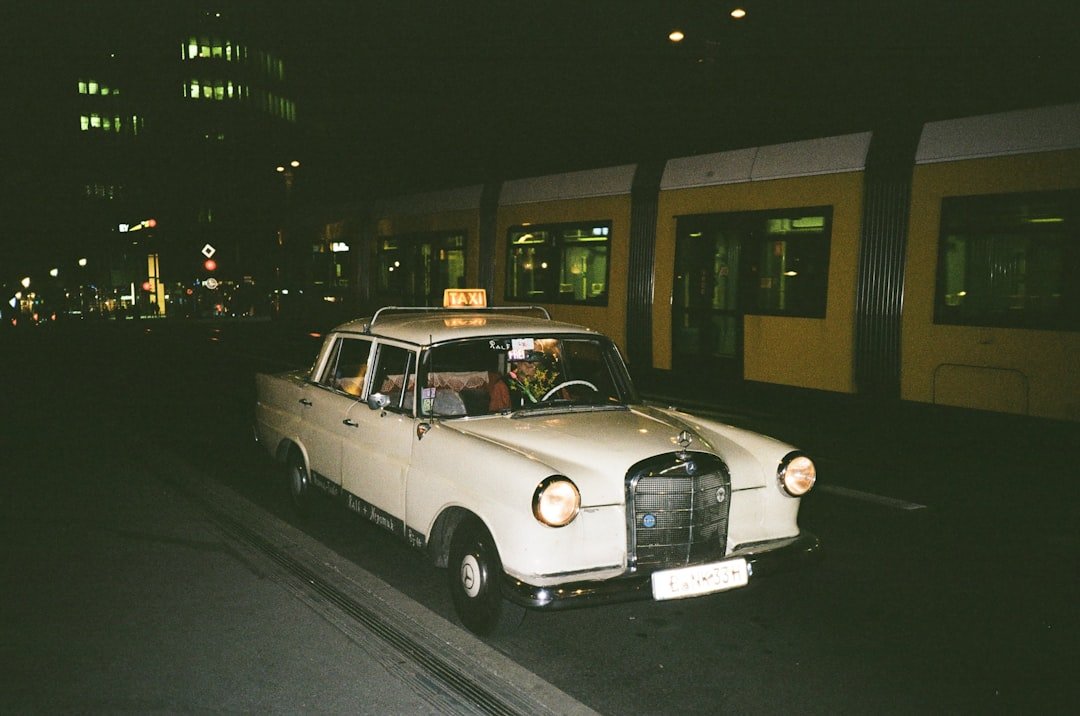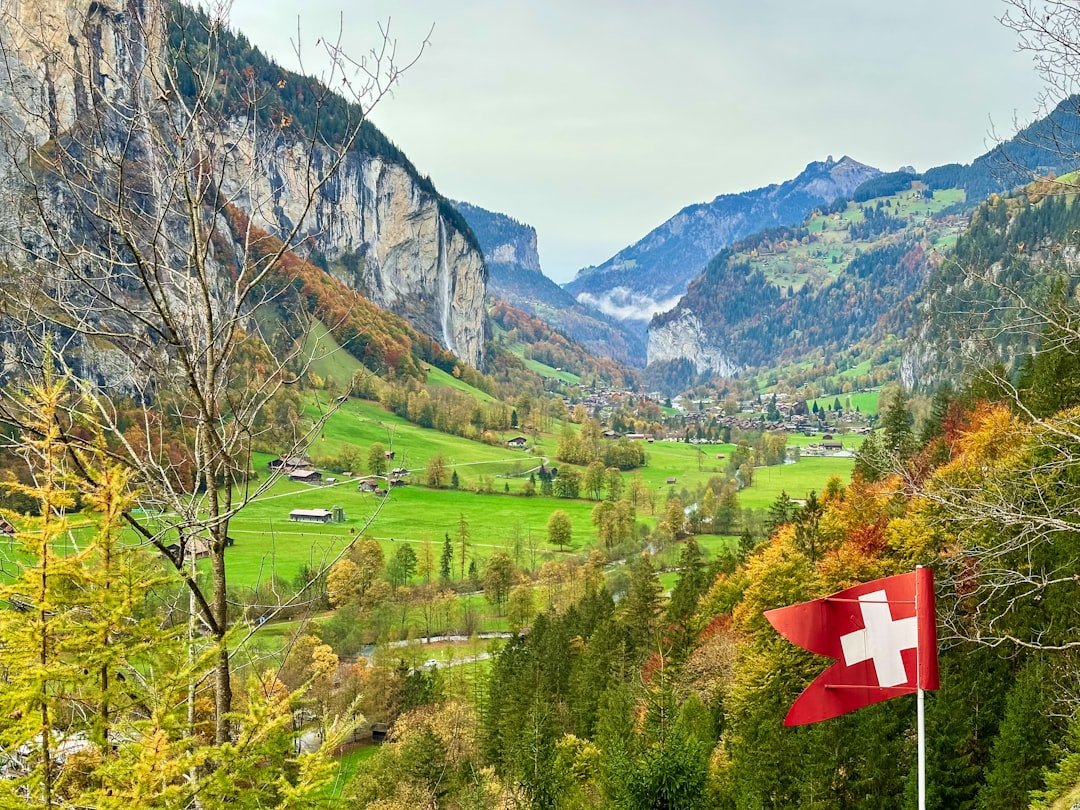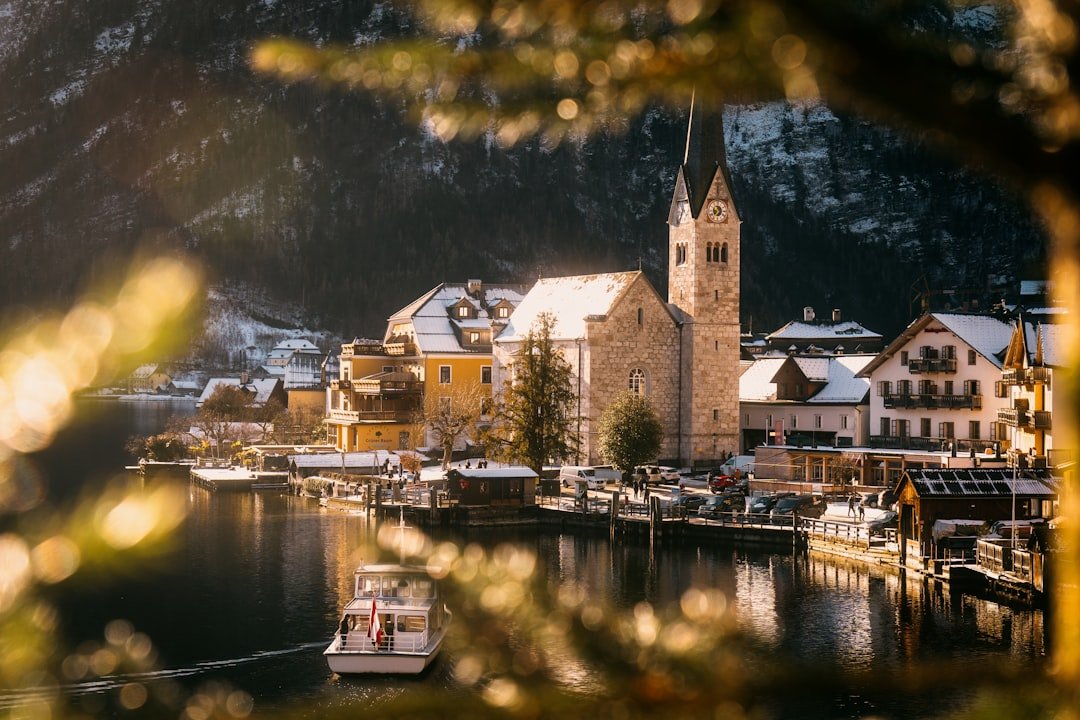
Switzerland in December combines two very different winter experiences: festive cities filled with Christmas lights and markets, and Alpine destinations where skiing, sledding, snowshoeing, and snowy mountain views take center stage. I recommend planning around altitude and travel dates rather than assuming the entire country will be covered in snow.
Quick Answer
Switzerland in December is ideal for Christmas markets, winter scenery, scenic trains, fondue, skiing, and mountain day trips. Snow is much more reliable in the Alps than in lowland cities. For 2026, many major Christmas markets finish by December 23 or 24, so visit earlier in the month for the strongest festive atmosphere.
Key Takeaways
- December weather varies greatly with altitude. Snow is far more dependable in Alpine resorts than in cities such as Zurich or Geneva.
- Zurich’s principal 2026 Christmas markets run mainly from November 19 to December 23 or 24, while Montreux Noël runs from November 20 to December 24.
- Fondue, raclette, Christmas-market food, scenic rail journeys, skiing, sledding, and maintained ice rinks are classic winter experiences.
- Do not assume Lake Zurich, Lake Geneva, or another natural lake is safe for skating. Use maintained rinks unless local authorities have officially opened natural ice.
- Check weather, snow conditions, mountain-lift status, avalanche information, and your rail timetable shortly before each winter excursion.
What Switzerland Is Like in December
December is the beginning of the main winter-travel period, but conditions are not the same everywhere. According to MeteoSwiss, Switzerland’s climate changes considerably with altitude and geography. Higher mountain regions can remain well below freezing while lower cities and valleys may experience a mixture of frost, rain, wet snow, or dry weather.
This means I would not plan a December trip around the idea that Zurich, Geneva, Lucerne, or Basel will automatically look like snow-covered postcards. Snow is much more dependable as you travel higher into the Alps. If a snowy landscape is one of your priorities, include a mountain destination and check current conditions through the Switzerland Tourism snow report before traveling.
Note: Large lowland lakes such as Lake Zurich should not be treated as routine skating locations. Maintained outdoor and indoor ice rinks are the dependable choice. Only enter natural lake ice when local authorities have specifically declared it safe and open.
Christmas Markets and Festivals
December is one of the most atmospheric times to explore Swiss cities because Advent brings market stalls, lights, seasonal food, concerts, and decorated public squares. However, timing matters. Most traditional Christmas markets are designed for the period before Christmas rather than the entire month.
For 2026, Zurich Tourism lists its main Christmas markets from November 19 through December 23 or 24, depending on the market. Zurich Main Station, Münsterhof, the Old Town, Werdmühleplatz, and Sechseläutenplatz are among the main areas to consider.
On Lake Geneva, Montreux Noël is scheduled from November 20 to December 24, 2026. Its lakeside setting, market chalets, food stalls, and seasonal attractions make Montreux a strong choice if Christmas atmosphere is the main purpose of your trip.
Pro Tip: If Christmas markets are a priority, plan your stay for the first three weeks of December. A trip from December 25 onward can still be excellent for skiing, scenery, spas, and winter rail journeys, but many Advent markets have already closed.
Swiss Cuisine and Winter Treats

Cold weather is a good excuse to explore Switzerland’s best-known comfort foods. Switzerland Tourism identifies cheese fondue and raclette as typical Swiss dishes, and both are especially well suited to winter evenings.
Fondue is melted cheese served in a communal pot with bread for dipping. Raclette is melted cheese commonly served with potatoes, gherkins, and onions. Both turn dinner into a slow, social experience rather than simply a quick meal.
For a simple December food plan, try a Christmas market for an informal snack or warm drink during the day, then reserve a fondue or raclette dinner for the evening.
Christmas markets also add roasted nuts, gingerbread-style sweets, pastries, hot chocolate, mulled wine, and other regional specialties to the experience. The exact selection varies from city to city, so browsing the food stalls is part of the fun.
Festive Decorations and Lights
Swiss city centers become particularly attractive after dark in December. Shopping streets, railway stations, old-town squares, hotels, and market areas use seasonal lighting and decorations to create much of the atmosphere that travelers associate with a Swiss Christmas.
| December Feature | What to Expect |
| Christmas Markets | Strongest before December 24; many markets close on December 23 or 24. |
| City Lights | Major shopping streets and old-town districts are usually at their most festive during Advent. |
| Snow | More reliable at higher Alpine elevations; never guaranteed in lowland cities. |
| Ice Skating | Use maintained seasonal or permanent rinks rather than assuming natural lakes are frozen. |
| Christmas Week | Expect market closures and reduced opening hours around Christmas; check each attraction and restaurant individually. |
Zurich is a good example of how lighting and markets work together. Its official 2026 Christmas program begins in November and continues through most of December, with major market areas concentrated within easy reach of the city center and main railway station.
Winter Sports and Skiing
Skiing and snowboarding are major reasons to visit Switzerland in December, but the amount of terrain open can depend on altitude, recent snowfall, snowmaking, temperature, and the individual resort. Early December can therefore require more flexibility than the heart of the winter season.
I recommend checking the resort’s live lift-and-slope report shortly before committing to a mountain day. Higher destinations generally provide better odds of winter conditions, while lower runs can be more weather-dependent.
Skiing is only one option. Maintained winter-hiking trails, sledding runs, cross-country skiing, and designated snowshoe routes can provide excellent alternatives. For example, the Jungfrau Region advertises winter hiking and sledding during the 2026/27 winter season, while Switzerland Tourism maintains current snow reports for resorts around the country.
Warning: A marked winter trail is different from untracked backcountry terrain. Before snowshoeing, ski touring, or leaving secured ski areas, check the official SLF avalanche bulletin, local weather, and route conditions. Travelers without avalanche training should stay on secured or officially marked routes.
Scenic Train Rides and Mountain Views

Scenic rail travel is one of December’s strongest options because you can enjoy Alpine landscapes without spending an entire day outside in freezing conditions. The Glacier Express between Zermatt and St. Moritz and the Bernina route through Graubünden are two of the best-known choices.
The official Glacier Express timetable confirms that a seat reservation is mandatory. December reservations for the new winter season generally become available from mid-October, so a panoramic journey should not be treated like an ordinary hop-on train.
The Rhaetian Railway also publishes date-specific Bernina Express timetables. Regional trains cover much of the same spectacular railway corridor, but the panoramic Bernina Express itself has separate reservation requirements.
Note: Switzerland’s annual railway timetable changes on the second Sunday in December. SBB recommends rechecking provisional connections shortly before departure, which is particularly important when your itinerary crosses the timetable-change date.
Getting Around Switzerland in December
For most visitors, trains, buses, trams, and mountain railways make winter travel easier than driving. You avoid parking problems, unfamiliar snowy roads, and the need to manage winter-driving conditions yourself.
The Swiss Travel Pass is available to eligible international visitors and covers extensive train, bus, boat, and urban transport travel. Some mountain excursions receive discounts rather than full coverage, and panoramic trains can still require reservations or supplements, so compare the pass with point-to-point tickets based on your actual itinerary.
If you travel during the middle of December, use the SBB timetable again shortly before departure. Weather, engineering works, and the annual timetable transition can affect individual connections.
Where to Go in Switzerland in December
The best destination depends on what you want most from the trip:
- Zurich: A convenient choice for Christmas markets, shopping, museums, restaurants, maintained ice rinks, and easy rail connections.
- Montreux: Particularly attractive before Christmas because Montreux Noël combines a large seasonal market with a Lake Geneva setting.
- Zermatt: A strong mountain choice for skiing, Matterhorn scenery, winter atmosphere, and the Glacier Express.
- Jungfrau Region: Useful for skiing, sledding, winter walking, and dramatic mountain excursions around Grindelwald, Wengen, Lauterbrunnen, and Mürren.
- St. Moritz and the Engadin: A good fit for high-Alpine winter landscapes, skiing, winter sports, and journeys on the Rhaetian Railway network.
- Basel: A city-focused option for Christmas atmosphere, museums, historic streets, and a major seasonal market.
If I wanted a balanced first trip, I would combine one city with one mountain region instead of changing hotels every night. That gives you festive evenings in town while preserving enough time for weather-dependent mountain excursions.
Cozy Accommodations and Chalets
Winter accommodation ranges from city hotels and simple guesthouses to mountain apartments, chalet-style hotels, spa properties, and luxury resorts. A fireplace and snowy balcony may look ideal, but location should come before appearance when choosing where to stay.
For a ski trip, check how easily you can reach the lifts in the morning. For a rail-based sightseeing trip, staying close to a railway station can save considerable time. If Christmas markets are your priority, a central city hotel lets you return easily after dark without depending on a late mountain connection.
December demand is uneven. Weekends, Christmas week, New Year’s Eve, famous ski resorts, and rooms close to major markets can become harder to secure. I recommend booking the parts of the trip that matter most first, then leaving weather-sensitive day trips more flexible when possible.
What to Pack for Switzerland in December
Layering is more useful than relying on one extremely heavy item because you may move between heated trains, city streets, and freezing mountain viewpoints during the same day.
- Warm waterproof or water-resistant winter jacket
- Thermal or moisture-managing base layers
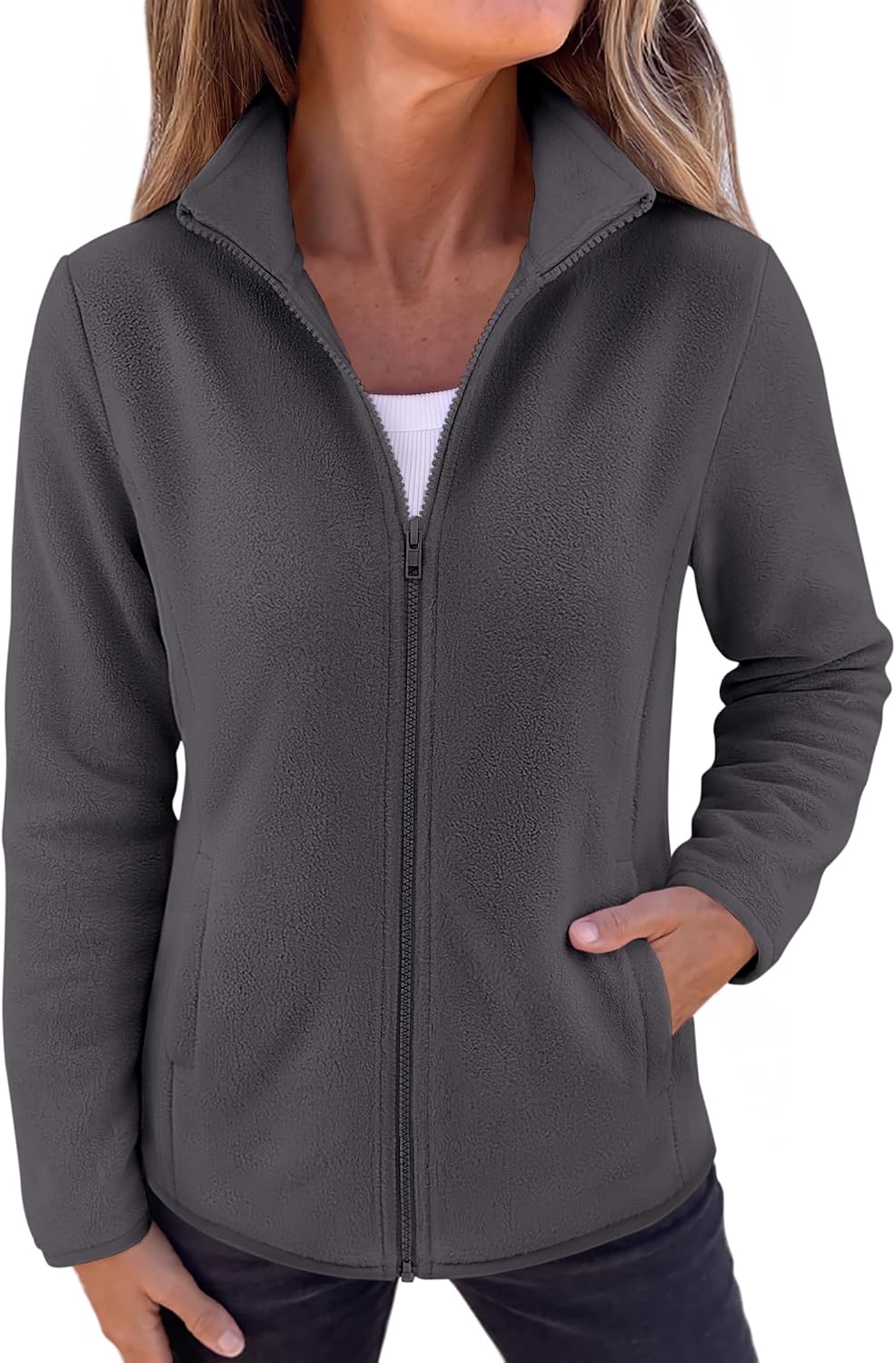
- Warm mid-layer such as fleece or wool
- Long trousers suitable for cold weather
- Water-resistant footwear with good grip
- Warm socks
- Gloves
- Winter hat
- Scarf or neck warmer
- Sunglasses for bright mountain conditions
- Sunscreen for high-altitude excursions
- Small daypack
- Portable charger
If you plan to ski or snowboard, renting specialist equipment locally can reduce the amount of luggage you need to carry. For ordinary sightseeing, good footwear deserves particular attention because wet paving, compacted snow, and icy patches can be slippery.
Traditional Swiss Culture and Customs
December’s atmosphere is not created only by snow. Advent markets, decorated town centers, seasonal foods, concerts, family events, and local gatherings are an important part of the experience. Christmas traditions also differ somewhat between Switzerland’s German-, French-, Italian-, and Romansh-speaking regions, so the trip can feel different as you move across the country.
One of the easiest ways to experience this culture respectfully is simply to slow down. Spend time in an old town after dark, eat a regional meal, browse locally made products, and check the destination’s official event calendar rather than trying to move between several attractions every hour.
For me, that balance is what makes Switzerland in December work best. You can have an active mountain day, return by train, eat fondue or raclette, and then walk through a decorated town in the evening. Just keep the itinerary flexible enough for winter weather and remember that Advent travel before December 24 feels different from the quieter period between Christmas and New Year.
Christmas and Holiday Travel Planning
If your trip includes December 24-26 or December 31, check opening hours individually for shops, restaurants, museums, mountain transport, and other attractions. Holiday schedules vary by destination and business.
Zurich, for example, lists Christmas Day and St. Stephen’s Day as public holidays in 2026 and notes special opening patterns around Christmas Eve and New Year’s Eve. Railway-station and airport businesses may operate differently from ordinary city shops.
The main lesson is simple: do not build Christmas Day around normal shopping hours, and make restaurant reservations in advance if a particular Christmas or New Year’s meal matters to you.
Frequently Asked Questions
What is the weather like in Switzerland in December?
December is cold, but there is no useful single temperature for the whole country. Lowland cities and valleys are much milder than high Alpine destinations. Expect frost and changing winter weather, and prepare for significantly colder conditions during mountain excursions.
Does it always snow in Switzerland in December?
No. Snow is common and much more reliable in higher Alpine areas, but lowland cities such as Zurich and Geneva can have rain, frost, or snow-free periods. If snow is important to your trip, include a high-altitude destination and check current snow reports.
What are the best things to do in Switzerland in December?
Popular December activities include Christmas markets, skiing, snowboarding, sledding, maintained ice skating, winter hiking, scenic train journeys, mountain excursions, museums, spas, and meals built around Swiss specialties such as fondue and raclette.
Which Christmas markets can I visit in Switzerland in December 2026?
Zurich’s principal Christmas markets are scheduled mainly from November 19 through December 23 or 24, 2026. Montreux Noël is scheduled from November 20 through December 24, 2026. Other Swiss destinations also hold markets with their own dates, so check the official destination calendar before traveling.
Are Swiss Christmas markets still open after December 25?
Many major traditional Advent markets close on December 23 or 24. Travelers visiting between Christmas and New Year should plan more around winter sports, mountain scenery, spas, restaurants, museums, and New Year’s events rather than assuming Christmas markets will still be operating.
Can I skate on Lake Zurich or Lake Geneva in December?
Do not plan on it. Complete freezing of Switzerland’s large lowland lakes is exceptional. Use a maintained ice rink unless local authorities have specifically inspected and officially opened a natural frozen surface for public use.
What should I pack for Switzerland in December?
Pack layers, a warm weather-resistant jacket, gloves, a hat, warm socks, and water-resistant shoes with good grip. Add sunglasses and sunscreen for mountain trips because snow and altitude can make sunlight feel particularly intense.
Do I need reservations for Swiss scenic trains?
It depends on the service. The Glacier Express requires both a valid ticket and a mandatory seat reservation. The panoramic Bernina Express also uses reservations, while ordinary regional trains on many Swiss routes work differently. Check the operator for your exact train and date.
Is December a good time to visit Switzerland?
Yes, if you enjoy winter scenery, Christmas atmosphere, mountain activities, scenic trains, and cold-weather food. Visit before December 24 for the widest choice of Christmas markets. For skiing and snow, prioritize higher-altitude destinations and keep plans flexible around current conditions.
Sources
- MeteoSwiss: The Climate of Switzerland — supports regional and altitude-related differences in Swiss winter weather.
- MeteoSwiss: Frozen Lakes — supports guidance about natural lake freezing and ice safety expectations.
- Zurich Tourism: Christmas Markets — supports verified 2026 Zurich Christmas-market dates and locations.
- Montreux Noël — supports the November 20 to December 24, 2026 market dates.
- SBB: Timetable Information — supports the annual mid-December timetable change and timetable-checking advice.
- WSL Institute for Snow and Avalanche Research SLF — provides official avalanche and snow-situation information for winter mountain travel.