
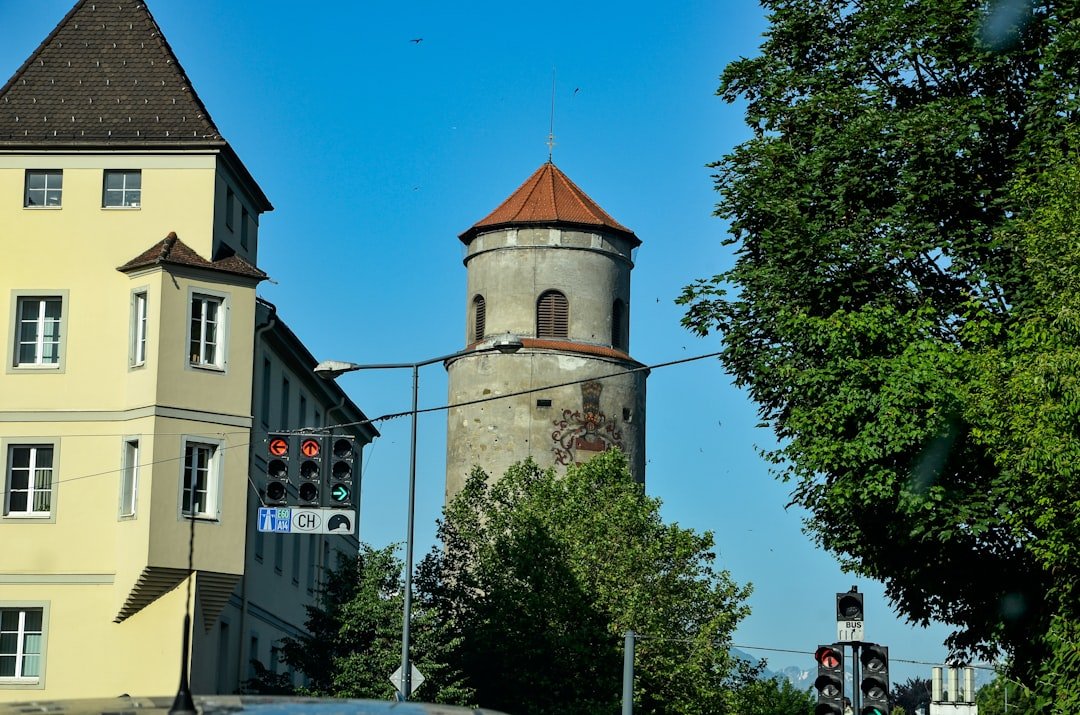
Reaching Gornergrat is one of the classic experiences in Zermatt: a scenic cogwheel railway ride from the car-free village up to a high alpine ridge with wide-open views of the Matterhorn, glaciers, and some of the highest peaks in the Alps. This guide covers how to get there, what to do at the top, when to visit, and how to plan a smooth day trip.
Quick Answer
To visit Gornergrat, travel to car-free Zermatt, walk or take an electric taxi to the Gornergrat Railway station opposite the main railway station, then ride the cogwheel train to Gornergrat in about 33 minutes. At the top, enjoy Matterhorn views, hiking, restaurants, winter activities, and the viewing platform.
Key Takeaways
- Gornergrat is reached by the Gornergrat Bahn, a cogwheel railway from Zermatt to 3,089 metres above sea level.
- The train ride takes about 33 minutes and stops at Findelbach, Riffelalp, Riffelberg, and Rotenboden before the summit station.
- Top highlights include the Matterhorn view, Gorner Glacier, Riffelsee, hiking trails, restaurants, and the viewing platform.
- Weather changes quickly at high altitude, so check the official timetable, live conditions, and webcams before going.
- Summer is best for hiking and lake reflections; winter is best for snowy views, skiing, sledging, winter hiking, and snowshoeing.
At a Glance
| Time Required | Half day for the railway and viewpoint; full day if hiking or stopping at Riffelsee/Riffelberg |
| Difficulty | Easy if using the train and viewpoint; moderate for longer downhill hikes |
| Tools Needed | Train ticket, layered clothing, sunglasses, sunscreen, water, sturdy shoes, camera or phone |
| Cost | Varies by season, route, age, and travel card; check the official Gornergrat Bahn booking page before travel |
Getting to Gornergrat from Zermatt
The journey usually starts in Zermatt, the famous car-free mountain village below the Matterhorn. If you arrive by train, you can travel directly to Zermatt station. If you arrive by car, private vehicles are generally allowed only as far as Täsch, where you transfer to the shuttle train, a licensed taxi, or another approved transfer into Zermatt. For current arrival rules, use the official Zermatt arrival guide.
Once in Zermatt, the Gornergrat Railway valley station is directly opposite the main railway station, making the transfer simple. Many visitors can walk there in a few minutes. If you have luggage, limited mobility, or tired children, Zermatt’s electric taxis are the easiest local option.
Note: Zermatt is car-free, and driving into the village without authorisation can lead to fines. Plan to arrive by train or park in Täsch and transfer from there.
The Gornergrat Railway: The Scenic Ride to the Top
The Gornergrat Bahn is a cogwheel railway that climbs from Zermatt to Gornergrat in about 33 minutes. The route gains more than 1,500 metres of elevation and reaches the mountain station at 3,089 metres, often rounded to 3,100 metres.
The train passes four intermediate stations: Findelbach, Riffelalp, Riffelberg, and Rotenboden. Depending on your ticket and route, these stops make it easy to combine the summit view with a shorter walk, a restaurant break, or a hike down part of the mountain instead of riding both ways.
During the ride, large windows frame views of forests, alpine meadows, rocky slopes, the Matterhorn, and glaciers. At the top, the viewing platform gives a wide panorama that can include up to 29 four-thousand-metre peaks and several glaciers on clear days.
Pro Tip: Sit on the right side of the train when going uphill from Zermatt for some of the best Matterhorn views, then allow time at Rotenboden if you want the classic Riffelsee reflection photo.
Tickets, Timetables, and Planning Tips
Gornergrat Railway service changes by season, and prices vary depending on date, route, pass discounts, and age. Before you go, check the official Gornergrat timetable and ticket page rather than relying on a fixed schedule copied from an old article.
For 2026 planning, the official timetable lists frequent summer service from 20 April to 1 November 2026 and also notes a service suspension from 2 to 14 November 2026 because of construction work. Seasonal details can change, so always confirm your travel date before booking.
Common discount categories may include children, Swiss travel cards, the Swiss Travel Pass, and related family cards, but conditions can differ by season and ticket type. If you plan to hike and reboard at intermediate stations, read the ticket rules carefully so you know where you can get off and back on.
Exploring Gornergrat: Viewpoints, Hiking Trails, and Easy Stops
Gornergrat is not only a viewpoint. It is a base for short walks, downhill hikes, photo stops, dining, and high-alpine sightseeing. On a clear day, the viewing platform is the first place to go: you can see the Matterhorn, the Monte Rosa massif, the Gorner Glacier, and a ring of major Alpine peaks.
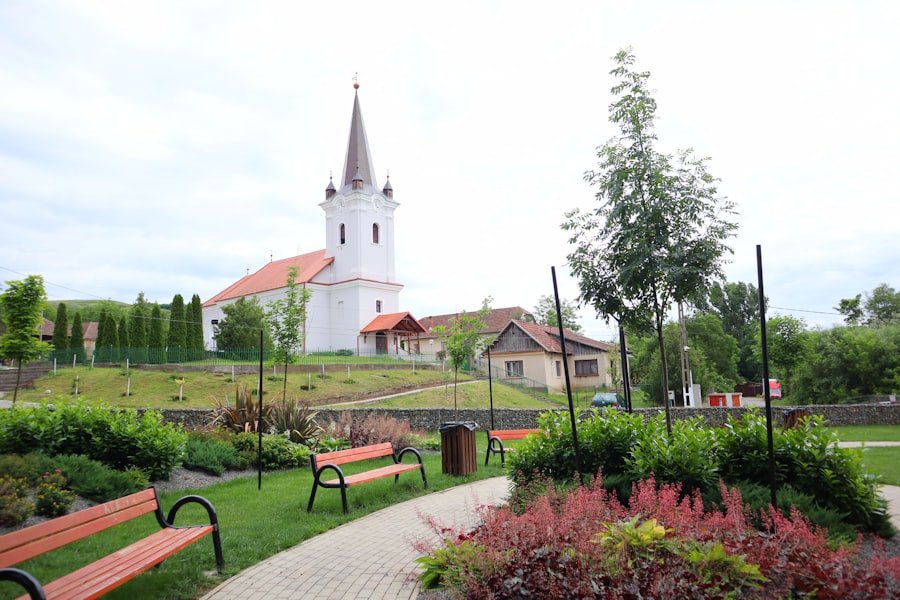
For an easy add-on, ride or walk down to Rotenboden and continue to Riffelsee, the small alpine lake famous for reflecting the Matterhorn when the water is calm. The best chance for reflections is usually early in the day, before wind ripples the surface.
If you want more than a quick viewpoint stop, consider one of the marked routes between Gornergrat, Rotenboden, and Riffelberg. The Matterhorn View Trail and other signed paths provide big views without requiring a technical mountain climb. More experienced hikers can choose longer routes, but weather, snow, and trail conditions should guide your plan.
Warning: Gornergrat is a high-altitude area. Stay on marked trails, turn back in poor visibility, and do not attempt glacier crossings or mountaineering routes without proper equipment and a qualified guide.
Wildlife and Alpine Nature at Gornergrat
The Gornergrat area is home to alpine wildlife and hardy mountain plants. You may see marmots, chamois, ibex, alpine choughs, or the famous Valais Blacknose sheep in the warmer months, but sightings are never guaranteed. Bring binoculars if wildlife watching is important to you, and keep a respectful distance from all animals.
Near Rotenboden, the Alpine Garden introduces visitors to rare high-altitude plants that have adapted to cold, wind, thin soils, and a short growing season. It is also a good reminder to avoid trampling vegetation around popular photo spots such as Riffelsee.
Note: Alpine plants grow slowly and recover poorly from damage. Stay on paths, avoid stepping onto fragile lakeside vegetation, and do not feed wildlife.
The Matterhorn: The Iconic View from Gornergrat
The Matterhorn is the visual centrepiece of many Gornergrat visits. Its pyramid-like shape rises to 4,478 metres and is one of Switzerland’s most recognisable landmarks. From Gornergrat, you get a broad, unobstructed view of the mountain, especially dramatic at sunrise, sunset, or after fresh snow.
The mountain also has a major place in mountaineering history. The first ascent took place on 14 July 1865, and the descent ended tragically when four of the seven climbers died. Today, climbing the Matterhorn remains a serious alpine undertaking for experienced mountaineers with guides, not a casual hike from Gornergrat. Sightseeing from the railway and viewpoints is the safer and more accessible way for most visitors to experience it.
On a clear day, Gornergrat offers one of the easiest high-altitude Matterhorn viewpoints in Switzerland: no technical hiking is required if you ride the train to the top.
Dining, Facilities, and Relaxing at the Top
After exploring the viewing platform, you can stop for food and a warm drink at the restaurants around the Gornergrat station and 3100 Kulmhotel Gornergrat. Dining here is part of the experience because the windows and terraces open toward the surrounding peaks.
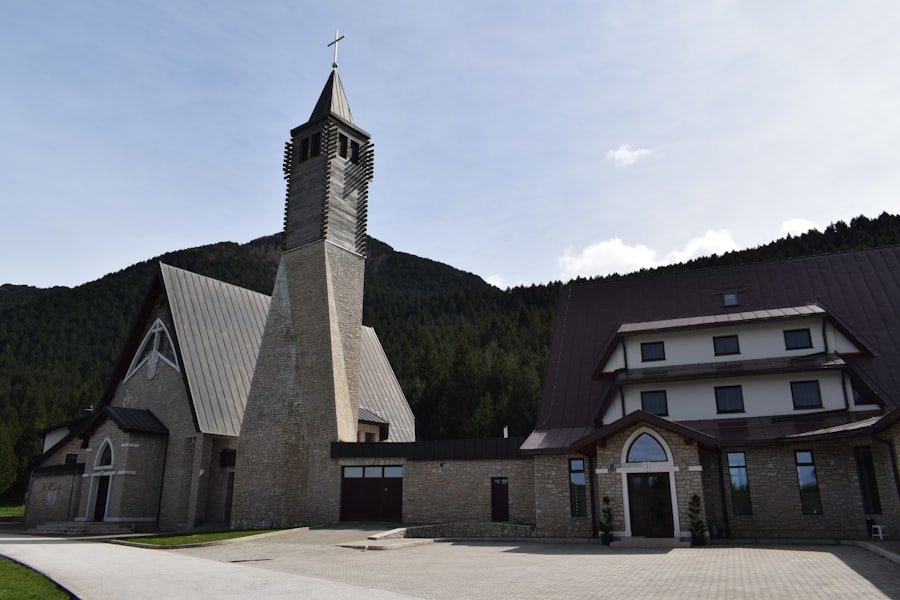
Food options can include regional Swiss dishes, quick meals, snacks, and seasonal offers. If you prefer a budget-friendly visit, bring your own water and picnic snacks, but be sure to pack out all rubbish and respect signed picnic areas.
Facilities at Gornergrat station include toilets, a waiting room, ticket services, Wi-Fi, baggage services, wheelchair-accessible toilets, level platform access, and assistance options. These details make the viewpoint more accessible than many high-mountain destinations, but visitors with specific mobility needs should still check current conditions before travelling.
Winter Activities: Skiing, Sledging, Snowshoeing, and Winter Hiking
Gornergrat is a year-round destination. In winter, the area becomes part of Zermatt’s snowy mountain world, with access to ski slopes, winter hiking paths, sledging, restaurants, and marked snowshoe routes. The scenery is especially striking after fresh snow, when the Matterhorn and surrounding ridges stand out against the white landscape.
Snowshoe routes are marked and checked by safety teams, but they still require proper winter footwear, warm clothing, and attention to weather. If you are new to snowshoeing or unsure about conditions, choose a guided option or stay on prepared winter walking paths.
Best Time to Visit Gornergrat
The best time to visit Gornergrat depends on what you want to do. For hiking, lake reflections, and wildflowers, summer into early autumn is usually the most flexible period. June can still have snow on higher trails in some years, while July, August, and September often offer the widest range of hiking options.
For photography, early morning and late afternoon usually bring softer light and fewer crowds. Sunrise trips can be memorable when offered, especially around Riffelsee and the summit area. For winter scenery, skiing, sledging, and snowshoeing, visit during the snow season and check lift, weather, and avalanche-related information before heading up.
Clouds can hide the Matterhorn completely, even when the village feels pleasant. If your schedule is flexible, choose the clearest forecast window rather than locking yourself into a cloudy day.
A Simple Half-Day Gornergrat Itinerary
- Arrive in Zermatt: Travel by train, or park in Täsch and transfer into car-free Zermatt.
- Board the Gornergrat Railway: Start at the station opposite Zermatt’s main railway station.
- Ride to Gornergrat: Enjoy the 33-minute climb and stay alert for Matterhorn views.
- Visit the viewing platform: Take in the panorama, glaciers, and 4,000-metre peaks.
- Stop at Rotenboden or Riffelsee: Add a short walk for the classic Matterhorn reflection if trail conditions allow.
- Eat or return: Have a meal at the top or descend to Zermatt for lunch or dinner.
Practical Tips: What to Bring and How to Make the Most of Your Visit
Dress in layers even in summer. At more than 3,000 metres, Gornergrat can feel much colder and windier than Zermatt. Bring sunglasses, sunscreen, a refillable water bottle, and shoes with good grip if you plan to walk beyond the station area.
Check the official timetable, weather, webcams, and trail status before you leave your hotel. If the Matterhorn is hidden by clouds, you may still enjoy the train ride and restaurants, but the main panorama will be limited. In winter, use prepared paths unless you have the right equipment and local knowledge.
If you are travelling with children, older visitors, or anyone sensitive to altitude, take your time at the top. Move slowly, drink water, and descend if anyone feels dizzy, unusually short of breath, or unwell.
Frequently Asked Questions
What is Gornergrat?
Gornergrat is a high alpine ridge above Zermatt in Switzerland. Its mountain station sits at 3,089 metres and is famous for panoramic views of the Matterhorn, Gorner Glacier, Monte Rosa, and surrounding 4,000-metre peaks.
How do I get to Gornergrat?
Travel to Zermatt first, then take the Gornergrat Railway from the station opposite Zermatt’s main railway station. The ride to Gornergrat takes about 33 minutes and passes several intermediate stops.
What can I do at Gornergrat?
You can enjoy the viewing platform, photograph the Matterhorn, visit restaurants, explore the ZOOOM the Matterhorn experience, hike toward Rotenboden or Riffelberg, stop at Riffelsee, watch for wildlife, and enjoy winter activities such as skiing, sledging, snowshoeing, and winter hiking.
What is the best time to visit Gornergrat?
Visit in summer or early autumn for hiking, Riffelsee reflections, and longer daylight. Visit in winter for snow views, skiing, sledging, and snowshoeing. For the best Matterhorn visibility, choose a clear morning or late afternoon and check webcams before going.
Are there accommodations at Gornergrat?
Most visitors stay in Zermatt and visit Gornergrat as a day trip, but the 3100 Kulmhotel Gornergrat offers accommodation at the top. Availability and seasonal opening can vary, so check directly before planning an overnight stay.
Is Gornergrat worth visiting if I do not hike?
Yes. The railway takes you directly to the high viewpoint, so you can enjoy the Matterhorn panorama, restaurants, station facilities, and viewing platform without doing a long hike.
Can I visit Gornergrat with children?
Yes, Gornergrat is family-friendly if you plan around the weather and altitude. The train ride is easy, but bring warm layers, snacks, sun protection, and water. Choose short walks rather than long hikes if children are tired or conditions are poor.
Sources
- Gornergrat Bahn ticket information — journey time, elevation gain, intermediate stations, and ticket-planning context.
- Gornergrat Bahn timetable — seasonal operating schedule and 2026 service notes.
- Zermatt Tourism arrival guide — car-free Zermatt access, Täsch transfer, and local transport information.
- Gornergrat mountain station — elevation, viewing platform, station facilities, and restaurant/accommodation details.
- Zermatt Tourism Matterhorn page — Matterhorn height, history, and first ascent information.
- Gornergrat winter activities — winter hiking, snowshoeing, skiing, sledging, and seasonal activity context.

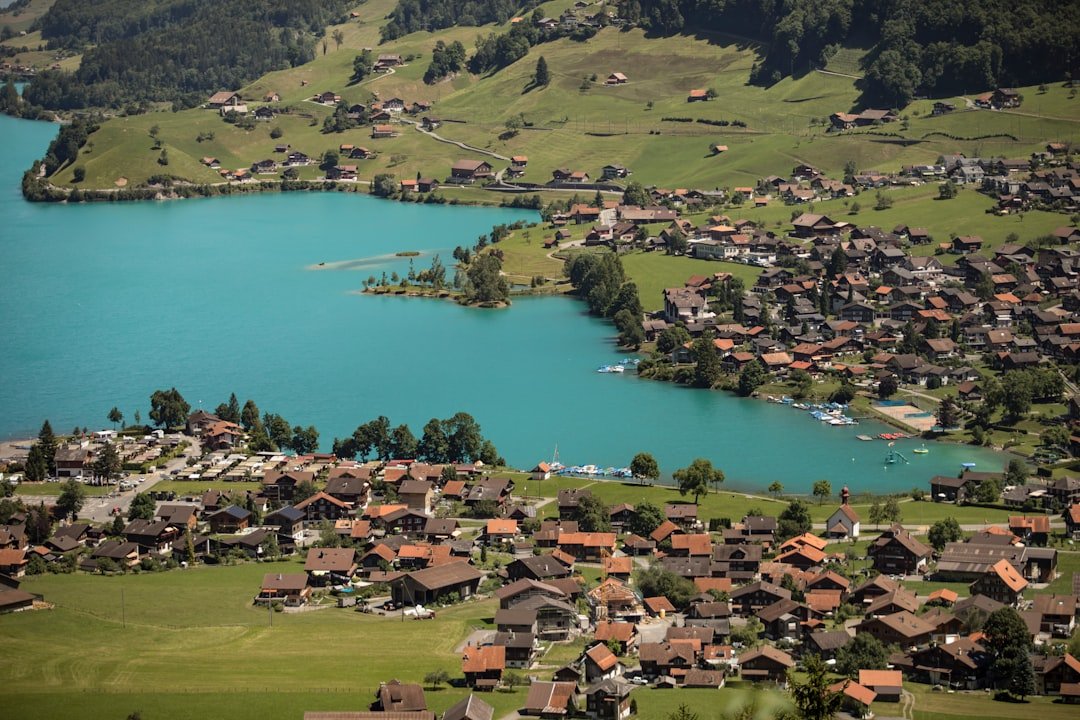

[…] For more detailed mountain planning, see our guide to visiting Gornergrat. […]