Switzerland in January combines peak winter scenery in the Alps with quieter city breaks, skiing, snowboarding, sledding, winter walking, warming Swiss food, and several major seasonal events. Conditions vary greatly with elevation, so a snowy mountain resort and a lowland city can feel like two completely different trips on the same day. Planning around altitude, weather, transport, and daylight makes the biggest difference.
Quick Answer
January is one of the best months to visit Switzerland for skiing, snowy Alpine scenery, winter hiking, sledding, and cozy mountain villages. Expect cold and highly variable weather, with more reliable snow at higher elevations than in lowland cities. Book popular ski resorts early and check weather, lift, trail, and avalanche conditions before mountain activities.
Key Takeaways
- January is generally one of Switzerland’s coldest months, but temperatures and snow conditions vary sharply with elevation and region.
- Higher Alpine destinations such as Zermatt, the Jungfrau Region, Verbier, and the Engadin are better choices when snow is a priority.
- Major January events include the International Lauberhorn Races in Wengen and the International Balloon Festival in Château-d’Oex.
- Most traditional Christmas markets finish before January, although winter lights, seasonal dining, and other cold-weather attractions can continue.
- Snowshoeing and winter hiking should be done on open marked routes unless you have the knowledge and equipment required for avalanche terrain.
- Switzerland’s rail network makes a car unnecessary for many January itineraries, including trips to major mountain destinations.
What Is Switzerland Like in January?
January sits in the middle of the Swiss winter. According to MeteoSwiss, January is generally the coldest month at most measurement sites. That does not mean there is one useful national temperature, however. Switzerland’s elevation changes and Alpine geography create large differences over short distances.
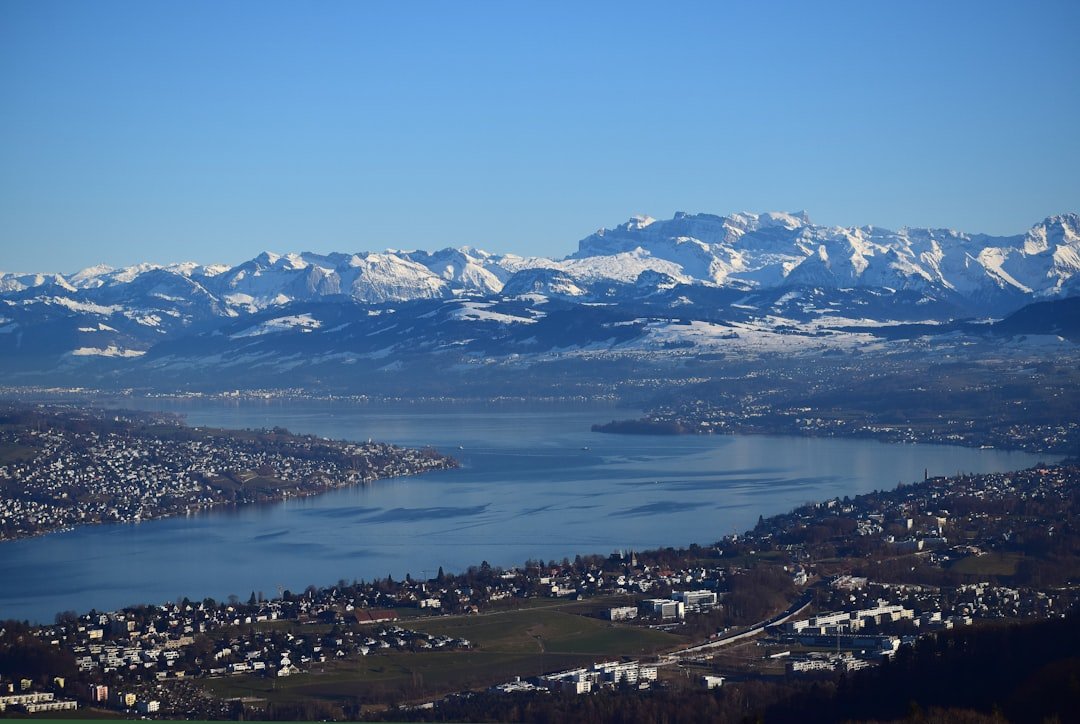
Lowland cities such as Zurich, Basel, Geneva, Lausanne, and Bern can experience freezing nights, cold rain, fog, frost, or occasional snow. A white cityscape is possible, but continuous snow cover should not be assumed. Higher resorts are colder and usually provide a much more dependable winter setting.
| Area | Typical January Experience |
| Lowland cities | Cold, variable weather with frost, rain, fog, or intermittent snow. Permanent snow cover is not guaranteed. |
| Alpine valleys and villages | Colder conditions with a better chance of settled snow, especially in higher or colder valleys. |
| High mountain resorts | The strongest choice for skiing and a classic snowy Alpine setting, although storms, wind, and lift closures remain possible. |
Winter days are also shorter than in spring or summer, so outdoor sightseeing works best when you avoid overloading the itinerary. Leave extra time for weather changes, mountain transport, and early darkness.
Note: Snow in a Swiss city is never a guarantee simply because you visit in January. If a snow-covered landscape is central to your trip, stay at a higher Alpine destination and check current snow reports shortly before you travel.
Festivals and Events in January
January has several excellent winter events, but dates change from year to year. For the next January season currently published, two of the most notable events are in Wengen and Château-d’Oex.
International Lauberhorn Races in Wengen
The International Lauberhorn Races bring elite Alpine ski racing to Wengen in the Bernese Oberland. The published 2027 schedule runs from January 15 to 17, with super-G, downhill, and slalom events. Race programs can change, so spectators should verify the official timetable before making fixed travel arrangements.
International Balloon Festival in Château-d’Oex
The International Balloon Festival of Château-d’Oex is scheduled for January 23 to 31, 2027. Hot-air balloons from different countries fill the Alpine sky when weather permits, and the program normally includes balloon flights, competitions, and festival activities.
The Fête de l’Escalade in Geneva should not be treated as a January event. Geneva celebrates that historic tradition around December 12. Likewise, the International Circus Festival in Monte Carlo takes place in Monaco, so it is not a Swiss event and is not necessary for a Switzerland-in-January itinerary.
Pro Tip: If an event is a major reason for your trip, confirm the organizer’s current-year dates before booking non-refundable accommodation. Mountain weather can also alter outdoor programs.
Skiing and Snowboarding in the Swiss Alps
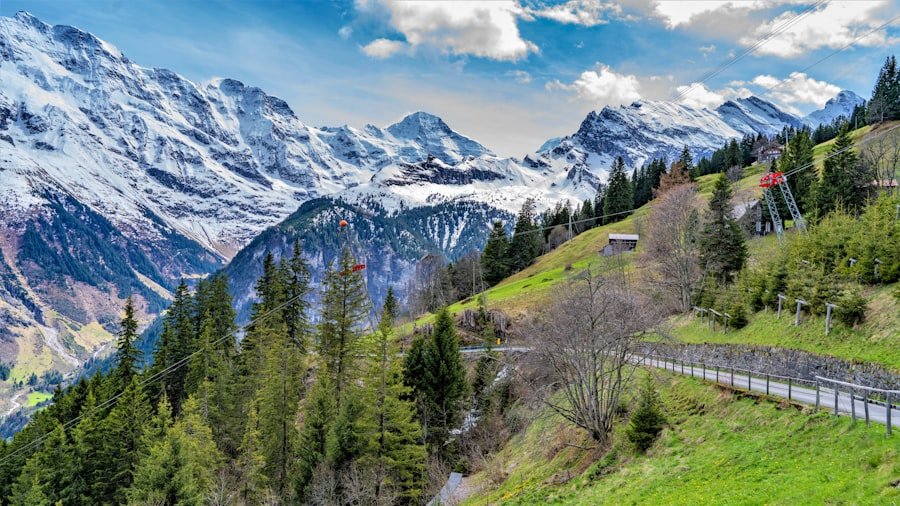
January is prime winter-sports season in many parts of the Swiss Alps. Well-known destinations include Zermatt, Verbier, St. Moritz and the Engadin, Davos-Klosters, and the Jungfrau Region around Grindelwald, Wengen, and Mürren. The best resort depends on your skiing level, accommodation budget, desired atmosphere, and how important high-elevation terrain is to you.
Beginners should look for resorts with dedicated learning areas and easy access to ski schools. Intermediate and advanced skiers have a much wider choice of terrain, but piste difficulty and operating conditions still vary by resort.
Never assume that every lift or piste will operate because it is January. Wind, snowfall, visibility, avalanche-control work, and maintenance can affect mountain transport. Check the resort’s live lift and piste report each morning.
Après-ski is another part of the Swiss winter experience. Mountain restaurants and village venues provide places to warm up over food and drinks after a day outside. If skiing is not your priority, the same resort areas often offer sledding, winter walking, spas, scenic railways, cable cars, or pedestrian viewpoints.
Winter Hiking and Snowshoeing
Winter hiking and snowshoeing provide a slower way to enjoy Switzerland’s snow-covered landscapes. Switzerland Tourism lists marked winter-hiking and snowshoe routes throughout the country, ranging from short beginner-friendly outings to longer mountain tours.
Examples of genuine Swiss routes include the following. Distances and operating conditions should always be checked before departure because snow and trail status can change.
| Route | Area | Distance | Approx. Duration |
| Chemin de Frience-Solalex-Cergnement | Gryon, Vaud | 7 km | 2 hr 20 min |
| Chemin des Rasses | Sainte-Croix Les Rasses, Vaud | 4 km | 1 hr 15 min |
| Chemin La Givrine-Le Vermeilley | St-Cergue, Vaud | 9 km | 2 hr 55 min |
You can find additional routes through Switzerland Tourism’s winter hiking and snowshoe directory.
Warning: A marked winter walk and a backcountry snowshoe tour are not the same activity. Snowshoe hikers can enter avalanche terrain once they leave secured or maintained routes. Before any backcountry outing, check the official SLF avalanche bulletin and use appropriate training, equipment, and local expertise.
Good winter footwear is essential even on maintained paths. Packed snow can become slippery, temperatures can fall quickly after sunset, and mountain weather may change faster than city weather.
Swiss Christmas Markets and Winter Atmosphere in January
January can still feel festive, but most traditional Swiss Christmas markets should not be expected to remain open. For example, Zurich’s major 2026 Christmas markets are scheduled mainly from November 19 to December 23, while Basel’s Christmas market runs from November 26 to December 23.
That does not mean the winter atmosphere disappears after Christmas. Some cities keep seasonal lighting into the first days of January, and individual winter pop-ups, fondue venues, ice rinks, illuminated walks, and mountain events may continue later. Offerings vary each year, so check the destination’s current event calendar rather than building a January itinerary around Christmas markets.
If you want a classic market trip with rows of wooden stalls, Advent decorations, and dedicated Christmas programming, December is usually the better month. January is stronger for snow sports, winter scenery, quieter urban sightseeing, and midwinter events.
Swiss Cuisine and Winter Comfort Foods
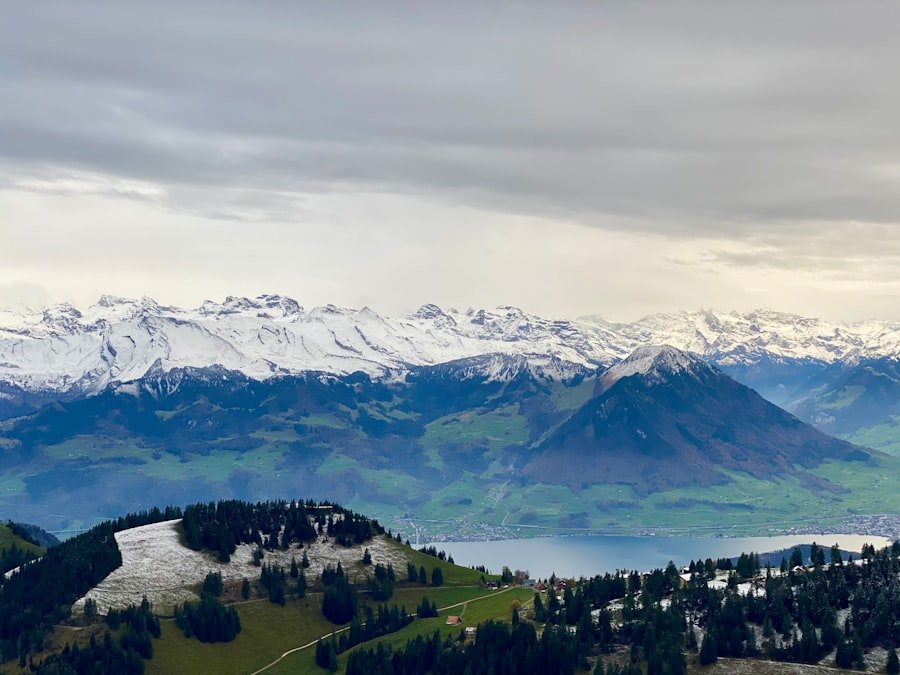
Cold weather is an excellent excuse to explore Switzerland’s hearty regional food. Cheese fondue remains one of the best-known choices: melted cheese is served communally and eaten with pieces of bread. Raclette is another winter favorite, with melted cheese commonly served with potatoes, pickles, and other accompaniments.
You may also encounter rösti, regional sausages, soups, stews, Älplermagronen, and other filling dishes suited to a cold day outdoors. Mountain restaurants can be part of the experience, but opening hours often follow lift operations and local winter schedules.
For reliable information about regional specialties and places serving traditional dishes, see Switzerland Tourism’s food and drink guide. Swiss cuisine is much more relevant to a January itinerary than unrelated food topics such as Asian melon, which do not provide useful Switzerland travel-planning information.
Winter Wildlife and Nature in Switzerland
Switzerland’s mountains remain home to wildlife throughout winter, but responsible observation matters. Native Alpine animals include chamois and ibex, while birds such as bearded vultures may also be seen in appropriate regions. Sightings are never guaranteed, and winter is a stressful season for wildlife because food is limited and conserving energy is critical.
Keep your distance from animals, remain on designated routes, obey wildlife-protection zones, and do not follow tracks simply to get closer to an animal.
The Swiss National Park should not be described as a regular January hiking destination. The Swiss National Park is closed in winter, although the main Ofenpass road through the region remains open. Plan winter nature outings in areas that are officially accessible instead.
Best Places to Visit in Switzerland in January
Zermatt
Zermatt is a strong option when you want high mountains, skiing, winter walking, and views toward the Matterhorn. Because the village itself is car-free, trains are an especially convenient way to arrive.
Jungfrau Region
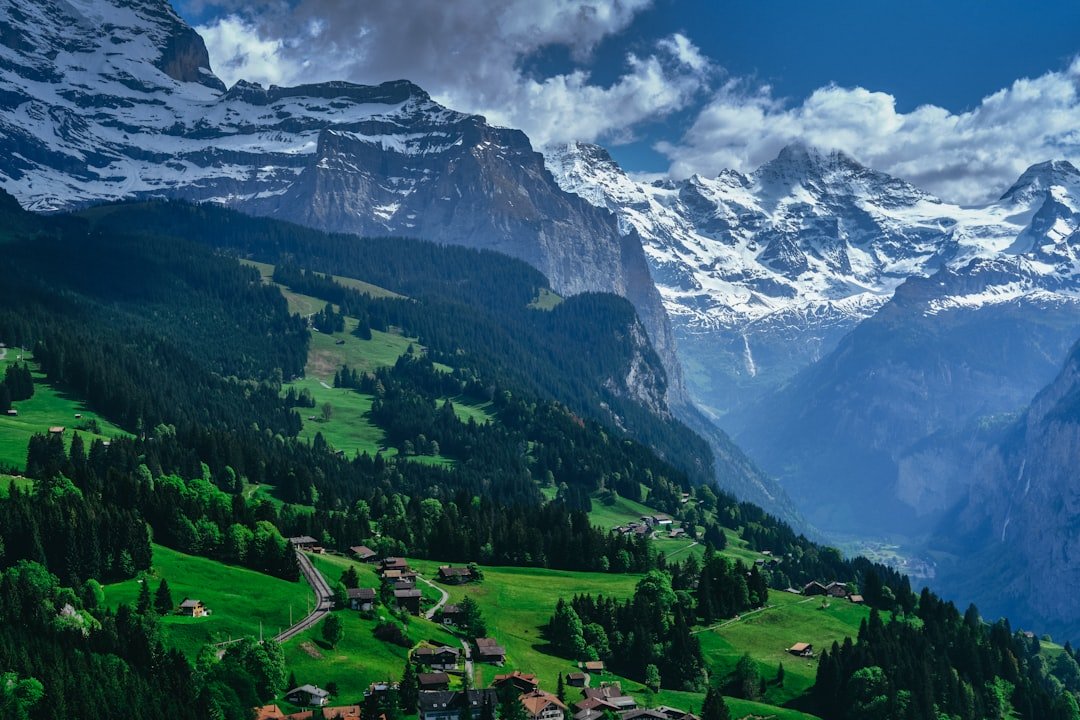
Grindelwald, Wengen, and Mürren combine dramatic Bernese Oberland scenery with skiing, sledding, winter walks, and mountain transport. Wengen is particularly busy around the Lauberhorn race weekend.
St. Moritz and the Engadin
The Engadin combines winter sports with broad Alpine scenery, cross-country skiing, polished resort facilities, and access to several villages. It works well for travelers who want more than downhill skiing alone.
Verbier and Valais
Verbier is best known for winter sports and an energetic resort atmosphere. Elsewhere in Valais, destinations such as Zermatt and other high valleys provide additional choices for snow-focused trips.
Lucerne
Lucerne is useful if you prefer a city-and-mountains combination. You can explore the old town and lakefront while keeping mountain excursions as day-trip options, subject to weather and transport status.
Zurich, Basel, Bern, and Geneva
Swiss cities work well for museums, historic districts, restaurants, shopping, and indoor attractions when mountain weather is poor. They are less suitable if guaranteed snow outside your hotel is the main goal.
Things to Do in January Without Skiing
You do not need to ski to enjoy Switzerland in January. Depending on the destination and conditions, alternatives can include marked winter walks, snowshoeing, sledding, ice skating at maintained rinks, scenic rail travel, cable-car viewpoints, museums, spas, food experiences, and photography.
Mountain railways are particularly useful for mixed groups in which some travelers ski and others do not. Before buying an excursion ticket, check whether pedestrian access is operating and whether the viewpoint, restaurant, or walking route you want is actually open.
Never walk or skate onto a frozen natural lake simply because the surface looks solid. Use only areas that local authorities have officially opened for the activity.
Tips for Traveling to Switzerland in January
Use Layers Rather Than One Heavy Garment
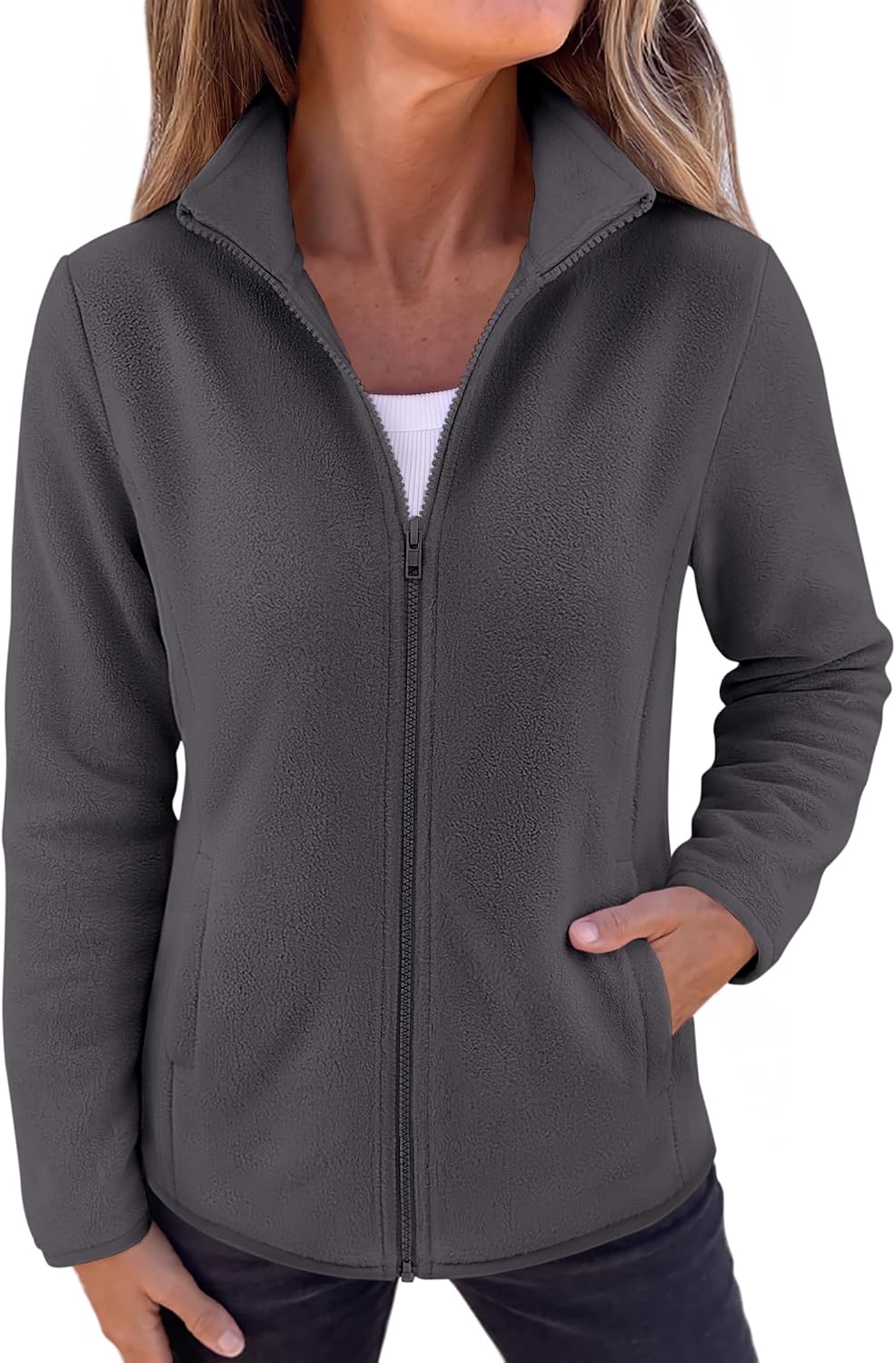
Pack thermal or moisture-managing base layers, an insulating middle layer, and a windproof or waterproof outer layer. Add warm socks, gloves, a hat, and footwear with good traction. Sunglasses and sunscreen are useful at altitude because snow can produce strong glare.
Use Public Transport When It Fits Your Itinerary
Switzerland’s trains, buses, and boats make many winter itineraries possible without driving. The Swiss Travel Pass provides extensive travel on the public-transport network for eligible international visitors, but it does not mean every mountain railway or cable car is automatically free. Many mountain excursions instead receive a discount.
Compare the Swiss Travel Pass with point-to-point tickets, Saver Day Passes, or a Swiss Half Fare Card based on your actual itinerary rather than buying a pass automatically.
Check Mountain Conditions Each Morning
Weather forecasts alone do not tell you whether a lift, trail, or piste is operating. Check the destination’s live status before traveling to the base station, particularly after heavy snow or strong wind.
Allow More Time Than You Would in Summer
Shorter winter days, icy paths, winter clothing, ski equipment, and mountain transfers can slow a schedule. Two well-planned activities are often more enjoyable than racing between several distant destinations.
Reserve High-Demand Accommodation Early
January can be quiet in some cities while popular ski resorts remain busy. Race weekends, school-holiday periods, and major events can tighten availability quickly. Book early when you have fixed dates in a famous winter resort.
Pro Tip: Build at least one flexible day into a mountain-focused itinerary. If clouds, wind, or snowfall make a major viewpoint poor on Tuesday, you may be able to move it to Wednesday rather than losing the experience completely.
Frequently Asked Questions
What is the weather like in Switzerland in January?
January is generally one of Switzerland’s coldest months, but there is no useful single temperature for the whole country. Lowland cities can experience rain, frost, fog, or snow, while higher Alpine areas are substantially colder and normally have more dependable snow cover.
What are the most popular activities in Switzerland in January?
Popular activities include skiing, snowboarding, sledding, winter hiking, snowshoeing, cross-country skiing, scenic rail trips, mountain excursions, ice skating at approved venues, museum visits, spa days, and traditional Swiss dining.
Are there special events in Switzerland in January?
Yes. Major January events include the International Lauberhorn Races in Wengen and the International Balloon Festival in Château-d’Oex. For 2027, the currently published dates are January 15-17 for the Lauberhorn races and January 23-31 for the balloon festival. Always verify dates with the organizers before booking.
What should I pack for Switzerland in January?
Bring warm base layers, an insulating layer, a waterproof or wind-resistant outer layer, gloves, a warm hat, winter socks, and sturdy footwear with good traction. Sunglasses and sunscreen are useful for snow and high-altitude outings. Add specialist equipment only when your planned activity requires it.
Are there travel restrictions or special considerations in January?
Winter weather can disrupt roads, mountain railways, cable cars, trails, and ski operations. Check current Swiss entry requirements before departure and review weather, transport, resort, and avalanche information during the trip. Avoid relying on old COVID-era travel guidance because requirements can change over time.
Is Switzerland worth visiting in January if I do not ski?
Yes. Non-skiers can enjoy scenic trains, mountain viewpoints, winter walks, sledding, snowshoeing, spas, museums, historic cities, food experiences, and photography. Choose a resort with good pedestrian winter infrastructure if you want Alpine scenery without skiing.
Is snow guaranteed in Switzerland in January?
No. Snow is much more reliable in higher Alpine areas than in lowland cities. Zurich, Geneva, Basel, Bern, and other lower locations can have cold winter weather without continuous snow cover. Choose a high-elevation destination if snow is essential to your trip.
Do Christmas markets stay open in Switzerland in January?
Most major Swiss Christmas markets finish before Christmas or by late December. Some winter lights, food venues, pop-ups, ice rinks, and seasonal attractions can continue into January, but check the current destination calendar before planning around them.
Do I need a car in Switzerland in January?
Not for many itineraries. Switzerland’s rail, bus, and mountain-transport networks serve major cities and many winter resorts. A train-based trip can also avoid the additional challenges of driving on snowy or icy mountain roads.
Sources
- MeteoSwiss — January temperatures, seasonal weather, and Swiss climate variation.
- International Lauberhorn Races — official Wengen race schedule and January 2027 dates.
- International Balloon Festival Château-d’Oex — official January festival dates and program information.
- Swiss Federal Railways (SBB) — Swiss Travel Pass coverage and mountain-transport discounts.
- WSL Institute for Snow and Avalanche Research SLF — official avalanche bulletin and winter backcountry safety information.
- Swiss National Park — official information on winter closure and access.