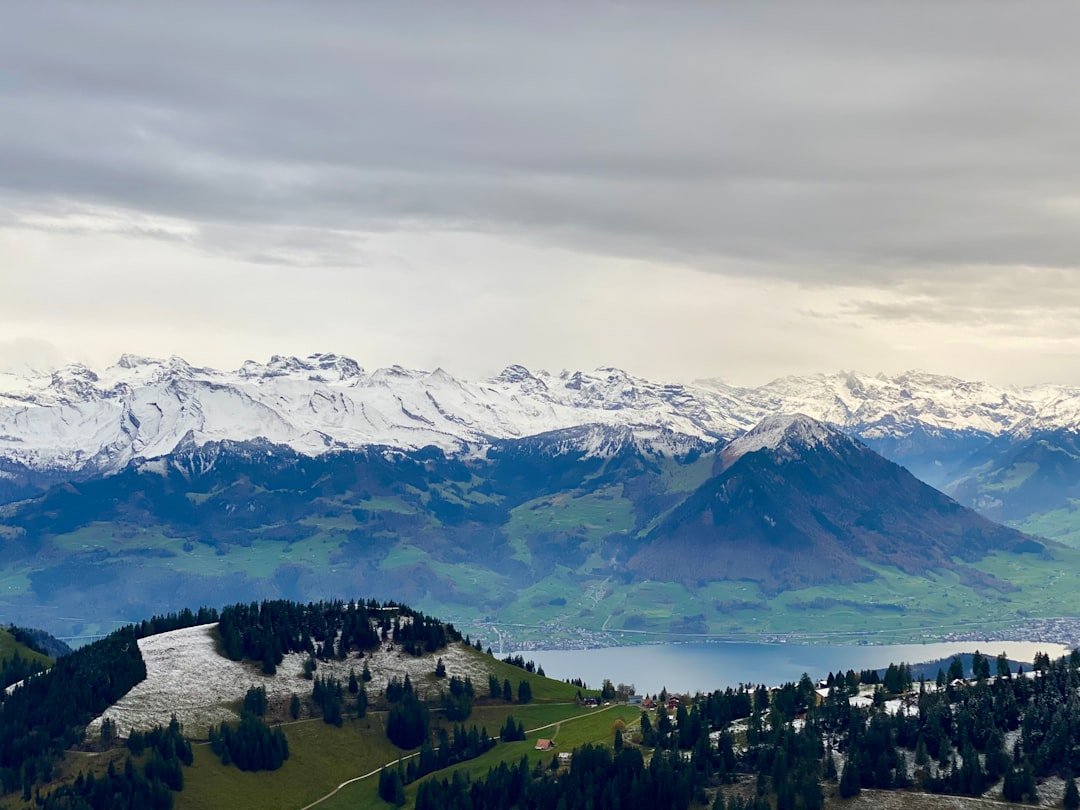
When I think of Switzerland in February, I think of deep winter: snowy Alpine villages, ski slopes, crisp city mornings, hearty food, and carnival season. February can be one of the best months for winter sports and snow scenery, but conditions change sharply with altitude and region. A good trip combines flexible plans, warm clothing, advance bookings, and daily weather and avalanche checks.
Quick Answer
Switzerland in February is firmly in winter, with cold lowland weather and much colder conditions in the Alps. It is a strong month for skiing, snowboarding, winter hiking, Basel Fasnacht, White Turf, fondue, and scenic travel. Book mountain stays early, pack waterproof layers, and check current weather and avalanche conditions before outdoor trips.
Key Takeaways
- February is a winter-sports month, especially in higher Alpine destinations such as Zermatt, Verbier, St. Moritz, and the Jungfrau Region.
- There is no useful single temperature for all of Switzerland. Lowland cities, high valleys, and ski areas can feel very different on the same day.
- For 2027, Basel Fasnacht runs in mid-February and White Turf has race days on three February Sundays.
- The Château-d’Œx International Balloon Festival is a winter highlight, but the 2027 edition is scheduled for January 23-31, not February.
- Mountain travel needs extra safety planning. Check weather, transport status, and the official avalanche bulletin before heading into exposed terrain.
Weather and Climate in February
February is one of Switzerland’s coldest months, but the country’s topography makes broad national averages misleading. According to MeteoSwiss, winter conditions differ strongly by altitude, valley position, and region. Cold air can collect in valleys, while lower areas of Ticino can be milder than places north of the Alps.
In practical terms, I plan for freezing or near-freezing mornings in many lowland areas and significantly colder conditions in the mountains. Snow is much more dependable at higher elevations than in cities such as Zurich, Basel, Geneva, or Lucerne. A city may have rain, slush, fog, or bare streets while a mountain resort has deep snow.
| Area | Typical February Feel | Planning Tip |
|---|---|---|
| Lowland cities | Cold, changeable, with possible rain, sleet, snow, fog, or sunny spells | Use layers and waterproof footwear rather than assuming constant snow |
| High Alpine resorts | Colder, snowier, and more exposed to wind and rapid weather changes | Carry proper winter gear and check lift and trail status each morning |
| Ticino and lower southern areas | Often milder than high mountain regions, though still winter | Do not pack for Alpine snow only; include lighter layers for lower elevations |
The key February weather rule is simple: plan by altitude and destination, not by one national temperature.
Is February a Good Time to Visit Switzerland?
Yes, especially if your priorities are skiing, snowboarding, winter scenery, snowy villages, seasonal food, or major winter events. February is less ideal if you want mild hiking weather, green landscapes, open high-mountain summer trails, or the lowest accommodation prices.
The main tradeoff is demand. February overlaps winter school holidays in Switzerland and other European countries, so popular mountain destinations can be busy. Ski hotels, family rooms, lessons, and weekend trains may fill well in advance. If I want better availability, I look at weekday stays, flexible resorts, or a trip that combines a city with two or three mountain nights.
Pro Tip: If skiing is the main goal, book the mountain portion first. City hotels and museum days are usually easier to rearrange around weather than ski lodging, lessons, and peak-period lift access.
Festivals and Events in February

February has strong winter events, but dates move from year to year. The most important correction for trip planning is to separate genuine February events from other winter celebrations.
Basel Fasnacht
Basel Fasnacht is one of Switzerland’s best-known carnival traditions. It starts at 4:00 a.m. on the Monday after Ash Wednesday and continues for exactly 72 hours. For 2027, the official Basel calendar places Fasnacht on February 15-17. Expect drums, piccolos, lanterns, processions, satire, and very large crowds in the city center.
White Turf in St. Moritz
White Turf is a February horse-racing event staged on the frozen Lake St. Moritz when conditions allow the event to operate safely. The official 2027 schedule lists racing days on February 7, 14, and 21, with family days on the preceding Saturdays.
Events Often Confused With February
The International Hot Air Balloon Festival in Château-d’Œx is a major Swiss winter event, but travelers should check the exact year before building a February itinerary around it. The official festival site lists the 2027 edition for January 23-31. That means it does not fall in February 2027.
Geneva’s Fête de l’Escalade is also sometimes misplaced in winter roundups. The City of Geneva describes it as a tradition celebrated around December 12, so it should not be listed as a February festival. The International Circus Festival of Monte-Carlo is another winter attraction, but it takes place in Monaco, not Switzerland, so I would treat it as a separate side trip rather than a Swiss February event.
Note: Event dates change annually. If a festival is central to your trip, confirm the official calendar before buying non-refundable transport or accommodation.
Best Places to Visit in Switzerland in February
The best base depends on whether you care most about skiing, scenery, events, nightlife, or easy rail access. I would narrow the choice this way:
| Destination | Best For | February Consideration |
|---|---|---|
| Zermatt | High-altitude skiing, Matterhorn views, car-free village atmosphere | Popular and often expensive; book lodging early |
| Verbier | Large ski network, advanced terrain, après-ski | Strong demand during school-holiday weeks |
| St. Moritz and Engadin | Skiing, cross-country skiing, winter events, polished resort experience | White Turf can add event crowds on selected weekends |
| Jungfrau Region | Mountain scenery, skiing, winter walking, villages such as Wengen and Mürren | Weather can affect high-elevation sightseeing plans |
| Basel, Lucerne, Zurich, or Geneva | Museums, food, architecture, city breaks, easy rail connections | Snow is not guaranteed in the cities; Basel is especially appealing when Fasnacht dates align |
Skiing and Snowboarding in the Swiss Alps
Skiing and snowboarding remain the headline February activities. Instead of choosing a resort only by size, I look at altitude, terrain mix, transfer time, beginner facilities, non-ski activities, and the needs of the group. Zermatt suits travelers who want iconic high-Alpine scenery, Verbier has extensive connected terrain and a lively après-ski reputation, and St. Moritz and the Engadin combine downhill skiing with cross-country options and winter events.
| Resort Area | Good Fit For | What to Check Before Booking |
|---|---|---|
| Zermatt | Scenery, high-altitude skiing, mixed-ability groups | Pass coverage, beginner access, accommodation location, weather exposure |
| Verbier / 4 Vallées | Confident skiers, long ski days, nightlife | Terrain level, lesson availability, lift links, peak-week demand |
| St. Moritz / Engadin | Downhill plus cross-country skiing, events, upscale stays | Which ski sector best fits your ability and where your hotel sits in relation to lifts |
Après-ski is part of the experience in many resorts, but it does not have to mean nightlife. A warm drink, fondue, a mountain restaurant, or a quiet hotel lounge can be just as satisfying after a cold day outside.
Winter Hiking and Snowshoeing
Winter hiking and snowshoeing offer a slower way to enjoy snowy forests, frozen-looking valleys, and mountain views. The safest choice is to use marked winter paths or designated snowshoe routes and to respect closures. Snow can hide ice, streams, steep drops, and unstable slopes, so a summer hiking trail is not automatically a safe winter route.
Warning: Before leaving marked and secured winter routes, check the official SLF avalanche bulletin and snow situation. Avalanche danger can change quickly, and ordinary hiking experience is not a substitute for avalanche knowledge, suitable equipment, and local guidance in exposed terrain.
I also plan for shorter daylight, cold hands, faster phone-battery drain, and the possibility that a route closes after fresh snow or wind. Waterproof boots with good grip, warm socks, gloves, and traction appropriate for the route make a large difference.
Other Winter Activities for Non-Skiers
Switzerland in February still works well if nobody in your group wants to ski. Depending on the destination, you can look for sledding, winter walking, scenic train rides, cable-car viewpoints, ice skating, spas, museums, galleries, food tours, and lake or city sightseeing. Mountain railways can also provide snow scenery without requiring a full ski day, although weather may affect visibility or operations.
For families or mixed-ability groups, I prefer a base that has several activities close together. That way one person can ski while another uses winter walking paths, shops, cafés, or wellness facilities without spending the day in transfers.
Getting Around Switzerland in February
Public transport is often the easiest way to connect major cities and mountain gateways in winter. Trains remove the stress of driving on unfamiliar snowy roads, and many resorts are designed around rail, bus, gondola, or funicular connections.
If you drive, allow extra time and check road conditions before crossing mountain routes. Heavy snow, ice, maintenance, accidents, or avalanche-control work can cause delays or closures. Do not assume a scenic pass road shown on a summer map will be open in February.
I also avoid building a tight itinerary around a single high-mountain viewpoint. If cloud, wind, or snowfall reduces visibility, it is useful to have a museum, spa, city walk, lower-elevation excursion, or food experience ready as a backup.
What to Pack for Switzerland in February
My February packing list is built around layers rather than one very heavy item:
- Thermal or moisture-wicking base layers
- Warm mid-layers such as fleece or wool
- Insulated winter jacket
- Waterproof or water-resistant outer layer for snow or wet weather
- Warm hat, gloves, and scarf or neck gaiter
- Waterproof boots with good tread
- Warm socks and spare socks
- Sunglasses and sunscreen for bright snow and high-altitude sun
- Small daypack and reusable water bottle
- Portable battery pack, especially for cold outdoor days
- Ski or snowboard clothing and protective equipment if needed
City travelers can dress more lightly than skiers during the day, but I still keep waterproof footwear and warm layers handy. If your trip includes both Basel and a high Alpine resort, pack for the mountain and adjust downward in the city rather than the other way around.
Swiss Cuisine and Comfort Food

Cold weather is a good excuse to explore Swiss comfort food. Fondue is one of the obvious choices: melted cheese served communally with bread. Raclette is another winter favorite, with melted cheese commonly paired with potatoes, pickles, and other accompaniments. Rösti, soups, pastries, and hot chocolate can also be welcome after a cold day outside.
I like to treat these meals as part of the travel experience rather than just fuel. A relaxed dinner after skiing or winter walking gives the day a natural finish. The existing delicious homemade cottage cheese recipe can be useful as a separate home-cooking idea, but cottage cheese is not a substitute for traditional Swiss fondue or raclette when describing local winter cuisine.
Winter Wildlife and Nature in Switzerland
Winter changes how you notice nature. Animal tracks may stand out in fresh snow, and species such as ibex or chamois may be seen in some Alpine areas, but sightings are never guaranteed. I avoid approaching, feeding, or forcing wildlife to move, especially in winter when animals need to conserve energy.
For photography, long lenses and patience are better than getting close. Quiet behavior also improves the experience for other visitors and reduces disturbance. Protected areas, local signs, and seasonal closures should always take priority over a photo opportunity.
Cozy Accommodations and Swiss Hospitality
After a full winter day, accommodation becomes part of the trip. Switzerland offers everything from simple guesthouses and city hotels to mountain chalets and luxury resorts. In February, location matters: being close to a station, lift, ski-bus stop, or village center can save time and reduce the need to walk far in snow with luggage.
I would book popular mountain stays early and compare what is actually included. Breakfast, spa access, ski storage, shuttle service, or local transport benefits can change the real value of a room. A cheaper hotel far from the lifts may not be cheaper once daily transfers are added.
A Simple 5-Day February Itinerary
If you want a first trip that balances scenery, winter activities, and flexibility, this structure works well:
- Day 1: Arrive in Zurich, Basel, Geneva, or Lucerne and keep the first day easy with an old-town walk, museum, or food-focused evening.
- Day 2: Travel to one mountain base such as Zermatt, the Jungfrau Region, Verbier, or St. Moritz. Use the afternoon for orientation, equipment rental, or a short winter walk.
- Day 3: Make this your main ski, snowboard, snowshoe, or scenic mountain day. Check weather and avalanche information before leaving.
- Day 4: Keep a second mountain day flexible. Ski again if conditions are good, or switch to sledding, a spa, winter walking, or a scenic rail excursion.
- Day 5: Return to a city. If your dates match Basel Fasnacht or White Turf, build the day around the event; otherwise use it for museums, shopping, food, or onward travel.
For me, February in Switzerland works best when I accept that winter controls the schedule. Some days bring fresh snow and dramatic mountain views; others bring clouds, wind, or travel changes. With flexible plans, warm gear, realistic expectations, and good safety checks, the mix of skiing, snowy landscapes, food, villages, events, and comfortable hotels can make February one of the most memorable times to visit.
Frequently Asked Questions
What is the weather like in Switzerland in February?
February is cold, but there is no single national temperature that represents the whole country. Lowland cities can have rain, snow, fog, or sunny winter weather, while higher Alpine resorts are usually much colder and snowier. Check the forecast for each destination and elevation on your itinerary.
What are the most popular things to do in Switzerland in February?
Popular February activities include skiing, snowboarding, winter hiking, snowshoeing, sledding, scenic rail trips, mountain viewpoints, spas, museums, food experiences, and winter events. Non-skiers can still build a full itinerary by choosing a resort or city with several indoor and outdoor options.
Are there special events or festivals in Switzerland in February?
Yes. For 2027, Basel Fasnacht is scheduled for February 15-17, while White Turf in St. Moritz lists racing days on February 7, 14, and 21. Event dates change each year, so confirm the official calendar before booking around a festival.
Is the Château-d’Œx balloon festival in February?
Not in 2027. The official International Balloon Festival schedule lists January 23-31, 2027. Because the dates vary by year and can sit close to the end of January, always check the current edition before planning a February trip around it.
What should I pack for Switzerland in February?
Pack thermal or moisture-wicking layers, a warm insulated jacket, waterproof footwear, gloves, a hat, warm socks, sunglasses, sunscreen, and a weather-resistant outer layer. Add ski or snowboard gear if needed, or rent equipment at your destination.
Are there travel restrictions or winter travel considerations in February?
The main considerations are weather, snow, road conditions, mountain transport, and avalanche risk. Heavy snowfall can delay travel or close roads and outdoor routes. Check local transport status and the official avalanche bulletin before mountain activities, and keep some flexibility in the itinerary.
Is February expensive or crowded in Switzerland?
Popular ski areas can be busy and expensive in February because of strong winter demand and school-holiday periods. Booking accommodation, ski lessons, and important transfers early can help. Weekday stays and combining a city with a shorter mountain stay may provide more flexibility.
Sources
- MeteoSwiss: The Climate of Switzerland – supports regional and altitude-based winter climate guidance.
- Basel Tourism: Carnival in Basel – supports Fasnacht timing, duration, and 2027 planning.
- White Turf St. Moritz – supports the official 2027 racing and family-day dates.
- International Balloon Festival, Château-d’Œx – supports the January 23-31, 2027 festival dates.
- City of Geneva: Fête de l’Escalade – supports the December timing of the Geneva tradition.
- WSL Institute for Snow and Avalanche Research SLF – supports avalanche and snow-situation safety guidance.