Alaska rewards travelers who plan around distance, season, transportation, and changing conditions instead of trying to squeeze the entire state into one trip. You can combine national parks, glaciers, Alaska Native culture, wildlife viewing, scenic rail journeys, coastal towns, and outdoor adventures, but the best route depends on how many days you have and whether you are focusing on Southcentral, Interior, or Southeast Alaska.
Quick Answer
For a first Alaska trip, combine Anchorage, Denali National Park, and Seward over seven to ten days. Add Fairbanks if you have extra time, or visit Juneau as a separate Southeast Alaska extension. Check current park access, transportation schedules, weather, and wildlife guidance before booking because conditions can change quickly.
Key Takeaways
- Anchorage, Denali, and Seward make one of the most practical first-time Alaska routes.
- For summer 2026, Denali Park Road access is limited to Mile 43 because of the Pretty Rocks Landslide.
- Juneau is reached from other major Alaska regions by air or sea, not by a continuous highway or railroad.
- Reserve popular summer trains, Denali buses, cruises, lodging, and guided activities early when possible.
- Wildlife, weather, tides, and remote conditions require more preparation than a typical city vacation.
Must-See Attractions in Alaska
When you visit Alaska, you will find national parks, coastal communities, mountain landscapes, wildlife habitats, and cultural destinations spread across an enormous area. Instead of trying to see everything, choose a few places that work together geographically.
Denali National Park and Preserve
Denali National Park protects roughly six million acres and contains North America’s highest peak, which rises to 20,310 feet. Wildlife such as caribou, moose, bears, and Dall sheep may be seen from buses or trails, although no sighting is guaranteed.
2026 Denali Note: The National Park Service reports that Denali Park Road remains closed at Mile 43 during summer 2026 because of the Pretty Rocks Landslide. Transit and tour buses travel no farther than East Fork Bridge, while Eielson Visitor Center and Wonder Lake Campground remain closed. Check current conditions shortly before your visit.
You do not need to see Denali’s summit to have a worthwhile park visit. Clouds frequently obscure mountain views, so plan around hiking, wildlife watching, ranger programs, and the park landscape rather than making a clear summit view your only goal.
Glacier Bay National Park and Preserve
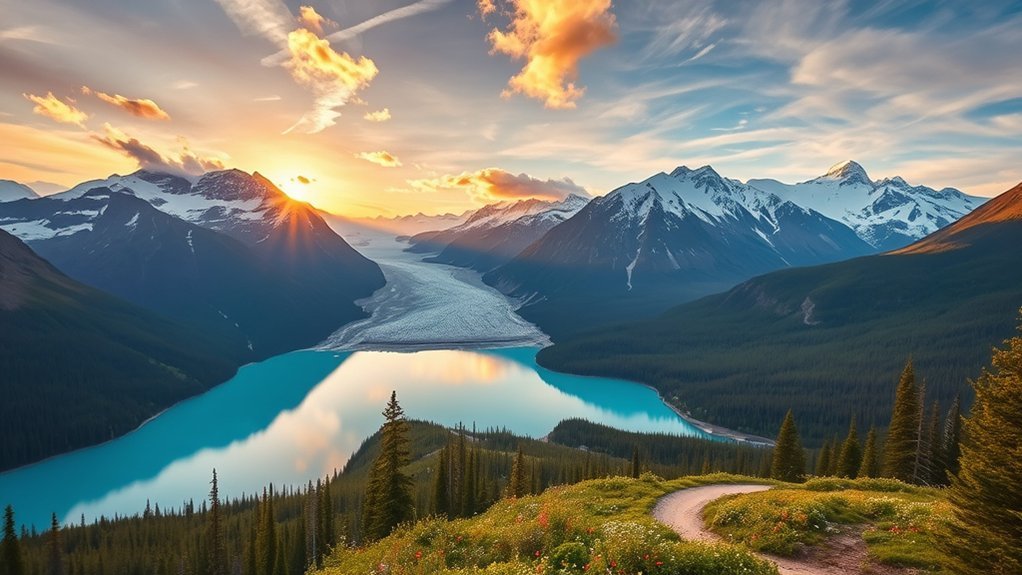
Glacier Bay is one of Alaska’s major destinations for glaciers, marine wildlife, boating, and sea kayaking. Many visitors experience the park from a cruise ship or tour boat, while experienced paddlers may explore by kayak.
Kayaking should not be treated like a casual paddle on a sheltered lake. The National Park Service’s Glacier Bay kayaking guidance warns about large tides, changing weather, cold water, wildlife, and remote travel. From May 1 through September 30, overnight backcountry users, including kayakers, must register, complete the required orientation, and obtain a free backcountry permit.
Warning: Do not approach tidewater glaciers closely in a small boat or kayak. Falling ice can create dangerous waves, and cold-water immersion can become life-threatening quickly. Follow current park guidance and consider a guided outing if you lack cold-water sea-kayaking experience.
Seward and Kenai Fjords National Park
Seward is a useful base for exploring the coast around Kenai Fjords National Park. Summer boat tours leave Seward and travel through Resurrection Bay or farther into the fjords, where visitors may see glaciers and marine wildlife. Humpback whales feed around Kenai Fjords during much of the warmer season, but wildlife sightings and behaviors such as breaching can never be guaranteed.
The National Park Service recommends advance reservations for popular summer boat tours.
Anchorage and the Alaska Native Heritage Center
Anchorage works well as an arrival hub and provides restaurants, museums, trails, transportation connections, and access to several Southcentral Alaska destinations.
For a deeper understanding of the people and cultures of Alaska, visit the Alaska Native Heritage Center. It is a living cultural and educational center representing Alaska Native cultures, peoples, and ways of life. Approach cultural experiences as opportunities to listen and learn rather than treating traditions as entertainment detached from their communities.
Juneau
Alaska’s capital offers museums, galleries, local food, whale-watching opportunities, nearby hiking, and access to the Mendenhall Valley and surrounding waterways. Juneau is also an excellent base for experiencing Southeast Alaska.
However, Juneau does not fit naturally into an Anchorage-Denali-Seward driving loop. It has no highway or railroad connection to the rest of the continental road system. Visitors normally arrive by air, cruise ship, or the Alaska Marine Highway System.
Scenic Alaska Railroad Journeys
For scenery without driving, consider the Alaska Railroad. The Coastal Classic connects Anchorage, Girdwood, and Seward. Rather than running “along the Seward Highway,” the train follows its own rail route along Turnagain Arm before continuing through backcountry terrain toward Seward.
The Denali Star connects Anchorage, Wasilla, Talkeetna, Denali, and Fairbanks during the summer season. Check the current Alaska Railroad schedule because operating dates vary by train and season.
Suggested Itineraries for Your Trip
A strong Alaska itinerary balances exploration and recovery time. Long distances, weather delays, wildlife stops, boat schedules, and early departures can make an overpacked itinerary exhausting.
5 Days: Anchorage and Seward
- Day 1: Arrive in Anchorage and explore local trails, museums, or the Alaska Native Heritage Center.
- Day 2: Travel south toward Seward, allowing time for Turnagain Arm viewpoints and stops.
- Day 3: Take a Kenai Fjords or Resurrection Bay boat tour.
- Day 4: Hike, visit the Alaska SeaLife Center, or explore the Seward area.
- Day 5: Return to Anchorage.
This route works well if you want coastal scenery, marine wildlife, and glaciers without spending much of the trip changing hotels.
7 Days: Anchorage, Denali, and Seward
- Days 1-2: Anchorage and nearby attractions.
- Days 3-4: Denali National Park, including a park bus trip or hiking.
- Day 5: Return south toward Anchorage.
- Days 6-7: Seward and Kenai Fjords.
You can drive this route or combine rental cars with the Alaska Railroad. Train schedules determine what combinations are practical, so verify departure dates and times before reserving lodging.
10 Days: Anchorage, Denali, Fairbanks, and Seward
With about ten days, you can spend a few days in Anchorage, travel north to Denali, continue to Fairbanks, then return south for Seward. The summer Denali Star provides rail service between Anchorage, Denali, and Fairbanks on published operating dates.
If northern lights are a major goal, build the trip around darkness rather than simply adding Fairbanks to a midsummer itinerary. Summer daylight makes aurora viewing impractical even though auroral activity itself can occur year-round.
Adding Juneau
If you want Juneau, consider it a separate Southeast Alaska extension rather than the final stop on a road trip. Flying between Anchorage and Juneau is usually the most straightforward way to connect the regions. Ferries serve many Southeast communities, but schedules should be checked carefully before building a trip around them.
Pro Tip: Build your itinerary around your hardest-to-get reservation first. That may be a Denali bus, popular lodge, railroad departure, glacier cruise, or guided activity. Fill the more flexible sightseeing around that anchor.
Getting Around Alaska
Alaska transportation works best when you think in regions rather than assuming every destination is connected by road.
Rental Car
A car gives you flexibility on the connected road system, particularly around Anchorage, the Kenai Peninsula, Denali, and Fairbanks. Before long drives, check road conditions, fuel availability, construction, and estimated driving times. Do not rely only on the distance shown by a navigation app.
Alaska Railroad
The railroad is useful for travelers who prefer not to drive between Anchorage, Seward, Denali, and Fairbanks. Service varies by route and season, so check the official schedule before booking hotels around a train journey.
Alaska Marine Highway System
The Alaska Marine Highway System connects numerous coastal communities by ferry. It can be an important option in Southeast and other coastal regions, but ferry schedules and service conditions can change. Always check current schedules and service notices rather than relying on an old itinerary.
Flights, Shuttles, and Tours
Flights are often the practical way to connect distant regions, especially when adding Juneau or other communities that are not part of the main highway system. Local shuttles and tour operators can also replace a rental car for specific destinations.
Outdoor Activities and Adventures
Alaska’s wilderness supports hiking, kayaking, rafting, fishing, cycling, flightseeing, dog sledding, and other outdoor activities, but difficulty varies greatly by location and season.
Hiking
Choose trails that match your fitness, navigation skills, equipment, and expected weather. Alaska conditions can change quickly, and snow can occur surprisingly late or early in mountainous areas. Carry appropriate layers, rain protection, water, food, navigation tools, and emergency essentials.
Kayaking and Rafting
Protected lakes and guided river trips may suit beginners, while exposed coastal kayaking can demand cold-water skills, tide knowledge, self-rescue ability, and specialized equipment. Check the requirements for the exact place you intend to paddle.
Fishing
Salmon and other fishing opportunities attract visitors across Alaska. Seasons, licenses, bag limits, gear restrictions, and emergency closures vary by species and location, so verify current Alaska Department of Fish and Game regulations before fishing.
Dog Sledding and Winter Activities
Dog sledding is not limited to deep winter. Some operators offer summer experiences in areas where snow or glacier access permits, while winter trips provide a very different experience. Choose established operators and review weather, age, mobility, and clothing requirements before booking.
Zip-Lining and Guided Adventure Activities
Zip-lining and other guided activities are available in several Alaska destinations. Compare operators based on safety practices, cancellation policies, physical requirements, transportation arrangements, and weather limitations rather than choosing only by price.
Wildlife Viewing Opportunities
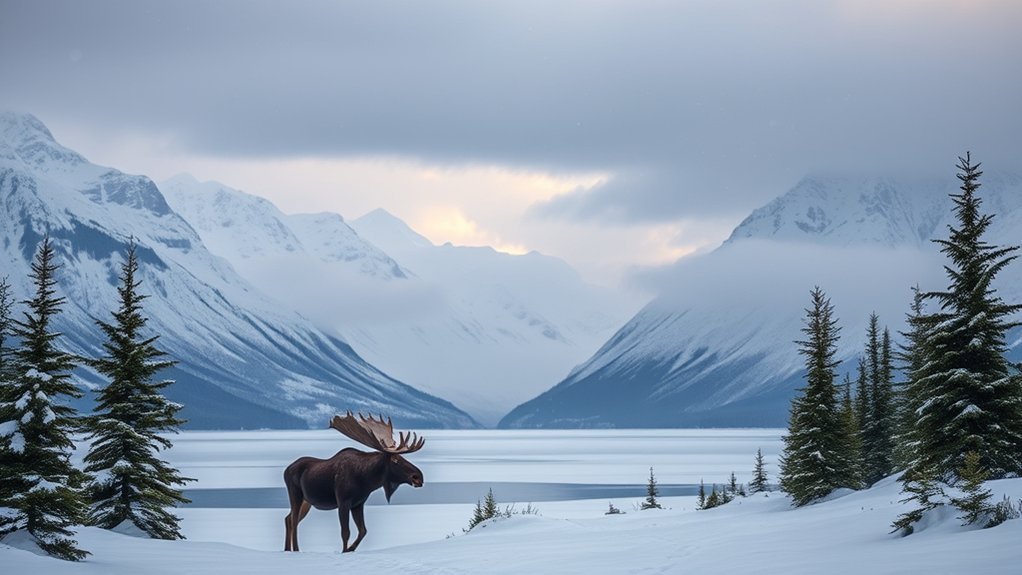
Alaska offers opportunities to see moose, bears, caribou, sea otters, whales, bald eagles, seals, sea lions, and many other species. The best encounters happen when you give wildlife space and allow animals to control the interaction.
In Denali National Park, park buses can provide opportunities to spot grizzly bears, caribou, moose, Dall sheep, and other wildlife from a safe position. Around Kenai Fjords, boat trips may encounter humpback whales, orcas, sea otters, seals, sea lions, and seabirds.
Bring binoculars or a zoom lens. Never move closer simply to improve a photograph. Alaska Department of Fish and Game advises visitors to give bears plenty of room, avoid blocking their escape route, and never approach them.
The goal of wildlife viewing is not to get as close as possible. A better encounter is one in which the animal can continue its natural behavior without reacting to you.
Best Time to Visit Alaska
The best season depends on what you want to do.
Late May Through Early September
This is the main visitor season for road trips, national parks, cruises, rail travel, hiking, and wildlife-oriented tours. Days are long, most seasonal tourism services are operating, and popular destinations can also be busiest and most expensive.
September
September can offer fall colors, cooler temperatures, fewer visitors in some areas, and increasing darkness for aurora viewing farther north. However, seasonal tours, trains, lodges, and visitor services begin reducing operations, so verify closing dates carefully.
Winter and Early Spring
Winter is suited to northern lights trips, snow activities, and a quieter experience, but travelers should expect cold temperatures, short daylight periods in midwinter, and fewer tourism services outside major communities.
For aurora-focused trips around Fairbanks, September through March is a useful general planning window because nights are dark enough for viewing. Aurora displays are natural events and cannot be guaranteed on any particular night.
Travel Tips for Exploring Alaska
When planning your Alaska trip, account for the state’s scale, rapidly changing weather, wildlife, and limited services in remote areas.
Pack Layers and Rain Protection
Bring clothing you can add or remove as conditions change. A waterproof outer layer, insulating layer, comfortable base layers, and sturdy footwear are more useful than relying on one heavy jacket.
Prepare for Limited Cell Service
Cell coverage can become unreliable outside towns and along remote routes. Download maps before leaving Wi-Fi, carry charging options, and do not assume your phone will provide navigation or emergency communication everywhere.
Check Conditions Before Long Drives
Weather, construction, wildfire activity, flooding, and other conditions can affect travel. Check official road and park updates before leaving for a long route, especially when your next reservation has a fixed departure time.
Respect Wildlife
Do not feed animals or intentionally approach them. Keep food and scented items stored according to local rules. In bear country, learn how to prevent encounters and how to respond appropriately before you start hiking.
The Alaska Department of Fish and Game’s bear-country guidance recommends giving bears space and using a zoom rather than approaching for photographs.
Carry Bear Spray Where Appropriate
The National Park Service strongly encourages hikers in Denali to carry bear spray. Keep it accessible rather than buried in a backpack, understand how to deploy it before hiking, and follow local transportation rules concerning bear spray.
Warning: Bear spray is only useful if you can reach and operate it quickly. Carrying it does not replace proper food storage, awareness, distance, and knowledge of bear behavior.
Leave No Trace
Stay on durable surfaces where required, pack out trash, store food correctly, respect closures, and avoid disturbing wildlife or cultural sites. Rules can vary by park and backcountry area, so follow instructions posted locally.
Alaska Native Culture and Local Food
Alaska is home to many distinct Alaska Native peoples and cultures. Museums, cultural centers, locally operated tours, art galleries, community events, and heritage programs can provide valuable context for the places you visit.
The Alaska Native Heritage Center in Anchorage is one of the most accessible places for first-time visitors to begin learning. Elsewhere, look for cultural experiences led by the communities whose traditions and histories are being presented.
Food experiences vary by region and season. You may encounter wild Alaska salmon, halibut, crab, locally harvested berries, reindeer sausage, and other regional dishes. Seafood availability and price vary significantly, so think of these as foods to look for rather than a checklist every destination will offer.
Frequently Asked Questions
What is the best time to visit Alaska for tourists?
Late May through early September is the easiest period for most first-time visitors because national park services, cruises, trains, tours, and summer activities are widely available. For northern lights, consider a darker-season trip, commonly between September and March in Interior Alaska.
Are there cultural experiences in Alaska worth exploring?
Yes. The Alaska Native Heritage Center in Anchorage is a useful starting point, and museums, cultural centers, community programs, artists, and locally operated experiences around the state can help you understand Alaska Native histories and living cultures. Whenever possible, choose programs created or led by the communities being represented.
What local foods should I try in Alaska?
Depending on the destination and season, look for Alaska salmon, halibut, crab, locally harvested berries, and reindeer sausage. Availability varies by region, and locally caught seafood may be seasonal.
How do I get around Alaska without a car?
Use a combination of the Alaska Railroad, scheduled flights, ferries, local buses, hotel shuttles, and tour operators. The railroad is particularly useful for Anchorage, Seward, Denali, and Fairbanks. The Alaska Marine Highway serves many coastal communities. Remote destinations may still require flights or organized transportation.
What safety precautions should I take when hiking in Alaska?
Check current weather and trail conditions, carry layers and rain gear, bring food and water, download or carry navigation information, tell someone your route, and learn local wildlife precautions. In bear country, carry bear spray where recommended, keep it accessible, and know how to use it before starting your hike.
How many days do I need for my first Alaska trip?
Seven to ten days is a useful range for a first trip focused on Anchorage, Denali, and Seward. Five days can work if you concentrate on one region. Two weeks gives you more room for Fairbanks, Homer, Southeast Alaska, or additional national parks without rushing between destinations.
What should I book in advance for an Alaska trip?
For summer travel, book limited-capacity items first, such as popular lodging, Denali bus trips, Alaska Railroad seats, glacier and wildlife cruises, rental cars, and specialized guided activities. Exact demand varies by destination and date, so check availability before finalizing the rest of your itinerary.
Conclusion
An Alaska trip becomes much easier when you focus on a few compatible destinations instead of trying to cover the entire state. Anchorage, Denali, and Seward form a practical first-time route, while Fairbanks and Juneau can be added when your schedule and transportation plan allow. Check current park conditions, reserve limited-capacity activities early, prepare for rapidly changing weather, and give wildlife plenty of space. With realistic travel days and room for conditions to change, Alaska’s glaciers, mountains, coastal landscapes, wildlife, and cultures can become the focus of the journey rather than the logistics between them.
Sources
- National Park Service: Denali Current Conditions — summer 2026 Denali Park Road access, closures, buses, and visitor services.
- National Park Service: Glacier Bay Kayaking — permits, orientation, tides, food storage, and backcountry kayaking safety.
- Alaska Railroad: Train Schedules — current Coastal Classic, Denali Star, and other passenger-train operating dates and routes.
- Alaska Department of Fish and Game: Traveling in Bear Country — bear awareness, wildlife distance, and encounter prevention.
- Alaska Marine Highway System: Ferry Schedules — current ferry planning information for Alaska coastal communities.
- Alaska Native Heritage Center — information about Alaska Native cultures, peoples, programs, and visitor experiences.