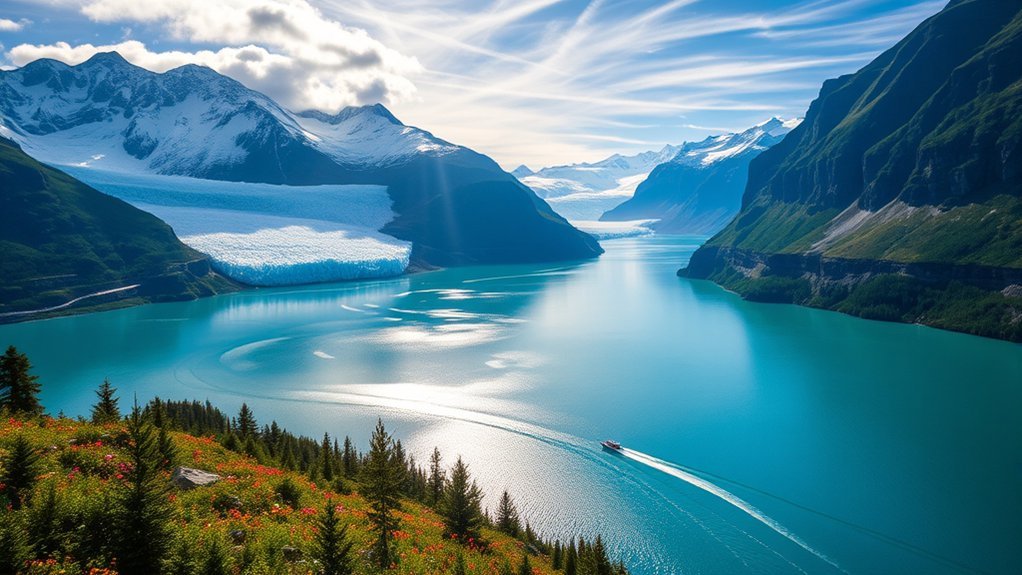
A 10-day Alaska itinerary can combine Anchorage, the Kenai Peninsula, Homer, Talkeetna, and Denali National Park, but the route works best when you plan the driving days carefully. This itinerary keeps the original highlights while giving you realistic transfer time, a full Kenai Fjords cruise day, a Homer stay, Denali flightseeing, and time inside the national park.
Quick Answer
For a balanced 10-day Alaska trip, spend two days in Anchorage, three around Seward and Kenai Fjords, two around Homer, one traveling through Talkeetna with optional flightseeing, one full day in Denali National Park, and the final day returning to Anchorage. A rental car gives you the most flexibility.
Key Takeaways
- Plan this road trip mainly for late spring through early fall, with June through August offering the broadest range of visitor services.
- Reserve your Kenai Fjords cruise, Denali-area lodging, Denali bus trip, rental car, and flightseeing well before peak-summer travel.
- Use the Alaska Wildlife Conservation Center as a stop on the Anchorage-to-Seward drive rather than squeezing it into an Anchorage sightseeing day.
- Return from Homer to Anchorage on Day 7 so Day 8 can realistically include Talkeetna and optional flightseeing before continuing toward Denali.
- For summer 2026, Denali Park Road buses are limited to Mile 43 because of the Pretty Rocks closure.
- Schedule an evening flight from Anchorage on Day 10. The drive from the Denali area takes about five hours before food, fuel, traffic, construction, or sightseeing stops.
Before You Start This 10-Day Alaska Road Trip
This itinerary is easiest with a rental car. Alaska’s main highways are paved along this route, but distances are long enough that a small delay can affect the rest of your day. Check weather and road conditions each morning, keep the fuel tank comfortably above empty, and leave extra time for construction and wildlife.
For this particular route, summer provides the easiest combination of road access, cruises, hiking, long daylight hours, and Denali visitor services. Kenai Fjords National Park identifies June, July, and August as its primary visitor months, with reduced services during parts of May and September.
Pro Tip: Book the experiences that can sell out before filling your schedule with smaller stops. Your priorities should be the rental car, Seward lodging, Kenai Fjords boat tour, Homer lodging, flightseeing if desired, Denali lodging, and your Denali bus reservation.
Warning: Never plan your driving day around the assumption that wildlife will remain beside the road or that summer weather will stay clear. Pull over only in safe, legal locations, follow posted rules, and give wild animals plenty of space.
Day 1: Arrival in Anchorage
Use your first day to settle into Anchorage rather than racing immediately toward the Kenai Peninsula. Pick up your rental car, check into your hotel, buy any forgotten outdoor supplies, and adjust to Alaska’s long summer daylight.
Downtown Anchorage is easy to explore at a relaxed pace. Browse local galleries and shops, walk part of the waterfront, and get an introduction to the city before the longer driving days begin.
Anchorage sits within Dena’ina Ełnena, the traditional homeland of the Dena’ina people. Keeping that context in mind gives the city’s museums, art, food, and place names more meaning as you travel through Southcentral Alaska.
Treat your first afternoon as an arrival buffer. Alaska trips work better when a delayed flight does not immediately cause you to miss a cruise, tour, or long-distance drive.
Day 2: Explore Anchorage
Spend your first full day combining Anchorage’s museums, local food, and outdoor spaces. Avoid trying to fit every attraction into a single day. Two or three substantial stops plus a trail or scenic viewpoint usually create a better experience.
Must-See Attractions
Start with the Anchorage Museum for an introduction to Alaska’s art, history, science, and northern cultures. If learning about Alaska Native cultures is a priority, consider the Alaska Native Heritage Center as another major cultural stop.
Later, walk or bike part of the Tony Knowles Coastal Trail. You can combine it with Earthquake Park or other west-Anchorage viewpoints rather than driving far outside the city.
The original itinerary included the Alaska Wildlife Conservation Center here, but it fits much better on Day 3 because the center is beside the Seward Highway on your route south.
Local Cuisine Highlights
Anchorage is a good place to sample Alaska seafood before heading onto the road. Depending on the restaurant and season, menus may feature salmon, halibut, cod, crab, local berries, sourdough dishes, and regional takes on comfort food.
Rather than trying to check off a rigid list of “Alaskan foods,” choose locally owned restaurants that clearly identify where key ingredients come from. Seafood availability and menus change throughout the year.
Outdoor Activity Options
Kincaid Park, the Tony Knowles Coastal Trail, and Anchorage’s extensive trail network provide easy ways to add outdoor time without turning Day 2 into another major travel day.
If you want a mountain hike, choose a route that matches your fitness, footwear, weather, and available daylight. Flattop Mountain and the Glen Alps area are popular, but steep terrain and rapidly changing conditions mean you should treat them as real hikes rather than casual sightseeing stops.
Do not assume Turnagain Arm is suitable for casual independent paddling simply because the water looks calm. If you want a water-based activity, book with an experienced local operator that chooses the location based on conditions.
Day 3: Drive to Seward
Leave Anchorage after breakfast and follow the Seward Highway south. The direct drive to Seward is commonly estimated at about 2.5 hours, but this is one of the days when taking longer is part of the experience.
The highway follows Turnagain Arm before continuing through mountain scenery toward the Kenai Peninsula. Use designated pullouts for photographs rather than stopping on the roadway.
Make the Alaska Wildlife Conservation Center one of your main stops. Its location along the Seward Highway makes Day 3 much more efficient than visiting it during your Anchorage day.
You can also stop around Portage or other established viewpoints if weather and time allow. Afterward, continue to Seward, check into your accommodation, explore the small-boat harbor, and have dinner in town.
Note: Alaska road travel is highly sensitive to weather, road work, wildlife, and sightseeing stops. Treat published drive times as minimum planning estimates rather than appointments.
Day 4: Kenai Fjords National Park
Dedicate Day 4 to Kenai Fjords National Park. For most first-time visitors, a boat tour from Seward is the most practical way to experience the park’s coastline, marine wildlife, fjords, and tidewater glaciers.
The National Park Service notes that commercial boat tours leave Seward’s small-boat harbor during the summer. Full-day trips travel farther toward tidewater glaciers, while shorter tours generally remain closer to Resurrection Bay. Reserve ahead during peak season.
Wildlife Viewing Opportunities
Possible sightings vary by route, season, weather, and plain luck. Depending on conditions, you may encounter sea otters, seals, sea lions, seabirds, bald eagles, porpoises, humpback whales, or orcas. None should be treated as guaranteed.
- Sea otters: Often seen floating or feeding in coastal waters.
- Seabirds: The coastal ecosystem supports numerous species, including puffins during their breeding season.
- Whales: Several species may occur in the region, but sightings depend on current feeding activity and tour route.
- Mountain wildlife: Keep an eye on shorelines and steep terrain without expecting a particular species to appear.
A telephoto lens or binoculars will usually give you a better wildlife experience than relying on a phone camera alone.
Scenic Boat Tours
Choose your cruise by duration, glacier access, seasickness tolerance, and schedule rather than automatically selecting the longest trip. Longer cruises can reach deeper into exposed coastal waters, while shorter trips may be more comfortable for travelers who are uncertain about motion sickness.
Dress in warm layers even on a pleasant morning. Wind and spray on the water can feel much colder than conditions in Seward.
Pro Tip: Keep Day 4 dedicated to the cruise. Avoid scheduling a long drive immediately after a full-day boat trip, especially if rough water or an early departure leaves you tired.
Day 5: Exit Glacier and Seward
Use Day 5 to explore the land-accessible side of Kenai Fjords National Park at Exit Glacier. Several shorter trails begin in this area, while the Harding Icefield Trail is a strenuous full-day undertaking rather than a casual add-on.
- Visit Exit Glacier: Follow current NPS trail information and choose a walk that matches your available time and ability.
- Consider a ranger program: Seasonal programs can add useful context about glaciers and the changing landscape.
- Have lunch in Seward: Return to town for seafood or another local meal.
- Explore Seward: Walk around the harbor, browse galleries and shops, or visit the Alaska SeaLife Center if you want an indoor option.
The Exit Glacier area is open year-round, but the access road is generally not available to normal vehicle traffic during the snowy portion of the year. Check National Park Service Exit Glacier conditions before relying on road access outside the main summer season.
If you are considering the Harding Icefield Trail, do not combine it with a packed sightseeing schedule. NPS describes it as strenuous and recommends allowing most of a day.
Day 6: Journey to Homer
Leave Seward for Homer after breakfast. This drive takes you back toward the Sterling Highway and then southwest across the Kenai Peninsula.
Make Ninilchik one of your optional stops. The community’s Russian Orthodox heritage and views toward Cook Inlet give the drive more variety than simply racing from one hotel to another.
Continue to Homer and allow time for scenic pullouts, lunch, fuel, and traffic. After arriving, check into your accommodation and head toward the Homer Spit for harbor views, shops, and dinner.
The journey itself is part of the day. Avoid stacking a fixed afternoon tour onto the schedule unless its start time leaves a generous driving buffer.
Day 7: Discover Homer, Then Return to Anchorage
Spend the morning and early afternoon enjoying Homer’s views, wildlife-focused attractions, and arts scene. Then begin the roughly half-day drive back to Anchorage. This relocation is important because it makes the Talkeetna and Denali portion of the itinerary realistic.
Scenic Views and Landscapes
- Kachemak Bay: Enjoy mountain, ocean, and glacier views from established viewpoints around Homer.
- Homer Spit: Walk the harbor area and shoreline while watching boat traffic and seabirds.
- Bishop’s Beach: Consider a beach walk if tides and weather are suitable.
- Beluga Slough: Explore the wetland and coastal environment near the Alaska Maritime National Wildlife Refuge Visitor Center.
Local Wildlife Experiences
Instead of relying on rigid “best viewing times,” treat wildlife sightings as seasonal and unpredictable. Kachemak Bay may offer opportunities to see sea otters, seabirds, bald eagles, seals, and other marine life.
The Alaska Maritime National Wildlife Refuge Visitor Center in Homer is an especially useful stop for understanding the region’s marine ecosystems and birdlife. The U.S. Fish and Wildlife Service also maintains the Beluga Slough Trail from the visitor-center area toward Bishop’s Beach.
If wildlife viewing is a major goal, a guided boat trip can provide access to areas you cannot reach from shore. Keep enough time in your schedule to return to Anchorage later in the day.
Arts and Culture Scene
Homer has a strong community of galleries, makers, musicians, and artists. Browse locally operated galleries and craft spaces rather than limiting your visit to souvenir shops on the Spit.
Local cultural events change throughout the year, so check current calendars for exhibits, performances, workshops, and festivals during your dates.
By mid-afternoon, begin the drive back to Anchorage and spend the night there. The direct drive from Homer to Anchorage is roughly 4.5 to 5 hours before sightseeing or delays.
Day 8: Talkeetna and Flightseeing Over Denali
Leave Anchorage early and drive north toward Talkeetna, about 115 miles from Anchorage. Talkeetna is a popular base for scenic flights into the Alaska Range and provides a much more realistic staging point than trying to jump directly from Homer to Denali.
If weather cooperates, take a flightseeing tour for aerial views of glaciers and the Alaska Range. The 20,310-foot summit inside Denali National Park is currently identified as Mount McKinley in federal National Park Service materials and is also widely known as Denali.
Flightseeing is highly weather dependent. Operators may delay, reroute, or cancel flights when visibility or flying conditions are unsuitable.
Warning: Do not build the entire trip around seeing the mountain from the air. Clouds can obscure the Alaska Range even during summer. Treat flightseeing as an optional highlight and have a ground-based backup plan.
If your flight operates on time, continue north from Talkeetna toward the Denali National Park entrance afterward and check into your accommodation. If the flight is significantly delayed, discuss the safest schedule with the operator and avoid rushing north late in poor conditions.
Day 9: Denali National Park
Spend your full Denali day experiencing the park rather than treating it as another photo stop. Most visitors combine a park bus trip with shorter walks near the entrance area.
2026 Access Note: The Denali Park Road remains closed beyond Mile 43 because of the Pretty Rocks landslide project. Transit buses and narrated tour buses are operating only as far as Mile 43 during summer 2026. Always check current NPS conditions because access can change.
- Take a park bus: Reserve ahead during the busy season and choose between the available transit or narrated-tour options.
- Watch for wildlife: Bears, moose, caribou, Dall sheep, wolves, and smaller animals live within the park, but sightings are never guaranteed.
- Walk or hike: Explore accessible trails near the entrance or use the bus system for appropriate hiking access within current road limits.
- Photograph responsibly: Use binoculars or a telephoto lens instead of approaching wildlife.
According to the National Park Service, visitors in Denali should stay at least 300 yards from bears and at least 25 yards from other animals. Never feed wildlife or move closer simply to take a photograph. See the NPS wildlife-safety guidance before your visit.
Day 10: Return to Anchorage and Departure
Your final day is primarily a travel day. The drive from the Denali National Park area to Anchorage takes approximately five hours under normal conditions, and you should add time for fuel, food, construction, weather, and traffic.
| 7:00 AM | Breakfast and hotel checkout |
| 8:00 AM | Begin drive toward Anchorage |
| Early afternoon | Arrive in Anchorage if road and weather conditions are normal |
| Afternoon | Lunch, fuel, rental-car return preparation, or last-minute shopping if time remains |
| Evening | Return rental car and depart Anchorage |
An evening flight is the safest fit for this version of the itinerary. If your flight leaves in the morning or early afternoon, return toward Anchorage on Day 9 instead of attempting the entire drive on departure day.
Frequently Asked Questions
What is the best time to visit Alaska for this itinerary?
For this Anchorage, Seward, Homer, Talkeetna, and Denali route, summer is the easiest season. June through August offers the broadest range of cruises, visitor services, trails, and Denali transportation. Late May and early September can also work, but some services operate on reduced schedules and weather is less predictable.
What should I pack for a 10-day Alaska trip?
Pack clothing that can be layered, including a moisture-managing base layer, insulating layer, waterproof outer shell, comfortable walking or hiking shoes, warm hat, light gloves, sunglasses, sunscreen, insect repellent, reusable water bottle, and a small daypack. Binoculars are useful for wildlife viewing, and a waterproof bag helps protect electronics on boat trips.
Can I follow this Alaska itinerary without a car?
You can visit several of these destinations without driving, but you cannot follow this exact itinerary as efficiently. Summer rail and motorcoach services connect Anchorage with destinations including Seward, Talkeetna, and Denali. Homer requires additional bus, air, or tour planning. A car gives you much more flexibility for this particular 10-day route.
What wildlife might I see in Alaska?
Depending on your location and season, possible sightings include moose, bears, Dall sheep, caribou, bald eagles, puffins, sea otters, seals, sea lions, porpoises, and whales. Wildlife is unpredictable, so no particular species should be considered guaranteed. Always observe from a safe distance.
What cultural experiences should I include?
In Anchorage, the Anchorage Museum and Alaska Native Heritage Center can provide important context about Alaska Native peoples, art, history, and contemporary life. Around Homer and the Kenai Peninsula, museums, cultural sites, Russian Orthodox heritage, local galleries, and community events add another layer to the trip beyond scenery and wildlife.
How far in advance should I book a summer Alaska trip?
Book high-priority items as soon as your dates are firm, especially for June through August. Rental cars, popular Seward cruises, Denali lodging, park buses, and flightseeing can have limited availability. Keep smaller attractions and restaurant choices flexible so you can adjust for weather.
What happens if Denali flightseeing is canceled?
Weather cancellations are a normal possibility. Spend the extra time exploring Talkeetna, use established viewpoints when visibility improves, or continue toward Denali earlier. Do not sacrifice safe driving or your Denali reservations in an attempt to force a rescheduled flight into an already tight day.
Conclusion
A successful 10-day Alaska itinerary is less about squeezing in every attraction and more about connecting the destinations in a realistic order. Anchorage gives you culture and an easy starting point, Seward provides access to Kenai Fjords National Park, Homer adds Kachemak Bay and a different side of the Kenai Peninsula, Talkeetna creates a practical flightseeing stop, and Denali National Park finishes the trip with a full day in Alaska’s interior wilderness.
Leave room for weather, wildlife, road work, and spontaneous stops. Those buffers are not wasted time in Alaska. They are what keep a scenic road trip enjoyable when conditions do not follow the schedule.
Sources
- Denali National Park and Preserve: Current Conditions — current Denali Park Road access and the 2026 Pretty Rocks closure.
- Denali National Park and Preserve: Wildlife Safety — safe wildlife-viewing distances and behavior.
- Kenai Fjords National Park: Boat Tours — Seward cruise options, seasonality, and advance-reservation guidance.
- Kenai Fjords National Park: Exit Glacier Area — Exit Glacier access and seasonal road information.
- Visit Anchorage: Travel Times and Distances — approximate Anchorage, Seward, Homer, and Denali driving logistics.
- U.S. Fish & Wildlife Service: Alaska Maritime National Wildlife Refuge — Homer visitor-center information and local wildlife interpretation.