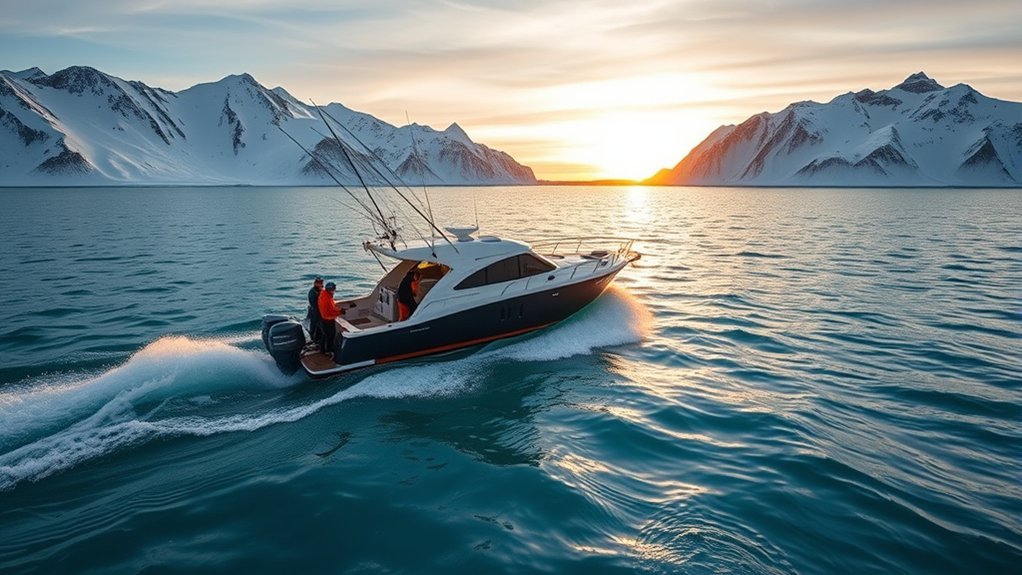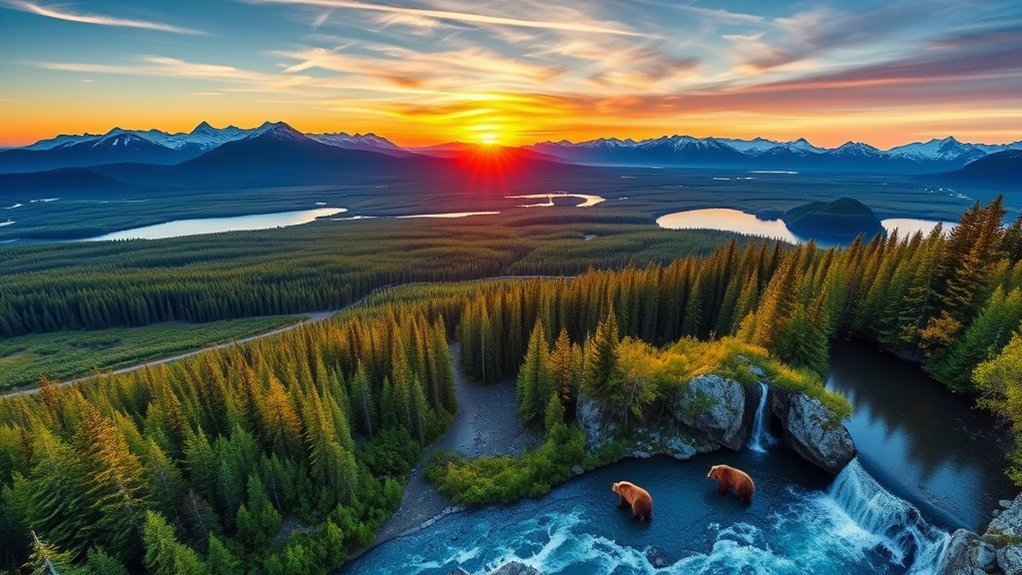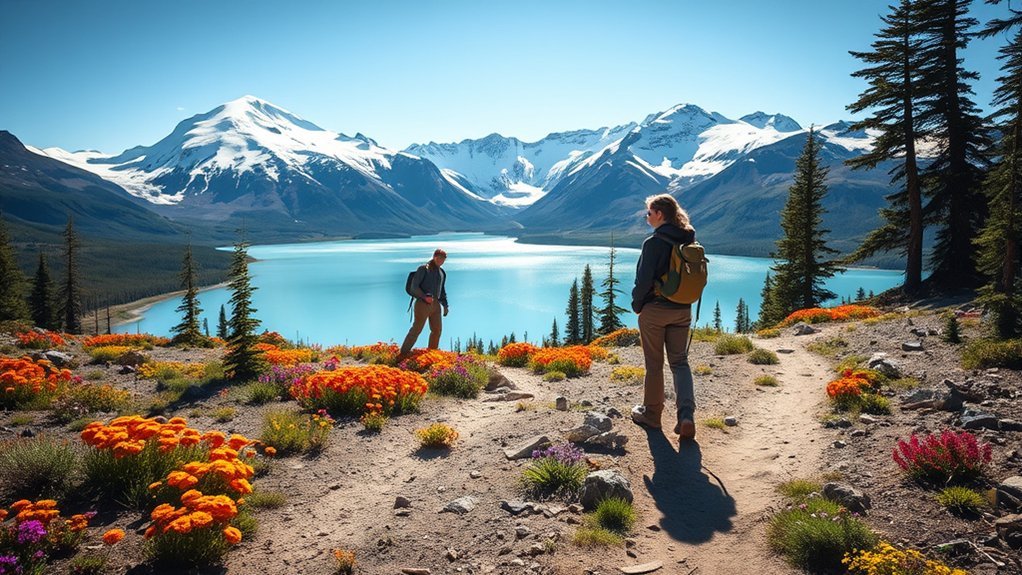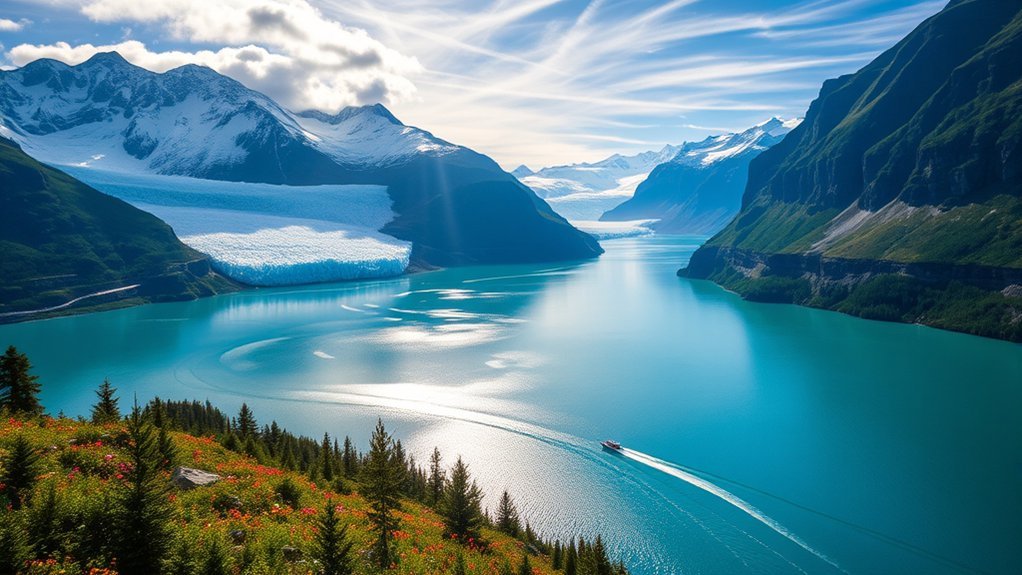
Glacier Bay National Park and Preserve is one of Alaska’s most rewarding parks to visit, but it takes more planning than a road-trip park. There are no roads into Glacier Bay from Juneau or the rest of Alaska’s highway system, most visitor services are seasonal, and the best experiences often depend on boats, weather, tides, and advance reservations.
Quick Answer
To visit Glacier Bay National Park, travel first to Gustavus, Alaska, by air or ferry, then continue about 10 miles to Bartlett Cove. The main visitor season runs from late May through early September. There is no park entrance fee, but tours, lodging, private boating permits, and camping permits may require advance planning.
Key Takeaways
- Glacier Bay is reached by plane or boat; land-based visitors usually arrive through Gustavus and continue to Bartlett Cove.
- The best overall visiting window is late May through early September, with July as the busiest month.
- There is no entrance fee or entrance pass requirement for Glacier Bay National Park and Preserve.
- Book lodging, the day tour boat, kayak rentals, and ferry or flight arrangements early for summer trips.
- Rain gear, warm layers, waterproof footwear, binoculars, and offline maps are essential.
At a Glance
| Time Required | 1 day for a cruise-ship or day-boat visit; 2–4 days for Bartlett Cove, kayaking, hiking, and wildlife viewing |
| Difficulty | Moderate planning difficulty; physically easy to moderate unless kayaking, camping, or boating independently |
| Tools Needed | Rain gear, warm layers, waterproof boots, binoculars, offline maps, tide information, and confirmed reservations |
| Cost | No park entrance fee; budget separately for flights or ferry, lodging, tours, kayak rentals, food, and ground transportation |
Getting to Glacier Bay National Park
Getting to Glacier Bay is part of the adventure. According to the National Park Service directions for Glacier Bay, the park lies west of Juneau and can only be reached by plane or boat. The only road in the park area connects Gustavus and its airport to Bartlett Cove, where the park headquarters, visitor services, public dock, campground, and Glacier Bay Lodge are located.
Flying to Gustavus
For most independent visitors, the fastest route is to fly from Juneau to Gustavus. Summer jet service and year-round air taxi or charter options may be available, but schedules can change with season and weather. After landing in Gustavus, plan for a ground transfer of about 10 miles to Bartlett Cove.
Taking the Ferry
The Alaska Marine Highway ferry is the scenic option. The ferry connects Juneau and Gustavus seasonally, and travelers should check current schedules through the Alaska Marine Highway System before building an itinerary. If you bring a vehicle, remember that Glacier Bay is still a mostly roadless park; a vehicle is useful mainly around Gustavus and Bartlett Cove.
Arriving by Cruise Ship or Tour Vessel
Many visitors experience Glacier Bay as part of an Alaska cruise itinerary. This is the easiest way to see the bay in a single day, but it gives you less time in Bartlett Cove and less flexibility than staying in Gustavus or at Glacier Bay Lodge. Smaller tour vessels and charter boats may also operate in the area during the visitor season.
Note: Build extra time into travel plans. Flights, ferry crossings, boat tours, and kayak drop-offs can be affected by Southeast Alaska weather.
Best Times to Visit
The main visitor season for Glacier Bay is late May through early September, with July typically the busiest month. This is when visitor services, tours, lodging, and transportation options are most available. Outside the main season, the park remains wild and beautiful, but services become limited.
Peak Season Insights
Late May through early September is the best choice for most first-time visitors. You will usually have the strongest chance of finding scheduled flights, ferry service, lodging, the day tour boat, kayak rentals, ranger programs, and open visitor facilities.
Summer weather is cool and wet near sea level. The National Park Service weather page for Glacier Bay says summer visitors can expect highs around 50°F to 60°F, and Bartlett Cove receives significant annual precipitation. Bring rain gear even if the forecast looks friendly.
Off-Peak Advantages
Late spring and early fall can be quieter than July and August. You may find fewer visitors, a calmer pace in Gustavus, and a better chance to enjoy Bartlett Cove without peak-season crowds. The tradeoff is that services, tour schedules, lodging dates, and ferry options may be more limited.
Winter and early spring are best for experienced, self-sufficient travelers who understand remote Alaska travel. For a first visit, the summer visitor season is usually the most practical choice.
Park Entrance Fees and Regulations
Entrance Fee Structure
Glacier Bay National Park and Preserve does not charge an entrance fee. The official NPS fees page states that no entrance pass is required to access the park.
That does not mean the whole trip is free. You still need to budget for transportation to Gustavus or your cruise, lodging, meals, ground transfers, guided tours, kayak rentals, and any commercial services you book.
Permits and Reservations
Some activities require permits or advance planning:
- Bartlett Cove Campground: A permit and brief orientation are required. The campground is first come, first served and does not accept advance reservations.
- Backcountry camping and kayaking: A free backcountry permit is required for overnight campers and kayakers during the main permit season.
- Private vessels: Private boaters need to follow seasonal permit rules before entering Glacier Bay waters.
- Commercial tours and lodging: Reserve directly with approved operators, lodges, or tour providers.
Park Regulations Overview
Glacier Bay is remote, wet, tidal, and rich in wildlife. Stay on established trails around Bartlett Cove, follow posted rules, store food properly, keep a safe distance from wildlife, and attend required orientations if you camp or enter the backcountry.
Warning: Do not treat Glacier Bay like a casual roadside park. Cold water, sudden weather, strong tides, bears, and tidewater glaciers can create serious hazards even in summer.
Where to Stay
For land-based visits, most lodging choices are in Bartlett Cove or Gustavus. The NPS eating and sleeping guide identifies Glacier Bay Lodge at Bartlett Cove as the only lodging inside the park. Gustavus also has inns, lodges, B&Bs, restaurants, and visitor services.
Glacier Bay Lodge
Glacier Bay Lodge is the most convenient base if you want quick access to the visitor center, public dock, day tour boat, Bartlett Cove trails, and park programs. It is seasonal, so confirm opening dates before booking flights or ferry tickets.
Gustavus Lodging
Gustavus is the gateway community for Glacier Bay. Staying there can be a good choice if you want more local lodging options, a quieter small-town feel, or access to air and ferry connections. Ask your lodging provider about shuttles, taxis, or transfers to Bartlett Cove.
Bartlett Cove Campground and Backcountry Camping
The Bartlett Cove Campground is a free walk-in tent campground near the dock. It has food-storage caches, composting toilets, a beach fire area, and a warming shelter, but no RV hookups or vehicle camping. Backcountry camping is also possible for prepared visitors with the required permit and orientation.
Essential Packing List
Packing wisely can make the difference between a comfortable Glacier Bay trip and a cold, wet one. Focus on layers, waterproofing, and self-sufficiency.
Clothing and Footwear
- Waterproof rain jacket and rain pants: Rain is normal in Southeast Alaska.
- Moisture-wicking base layers: Avoid cotton for active days and boat trips.
- Warm mid-layer: Fleece, wool, or synthetic insulation works well.
- Hat and gloves: Useful even in summer, especially on boats.
- Waterproof boots or sturdy shoes: Bartlett Cove trails can be muddy.
Day Trip Gear
- Binoculars: Essential for whales, bears, birds, mountain goats, and distant glaciers.
- Reusable water bottle: Stay hydrated and reduce waste.
- Sunscreen and sunglasses: Bright water and glacier ice can intensify glare.
- Insect repellent: Helpful in calm, wet, buggy conditions.
- Dry bag or waterproof phone pouch: Protect electronics on boats and rainy hikes.
Camping and Kayaking Gear
- Tide tables: Use official tide information, such as the NOAA Bartlett Cove tide station.
- Bear-resistant food storage plan: Follow current NPS instructions and campground rules.
- Warm sleep system: Nights can be cold and damp.
- Marine-aware clothing: Dress for cold water, not just air temperature.
- Offline maps and confirmations: Do not depend on reliable cell service in remote areas.
Pro Tip: Pack one small “boat layer” bag with gloves, hat, rain shell, camera protection, snacks, and binoculars so you do not have to dig through luggage during a tour.
Popular Activities and Attractions
Glacier Bay rewards visitors who get out on the water, slow down in Bartlett Cove, and leave time for weather changes. Choose activities based on your comfort level, available time, and how much independence you want.
Glacier Bay Day Tour Boat
The day tour boat is one of the best options for land-based visitors who want to travel deep into Glacier Bay without arranging a private vessel. The NPS tour boat guide describes a summer boat trip from Bartlett Cove through Glacier Bay with a park ranger onboard. Boats must keep a safe distance from glaciers, so expect impressive glacier viewing rather than walking on ice.
Kayaking
Sea kayaking is a classic Glacier Bay experience for prepared visitors. Trips can begin from Bartlett Cove, and experienced kayakers may use camper drop-off services to start farther up-bay. Review the NPS kayaking information before planning, because tides, crossings, cold water, weather, and permits matter.
Bartlett Cove Trails
Bartlett Cove offers the easiest land-based exploring in the park. Trails move through rainforest, shoreline, and park facilities, and they are a good choice if you have only a few hours before or after a boat tour. Wear waterproof footwear because trails can be wet or muddy.
Wildlife Watching
Bring binoculars and watch from a respectful distance. Glacier Bay can offer sightings of humpback whales, sea otters, harbor seals, Steller sea lions, brown bears, black bears, mountain goats, puffins, bald eagles, and other seabirds. Wildlife sightings are never guaranteed, but boat trips and quiet time along the shore improve your chances.
Flightseeing and Private Vessels
Flightseeing can reveal the scale of the Fairweather Range, glaciers, fjords, and outer coast when weather allows. Private vessel trips can be outstanding for experienced boaters, but they require careful route planning, permits, tides, weather awareness, and knowledge of park regulations.
Wildlife Viewing Opportunities
Glacier Bay is a wildlife-rich marine and coastal ecosystem. The best viewing often happens from boats, beaches, docks, and quiet shoreline areas.
- Humpback whales: Often seen feeding in park waters during the summer season.
- Sea otters: Watch for them floating on their backs in calmer water.
- Harbor seals: Frequently associated with ice and protected waters.
- Brown and black bears: May be seen foraging along shorelines or in lower-bay forested areas.
- Mountain goats: Look high on steep slopes during boat trips.
- Seabirds: Puffins, murres, cormorants, kittiwakes, and bald eagles are common highlights.
The best wildlife moment in Glacier Bay is usually the one you did not rush. Keep binoculars ready, stay quiet, and let the bay reveal itself.
Glacier Tours and Cruises
There are several ways to experience Glacier Bay’s glaciers and fjords. Your best choice depends on whether you are arriving by cruise ship, staying in Bartlett Cove or Gustavus, or planning a backcountry trip.
| Experience | Best For | What to Know |
|---|---|---|
| Day Tour Boat | Land-based visitors staying in Bartlett Cove or Gustavus | Seasonal, reservation recommended, ranger interpretation often included |
| Cruise Ship Visit | Travelers who want a one-day scenic overview | Easy logistics, less time on land, itinerary controlled by cruise line |
| Kayaking | Experienced paddlers or guided-adventure travelers | Requires tide, weather, cold-water, permit, and food-storage planning |
| Private Vessel | Experienced boaters | Seasonal permits and park boating rules may apply |
| Flightseeing | Big-landscape views when weather allows | Weather-dependent and usually booked through local operators |
Safety, Weather, and Tides
Glacier Bay’s beauty comes with real hazards. Plan for cool rain, cold water, fast weather changes, strong tides, wildlife, and glacier ice.
Tides
The NPS tide guidance for Glacier Bay notes that tidal swings can reach up to 25 feet. Kayakers and boaters should plan around tide tables, slack water, currents, and safe landing zones.
Hypothermia and Weather
Cool, wet weather is normal in Southeast Alaska. Even in summer, bring warm layers, waterproof outerwear, gloves, and a hat. If you are boating or kayaking, dress for cold-water exposure.
Glacier Safety
Glacier ice is unstable. The NPS falling ice safety guidance warns visitors to stay away from steep ice walls, overhangs, cracks, broken ice, and ice caves. Tidewater glaciers can also create waves when ice calves.
Warning: Never enter an ice cave, climb on glacier ice without proper technical skills and equipment, or land a kayak near a tidewater glacier. Calving ice and sudden waves can be deadly.
Bears and Food Storage
Both brown bears and black bears live in Glacier Bay. Store food, trash, toiletries, and scented items exactly as directed by park staff. In camp, cook and eat only where allowed, keep a clean site, and never leave food unattended.
Tips for a Memorable Experience
- Book the big pieces first: Secure lodging, flights or ferry, and the day tour boat before filling in smaller plans.
- Use Bartlett Cove wisely: Visit the visitor center, walk the trails, check ranger programs, and ask about current conditions.
- Bring binoculars: Wildlife is often far away, and binoculars make the experience much better.
- Download offline resources: Save maps, confirmations, ferry schedules, weather links, and tour details before arrival.
- Stay flexible: Weather and marine conditions can change plans quickly.
- Respect distance: Give wildlife, glaciers, nesting birds, and other visitors plenty of space.
Frequently Asked Questions
Are there any accommodations within Glacier Bay National Park?
Yes. Glacier Bay Lodge is located inside the park at Bartlett Cove and is the only lodge within Glacier Bay National Park. There is also a free walk-in tent campground at Bartlett Cove. Additional lodging, inns, B&Bs, and services are available in nearby Gustavus.
Can I bring my pet to Glacier Bay National Park?
Pets are allowed only in limited areas, including the Bartlett Cove public-use dock, certain nearby developed road and parking areas, the beach between the public dock and administrative dock, and vessels on the water. Pets must be leashed or restrained and are not allowed on trails, beaches, or in the backcountry except when they remain aboard private vessels. Review the official NPS pet rules before bringing an animal.
What are the park’s operating hours?
Glacier Bay does not operate like a gated roadside park. There is no entrance gate, but visitor services such as the visitor center, Visitor Information Station, lodge, ranger programs, and tours are seasonal and have their own hours. Always check the current NPS basic information page before your trip.
Is there cell phone reception in Glacier Bay National Park?
Do not rely on consistent cell service once you are in or near Glacier Bay. Download maps, reservation confirmations, ferry details, weather links, and tide information before arrival. If you are boating, kayaking, or camping, carry communication and safety gear appropriate for remote Alaska conditions.
Are guided tours available in the park?
Yes. Depending on the season, visitors may find the Glacier Bay day tour boat, guided kayak trips, cruise-ship interpretation, charter vessels, ranger programs, and other approved commercial services. Availability changes by season, so book early for summer and confirm details directly with operators.
How many days do I need for Glacier Bay?
One day is enough for a cruise-ship visit or a day tour boat from Bartlett Cove. Two to four days is better if you want to stay in Gustavus or at Glacier Bay Lodge, walk Bartlett Cove trails, attend ranger programs, kayak, and leave room for weather delays.
Do I need a permit to camp in Glacier Bay?
Yes. Bartlett Cove Campground requires a permit and brief orientation, and overnight backcountry campers or kayakers need the appropriate free permit during the main permit season. Check current NPS permit instructions before arrival.
Conclusion
A Glacier Bay trip is unforgettable when you plan around the park’s realities: remote access, cool wet weather, seasonal services, tides, permits, and boat-based exploration. Start with transportation to Gustavus or a cruise itinerary, secure lodging or camping plans, reserve key tours early, and pack for rain and cold-water conditions. Once you are there, slow down, watch the water, listen for wildlife, and let Glacier Bay’s glaciers, rainforest, and fjords do the rest.
Sources
- National Park Service: Glacier Bay Basic Information — visitor season, weather, access, activities, and services
- National Park Service: Glacier Bay Directions — how to reach the park by air, ferry, cruise ship, and boat
- National Park Service: Fees & Passes — no entrance fee and permit-related fee information
- National Park Service: Eating & Sleeping — Glacier Bay Lodge, Gustavus lodging, and camping options
- National Park Service: Tides in Glacier Bay — tide hazards and planning guidance for boaters and kayakers
- National Weather Service: Glacier Bay Forecast — current weather and forecast conditions