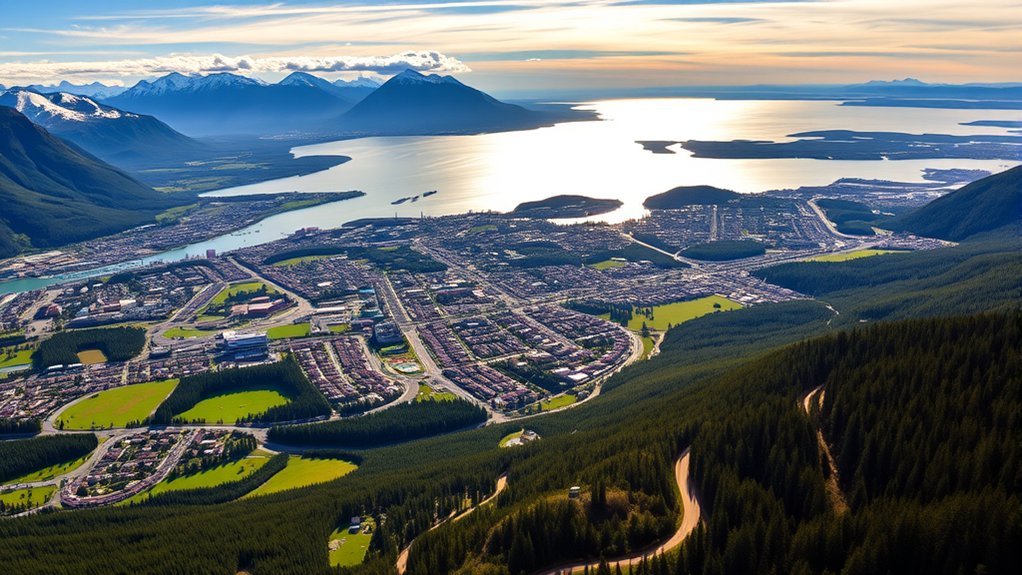
Anchorage combines Alaska Native culture, museums, coastal trails, mountain access, wildlife, and a surprisingly varied food scene in one practical base. You can spend a morning exploring downtown, bike beside Cook Inlet in the afternoon, and use another day for Chugach State Park, Girdwood, or the Alaska Wildlife Conservation Center. The key is knowing which attractions are truly in the city and which require extra travel time.
Quick Answer
For a first Anchorage visit, prioritize the Anchorage Museum, Alaska Native Heritage Center, Tony Knowles Coastal Trail, downtown, and one outdoor excursion. Allow at least two days if possible. Add extra time for Flattop Mountain, Girdwood, or the Alaska Wildlife Conservation Center because these experiences require more driving and planning.
Key Takeaways
- The Anchorage Museum, Alaska Native Heritage Center, downtown, and Tony Knowles Coastal Trail are strong choices for first-time visitors.
- Flattop Mountain is a difficult summit hike with steep terrain and scrambling, not a casual sightseeing walk.
- A car is useful for Chugach State Park, Girdwood, Eklutna Lake, and the Alaska Wildlife Conservation Center.
- Summer favors hiking and long sightseeing days, while darker months are better for northern-lights viewing.
- Check current attraction hours, trail conditions, transit schedules, market dates, and restaurant hours shortly before your visit.
Top Attractions in Anchorage
Anchorage sits between the Chugach Mountains and Cook Inlet, giving you easy access to both urban attractions and outdoor spaces. For most first-time visitors, a few places deserve priority.
The Alaska Native Heritage Center is one of the city’s most important cultural destinations. Exhibits, village sites, demonstrations, films, and programs introduce the living cultures and traditions of Alaska Native peoples. Programming and operating hours vary by season, so check the current schedule before you go.
The Anchorage Museum brings together art, history, science, and Northern culture. Its Smithsonian Arctic Studies Center includes cultural heritage materials interpreted with Alaska Native advisers, making the museum a useful introduction to Alaska before you travel farther around the state.
For an outdoor experience close to downtown, use part of the Tony Knowles Coastal Trail. The paved route extends for about 11 miles between downtown Anchorage and Kincaid Park, with views across Cook Inlet and access to parks and viewpoints along the way.
Downtown Anchorage is also worth exploring on foot. You can browse local galleries and shops, visit public art, see the Alaska Railroad Depot area, and stop at restaurants or seasonal markets without committing an entire day.
Pro Tip: Do not assume every Anchorage attraction keeps the same schedule year-round. Cultural centers, tours, markets, and outdoor services can operate on different summer and winter calendars.
Outdoor Activities and Adventures
Anchorage is especially appealing if you want to combine a city trip with hiking, biking, paddling, skiing, or wildlife viewing.
Hiking Flattop Mountain
Flattop Mountain is one of the area’s best-known hikes, reached from the Glen Alps Trailhead in Chugach State Park. The summit route is about 1.5 miles one way with roughly 1,300 feet of elevation gain, according to Alaska State Parks.
The views can include Anchorage, Cook Inlet, Turnagain Arm, and the surrounding mountains, but the summit route should not be confused with an easy viewpoint walk.
Warning: Alaska State Parks rates the Flattop summit route difficult. It is steep, includes scrambling, and has areas where falls or falling rocks can cause serious injury. Wear suitable footwear, check weather and trail conditions, stay within your ability, and turn around when conditions are unsafe.
Bike or Walk the Coastal Trail
The Tony Knowles Coastal Trail is a better choice if you want an easier outdoor day. Walk a short downtown section or rent a bike and cover more of the approximately 11-mile paved route toward Kincaid Park.
Wildlife can appear even on urban trails, so do not treat moose or other animals as tame just because you encounter them inside Anchorage.
Paddling Near Anchorage
For paddling, look to Anchorage-area lakes and Chugach State Park rather than Kachemak Bay, which belongs in a Homer-area itinerary. Eklutna Lake is one option north of the Anchorage Bowl, with boating and paddling opportunities when conditions and services allow.
Conditions deserve respect. Alaska State Parks warns that winds on Eklutna Lake can build waves quickly, particularly for paddlers attempting longer crossings. Check current conditions and choose a route that matches your experience.
Winter Adventures
Winter changes the character of Anchorage. Depending on conditions, visitors can find cross-country skiing, fat biking, snowshoeing, ice skating, winter sightseeing, and guided activities around the region.
Downhill skiers and snowboarders often travel south to Alyeska Resort in Girdwood. Because Girdwood is well outside the downtown core, treat the trip as a dedicated excursion rather than a quick stop between city attractions.
Cultural and Historical Sites
Anchorage’s history makes more sense when you look beyond a simple frontier narrative. The city lies within Dena’ina Ełnena, the traditional homelands of the Dena’ina Athabascan people, and Alaska Native cultures remain central to understanding the region.
Start with the Alaska Native Heritage Center for living cultural perspectives, then use the Anchorage Museum to explore Alaska through art, science, history, and material culture.
The Alaska Railroad Depot and Ship Creek area connect to Anchorage’s early 20th-century development as a railroad construction center. Downtown walking routes also reveal public art, historic buildings, and stories from the city’s growth.
The Iditarod Trail Sled Dog Race has an important Anchorage connection, but its headquarters is not in the city. The race’s ceremonial start traditionally takes place in downtown Anchorage, while Iditarod headquarters is in Wasilla. If your trip overlaps race events, verify that year’s official route and schedule because details can change.
Best Time to Visit Anchorage
There is no single best month for every traveler. Choose your season based on what you actually want to do.
- Late spring and summer: Best suited to hiking, biking, long sightseeing days, markets, road trips, and the widest range of visitor services.
- Early fall: A transition period with shorter days, changing vegetation, and fewer summer crowds, although some seasonal businesses begin reducing hours.
- Late fall through winter: Better suited to snow activities and dark-sky experiences, but driving conditions, daylight, and attraction schedules require more planning.
- Northern-lights trips: Dark skies are essential. Visit Anchorage advises that aurora viewing is generally best from roughly September through April, with opportunities beginning as darkness returns in late summer.
Anchorage weather can shift during the day, especially when you move between the coast, city, and mountains. Pack layers and include a weather-resistant outer layer even when the forecast initially looks mild.
Suggested Itineraries for Your Visit
A good Anchorage itinerary avoids unnecessary backtracking. Downtown attractions combine well with each other, while destinations such as Flattop, Eklutna Lake, Girdwood, and the Alaska Wildlife Conservation Center deserve separate blocks of time.
One-Day Itinerary Highlights
If you have only one full day, keep most of it in Anchorage rather than trying to combine downtown with several distant excursions.
- Morning: Walk or bike a section of the Tony Knowles Coastal Trail while the day is still flexible.
- Late morning: Visit the Anchorage Museum for Alaska history, art, science, and culture.
- Lunch: Eat downtown or in Midtown, depending on your next stop.
- Afternoon: Visit the Alaska Native Heritage Center or explore downtown, Ship Creek, public art, and local shops.
- Evening: Have dinner downtown and, when daylight and weather cooperate, finish at a Cook Inlet viewpoint.
Note: If the Alaska Wildlife Conservation Center is a priority, use it as the main afternoon excursion rather than squeezing it into this city itinerary. The center is about 47 road miles south of Anchorage near Portage.
Weekend Adventure Suggestions
With two days, you can combine Anchorage’s cultural sites with a larger outdoor excursion.
Day 1: Anchorage highlights
- Start on the Tony Knowles Coastal Trail: Walk or bike a section of the paved coastal route.
- Visit the Anchorage Museum: Allow enough time for both permanent and current exhibitions.
- Explore downtown Anchorage: Browse shops, public art, the railroad area, and seasonal markets when operating.
- Finish with a local dinner: Choose a restaurant that matches your location rather than driving across town unnecessarily.
Day 2: Choose one major excursion
- Flattop Mountain and Glen Alps: Best for prepared hikers who want mountain terrain close to the city.
- Alaska Wildlife Conservation Center and Girdwood: A natural pairing for a southbound driving day.
- Eklutna Lake: Good for scenery, hiking, cycling, or paddling when conditions permit.
- Guided sightseeing: A useful option if you would rather leave transportation and regional logistics to a local operator.
City Attractions vs. Day Trips
One reason Anchorage itineraries become unrealistic is that the name “Anchorage” can describe both the urban core and a very large municipality. Places that appear under an Anchorage address or tourism listing may still be many miles from downtown.
For efficient planning, think of attractions in three groups:
- Easy city stops: Anchorage Museum, downtown, Ship Creek, sections of the Coastal Trail, Lake Hood, and many restaurants.
- Shorter outdoor excursions: Kincaid Park and Glen Alps/Flattop, although transportation and parking still require planning.
- Dedicated excursions: Eklutna Lake, Girdwood, Alyeska, and the Alaska Wildlife Conservation Center.
Wildlife and glacier cruises marketed to Anchorage visitors may depart from communities such as Whittier or Seward. Check the actual departure point before building one into a city sightseeing day.
Getting Around Anchorage
You do not necessarily need a rental car for every Anchorage trip, but your transportation choice strongly affects what you can see.
Public Transportation
The Municipality of Anchorage operates the People Mover bus system. It serves multiple parts of the urban area, but schedules and routes should be checked before you build a tightly timed itinerary around transit.
People Mover is most useful when your plans stay within the city. Check current route maps, fares, service alerts, and operating times rather than relying on an old printed schedule.
Walking and Biking
Downtown is compact enough to explore many central attractions on foot. Anchorage’s trail network also makes a bicycle useful for recreation and some point-to-point travel, particularly along the Coastal Trail.
When a Car Helps
A rental car becomes much more useful if you plan to visit Flattop, Eklutna Lake, Girdwood, the Alaska Wildlife Conservation Center, Turnagain Arm viewpoints, or other regional attractions.
Always check drive times in the context of your actual travel day. Mountain weather, road work, winter conditions, parking congestion, and scenic stops can all increase the amount of time an excursion requires.
Where to Stay in Anchorage
Choose your Anchorage base according to your itinerary rather than looking only for the lowest room rate.
- Downtown: Convenient for the museum, restaurants, shops, the railroad depot, walking, and the north end of the Coastal Trail.
- Midtown: A practical central location if you will drive frequently and want easier access to different parts of the city.
- Airport and Lake Hood area: Useful for early flights, aviation-related trips, and travelers prioritizing airport convenience.
- Girdwood: Better treated as a mountain-resort base south of central Anchorage rather than a substitute for a downtown hotel if most of your sightseeing is in the city.
Anchorage lodging prices can change dramatically by season and date. Summer generally brings stronger visitor demand, so compare live rates for your exact dates and book early when your schedule is fixed. A static “average nightly price” becomes inaccurate too quickly to be useful.
Local Cuisine and Dining Experiences
Anchorage’s food scene ranges from bakeries and pizza to breweries, brunch restaurants, international food, and Alaska seafood. Rather than assuming seafood is harvested directly from Cook Inlet beside the city, think of Anchorage as a place where you can sample products sourced from different parts of Alaska.
Fresh Seafood Delights
Salmon and halibut are two obvious Alaska choices, while crab, oysters, rockfish, sablefish, and other seafood can appear depending on restaurant menus and supply.
- Try Alaska salmon prepared grilled, roasted, smoked, or cured.
- Look for halibut when you want a mild, firm white fish.
- Check seasonal menus for crab and other Alaska seafood.
- Ask where seafood came from if local sourcing matters to you.
Menus change, so a restaurant’s current menu is more reliable than assuming a particular seafood dish will always be available.
Unique Local Restaurants
Anchorage has enough variety that you can build meals around different neighborhoods and activities instead of repeatedly returning downtown.
| Restaurant | Why Consider It |
|---|---|
| Moose’s Tooth Pub & Pizzeria | A long-running Midtown option known for pizza and Broken Tooth beer. |
| 49th State Brewing | Downtown brewpub with Alaska-inspired food and views from its central Anchorage location. |
| Snow City Cafe | Popular downtown breakfast and lunch stop with a current all-day brunch-oriented menu. |
| Fire Island Rustic Bakeshop | Local bakery known for bread, pastries, sandwiches, and neighborhood locations. |
Restaurant hours, menus, reservation policies, and wait times can change. Check the restaurant directly on the day you plan to visit, especially during the busy summer season.
Essential Travel Tips for Anchorage
A little planning makes Anchorage much easier to navigate because weather, distances, seasonal schedules, and wildlife can all affect your day.
- Dress in layers: Carry a weather-resistant outer layer and adjust as conditions change.
- Check trail conditions: A mountain hike can have very different conditions from downtown Anchorage on the same day.
- Confirm attraction hours: Museums, cultural attractions, shuttles, tours, and markets can change schedules by season.
- Build around geography: Group downtown sights together and dedicate separate time to Girdwood, Portage, or Eklutna.
- Plan popular summer stays early: Lodging and rental-car demand can rise during the main visitor season.
- Keep your itinerary flexible: Weather or poor visibility may make swapping an outdoor morning for a museum visit the better choice.
Wildlife Safety
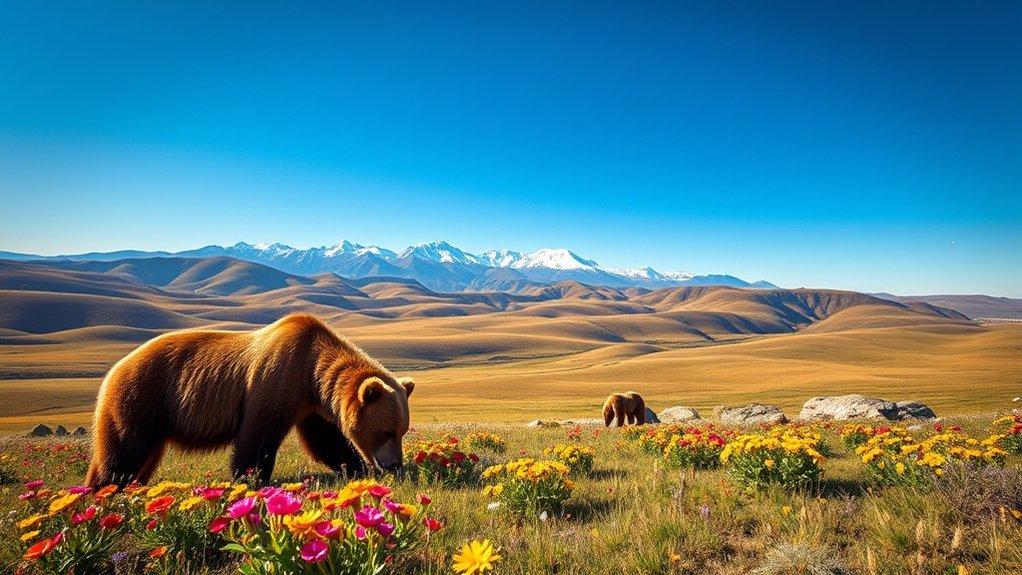
Moose and bears live in and around Anchorage, including areas close to developed neighborhoods and trails. Seeing an animal does not mean it is safe to approach.
The Alaska Department of Fish and Game recommends learning bear and moose safety before recreating outdoors. Never feed wildlife, give animals plenty of space, and do not move closer simply for a photograph.
In bear country, stay alert, avoid surprising bears, control food and attractants, and learn the recommended response to an encounter before starting your hike.
Anchorage works best when you treat it as both a city destination and a gateway to a much larger outdoor region. The closer you match each day to geography, weather, and season, the less time you will spend driving and the more time you will spend actually exploring.
Frequently Asked Questions
What is the best time of year to visit Anchorage?
Summer is the easiest season for hiking, biking, sightseeing, long daylight hours, markets, and road trips. If seeing the northern lights is more important, plan for the darker part of the year instead. Aurora viewing around Anchorage is generally best from late summer or fall through early spring, with the strongest darkness from fall through winter.
Are there public transportation options in Anchorage?
Yes. Anchorage’s People Mover bus system serves multiple parts of the urban area. It can work well for some city itineraries, but always check the current route, schedule, fare, and service alerts before relying on it for a timed attraction visit.
Do I need a rental car in Anchorage?
Not necessarily if you mainly plan to explore downtown and other city attractions. A rental car becomes much more useful for Flattop Mountain, Eklutna Lake, Girdwood, Turnagain Arm, the Alaska Wildlife Conservation Center, and other regional excursions.
What are average hotel prices in Anchorage?
There is no dependable year-round average that works for every trip. Anchorage hotel prices vary with season, location, events, room type, and booking date, and summer demand can push rates higher. Compare live prices for your exact dates rather than budgeting from a fixed historical range.
Is Anchorage family-friendly for children?
Yes. Families can choose from museums, paved trails, parks, wildlife experiences, cultural attractions, and short sightseeing trips. Match hikes and outdoor activities to children’s ages and abilities, and make sure everyone understands basic moose and bear safety.
Can I find guided tours in Anchorage?
Yes. Options can include city sightseeing, wildlife trips, hiking, photography, flightseeing, winter activities, glacier excursions, and regional day tours. Confirm the actual departure location because some experiences advertised to Anchorage visitors operate well outside the city.
How many days should I spend in Anchorage?
One full day is enough for a focused introduction, but two or three days are much more comfortable. That gives you time for downtown attractions and the Coastal Trail plus at least one larger excursion such as Flattop, Eklutna Lake, Girdwood, or the Alaska Wildlife Conservation Center.
Conclusion
Anchorage gives you an unusual mix of museums, Alaska Native culture, local food, coastal scenery, wildlife, and mountain access without requiring you to leave one regional base. Start with the Anchorage Museum, Alaska Native Heritage Center, downtown, and Tony Knowles Coastal Trail, then use extra days for Chugach State Park, Girdwood, Eklutna Lake, or the Alaska Wildlife Conservation Center. Keep distances, weather, seasonal schedules, and wildlife safety in mind, and your itinerary will be far more realistic and rewarding.
Sources
- Visit Anchorage: Things to Do in Anchorage — current destination planning, outdoor activities, seasonal experiences, and major attractions.
- Alaska State Parks: Chugach State Park Recreational Opportunities — Flattop Mountain distance, elevation gain, difficulty, scrambling, and safety information.
- Alaska Native Heritage Center: Plan Your Visit — cultural experiences, visitor information, seasonal operations, and transportation details.
- Anchorage Museum — current museum focus, exhibitions, Alaska history, art, science, and Northern culture.
- Municipality of Anchorage: People Mover — official public-transit routes, schedules, fares, and service information.
- Alaska Wildlife Conservation Center: Visit — official location, driving directions, and visitor-planning information.