Denali National Park Wildlife Viewing Guide
Wildlife sightings in Denali can feel thrilling, but the park’s animals live on their own schedule. Grizzly bears, moose, caribou, Dall sheep, wolves, and many birds move through wide habitats that shift with the season and time of day. This guide helps you choose better viewing times, safer locations, and smarter habits before you head into the park.
Quick Answer
The best wildlife viewing in Denali usually happens from late spring through early fall, especially near dawn and dusk. Look for animals along areas such as Savage River, Teklanika River, Polychrome Pass, and Wonder Lake. Keep at least 25 yards from most large animals and at least 100 yards from bears and wolves.
Key Takeaways
- Visit from late spring through early fall for the best chance of seeing active wildlife.
- Start early or stay out near dusk because many animals feed during cooler hours.
- Use binoculars or a zoom lens so you can watch wildlife without getting too close.
- Follow Denali’s distance rules, especially around bears, wolves, and moose.
- Check official park updates before your visit because road, weather, and access conditions change often.
What Wildlife Lives in Denali National Park?
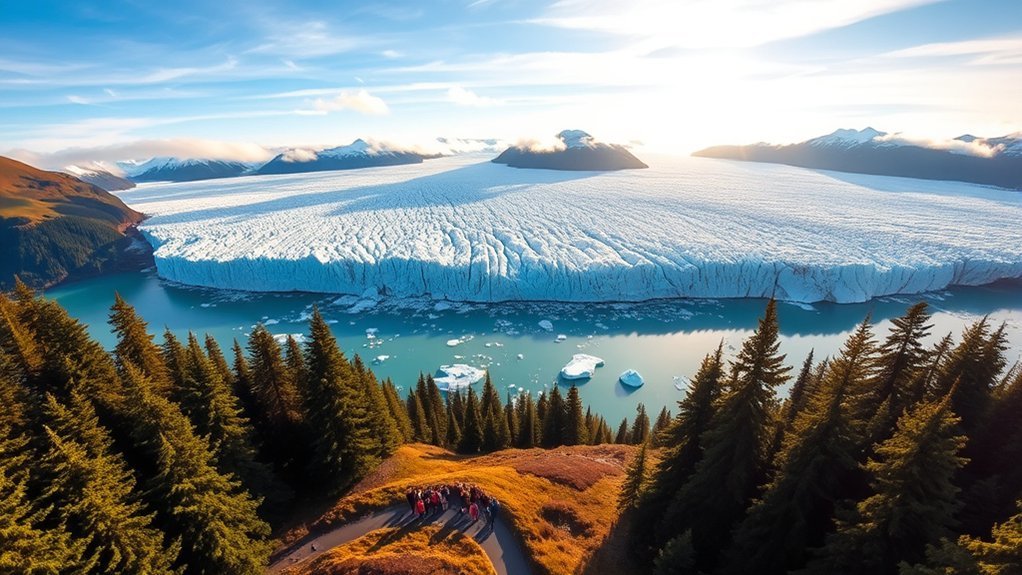
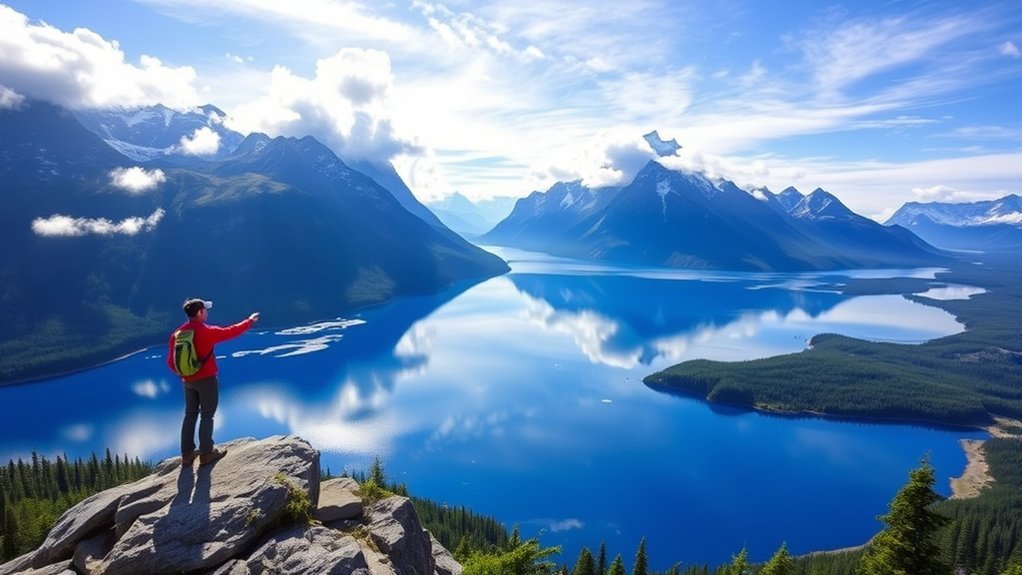
When you step into Denali National Park, you enter a vast ecosystem with forests, tundra, rivers, wetlands, and alpine slopes. The park protects many mammals, birds, fish, and smaller species that rely on these linked habitats.
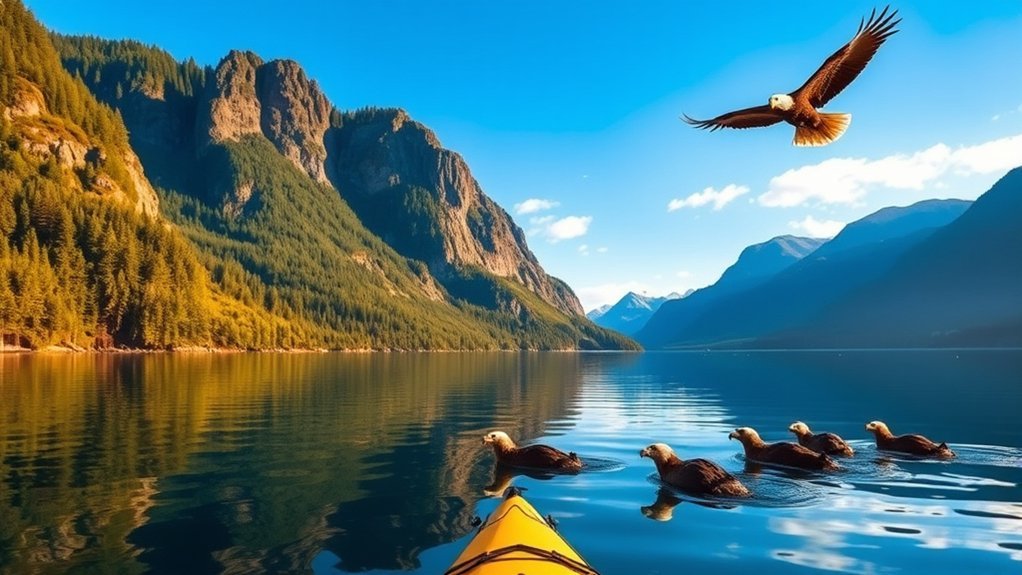
You may see grizzly bears, moose, caribou, Dall sheep, wolves, foxes, snowshoe hares, and ground squirrels. Bird watchers can also look for golden eagles, ptarmigan, waterfowl, and migratory songbirds during warmer months.
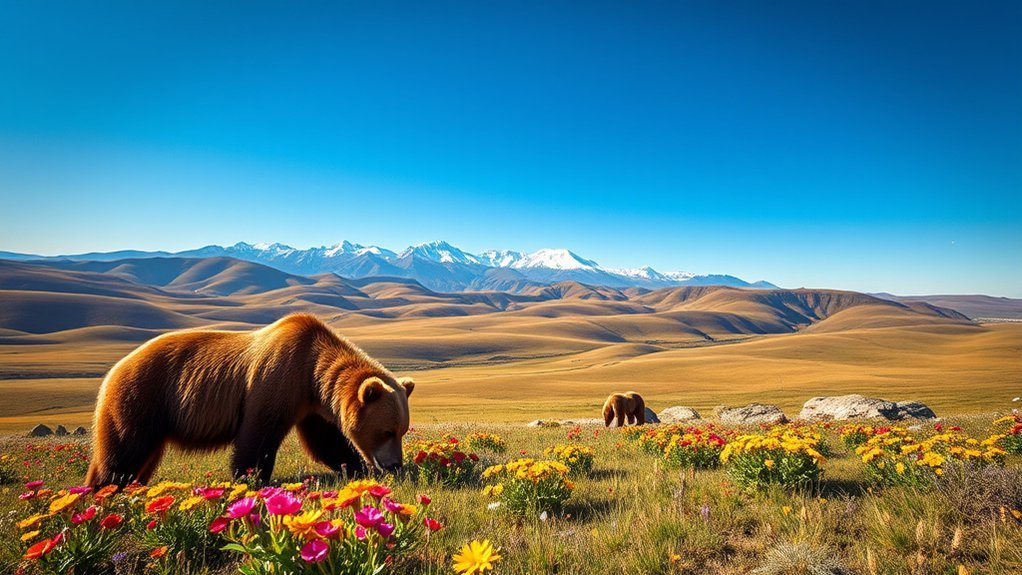
Watch caribou move across open tundra, scan rocky slopes for Dall sheep, and listen for birds in the spruce forest.
Each habitat supports different animals. Open tundra gives caribou room to travel, steep cliffs help Dall sheep avoid predators, and river corridors attract bears, birds, and smaller mammals.
Best Times for Wildlife Viewing in Denali
To improve your chances of seeing wildlife in Denali National Park, plan your visit from late spring through early fall. Animals tend to move more during these months because food is more available.
Early morning and late evening often offer the best viewing. Cooler light and lower temperatures can bring animals into open areas to feed or travel.
- Late spring: Bears, ground squirrels, and other animals become more active as snow melts and food returns.
- Summer: Moose, caribou, bears, birds, and smaller mammals use the park’s rich seasonal food sources.
- Early fall: Many animals feed heavily before winter, and caribou may become more visible during seasonal movement.
Top Locations for Wildlife Spotting in Denali
You can see wildlife throughout Denali, but some areas often give visitors better odds because animals use them for food, shelter, or travel.
The Savage River area offers good chances to spot Dall sheep on rocky slopes and moose near brushy areas. Early mornings often work best because the area has less heat and less traffic.
The Teklanika River corridor may attract bears, caribou, birds, and smaller mammals, depending on the season. Use a spotting scope or binoculars so you can scan river bars and open ground from a safe distance.
Scan broad river valleys and tundra edges from a distance, then let the animals move naturally through the landscape.
Near Polychrome Pass, wide views can help you find caribou, bears, and Dall sheep across open tundra and slopes. The Wonder Lake area can also reward patient visitors with bird sightings and broad views across wildlife habitat.
Note: Denali Park Road access can change, so check current park conditions before choosing a wildlife-viewing route.
Tips for Safe Wildlife Observation
Safe wildlife viewing protects you and keeps animals wild. Give every animal room, even if it appears calm or far away.
- Keep a safe distance: Stay at least 25 yards from most large animals and at least 100 yards from bears and wolves.
- Stay alert: Watch for fresh tracks, sudden movement, animal sounds, or a change in animal posture.
- Use viewing gear: Bring binoculars, a spotting scope, or a camera with a zoom lens.
- Store food well: Keep food, trash, and scented items secured so wildlife doesn’t connect people with food.
Warning: Never feed wildlife because human food can make animals bold, sick, or dangerous.
Understanding Animal Behavior in Denali
Animal behavior changes with light, weather, food, and season. When you understand those patterns, you can watch wildlife with more care and better timing.
Animal Activity Patterns
Many animals feed during dawn and dusk because cooler temperatures help them save energy. These times also give you softer light for spotting movement on tundra, river bars, and slopes.
- Feeding times: Look for grazing, browsing, fishing, or digging when animals search for food.
- Social behavior: Watch how animals move in groups, keep space, or react to each other.
- Habitat use: Scan cliffs for Dall sheep, brushy wetlands for moose, and open tundra for caribou.
Seasonal Behaviors Explained
In spring, bears and other animals become more active as they search for fresh food. Many birds also return to nest and feed in the park’s short growing season.
In summer, animals feed, breed, raise young, and take advantage of long daylight. By fall, many species increase feeding or shift movement as winter approaches.
In winter, caribou, ptarmigan, foxes, and other hardy species adapt to snow, cold, and limited food. Some animals travel more widely to find enough to eat.
Photography Tips for Wildlife Enthusiasts
Great wildlife photos in Denali depend on patience, distance, and light. You don’t need to crowd animals to capture a strong image.
- Know your subject: Learn common habitats and movement patterns before you arrive.
- Use natural light: Shoot in early morning or late evening for softer light and richer color.
- Compose with the landscape: Place the animal within the wider Denali setting for scale and story.
- Respect the moment: Stop shooting and back away if an animal changes behavior because of you.
Pro tip: Set your camera before you see wildlife so you don’t miss a fast, quiet moment.
Responsible Wildlife Viewing Practices
When you observe wildlife in Denali National Park, put safety and animal welfare first. Your choices can reduce stress on animals and protect their habitat.
Keep a respectful distance and never approach wildlife for a photo. If an animal moves away, changes direction, stares at you, or stops feeding, you may be too close.
Keep your distance to protect wildlife. Approaching animals can stress them and change their natural behavior.
Stay on designated trails where required, and avoid trampling fragile tundra. Use binoculars or a zoom lens for closer views without entering an animal’s space.
Do not feed animals, leave food scraps, or store snacks where wildlife can reach them. Always follow park guidelines and regulations before and during your visit.
What to Do if You Encounter a Bear
If you see a bear, stay calm, speak in a steady voice, and slowly back away. Do not run, scream, or turn your back because quick movement can trigger a chase response.
Give the bear a clear escape route and make yourself known as a person. If the bear approaches, follow current National Park Service guidance and use bear spray only as directed if the situation becomes unsafe.
Resources for Planning Your Visit
Good planning helps you spend more time watching wildlife and less time dealing with surprises. Use official park resources before you choose dates, routes, and tours.
Official Park Website
The official park website gives you key updates before your trip. Check it for weather, road status, trail access, campground details, shuttle information, and wildlife safety guidance.
- Current conditions: Review weather, road closures, and trail access before you go.
- Wildlife safety: Read current guidance on distance, food storage, and bear encounters.
- Visitor rules: Follow park regulations, Leave No Trace principles, and area-specific closures.
Visitor Centers Information
Visitor centers in Denali National Park help you plan with maps, exhibits, and ranger guidance. Staff can help you understand current wildlife activity, road access, and safety concerns.
The Denali Visitor Center and the Murie Science and Learning Center may offer displays, programs, and trip-planning help depending on the season. Check operating hours before you arrive because services change during the year.
Guided Tours Options
Guided tours can help you see more of Denali with help from trained drivers, naturalists, or local experts. Choose the tour type that matches your goals and comfort level.
- Wildlife viewing tours: Focus on spotting animals while learning about habitat and behavior.
- Photography tours: Help you work with light, distance, timing, and composition.
- Adventure tours: May include hiking, rafting, or flightseeing for a more active park experience.
Frequently Asked Questions
What types of wildlife can I expect to see in Denali?
You may see grizzly bears, moose, caribou, Dall sheep, wolves, foxes, snowshoe hares, and many bird species. Sightings depend on season, weather, location, and animal movement.
Are guided wildlife tours available in the park?
Yes, Denali offers guided and narrated tour options through approved park services and operators. These tours can improve your chances of spotting wildlife because guides know common habitats and safe viewing practices.
Can I bring my pet while wildlife viewing?
Pets face strict limits in Denali and cannot join you on most trails or in the backcountry. Leave pets at home when possible because they can disturb wildlife and limit where you can go.
What should I do if I encounter a bear?
Stay calm, speak softly, and slowly back away while facing the bear. Do not run or approach it, and give the bear room to leave.
Are drones allowed in Denali National Park?
Denali National Park does not allow recreational drone launches, landings, or operation without proper authorization. This rule helps protect wildlife, visitors, and the park’s natural soundscape.
Conclusion
Denali rewards patient wildlife watchers who give animals time, space, and respect. Plan your visit around active viewing hours, choose broad habitats like river corridors and tundra overlooks, and use binoculars instead of getting close.
Before you go, check official park conditions and review wildlife safety guidance. With smart planning, you can enjoy Denali’s animals while helping protect the wild behavior that makes each sighting special.
References
- Animals — National Park Service
- Safety — National Park Service
- Pets — National Park Service
- Unmanned Aircraft in the National Parks — National Park Service