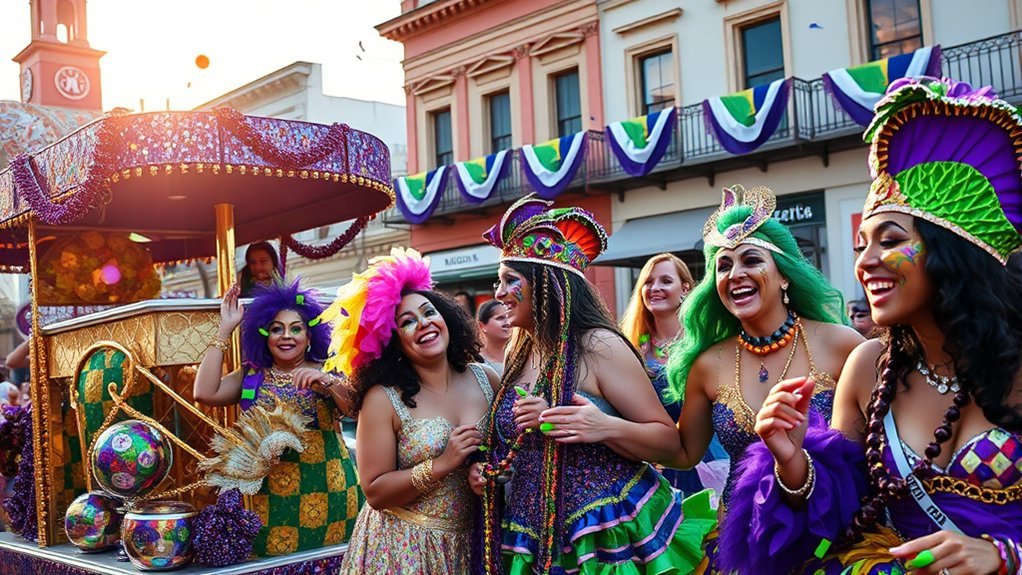
Mobile, Alabama, is the birthplace of Mardi Gras in the United States, hosting the nation’s oldest annual Carnival celebration since 1703. Kicking off each year on January 6 (Twelfth Night) and culminating on Fat Tuesday, the Port City transforms into weeks of vibrant street parades, marching bands, formal masked balls, and flying MoonPies. Whether you are navigating the downtown routes or catching throws on Government Street, this guide covers everything you need to experience Mobile Mardi Gras like a seasoned local.
Quick Answer
Mobile Mardi Gras begins every year on January 6 (Twelfth Night) and runs through Fat Tuesday (the day before Ash Wednesday). Major public parades roll through downtown Mobile over the final two-and-a-half weeks of the season, featuring iconic krewes like the Conde Cavaliers, Mystic Stripers, Infant Mystics, and the popular Joe Cain Day parade.
Key Takeaways
- America’s First Carnival: Mobile celebrated the first recorded Mardi Gras in America in 1703—15 years before New Orleans was founded.
- Signature Throws: Mobile’s most famous parade throw is the marshmallow-filled MoonPie, alongside beads, plush toys, and commemorative doubloons.
- Prime Viewing: Government Street, Royal Street, and Bienville Square offer the best sightlines for major float processions.
- Joe Cain Day: Held the Sunday before Fat Tuesday, this massive celebration honors the man who revived Mobile Carnival after the Civil War.
- Open Container Rules: Drinks are permitted in downtown entertainment zones only in designated plastic cups; glass containers are strictly prohibited.
Overview of Mobile Mardi Gras History
While New Orleans often receives international acclaim for Carnival, Mobile, Alabama, is the verified birthplace of Mardi Gras in North America. In 1703, French settlers established the tradition at Fort Louis de la Louisiane (the original site of Mobile), celebrating French Catholic festivities before the fasting season of Lent.
In 1830, Mobile formed the Cowbellion de Rakin Society, introducing organized themed parades and street revelry. After the Civil War halted celebrations, local clerk Joe Cain revived Carnival in 1866 by dressing as a fictional Native American chief named “Slacabamorinico,” parading through Union-occupied Mobile on a decorated coal wagon. Today, Mobile’s Carnival is managed by dozens of historic mystic societies and brings more than a million visitors to downtown Mobile each season.
“Mobile’s Mardi Gras tradition dates back to 1703, celebrating more than three centuries of community revelry, masked pageantry, and Gulf Coast heritage.”
Key Dates and Season Timeline
Mobile Mardi Gras follows the traditional liturgical calendar, meaning exact dates shift each year depending on the date of Easter. However, the season’s milestones always follow a structured timeline:
- January 6 (Twelfth Night / Epiphany): The official start of Carnival season, marked by the annual King Cake Cutting Ceremony at Mobile Government Plaza.
- Two Weeks Before Fat Tuesday: Nightly and weekend parades begin rolling through downtown Mobile, ramping up in frequency and float sizes.
- Joe Cain Day (The Sunday Before Fat Tuesday): Known as “The People’s Parade,” this day honors Joe Cain with the Joe Cain Procession, Mistresses of Joe Cain, and neighborhood street parties.
- Lundi Gras (The Monday Before Fat Tuesday): Features afternoon and evening parades hosted by historic mystic societies such as the Infant Mystics and the Order of Doves.
- Fat Tuesday (Mardi Gras Day): The grand finale featuring back-to-back daylong parades starting with the Order of Athena, the Mobile Area Mardi Gras Association (MAMGA), and the Comic Cowboys, concluding at midnight before Ash Wednesday.
Pro Tip: To explore historic royal regalia, float designs, and dynasty gowns year-round, visit the Mobile Carnival Museum located in downtown’s historic district.
Must-See Parades and Downtown Routes
More than 40 parades roll through Mobile during Carnival season, each organized by a distinct mystic society or krewe with unique float themes, marching bands, and throws.
Key Mystic Societies and Parades
- Conde Cavaliers: One of the largest early-season parades, famous for massive multi-unit floats, vibrant lighting displays, and brass bands.
- Mystics of Time: A premier night parade famous for its giant fire-breathing serpent float named “Vernadean” and elaborate lighting.
- Mobile Area Mardi Gras Association (MAMGA): Founded in 1938, MAMGA hosts the Grand Boulevard Parade and the Mammoth Parade on Fat Tuesday, showcasing exceptional marching bands and royal courts.
- Infant Mystics: Mobile’s second-oldest active parading society, rolling on Lundi Gras night with traditional floats lit by flambeaux torches.
- Comic Cowboys: Parading on Fat Tuesday since 1884, this society is known for satirical handmade placards commenting on current politics and pop culture.
Understanding Mobile Parade Routes
Most parades in downtown Mobile follow standardized city routes—primarily Route A and Route C. These routes loop through the heart of the business and entertainment districts:
- Route A: Typically begins at the Mobile Civic Center, travels east on Government Street, turns north onto Royal Street, heads west along Dauphin Street, and returns down Claiborne or Conception Street.
- Route C: A streamlined route often used during high-traffic weekend evenings and daytime processions to maximize crowd sightlines around Cathedral Square and Bienville Square.
Parade Throws: MoonPies, Beads, and Doubloons
In Mobile, parade throws are an art form. While plastic beads and cups are standard, Mobile is world-renowned for throwing MoonPies. In the 1950s, krewes began throwing individually wrapped MoonPies—a soft, round marshmallow-filled graham cracker sandwich coated in chocolate, banana, vanilla, or salted caramel—as an alternative to heavy boxed Cracker Jacks.
Today, millions of MoonPies are tossed from floats each Carnival season. Other prized throws include:
- Aluminum Doubloons: Collectible metal coins stamped with the krewe’s emblem, motto, and parade year.
- Handmade Specialty Throws: Hand-decorated items like custom sunglasses, light-up toys, and society-branded stuffed animals.
- Cracker Jacks & Serpentine: Classic nostalgic carnival snacks and rolls of paper serpentine tossed into the branches of live oaks.
Warning: Never step off the curb past police barricades to grab a throw from the street. Keep hands up to protect your face, and let flying throws come to you.
Best Viewing Spots for Parades
Choosing the right spot along the parade path determines your entire experience:
- Government Street: The widest avenue along the route. It accommodates large crowds, offers great views of tall floats, and provides ample space for folding chairs.
- Royal Street: A narrow corridor surrounded by historic architecture, creating an energetic and immersive atmosphere where throws come down in heavy volume.
- Bienville Square: The historic central park in downtown Mobile, ideal for families setting up blankets under the moss-draped live oak trees.
- Cathedral Square: Located near Dauphin Street, this spot offers access to nearby food trucks, restrooms, and local downtown restaurants.
Tips for First-Time Mardi Gras Visitors
To maximize your enjoyment and avoid common logistical pitfalls during the festivities:
- Dress for Changing Weather: Winter along the Gulf Coast can swing from 40°F damp evenings to 70°F sunny afternoons. Wear layers and comfortable, closed-toe walking shoes.
- Bring a Catch Bag: Bring a sturdy tote bag or large canvas sack to carry your MoonPies, beads, and doubloons.
- Arrive Early for Parking: Downtown roads close 1–2 hours before scheduled parade start times. Arrive well ahead of time to secure parking in public decks.
- Bring Cash: While many vendors take cards, cash speeds up transactions at street food stalls, parking lots, and souvenir stands.
Local Cuisine to Try During Mardi Gras
Carnival season on the Gulf Coast is a celebration of Southern and Creole culinary traditions.
Classic Gulf Coast Specialties
- Seafood Gumbo: A dark-roux stew loaded with Gulf shrimp, blue crab, Conecuh sausage, and okra, served over steamed rice.
- Jambalaya: A slow-simmered rice dish with smoked sausage, chicken, peppers, onions, and Cajun spices.
- West Indies Salad: A classic Mobile dish invented in 1947, consisting of jumbo lump blue crab meat, minced onion, ice water, cider vinegar, and vegetable oil.
- Fried Gulf Catfish and Oysters: Served hot with seasoned hushpuppies and house-made remoulade sauce.
Sweet Treats and Bakery Classics
- King Cake: A braided, cinnamon-infused yeast dough topped with icing and purple, green, and gold sugar, often filled with cream cheese or praline filling.
- Beignets: Fried pastry squares dusted with powdered sugar, best paired with chicory coffee.
- Pralines: Traditional Gulf Coast confections made of caramelized pecans, sugar, butter, and heavy cream.
Where to Stay: Hotels and Accommodations
Downtown accommodations place you within walking distance of all major parade routes, eliminating the need to drive and park each day:
- Downtown Hotels: Properties such as The Battle House Renaissance Mobile Hotel & Spa, The Admiral, and the Renaissance Riverview Plaza sit directly on or adjacent to primary parade routes.
- Midtown Historic Districts: Boutique bed-and-breakfasts in the Oakleigh Garden District and De Tonti Square offer historic charm just a short rideshare from the parade lines.
- West Mobile / Airport Boulevard: Budget-friendly hotels located 10–15 miles west of downtown, suitable for visitors with vehicles.
Note: Downtown hotels typically book out 6 to 12 months in advance for peak Mardi Gras weekends (Joe Cain Day through Fat Tuesday). Reserve your lodging early.
Family-Friendly Activities and Events
Mobile Mardi Gras is renowned for its family-friendly atmosphere. Designated alcohol-free family zones are maintained along segments of the downtown routes, making it safe for children to catch throws.
Highlights for families include:
- Mardi Gras Kids Parades: Smaller daytime processions featuring school bands, youth floats, and safe viewing areas.
- Bienville Square Daytime Festivities: Open lawn spaces where families can picnic, watch bands rehearse, and trade beads.
- GulfQuest National Maritime Museum of the Gulf of Mexico: Located along the Mobile River waterfront, offering interactive maritime exhibits for kids between parade runs.
Safety Tips and City Regulations
The City of Mobile enforces specific municipal ordinances during Carnival to ensure public safety:
- Glass Container Prohibition: Glass bottles and containers are illegal on public streets and sidewalks within the parade and entertainment zones.
- Approved Plastic Cups: Alcoholic drinks must be carried in designated, approved plastic cups within the boundaries of the Downtown Mobile Entertainment District.
- No Crossing Barricades: Crossing parade barricades while floats or marching bands are rolling will result in removal or fines by law enforcement.
- Designate a Meeting Point: Cell service can become congested near high-density crowds along Dauphin and Royal Streets. Pick a recognizable landmark (such as the Bienville Square fountain) to regroup if separated.
How to Get Involved in the Festivities
You do not need to belong to a mystic society to fully participate in Mobile Mardi Gras. Visitors can participate by:
- Walking in the Joe Cain Procession: The Sunday Joe Cain parade welcomes independent marchers, decorated wagons, and costumed revelers.
- Attending Public Balls and Concerts: Several organizations sell public tickets to formal Carnival galas and live music stages downtown.
- Volunteering with Local Cultural Societies: Community groups and historical societies frequently accept volunteer assistance for float staging, museum tours, and event operations.
Frequently Asked Questions
What should I wear to Mobile Mardi Gras events?
For daytime and evening street parades, casual attire dressed up in traditional Carnival colors (purple, green, and gold) is standard. Wear weather-appropriate layers and comfortable closed-toe walking shoes. Formal masked balls (Bal Masque) require strict black-tie attire, such as floor-length evening gowns and tuxedos with tails.
Are there any age restrictions for attending Mobile Mardi Gras?
No, street parades and public viewing areas are open to all ages. Mobile Mardi Gras has a strong family-friendly reputation with alcohol-free zones available. However, evening bars and private krewe balls have strict 21+ age limits.
Where can I find parking during Mardi Gras parades?
Parking is available at downtown municipal garages, including the Mobile Civic Center Lot, GulfQuest Maritime Museum lot, Mobile Convention Center Deck, and Riverview Plaza Deck. Arrive at least two hours before parade times, as downtown access streets close prior to float rollouts.
Can I bring my own drinks to the parades?
You may carry drinks in plastic cups, cans, or insulated mugs. Glass containers and bottles are strictly prohibited by city law along all parade corridors. Within the Downtown Mobile Entertainment District, alcoholic beverages purchased from licensed establishments must be consumed in approved plastic cups.
What are the best apps for tracking Mobile Mardi Gras parades?
The official Mobile Mask platform and the Fox10 Parade Tracker app provide real-time GPS tracking of parade floats, current weather updates, road closure notices, and route maps throughout the season.
Conclusion
Experiencing Mardi Gras in Mobile means stepping directly into American history. From the historic pageantry of Twelfth Night to the flying MoonPies of Joe Cain Day and Fat Tuesday, Mobile’s Carnival is an authentic, family-welcoming celebration steeped in deep Southern heritage. Plan your route early, follow local safety guidelines, bring a sturdy catch bag, and get ready to enjoy the oldest Carnival tradition in the nation.
Sources
- Mobile Carnival Museum — Official archives of Mobile Carnival history, mystic societies, and royal court traditions.
- City of Mobile Official Portal — Parade route schedules, downtown parking regulations, and public safety guidelines.
- Visit Mobile Tourism Board — Visitor logistics, accommodations directory, and schedule of Carnival events.