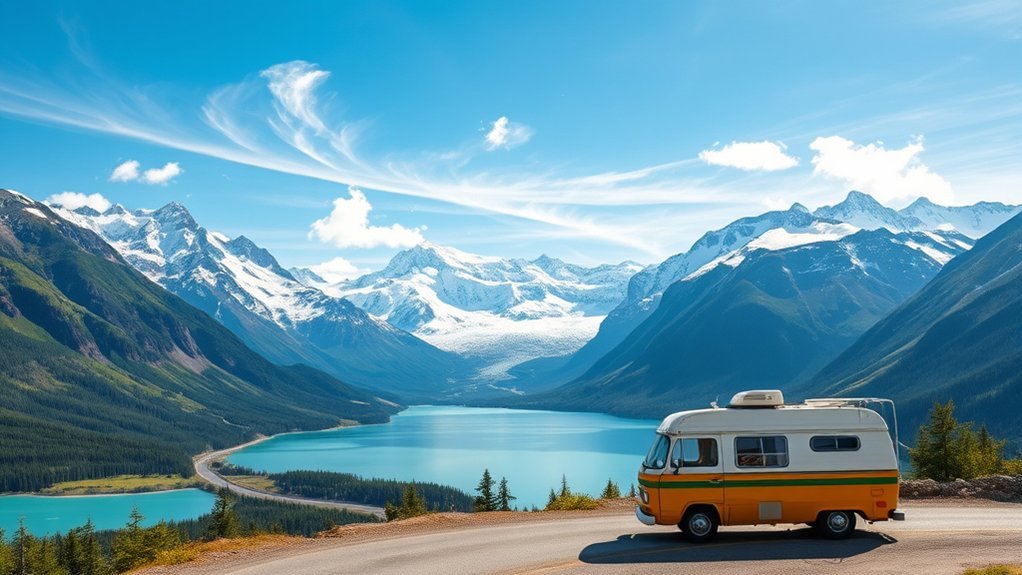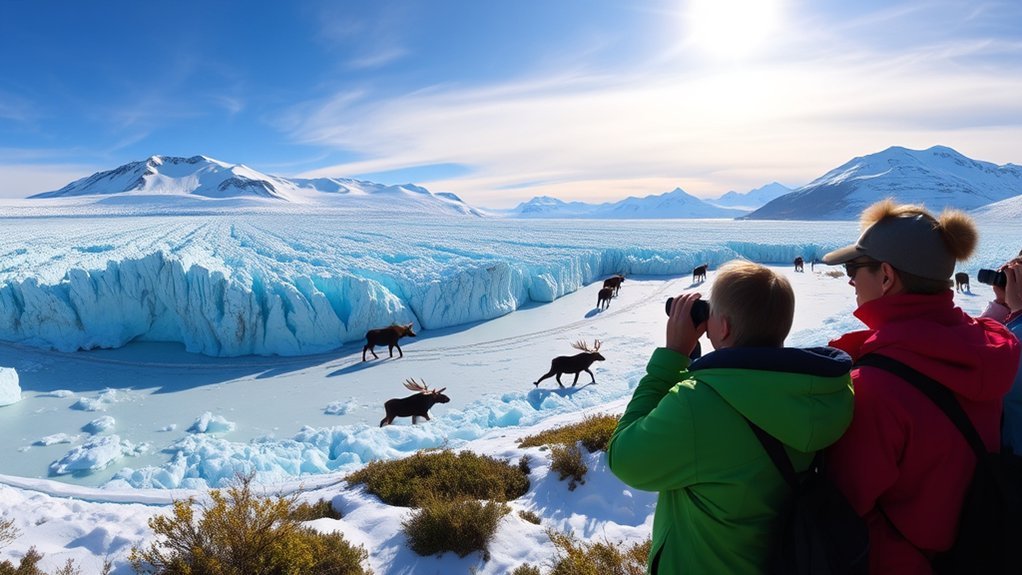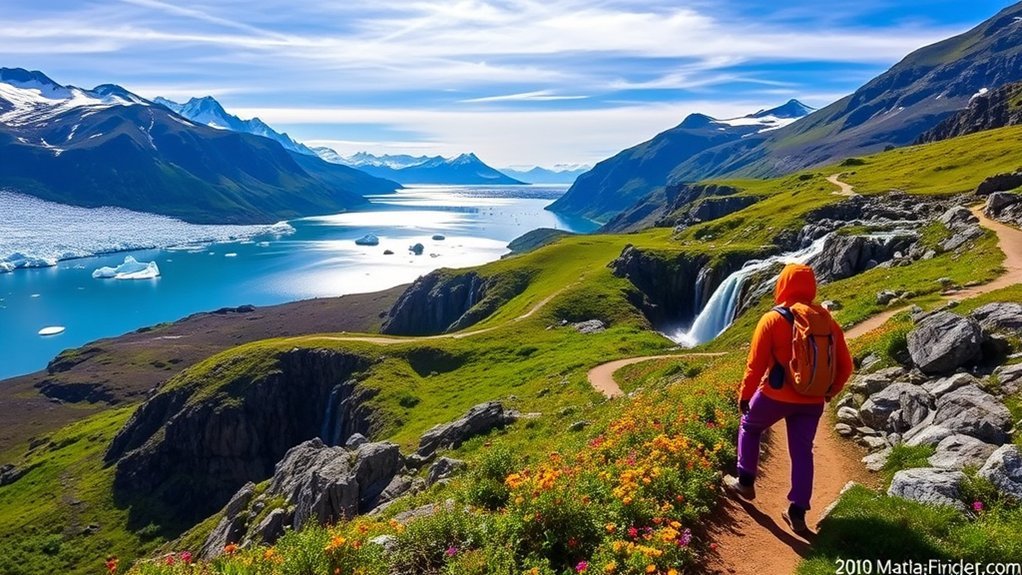
Kenai Fjords National Park is one of Alaska’s most dramatic places for hiking, with trails that move from coastal forest to glacier viewpoints, rocky beaches, river valleys, and wide-open alpine scenery. The best hikes in Kenai Fjords National Park include Exit Glacier Trail, Harding Icefield Trail, Tonsina Point Trail, Lowell Point Trail, Caines Head Trail, Skyline Trail, and nearby coastal routes that showcase the park’s glaciers, wildlife, and rugged shoreline. Use this guide to compare the main trails, know what to expect, and choose the hike that fits your time, fitness level, and adventure style.
Quick Answer
The best hike in Kenai Fjords National Park for glacier views is the Harding Icefield Trail, while Exit Glacier Trail is the easiest official park hike for most visitors. For coastal scenery, wildlife, and forest walking near Seward, Tonsina Point Trail, Lowell Point Trail, and Caines Head Trail are strong choices.
Key Takeaways
- Choose Exit Glacier Trail if you want the most accessible glacier-view hike in the park.
- Choose Harding Icefield Trail if you want the toughest and most rewarding day hike near Exit Glacier.
- Choose Tonsina Point, Lowell Point, or Caines Head for coastal forest, beach views, and possible marine wildlife sightings.
- Some routes often described with Kenai Fjords hiking are near the park or require access by boat, water taxi, or local trail systems, so confirm access before you go.
- Weather, snow, tides, bears, and changing trail conditions can affect your hike, especially on longer or coastal routes.
At a Glance
| Best Easy Glacier Hike | Exit Glacier Trail |
| Best Challenging Hike | Harding Icefield Trail |
| Best Coastal Hikes | Tonsina Point Trail, Lowell Point Trail, and Caines Head Trail |
| Main Safety Concerns | Fast-changing weather, bears, snow, mud, steep grades, slippery roots, and tide timing on coastal routes |
Warning: Trail names, access routes, and conditions can change by season. Before hiking, check current park alerts, tide charts for coastal routes, and local access details, especially for longer hikes or routes that may require a water taxi.
Exit Glacier Trail
The Exit Glacier Trail is one of the most popular hikes in Kenai Fjords National Park because it gives you a close look at glacier-carved scenery without needing a full-day backcountry plan. It is a strong choice if you want an easier walk, a family-friendly route, or your first taste of the park’s icy landscape.
As you follow the path, the setting shifts from forest and open viewpoints to striking views of Exit Glacier. The changing landscape makes the hike feel memorable even if you only have a short amount of time near Seward. Interpretive signs and glacier markers may also help you understand how the glacier has changed over time.
You may see wildflowers in season, birds moving through the trees, and signs of larger wildlife in the area. Bears can be present in this part of Alaska, so stay alert, make noise where visibility is limited, and keep food packed away. The trail can also feel much colder near the ice than it does near the parking area.
The trail’s manageable difficulty makes it useful for travelers who want beauty without committing to the steeper Harding Icefield Trail. Still, you should wear sturdy shoes, carry water, and bring layers because weather around glaciers can shift quickly.
Pro Tip: Hike Exit Glacier early in the day if you want easier parking, cooler temperatures, and quieter viewpoints before the busiest visitor hours.
Harding Icefield Trail
After soaking in the beauty of Exit Glacier, the Harding Icefield Trail is the bigger challenge. This route is often considered the signature strenuous hike in the Exit Glacier area, and it rewards steady effort with sweeping alpine views, glacier scenery, and a powerful sense of scale.
The trail climbs through forest, brushy slopes, and open terrain before reaching views of the Harding Icefield. The full hike is demanding, so it is best for hikers who are comfortable with elevation gain, changing weather, and several hours on the trail. Snow can linger high on the route, and the upper section can feel exposed in poor weather.
As you ascend, the air often grows cooler, and the views widen. You may see mountain goats on high slopes, marmots in rocky areas, or bear activity along lower sections. Give all wildlife plenty of space and never approach animals for photos.
The trail demands effort, but the panoramic views near the top reward your perseverance. Standing near the edge of the icefield, you may feel connected to the wild beauty of Alaska in a way that stays with you long after the hike is over.
Note: Harding Icefield Trail is not just a longer version of Exit Glacier Trail. It is steeper, more exposed, and more physically demanding, so start early and carry enough layers, water, food, and rain protection.
Tonsina Point Trail
Tonsina Point Trail offers an accessible yet rewarding adventure near the Kenai Fjords region. It is especially appealing if you want coastal scenery, forest walking, and beach views without choosing one of the hardest hikes in the area.
As you hike, you’ll encounter stunning vistas that showcase the rugged coastline and glistening waters. The trail mixes spruce forest, shoreline views, and peaceful sections where the sound of waves and birds gives the hike a slower, more relaxed rhythm.
Keep your eyes peeled for wildlife, as this trail is a good area for watching marine life from a respectful distance. You may spot sea otters, seals, bald eagles, seabirds, or signs of bears depending on the season and conditions.
Trail Overview
As you set out on the Tonsina Point Trail, you’ll immediately be captivated by the stunning coastal views and the vibrant tapestry of Alaskan flora.
This hike is often described as a moderate coastal route, making it a good fit for both seasoned adventurers and visitors who want a scenic half-day outing. The path moves through lush forest, with towering spruce, mossy ground, wildflowers in season, and gentle elevation changes that lead toward shoreline viewpoints.
At the trail’s end, the coastal setting opens wide. You may find beach access, tide-influenced areas, and beautiful views across the water. Because this is a coastal route, check tide conditions before you go and avoid risky crossings or slippery shoreline sections.
With each step, you’ll feel a sense of freedom and connection to the untamed beauty surrounding you, making this hike a memorable part of a Kenai Fjords-area trip.
Scenic Highlights
While you navigate the Tonsina Point Trail, the breathtaking vistas unfold around you, inviting you to pause and soak in the scenery. You’ll encounter dramatic shoreline views, lush greenery, and shimmering water that create a strong sense of escape.
Here’s a snapshot of the trail’s scenic highlights:
| Feature | Description | Best Viewing Time |
|---|---|---|
| Ocean Views | Expansive coastal vistas | Morning |
| Mountain Peaks | Majestic, towering ranges | Late afternoon |
| Wildflowers | Seasonal color along the trail | Late spring to summer |
| Glacial Streams | Cold meltwater and forest drainage | Early summer |
| Sunset Over Fjords | Soft evening light over the water | Evening |
Take your time here. The trail is not only about reaching the end point; it is also about the small coastal details along the way.
Wildlife Spotting Opportunities
Amidst the stunning landscapes of the Tonsina Point Trail, you’ll find an abundance of wildlife that brings the area to life.
As you trek along, keep your eyes peeled for sea otters bobbing in the water and seals resting near rocky shores. The trail also offers opportunities to spot bald eagles soaring overhead, their sharp eyes scanning for fish.
If you’re lucky, you might even catch a glimpse of a black bear foraging in the distance. Keep your distance, make noise in brushy areas, and never leave food or scented items unattended.
Don’t forget to listen for the calls of distant seabirds and the rustle of life hidden within the vibrant foliage. Each step along the trail immerses you in the rich tapestry of nature’s wonders.
Bear Glacier Trail
The Bear Glacier Trail is often mentioned by visitors who want to experience the wild glacier scenery associated with Kenai Fjords. Before planning this route, confirm current access and local guidance, because glacier-area routes can involve remote terrain, water access, private or unofficial approaches, and changing conditions.
When viewed from safe and appropriate access points, Bear Glacier scenery is unforgettable. Blue ice, rugged slopes, floating ice, and open water create one of the most dramatic landscapes in the region. It is the kind of place that reminds hikers how powerful and unpredictable glacier country can be.
If you explore any route near Bear Glacier, expect a more serious outing than a simple front-country walk. Conditions may include rough ground, wet areas, slippery rocks, cold wind, and limited services. You should carry proper gear, travel with a plan, and use local guidance when needed.
Wildlife may include soaring eagles, sea otters, seals, and bears in nearby habitat. Keep your eyes open, give animals space, and avoid moving onto unstable ice, steep snow, or unknown shoreline terrain.
This area embodies adventure and serenity, but it also demands respect. Treat Bear Glacier as a remote glacier environment, not a casual stroll.
Lowell Point Trail
The Lowell Point Trail offers a fantastic blend of lush landscapes and stunning coastal views near Seward and the Kenai Fjords gateway area. It is a good option if you want a forested shoreline walk with easier access than remote backcountry routes.
As you hike, keep an eye out for the diverse wildlife that calls this coastal area home. Birds, marine mammals, and signs of larger animals may appear depending on the season, time of day, and tide conditions.
While the trail is generally approachable, knowing a few tips about its difficulty can help you enjoy every moment safely. Expect roots, mud, wet boardwalks or slick sections after rain, and changing coastal weather.
Trail Overview and Features
Winding through lush coastal forests and offering stunning views of the surrounding fjords, the Lowell Point Trail captivates hikers with its diverse landscapes.
This well-loved path is suitable for many hikers because it combines forest scenery, shoreline atmosphere, and manageable grades. As you stroll along, the trail’s gentle inclines and descents create a rhythm that invites exploration rather than rush.
You’ll find yourself immersed in a vibrant tapestry of wildflowers, towering spruce trees, moss, and rocky outcrops. The trail may also pass near shoreline areas where the soothing sound of waves accompanies your walk.
With scenic resting spots along the way, take a moment to pause and absorb the serenity. Each step unfolds a new aspect of this enchanting coastal wilderness, igniting your spirit of adventure.
Wildlife and Scenic Views
As you begin the Lowell Point Trail, keep your eyes peeled for the rich wildlife that calls this coastal haven home.
You may spot sea otters floating offshore, harbor seals resting near rocks, or eagles soaring above the water. Look up often, because raptors and seabirds may pass overhead while you are focused on the trail below.
The trail also offers stunning views of turquoise water, forested slopes, and rugged coastal edges. Wildflowers bloom vibrantly along the path in season, adding small bursts of color to the larger landscape.
Each step brings you closer to the pulse of this wild environment, inviting you to breathe deeply and embrace the freedom of the great outdoors. Bring a camera, but keep enough space between you and wildlife so the experience stays safe for both you and the animals.
Trail Difficulty and Tips
Traversing the Lowell Point Trail offers a moderate challenge that rewards hikers with coastal views and rich natural experiences. As you navigate through forest and shoreline scenery, keep these essential tips in mind.
| Tip | Description | Importance |
|---|---|---|
| Wear sturdy shoes | Good traction helps on uneven, damp, or rooty paths | Prevents slips and injuries |
| Bring water | Stay hydrated throughout the hike | Maintains energy and focus |
| Check weather | Coastal conditions can change rapidly | Improves safety and preparedness |
| Start early | Enjoy cooler temperatures and quieter trail time | Maximizes daylight |
| Respect wildlife | Observe animals from a distance | Protects both you and the animals |
With these tips in mind, you’re set to embrace the freedom and beauty this trail has to offer.
Resurrection River Trail
The Resurrection River Trail offers an unforgettable adventure through the broader Seward and Kenai Peninsula landscape. While it is often discussed by travelers exploring the Kenai Fjords area, confirm the exact trailhead, route, and land status before you go so your plan matches current local conditions.
As you trek along this picturesque path, you may encounter breathtaking vistas, forested sections, river scenery, and peaceful stretches that feel far from town. This trail is perfect for hikers seeking both solitude and a connection with nature.
- Enjoy the gentle sounds of the flowing river.
- Spot diverse wildlife, from playful otters near water to eagles overhead.
- Discover rich flora, including wildflowers, moss, and towering trees.
- Experience the calm rhythm of river-valley hiking.
You’ll find that each step along the Resurrection River Trail reveals new wonders, creating a sense of liberation as you immerse yourself in the beauty surrounding you.
Because river routes can be affected by rain, flooding, mud, and changing water levels, check conditions before setting out. Carry layers, water, snacks, and navigation, especially if you plan to go beyond a short out-and-back walk.
Caines Head Trail
Caines Head Trail offers an exhilarating coastal experience that leads you through some of the most breathtaking scenery near the Kenai Fjords gateway area. It is a strong pick for hikers who want forest, beach, history, and ocean views in one route.
As you begin this hike, you’ll find yourself surrounded by lush forest, stunning coastal views, and the sounds of nature echoing around you. The trail follows the Resurrection Bay area, with opportunities to spot wildlife like sea otters, seals, seabirds, and eagles.
As you continue, the panoramic vistas unfold, rewarding your effort with sweeping views of rugged coastline and distant mountains. The historic Caines Head area adds another layer of interest, connecting natural beauty with Alaska’s coastal history.
Because this route can include tide-sensitive beach sections, plan carefully. Check tide tables, know your turnaround time, and avoid getting trapped by rising water. A water taxi may also be part of some Caines Head plans, depending on your route and itinerary.
Feel the liberation of nature as you explore this unforgettable trail, but respect the coast. Slippery rocks, cold water, and fast-changing weather can turn a beautiful hike into a risky one if you are not prepared.
Skyline Trail
Skyline Trail is a must-visit for hikers seeking an unforgettable adventure in the Seward area. Although it is often included in Kenai Fjords trip planning, confirm the exact trail location, access, and current conditions before adding it to a national park hiking itinerary.
This stunning hike offers breathtaking views and a sense of freedom that every outdoor enthusiast craves. It is best suited for hikers who are comfortable with a steeper climb and want big views rather than a flat forest walk.
As you traverse the trail, you may experience:
- Panoramic vistas of valleys, mountains, and coastal terrain
- Vibrant wildflowers during the summer months
- Opportunities to spot wildlife like bears, birds, and mountain goats in suitable habitat
- An exhilarating ascent that challenges and rewards
Each step brings you closer to nature’s beauty, allowing you to breathe in the crisp air and feel invigorated.
The higher you climb, the more the landscape opens around you, turning a tough ascent into one of the most rewarding views near Seward.
The trail weaves through natural terrain and opens up to breathtaking overlooks, making it a perfect escape from ordinary sightseeing. Bring layers, check the weather, and turn back if clouds, wind, or slippery conditions make the ridge feel unsafe.
Aialik Bay Trail
While exploring Kenai Fjords National Park, you won’t want to miss the beauty of Aialik Bay. Aialik Bay is better known for boat-based glacier and wildlife experiences than simple road-access hiking, so confirm current trail access, guide options, and transportation before planning an Aialik Bay hike.
A route in this area can lead you through diverse landscapes and stunning coastal views. Depending on access and conditions, you may encounter forest, shoreline, sparkling streams, and breathtaking cliffs. The setting is remote, wild, and deeply connected to the marine side of Kenai Fjords.
As you explore, listen for the distant calls of sea lions and watch for otters in the bay below. You may also see seabirds, seals, glacier views, and towering mountains that make the area feel far removed from everyday life.
The reward is the sense of being close to the heart of Kenai Fjords: ice, ocean, rock, forest, and wildlife all meeting in one dramatic place. Bring a camera, but make safety your first priority. Remote coastal hiking requires planning, reliable access, weather awareness, and the right gear.
Whether you seek adventure or tranquility, Aialik Bay promises an unforgettable journey into the heart of nature’s beauty when planned with care.
How to Choose the Right Kenai Fjords Hike
The best Kenai Fjords hike depends on your time, fitness level, transportation, and comfort with Alaska conditions. A short visitor with limited time may be happiest at Exit Glacier, while a strong hiker with a full day may prefer Harding Icefield Trail.
If you want glacier scenery, prioritize Exit Glacier Trail or Harding Icefield Trail. If you want coastal forest, beach views, and marine wildlife, look at Tonsina Point Trail, Lowell Point Trail, and Caines Head Trail. If you want remote scenery, study access carefully before considering Bear Glacier or Aialik Bay routes.
For beginners, the safest plan is to choose a well-used trail, start early, check current conditions, and turn around before you feel exhausted. For experienced hikers, longer routes can be outstanding, but only if you respect tide timing, weather, and wildlife safety.
What to Pack for Hiking in Kenai Fjords
Even short hikes in Kenai Fjords can feel more serious because of rain, wind, cold air near glaciers, and limited services. Pack for changing conditions rather than perfect weather.
- Layered clothing: Bring a moisture-wicking base layer, warm layer, and rain shell.
- Sturdy footwear: Choose hiking shoes or boots with good traction for mud, roots, rock, and wet trail sections.
- Water and snacks: Carry more than you think you need, especially for Harding Icefield Trail or longer coastal hikes.
- Bear safety gear: Know how to travel in bear country and carry bear spray where appropriate and legal.
- Navigation: Bring a map, downloaded offline route, or GPS backup, especially for less familiar trails.
- Sun and bug protection: Sunglasses, sunscreen, and insect repellent can help during summer hikes.
- Tide information: Carry tide details for coastal routes where beach sections may be affected.
Safety Tips Before You Go
Kenai Fjords hiking is beautiful, but the environment is not casual. Weather can move fast, trails can be muddy or snowy, and wildlife encounters are possible. A careful plan helps you enjoy the park without unnecessary risk.
- Check current trail conditions: Look for closures, snow, bear activity, or washed-out sections before leaving.
- Start early: This gives you more daylight and more time to turn around if conditions change.
- Respect wildlife: Keep distance from bears, moose, goats, seals, otters, and nesting birds.
- Stay on marked trails: Shortcuts can damage fragile areas and increase your chance of injury.
- Watch the tides: Coastal hikes can become dangerous when rising water blocks your return.
- Tell someone your plan: Share your trail, start time, and expected return time.
- Turn back when needed: Poor visibility, fatigue, snow, or rising water are all valid reasons to stop.
Frequently Asked Questions
What is the best time to visit Kenai Fjords National Park?
The best time to visit Kenai Fjords National Park for hiking is usually late spring through early fall, with many travelers choosing the summer season for milder weather, longer daylight, more open trails, and better access. Conditions still vary, so check current trail and weather updates before your trip.
Are there any entrance fees for the park?
Kenai Fjords National Park has historically been known as a park without a standard entrance fee, but fees, parking rules, tours, camping, and access services can change. Check current official park information before you go so you are not surprised by any local costs or reservation needs.
Can I bring my dog on the hiking trails?
Pets are limited in many national park trail areas, and rules can differ between parking areas, roads, campgrounds, and hiking trails. Before bringing a dog, check the current Kenai Fjords pet rules and remember that wildlife, bears, and sensitive habitats make leash control and cleanup essential where pets are allowed.
Are there guided tours available for the hikes?
Yes, guided hiking, glacier-area outings, boat tours, and water taxi-supported trips may be available around Seward and Kenai Fjords depending on the season. A guide can be especially helpful for remote coastal areas, glacier-adjacent routes, wildlife viewing, and tide-sensitive hikes.
What wildlife can I expect to see while hiking?
While hiking near Kenai Fjords, you may see bald eagles, seabirds, sea otters, harbor seals, mountain goats, black bears, and other wildlife depending on the trail and season. Marine wildlife is easier to spot from coastal viewpoints or boat-access areas, while bears and goats require extra distance and caution.
Which Kenai Fjords hike is best for beginners?
Exit Glacier Trail is usually the best beginner-friendly choice because it is easier to access and offers glacier scenery without the full physical demand of Harding Icefield Trail. Beginners who want coastal scenery can also consider shorter portions of nearby coastal trails after checking conditions.
Which hike has the best glacier views?
Harding Icefield Trail has the most dramatic glacier and icefield views for strong hikers, while Exit Glacier Trail is better if you want an easier route with a closer front-country glacier viewpoint. Choose based on your fitness level, time, and weather conditions.
Conclusion
As you lace up your boots and set off on these breathtaking trails, imagine yourself surrounded by towering glaciers, salt air, forest, mountain views, and the crisp scent of pine. Each step may reveal a new wonder, from a sea otter offshore to an eagle overhead or a glacier glowing in the distance.
For an easy glacier-focused outing, start with Exit Glacier Trail. For a demanding day hike, choose Harding Icefield Trail. For coastal beauty, look toward Tonsina Point, Lowell Point, and Caines Head. If you are drawn to remote routes near Bear Glacier or Aialik Bay, plan carefully and confirm access before you go.
The whispers of the wind through the trees invite you to explore deeper into the heart of Kenai Fjords. Grab your gear, respect the weather and wildlife, and embrace the adventure; the wild beauty of Alaska awaits you.