If you’re planning a trip to Katmai National Park, preparation matters more here than at most U.S. national parks. Katmai is remote, has no road connection to the rest of Alaska, and offers only limited developed services. In return, you get extraordinary brown-bear viewing, wild volcanic landscapes, world-class fishing, and a true backcountry experience.
Quick Answer
Most visitors reach Katmai National Park by flying to King Salmon and then taking a small aircraft or boat to Brooks Camp or another park destination. July and September are prime bear-viewing months at Brooks Camp. Plan transportation, lodging or camping, weather buffers, and bear-safety rules well before you arrive.
Key Takeaways
- You cannot drive to Katmai. Most trips involve a flight to King Salmon followed by a small aircraft or boat transfer.
- July and September are prime bear-viewing months at Brooks Camp, while most backcountry travel is most practical from June through September.
- Katmai has very few maintained trails. Brooks Falls and Dumpling Mountain are two of the best-known hiking options near Brooks Camp.
- Remain at least 50 yards from bears, give bears the right-of-way, and attend the required bear-safety orientation when you arrive at Brooks Camp.
- Brooks Camp Campground requires reservations, while backcountry areas have few or no developed facilities.
Overview of Katmai National Park
Katmai National Park and Preserve protects about 4.2 million acres on the Alaska Peninsula. Its landscape includes volcanoes, lakes, rivers, coastal habitat, tundra, boreal forest, and the famous Valley of Ten Thousand Smokes.
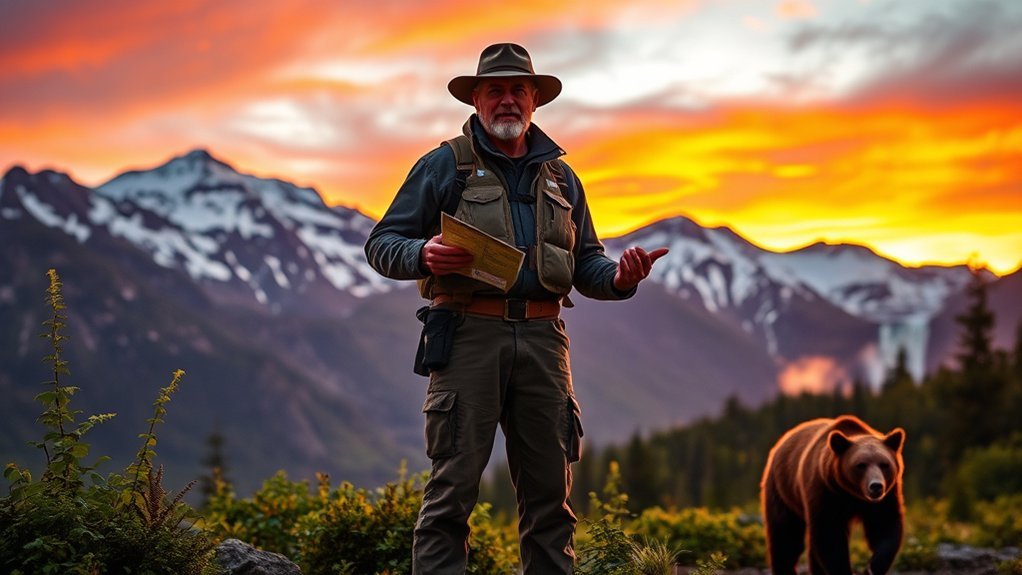
Brown bears are the park’s best-known wildlife. The National Park Service estimates that about 2,200 brown bears live within the park and preserve. Salmon runs draw many of these bears toward rivers and streams, creating some of the best bear-viewing opportunities in Alaska.
Katmai protects roughly 4.2 million acres and supports an estimated 2,200 brown bears, making bear awareness a core part of almost every visit.
The Valley of Ten Thousand Smokes adds another dimension to the park. Its vast ash-filled landscape was shaped by a major volcanic eruption and remains one of Katmai’s signature geological attractions.
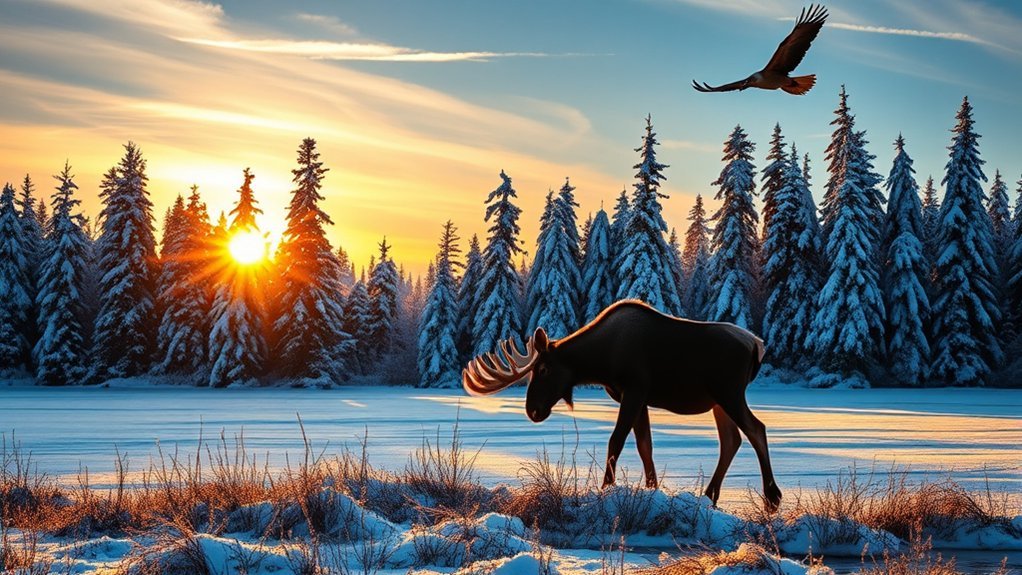
You’ll also find moose, wolves, bald eagles, waterfowl, marine birds, and many other species. Hiking, fishing, wildlife viewing, photography, and backcountry travel are all possible, but Katmai rewards visitors who arrive prepared for remote conditions.
Getting There: Transportation Options
Reaching Katmai National Park takes advance planning because there are no roads connecting the park with Anchorage or the rest of Alaska’s highway system.
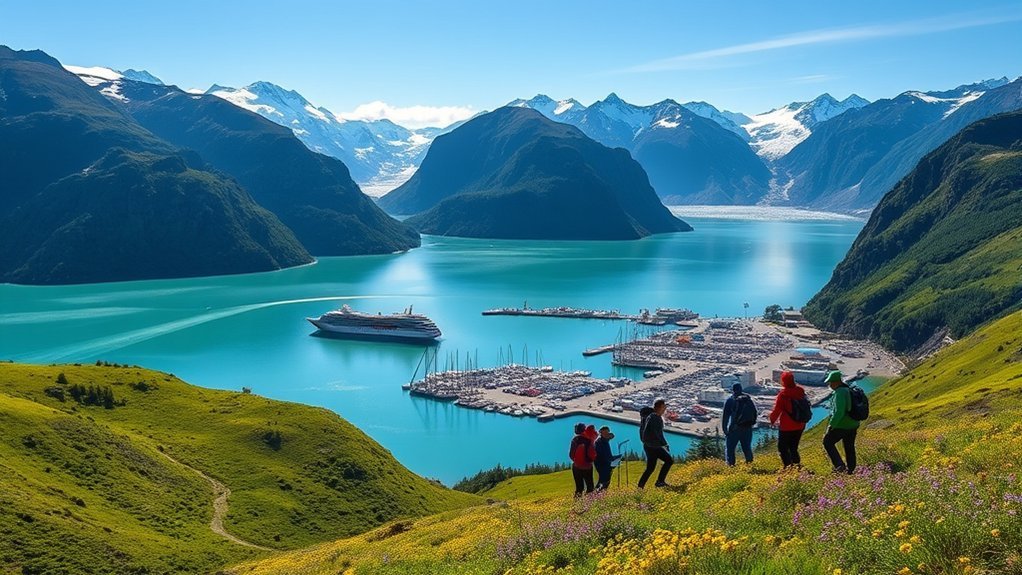
A common route is to fly from Anchorage to King Salmon, the main gateway community for the Brooks Camp area. From King Salmon, travelers continue by small aircraft or water taxi to Brooks Camp. Other Katmai destinations may be reached directly by air taxi from communities such as Anchorage, Homer, Kenai, or Kodiak.
The National Park Service also notes that boats can reach parts of Katmai’s Pacific coast and that locations along the Naknek River drainage can be reached by boat from King Salmon or Naknek. Your exact route depends on where in the park you plan to go.
For current transportation guidance, see the National Park Service Katmai FAQ.
Note: Do not plan on driving to Katmai or Brooks Camp. The standard trip requires air or boat transportation, and schedules can be affected by Alaska weather.
Some older travel descriptions mention a scenic ferry from Kodiak Island. The National Park Service does not list a scheduled Kodiak-to-Brooks Camp ferry as a standard visitor route. Air taxis are the more typical connection from Kodiak.
Pro Tip: Avoid building a tight same-day connection around a floatplane or small-aircraft flight. Weather and bear activity can delay transportation, so extra time in your itinerary can prevent a missed onward flight or reservation.
Best Time to Visit Katmai National Park
Katmai is open year-round, but the easiest time for most visitors is during the warmer months when transportation, guiding, and visitor services are operating more consistently.
According to the National Park Service operating-hours guidance, most visitors arrive between June and October. Brooks Camp has its strongest concentration of visitor services from June 1 through September 17.
- June: Good for longer daylight, early-season travel, fishing, and some bear activity.
- July: One of the prime months for viewing bears fishing for salmon at Brooks Falls. It is also a busy period.
- August: Still a useful travel month, although bear concentrations at Brooks Falls may be less predictable than during the July peak.
- September: Another prime Brooks Camp bear-viewing period as bears feed heavily before winter.
- October through spring: The park remains open, but visitor services and transportation become much more limited.
If your main goal is backcountry hiking, NPS guidance says most backcountry activities are most practical from June through September. Coastal bear viewing is often possible from June through August.
Best Hiking Trails in the Park
Katmai is not a trail-heavy national park. Much of it is true wilderness, and the Brooks Camp area has only a small number of maintained hiking routes. The official NPS Brooks Camp hiking guide states that its published trail distances are one-way.
Brooks Falls Trail
Distance: 1.2 miles one-way
Difficulty: Easy
This is the best-known hike around Brooks Camp. It leads through boreal forest to elevated wildlife-viewing platforms overlooking the Brooks River and Brooks Falls.
Bear encounters are common along the route, particularly in July and September. Be prepared to stop or move off the trail when necessary so bears can pass.
Cultural Site Trail
Distance: About 0.1 mile one-way
Difficulty: Easy
This short trail begins near the Brooks Camp Visitor Center and explores the area’s long human history. It passes prehistoric cultural sites and leads toward a reconstructed traditional dwelling.
Dumpling Mountain Trail
Distance: 1.5 miles one-way to the overlook
Difficulty: Moderate to strenuous
The trail climbs about 800 feet to an overlook with broad views of Naknek Lake, Brooks River, and Lake Brooks. From the overlook, experienced hikers can continue farther toward the summit of Dumpling Mountain.
This route gives you a very different perspective from the bear-viewing trails and moves through forest, subalpine habitat, and higher tundra.
Valley of Ten Thousand Smokes
The Valley of Ten Thousand Smokes should not be described as a simple two-mile loop. NPS hiking information identifies the Valley of Ten Thousand Smokes Road as a 23-mile route from the Brooks Camp area, with opportunities for shorter walks, longer hikes, and side trips.
Visitors commonly explore the Valley through organized transportation from Brooks Camp rather than walking the entire road. Conditions are remote, and longer Valley trips require much more preparation than the maintained Brooks Camp trails.
What About Kukaklek Lake?
Kukaklek Lake is a remote backcountry destination, but the National Park Service does not list a maintained six-mile “Kukaklek Lake Trail” among the standard Brooks Camp hiking routes. Do not plan it as if it were a signed day trail. Reaching remote lakes and wilderness areas may require aircraft access, navigation skills, a guide, or a much more advanced backcountry plan.
Wildlife Viewing Opportunities
Wildlife viewing is one of the main reasons people travel to Katmai. Brown bears are especially visible around salmon streams, with Brooks River being the most famous viewing area.
At Brooks Camp, July and September are prime bear-viewing periods. During the July salmon migration, many bears gather around Brooks Falls and other sections of the river. Later in the season, bears continue feeding as salmon spawn and die.
Raised viewing platforms allow you to watch bears without intentionally approaching them. Moose, wolves, bald eagles, gulls, waterfowl, and other wildlife may also appear throughout the park.
Rather than depending on a general “early morning or late afternoon” rule, base your plans on seasonal food sources, local ranger advice, and current wildlife activity. Katmai’s bears may be active throughout daylight hours.
Bring binoculars or a telephoto lens so you can observe wildlife without moving closer.
Photography Tips for Capturing the Landscape and Wildlife
Katmai offers exceptional opportunities for both landscape and wildlife photography, but your equipment should never interfere with bear safety or viewing-platform rules.
- Use a telephoto or zoom lens for bears: It helps you fill the frame without approaching wildlife.
- Prepare for rain: Bring a protective camera cover, dry storage, extra batteries, and extra memory cards.
- Use faster shutter speeds for wildlife: Bears, salmon, and birds move quickly, and wooden platforms can vibrate as people walk.
- Travel light: Small aircraft often have limited baggage and weight capacity.
- Keep gear within reach: You may need to move quickly when a bear approaches a trail or viewing area.
- Use foreground elements for landscapes: Rocks, water, vegetation, or volcanic terrain can add depth to wide views.
A tripod can be useful for some landscape photography, but it is not always practical at Brooks Falls. NPS has prohibited open tripods and rail-mounted cameras on the Brooks Falls platform during part of the peak summer season, so a monopod or handheld setup may be the better choice.
Safety Guidelines for Visitors
Safety in Katmai starts with understanding that you are entering one of the world’s most significant brown-bear habitats. Bears may appear on trails, roads, beaches, riverbanks, and near developed areas.
The National Park Service bear-safety guidance prohibits approaching bears within 50 yards and emphasizes giving bears room to travel and feed.
Warning: Never run from a bear. Stay calm, make your presence known without trying to scare the bear, give it room to move, and follow the instructions provided by Katmai rangers. At Brooks Camp, bears frequently have the right-of-way.
Everyone arriving at Brooks Camp must attend a brief bear-safety orientation before continuing into the developed area.
Traveling in a group can reduce the chance of surprising a bear. Talk normally while walking in areas with limited visibility so nearby bears can recognize your presence.
Bear spray may be carried and used according to applicable rules, but transportation is a major consideration. Bear spray cannot simply be packed like ordinary luggage on commercial aircraft, so check your airline or air-taxi requirements before your trip.
Weather is another serious concern. Conditions can shift quickly from mild to cold, wet, and windy. Bring rain protection, insulating layers, sturdy footwear, and enough clothing to remain warm if transportation is delayed.
Tell someone your route and expected return time before longer backcountry trips. Carry appropriate navigation, emergency, and first-aid equipment when leaving developed areas.
Park Regulations and Important Information
Katmai’s regulations protect both visitors and wildlife. Rules can differ between Brooks Camp and remote backcountry areas, so don’t assume that normal front-country national park practices apply everywhere.
Wildlife Safety Guidelines
- Keep your distance: Do not intentionally approach bears within 50 yards.
- Give bears space: Move out of their travel path before they get close whenever you can do so safely.
- Never run: Running can trigger a chase response.
- Stay alert: Bears can appear quietly and unexpectedly around vegetation, rivers, and trails.
- Protect food and scented items: Food-storage rules are especially strict because allowing a bear to obtain human food can create dangerous behavior.
In Brooks Camp, food may only be eaten in designated locations and must be stored in approved areas. In the backcountry, approved bear-resistant food storage is required.
Camping and Permit Requirements
General backcountry recreation in Katmai does not require a standard backcountry camping permit. However, that does not mean you can camp without restrictions. Food storage, bear safety, campsite location, fire rules, and other park regulations still apply.
Brooks Camp Campground is different. It is a developed campground in an area with extremely high seasonal bear activity, and reservations are required.
According to the 2026 NPS Brooks Camp Campground information, the campground costs $18 per person per night from June 1 through September 17 and $10 per person per night from May 1 through May 31 and September 18 through October 31. Fees and future reservation procedures can change by season.
The campground includes covered cooking shelters, food and gear caches, vault toilets, potable water during the main season, and an electric fence designed to deter bears. The fence is bear-resistant rather than bear-proof, so all normal bear precautions still apply.
Outside developed areas, do not expect designated campsites, toilets, food caches, or other front-country conveniences. Backcountry travelers must be prepared to operate independently.
Where to Stay and What Services to Expect
One of the biggest planning mistakes is assuming Katmai has visitor facilities spread throughout the park. It does not.
King Salmon has a visitor center near the airport and serves as an important logistical gateway. Brooks Camp has the park’s best-developed visitor infrastructure, including a visitor center, campground, ranger programs, wildlife-viewing platforms, and commercial lodging and meals through Brooks Lodge during its operating season.
Outside those developed areas, services become sparse very quickly. Much of Katmai is wilderness with no visitor center, restroom, campground, picnic table, store, or reliable communication service nearby.
If you’re heading into the backcountry, bring the food, clothing, shelter, navigation equipment, and emergency supplies you need rather than assuming you can buy or borrow them after arrival.
Fishing in Katmai National Park
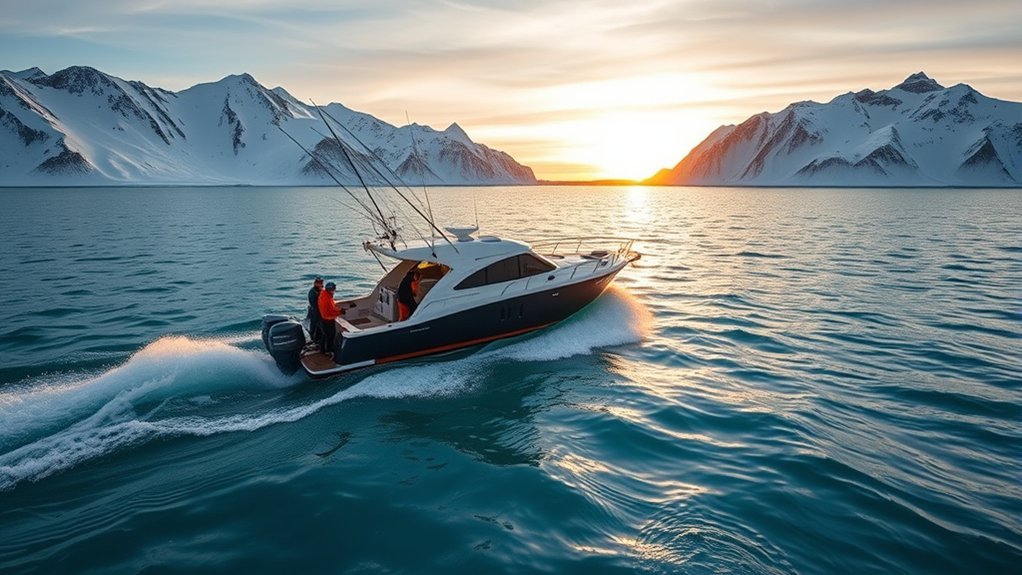
Fishing is one of Katmai’s major recreational activities. The park supports salmon, rainbow trout, Arctic char, Dolly Varden, Arctic grayling, lake trout, and other species.
An Alaska sport fishing license is required for nonresidents age 16 and older and for most Alaska residents ages 16 through 59. Depending on what and where you fish, additional state or federal regulations may apply.
Brooks River has special fishing rules, so anglers should review the official NPS Katmai fishing guidance before their trip.
Fishing around bears requires extra caution. A hooked or splashing fish can attract a bear. NPS requires fishing to stop when a bear is within 50 yards; remove your lure or fly from the water and be ready to break or cut your line if necessary rather than allowing a bear to obtain a fish from you.
Frequently Asked Questions
What is the best time of year to visit Katmai National Park?
June through September is the most practical period for many trips, but July and September are especially good for bear viewing at Brooks Camp. Brooks Camp’s main visitor services generally operate from June 1 through September 17.
Can you drive to Katmai National Park?
No. Katmai is not connected to Alaska’s road system. Most Brooks Camp visitors fly to King Salmon and then continue by small aircraft or boat.
Are guided tours available within the park?
Yes. Ranger-led programs operate seasonally around Brooks Camp, and authorized commercial operators provide transportation, wildlife viewing, fishing, day trips, and multi-day guided experiences. Availability changes by season, so book high-demand trips early.
Can I camp anywhere in Katmai National Park?
Backcountry camping is widely available, but you must follow location, food-storage, bear-safety, and other park regulations. Near Brooks Camp, camping rules are more restrictive, and Brooks Camp Campground requires a reservation.
What facilities are available for visitors at Katmai?
Visitor services are concentrated around King Salmon and Brooks Camp. Brooks Camp has a visitor center, campground, wildlife-viewing platforms, ranger programs, and seasonal commercial services. Remote backcountry areas generally have few or no developed facilities.
Is fishing allowed in Katmai National Park?
Yes. Fishing is a major activity in Katmai, but an Alaska sport fishing license and all applicable state and federal rules are required. Brooks River has additional special regulations, and anglers must stop fishing when a bear comes within 50 yards.
How far should I stay from bears in Katmai?
Remain at least 50 yards from bears and never intentionally approach one more closely. If a bear moves toward you, give it room to travel, remain calm, and follow current National Park Service bear-safety guidance.
Conclusion
Exploring Katmai National Park can be one of Alaska’s most memorable wilderness experiences, but the best trips begin with realistic planning. Arrange your flights and transfers early, choose the season that matches your goals, understand the limited visitor services, and learn Katmai’s bear rules before you arrive.
Whether you’re watching a brown bear catch salmon at Brooks Falls, hiking above Naknek Lake, photographing the volcanic landscape, fishing a remote river, or heading into the backcountry, give yourself enough time and flexibility to enjoy the park safely. Katmai is remote by design, and that remoteness is a large part of what makes it special.
Sources
- National Park Service — Katmai Frequently Asked Questions — transportation, road access, backcountry permits, and trip logistics.
- National Park Service — Operating Hours and Seasons — visitor season, Brooks Camp services, and prime bear-viewing periods.
- National Park Service — Brooks Camp Hiking Trails — official trail distances and hiking options.
- National Park Service — Bear Safety in Katmai — wildlife distance, food storage, bear encounters, and deterrent guidance.
- National Park Service — Brooks Camp Campground — reservations, 2026 fees, facilities, and campground regulations.
- National Park Service — Fishing in Katmai — license requirements, bear precautions, and fishing regulations.