Alaska halibut fishing combines serious saltwater action with some of the most dramatic coastal scenery in North America. Homer, Seward, Kodiak, and Southeast Alaska all offer productive charter options, but the best choice depends on your route, budget, fishing goals, and current regulations. For 2026, planning also means understanding new charter-stamp rules, area-specific size limits, and closed retention days before you step aboard.
Quick Answer
For most visitors, May through September is the practical window for an Alaska halibut charter, although the 2026 sport season runs February 1 through December 31. Homer, Seward, Kodiak, and Southeast ports are major bases. Guided anglers must follow area-specific limits, and adults keeping halibut on charters in Areas 2C or 3A need a $20 charter halibut stamp.
Key Takeaways
- Homer, Seward, Kodiak, and Southeast Alaska all provide established access to Pacific halibut fishing, but trip length, regulations, and travel logistics differ.
- The legal 2026 sport season is February 1 through December 31, while most visitor-oriented charter activity is concentrated from spring through early fall.
- In 2026, charter anglers age 18+ retaining halibut in Areas 2C and 3A need a $20 charter halibut stamp in addition to any required Alaska sport fishing license.
- Area 2C and Area 3A have different charter limits, including different size restrictions and closed retention days.
- Ask a charter what its advertised price includes. Taxes, port fees, the halibut stamp, fish processing, shipping, lodging, and gratuities may be separate.
Overview of Halibut Fishing in Alaska
Pacific halibut (Hippoglossus stenolepis) are the largest flatfish in their family and one of Alaska’s best-known saltwater game fish. According to the Alaska Department of Fish and Game, Pacific halibut can exceed 8 feet in length and 500 pounds. Alaska’s state sport-fishing record is a 459-pound fish caught in Unalaska Bay in 1996.
Those giant fish are exceptional rather than typical charter catches. The size of fish you can legally retain may also be shaped by annual charter regulations. Instead of planning around a supposed statewide “average” catch weight, look at the current regulations for your fishing area and ask your captain what has been typical for recent trips.
Halibut spend much of their time near the bottom over sand, gravel, mud, and other seabed types. ADF&G reports that they are commonly found in roughly 20 to 1,000 feet of water, although they can occur much deeper. Larger halibut eat fish such as herring, pollock, cod, rockfish, and sablefish as well as octopus, crabs, and other prey.
That bottom-oriented lifestyle is why Alaska halibut fishing usually involves lowering bait or heavy jigs toward the seafloor and then working them from an anchored or drifting boat. Reeling a halibut up from deep water can be demanding even when the fish is nowhere near record size.
Best Locations for Halibut Fishing
There is no single best Alaska halibut destination for every traveler. The right base depends on where the rest of your Alaska itinerary takes you, whether you prefer a shared or private boat, and which regulatory area you will fish.
Homer and Kachemak Bay
Homer has long promoted itself as the “Halibut Fishing Capital of the World” and has one of Alaska’s largest concentrations of saltwater charter businesses. Boats leave from Homer Harbor for Kachemak Bay, lower Cook Inlet, and Gulf of Alaska fishing grounds.
Homer is especially convenient if your trip already includes the southern Kenai Peninsula. Charter choices range from standard shared boats to six-passenger vessels, private trips, and long-range multispecies trips.
Seward and Resurrection Bay
Seward combines halibut fishing with easy access to Resurrection Bay and the Gulf of Alaska. It works particularly well for travelers already visiting Kenai Fjords National Park or traveling between Anchorage and the Kenai Peninsula.
Some halibut trips require substantial running time to offshore grounds, so compare the advertised trip length rather than assuming every “full day” provides the same amount of fishing time.
Kodiak Island
Kodiak offers a more remote fishing experience and a long-established charter industry targeting halibut alongside salmon, rockfish, lingcod, and other marine species. Unlike Homer and Seward, reaching Kodiak normally involves a flight or ferry, so it makes the most sense when fishing is a major focus of your trip rather than a quick add-on.
Kenai Peninsula and Lower Cook Inlet
The Kenai Peninsula covers more than one fishing base. Homer lies at its southern end, while Ninilchik and Deep Creek provide access from the west side and Seward serves the Gulf side to the east. Compare driving time, lodging, charter availability, and the type of water you want to fish before choosing your base.
Southeast Alaska
Sitka, Ketchikan, Juneau-area ports, Gustavus, and other Southeast communities also provide halibut access. These waters include IPHC Area 2C, where guided anglers face different annual limits from those fishing the popular Southcentral ports in Area 3A.
Note: A famous port does not guarantee a bigger fish. Weather, current, fishing pressure, travel distance, the captain’s plan, and annual retention rules can matter as much as the town printed on your itinerary.
Top Charters for Halibut Fishing
Choosing the right halibut charter can make a bigger difference than choosing between two well-known Alaska fishing towns. Compare the vessel, trip length, passenger count, captain, included equipment, current regulations, and cancellation terms rather than booking from a promotional claim alone.
Recommended Charter Companies
Current operators with clearly published Alaska halibut information include Maverick Charters in Homer, ProFish-n-Sea Charters in Seward, and Kodiak Island Charters in Kodiak. These are useful examples to compare rather than a universal ranking of Alaska’s charter fleet.
Maverick publishes shared and private Homer halibut options. ProFish-n-Sea publishes single-species and combination trips from Seward and clearly lists its 2026 halibut-stamp and fee policies. Kodiak Island Charters operates several vessels with shared and private options and publishes current halibut-season information.
Pro Tip: Before paying a deposit, ask which IPHC regulatory area the trip normally fishes, whether the boat has the appropriate charter halibut permit, how many passengers will fish, how long the run to the grounds can take, and exactly what happens if weather cancels the trip.
How to Compare a Halibut Charter
- Shared or private: Shared boats cost less per person, while private charters give your group more control over pace and target species.
- Passenger count: A six-passenger boat can feel very different from a larger inspected vessel carrying a bigger group.
- Trip duration: Check whether “full day” means seven, eight, ten, or more hours.
- Travel distance: Long-range trips may reach different grounds but can involve hours of running each way.
- Included equipment: Confirm rods, reels, tackle, bait, rain gear, food, drinks, and fish cleaning.
- Processing: Ask whether filleting is included and whether vacuum sealing, freezing, boxing, or shipping is separate.
- Cancellation policy: Alaska marine weather changes quickly, so know whether weather cancellations are refunded, rescheduled, or credited.
- Age policy: Do not assume every charter accepts every age. Minimum ages and child policies vary by boat and operator.
Charter Pricing Overview
There is no dependable statewide flat price for a halibut charter. For 2026, published shared full-day examples commonly sit in the mid-$300s to mid-$400s per person, while premium, long-range, combination, and private trips cost more.
For example, Maverick Charters publishes 2026 Homer full-day adult halibut pricing around $375 on its larger vessel and $400 for its six-passenger single-species option. ProFish-n-Sea publishes a $389 early-season shared halibut trip and a $465 peak-season shared trip from Seward. Kodiak Island Charters lists private vessels beginning around $3,000 to $4,000 plus applicable tax.
Those examples are not statewide price guarantees. Operators may change rates, and the advertised base price may exclude taxes, port fees, the $20 charter halibut stamp, fish processing, shipping, lodging, gratuity, or other charges.
Fishing Gear Provided
Many established Alaska halibut charters supply the heavy rods, reels, tackle, bait, and required onboard safety equipment. Some also include fish filleting after the trip. ProFish-n-Sea, for example, lists rods, reels, bait, tackle, safety equipment, and filleting with its current halibut trips.
Never assume every item is included. Ask whether you need to bring a fishing license, lunch, waterproof clothing, boots, gloves, a cooler, seasickness medication, or anything else specific to the vessel.
Ideal Seasons for Halibut Fishing
The 2026 Alaska sport halibut season runs February 1 through December 31, but that does not mean February and December are equally practical for vacation charters. Marine weather, daylight, fish distribution, tourism infrastructure, and individual charter schedules make late spring through early fall much more common for visitors.
Many Southcentral operators concentrate their halibut schedules between May and September, while some Kodiak operations extend into October. In Southeast Alaska, ADF&G notes that catch rates in some areas improve from late spring through summer and can remain strong into September.
June, July, and August offer long daylight hours and the widest overlap with Alaska’s summer visitor season, but popular dates may book well in advance. May and September can offer fewer visitors and good fishing opportunities, although weather and operator schedules become more important.
Rather than choosing a month from a statewide “peak” claim, first choose your port and then ask current local operators what fishing, weather, and travel time are normally like during your available dates.
The legal halibut season and the most convenient charter season are not the same thing: in 2026 the sport season runs February 1 through December 31, while most visitor-oriented trips are concentrated in the warmer months.
Fishing Techniques and Gear Recommendations
Halibut are bottom-oriented fish, so successful techniques focus on keeping bait or a jig close to the seafloor. On a charter, the captain normally decides whether the boat will anchor, drift, or reposition according to depth, current, tide, and fish activity.
A sturdy saltwater rod around 6 to 8 feet can work well, paired with a conventional reel holding enough heavy line for deep-water fishing. Exact equipment varies by location and boat, and charter-supplied gear is usually matched to local conditions.
Herring, squid, and octopus are established halibut baits, and ADF&G also recommends legal fish parts and jigs in appropriate fisheries. Circle-hook bait rigs and heavy jigs are common approaches. A dropper-loop or similar bottom rig can help hold bait near the bottom, but follow your captain’s setup rather than arriving with one fixed rig in mind.
Sinker weight changes dramatically with water depth and current. An 8- to 16-ounce sinker may be enough in moderate conditions, but deeper water or strong current can require considerably more weight. Around slack tide, anglers may be able to stay near the bottom with less weight.
A depth finder or fish finder is useful for identifying bottom depth, structure, and changes in contour. On a charter, that equipment is part of the vessel rather than something individual anglers need to pack.
Licensing and Regulations for Halibut Fishing
Halibut regulations in Alaska are not something to check once and then reuse year after year. Management measures can change annually, and guided charter anglers in Areas 2C and 3A may face different rules from unguided anglers.
According to the Alaska Department of Fish and Game, Alaska residents age 18 or older and nonresidents age 16 or older generally need a valid sport fishing license. Licenses can be purchased through ADF&G and authorized vendors.
2026 Charter Halibut Stamp
Beginning in 2026, charter vessel anglers age 18 or older who intend to catch and retain halibut in IPHC regulatory Area 2C or 3A need a $20 charter halibut stamp for the applicable charter vessel fishing trip. NOAA explains that the fishing guide handles the stamp process, although the operator may either include the fee in the trip price or charge it separately.
You can read NOAA’s current explanation at New Requirements for Halibut Charter Fishing in Alaska.
2026 Guided Halibut Limits: Area 2C vs. Area 3A
| Rule | Area 2C: Southeast Alaska | Area 3A: Southcentral Alaska |
|---|---|---|
| 2026 daily bag limit | 1 halibut | 2 halibut |
| Size rule | Retained fish must be 34 inches or less, or 80 inches or more | One fish may be any size; if a second fish is kept, it must be 27 inches or less |
| Closed charter-retention days | Thursdays from June 18 through September 10 | All Wednesdays, plus Tuesdays from June 2 through August 25 |
These measures come from NOAA Fisheries’ 2026 Regulations for Charter Halibut Anglers. The same guidance also covers possession limits, allowable gear, charter logbook signatures, onboard fish handling, and other requirements.
Warning: Do not rely on an old blog post, social-media graphic, or previous year’s charter rules when deciding whether a halibut can be kept. Check the current NOAA, IPHC, and ADF&G regulations for your exact fishing area and confirm the rules with your captain before fishing.
Guided vs. Unguided Fishing
Guided charter anglers and unguided anglers can be subject to different regulations. NOAA currently states that unguided sport anglers in Areas 2C and 3A have a two-halibut-of-any-size daily bag limit, while charter anglers in those areas have the more restrictive annual management measures summarized above.
Some charter operators also participate in the Guided Angler Fish (GAF) program, which can provide special retention opportunities under separate rules. If a charter advertises GAF or additional halibut opportunities, ask the operator to explain exactly what applies to your trip.
What to Expect on a Halibut Fishing Trip
A full Alaska halibut trip can mean a long day on cold, exposed marine water. Depending on the port and fishing grounds, a substantial part of the day may be spent traveling before lines ever reach the bottom. Conditions can also change quickly, so flexibility matters.
Trip Preparation Essentials
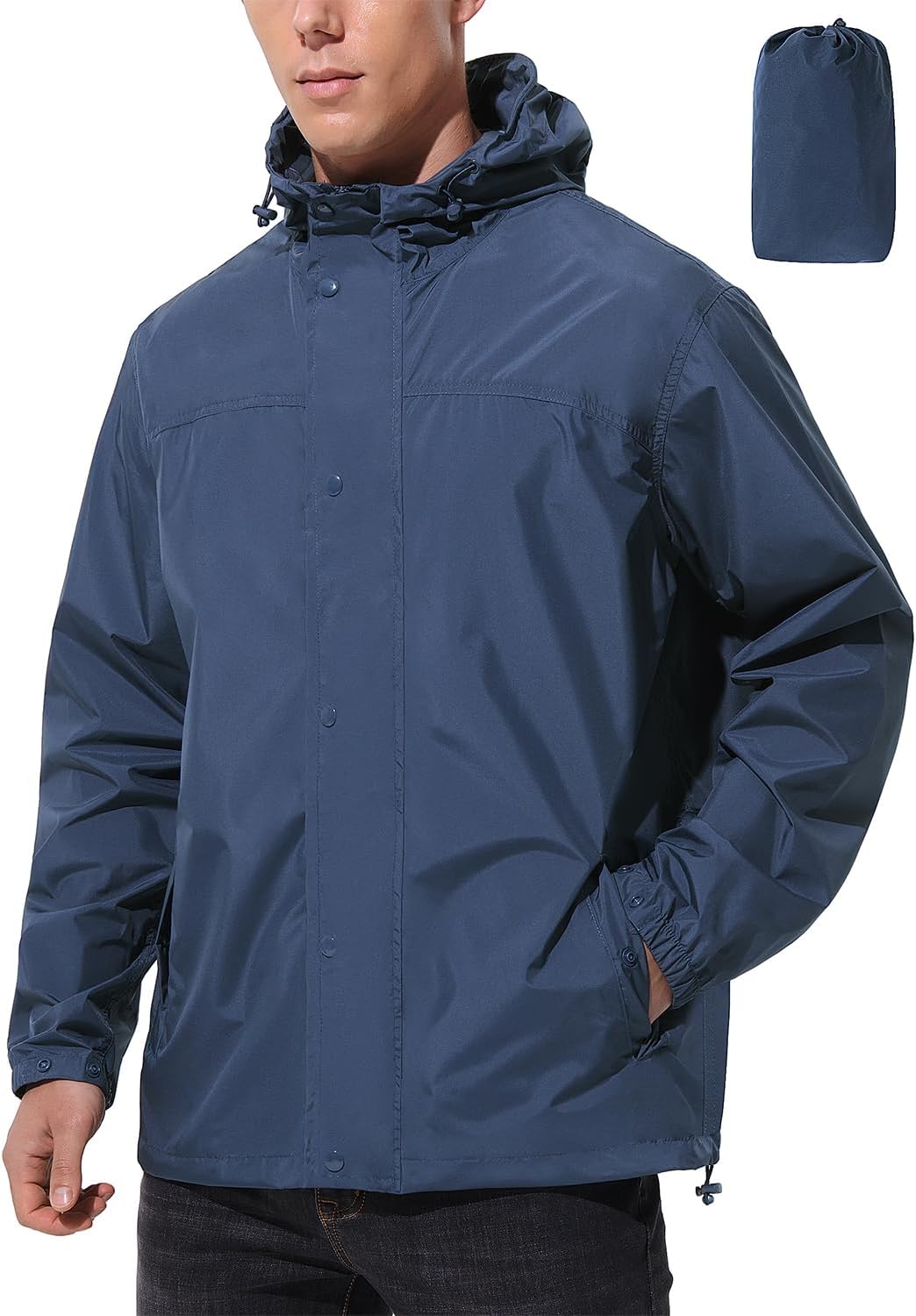
Dress in layers even when the land forecast looks warm. A moisture-managing base layer, insulating mid-layer, waterproof outer shell, warm hat, and sturdy nonslip footwear make a major difference when wind and spray pick up.
Bring sunglasses, sunscreen, any required medication, your fishing license in the format requested by the operator, and the food or drinks your charter tells you to pack. Avoid bringing bulky gear until you know how much storage the boat provides.
If you are prone to motion sickness, discuss prevention with a qualified healthcare professional or pharmacist before the trip. Motion-sickness treatments are often most useful when taken before symptoms are severe, and some can cause drowsiness or interact with other medicines.
Bring a camera or phone, but protect electronics from spray. A waterproof pouch or dry bag is more useful than carrying a large bag around a crowded fishing deck.
Onboard Experience Overview
After boarding, expect a safety briefing and an explanation of how the captain wants anglers to handle rods, hooks, lines, and fish. Once the boat reaches the fishing grounds, the crew normally demonstrates the rig, bait presentation, hook-setting method, and how to keep the line near the bottom.
Halibut fishing can involve long drops followed by repeated retrieval from deep water. Listen closely when the crew tells you how to prevent crossed lines and how to move around other anglers.
Wildlife sightings can be a bonus on Alaska’s coast, but they should never be guaranteed. Depending on location and luck, you might see sea otters, whales, sea lions, puffins, or other marine wildlife while traveling to and from the fishing grounds.
Fish Processing, Freezing, and Shipping
Ask about your fish before booking rather than after returning to the dock. Some charters include filleting, while vacuum sealing, freezing, boxing, airport delivery, or overnight shipping may be handled by a separate processor for an additional charge.
NOAA also has specific rules for halibut that are cut or filleted aboard a fishing vessel. Charter crews are familiar with these requirements, so let the captain or deckhand control onboard fish processing instead of cutting your catch yourself.
If you plan to fly home with fish, ask your processor how long freezing takes and whether your airline has current weight or packaging requirements. Build enough time into your itinerary for the catch to freeze properly before departure.
Tips for a Successful Halibut Fishing Adventure
Whether you’re an experienced angler or fishing offshore for the first time, a little preparation can make your Alaska halibut day much easier. Focus on regulations, weather, equipment, and realistic timing rather than assuming the biggest boat or longest advertised run automatically produces the best trip.
| Preparation | Equipment | Timing |
|---|---|---|
| Check current NOAA, IPHC, and ADF&G rules | Use charter-supplied heavy gear or a suitable saltwater setup | Choose dates based on your port’s operating season and regulations |
| Review the marine forecast and cancellation policy | Use legal bait such as herring, squid, or octopus when appropriate | Arrive before the operator’s required check-in time |
| Bring layers, waterproof outerwear, food, water, and required documents | Let current and depth determine sinker or jig weight | Expect tide and current to affect bottom-fishing conditions |
Most importantly, listen to your captain and crew. They know how the vessel fishes, what the current regulations permit, how the day’s tide is behaving, and when changing locations is more useful than continuing to fish one unproductive spot.
Frequently Asked Questions
What Is the Average Size of Halibut Caught in Alaska?
There is no reliable single statewide average that applies to every Alaska halibut trip. Catch size varies by area, year, fishing ground, and current retention rules. Pacific halibut can exceed 8 feet and 500 pounds, but giant fish are exceptional, and charter regulations often influence the size of fish that can legally be kept.
Are There Age Restrictions for Halibut Fishing Charters?
Age policies are set by individual charter operators and vessels, so there is no universal charter minimum. Some trips accept young children while others set minimum ages. Alaska licensing requirements are separate: residents generally need a sport fishing license from age 18 and nonresidents from age 16, subject to current exemptions.
Can I Keep All the Halibut I Catch?
No. Bag limits, size restrictions, possession limits, and closed retention days apply. In 2026, Area 2C charter anglers generally have a one-fish daily limit with a reverse slot, while Area 3A charter anglers may keep two fish but the second must be 27 inches or less. Always check current rules for your exact area.
What Should I Wear for a Halibut Fishing Trip?
Wear layered clothing with a waterproof outer shell and sturdy, nonslip footwear. Even a sunny Alaska morning can turn cold on an exposed boat because of wind, spray, and long periods on the water. Bring a warm hat and gloves if your operator recommends them.
Are There Accommodations Near Popular Halibut Fishing Spots?
Yes. Homer, Seward, and Kodiak have hotels, lodges, cabins, and vacation rentals, while remote areas may offer fishing-lodge packages. During the summer season, lodging and prime charter dates can fill early, so coordinate your boat and accommodation reservations rather than booking them independently at the last minute.
Do I Need a Charter Halibut Stamp in Alaska in 2026?
If you are age 18 or older and intend to catch and retain halibut from a charter vessel in IPHC Area 2C or 3A, you need the new $20 charter halibut stamp for the applicable charter vessel fishing trip. Your guide handles the stamp process. Unguided anglers do not need this charter stamp.
What Is the Best Month for Halibut Fishing in Alaska?
There is no single best month statewide. Most visitor-oriented charters operate from late spring through early fall, with June through August offering long daylight hours and broad charter availability. Some areas fish well into September or October. Choose your port first, then compare local conditions and current charter schedules.
Are Guided and Unguided Halibut Limits the Same?
Not necessarily. In Areas 2C and 3A, charter anglers are subject to annual guided-fishery management measures that can be more restrictive than the rules for unguided anglers. Check the current NOAA and IPHC regulations for the type of fishing you will actually be doing.
Sources
- NOAA Fisheries: 2026 Regulations for Charter Halibut Anglers — current Area 2C and Area 3A bag limits, size restrictions, closures, possession, gear, and fish-handling requirements.
- NOAA Fisheries: New Requirements for Halibut Charter Fishing in Alaska — 2026 charter halibut stamp requirement and $20 fee.
- NOAA Fisheries: Halibut Sport Fishing in Alaska — guided and unguided fishery management, Charter Halibut Permit, and GAF information.
- Alaska Department of Fish and Game: Pacific Halibut Species Profile — halibut size, biology, habitat, diet, and Alaska sport record.
- Alaska Department of Fish and Game: Sport Fishing Licenses — current state fishing-license requirements and age thresholds.
- International Pacific Halibut Commission: 2026 Fishery Regulations — official annual Pacific halibut regulatory framework.