Alaska in January is cold, dark, quiet, and strikingly beautiful. It can be an excellent month for northern lights, snowy landscapes, dog sledding, skiing, and uncrowded cultural attractions. However, shorter daylight, extreme regional weather, closed roads, and reduced visitor services make careful planning essential. January suits prepared winter travelers better than first-time visitors seeking a classic summer road trip.
Quick Answer
January is a good time to visit Alaska for northern lights, snow sports, winter scenery, and smaller crowds. Fairbanks is the strongest aurora base, while Anchorage and Girdwood offer easier access and more services. Expect limited daylight, possible subzero temperatures, changing road conditions, and fewer tours than in summer.
Key Takeaways
- January is best for travelers who prioritize aurora viewing, winter recreation, snowy scenery, and quieter destinations.
- Weather differs sharply by region: Interior and Arctic Alaska can become dangerously cold, while coastal areas are generally milder but may be wet, windy, or icy.
- Fairbanks is a leading northern-lights base; Anchorage and Girdwood provide more restaurants, museums, flights, and accessible activities.
- Denali Park Road and the road to Exit Glacier have major winter-access limits, so a January national-park trip requires different expectations than a summer visit.
- Confirm winter tires, tour schedules, lodging, road conditions, and operating hours before leaving home.
Is January a Good Time to Visit Alaska?
January can be rewarding if you want a true winter trip. Long nights provide large aurora-viewing windows, snow supports many guided activities, and popular destinations usually feel less crowded than they do in summer.
The tradeoffs are significant. Daylight is limited, severe cold can interrupt outdoor plans, and some highways, park roads, accommodations, restaurants, tours, and visitor facilities operate on reduced schedules or close for winter. Alaska’s summer wildlife cruises, long road trips, and broad national-park access are generally not January experiences.
Note: Build flexibility into every January itinerary. A storm, cold snap, poor visibility, or cancelled flight may change a day’s plans even when conditions looked manageable before the trip.
January Weather in Alaska
There is no single statewide January temperature. Alaska is enormous, and its coast, Interior, mountains, and Arctic communities have different climates. The official Travel Alaska weather guide notes that coastal regions are generally milder, while Interior and Arctic temperatures can fall below −30°F.
| Region | Typical Character | Daylight Pattern |
|---|---|---|
| Southcentral Anchorage, Girdwood |
Cold and snowy, with thaw-and-freeze periods possible near the coast. | Anchorage gains daylight quickly, from roughly 5.5 hours near the start of January to about 7.5 hours near the end. |
| Interior Fairbanks, Denali area |
Usually colder and drier than the coast. Temperatures may remain below 0°F and can fall far lower during cold snaps. | Fairbanks receives roughly 4.5 hours of direct daylight early in the month and about 7 hours by month’s end, plus twilight. |
| Southeast Juneau, Sitka |
Milder, wetter, and cloudier. Rain, wet snow, ice, and wind can occur during the same trip. | More daylight than Interior and Arctic destinations, but cloud cover can make days feel darker. |
| Arctic Utqiaġvik and the North Slope |
Extreme cold, wind, drifting snow, and specialized travel requirements are common. | Utqiaġvik remains in polar night until late January, although midday twilight provides some natural light. |
These descriptions are planning guides, not forecasts. Check the National Weather Service Alaska Region shortly before each travel day. Wind chill can make exposed skin freeze much faster than the air temperature alone suggests.
January daylight increases noticeably from week to week. A late-January trip gives you more time for daytime sightseeing while preserving long nights for aurora viewing.
Unique Landscapes and Scenery
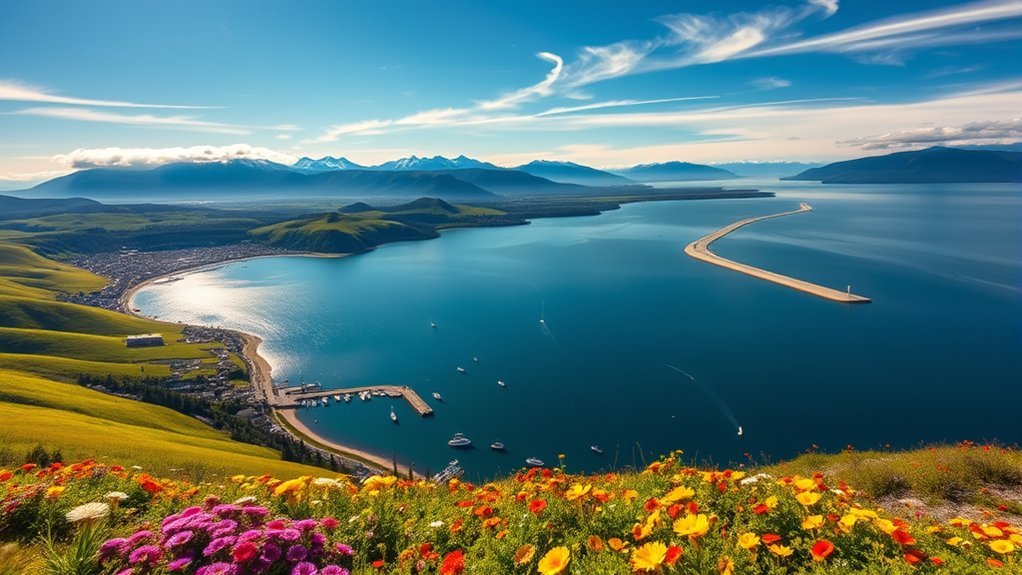
Snow changes Alaska’s visual character. Mountain slopes become sharply defined, frozen rivers cross the Interior, and low-angle sunlight creates long shadows and warm color during the brief daytime hours. Ice crystals may cover trees, while coastal areas can combine dark water, snow-covered peaks, and winter clouds.
- Mountain views: Chugach viewpoints around Anchorage and Girdwood are easier to reach than Alaska’s remote ranges.
- Frozen rivers and forests: Fairbanks and the Interior offer snow-covered boreal landscapes, but river ice should never be assumed safe.
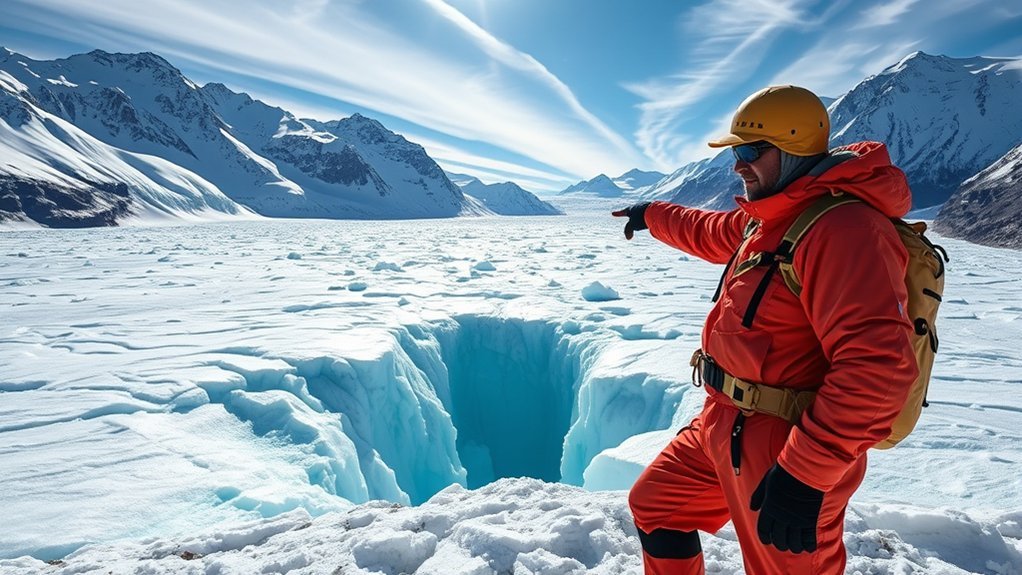
- Glacial scenery: Glaciers remain visible in some areas, although winter road and trail access can be limited or hazardous.
- Blue-hour photography: Long twilight can produce soft light before sunrise and after sunset.
Do not climb on roadside ice, enter glacier caves, or walk onto an unfamiliar frozen lake or river. Ice thickness can vary near currents, springs, docks, pressure ridges, and flowing water.
Best Places to Visit in Alaska in January
Fairbanks for the Northern Lights
Fairbanks is one of the most practical January bases for aurora viewing. It has a dry Interior climate, long nights, commercial aurora tours, winter recreation, museums, and accommodations that remain open. The main disadvantage is severe cold, especially outside the city.
Anchorage for Services and Easy Connections
Anchorage offers the widest selection of flights, hotels, restaurants, museums, rental cars, and urban transportation. Moose sometimes appear within the municipality, and nearby trails support cross-country skiing, snowshoeing, and winter photography when conditions permit. Aurora displays are possible, but city light and coastal clouds can reduce visibility.
Girdwood for Skiing and Snowboarding
Girdwood, about 40 miles south of Anchorage, is the main base for downhill skiing and snowboarding at Alyeska Resort. The Seward Highway can become icy or experience poor visibility, so check conditions and allow extra travel time.
Denali for a Quiet, Limited-Access Visit
Denali National Park remains open in winter, but it does not operate like it does in summer. According to the National Park Service winter guide, the park road commonly closes near Mile 3 for part of winter. Visitors can use the winter visitor center, explore available entrance-area trails, and participate in skiing or snowshoeing when conditions allow. Food, equipment rentals, lodging, and other services are limited around the park.
Seward and Kenai Fjords Access
Seward can provide dramatic coastal photography, but January is not the standard Kenai Fjords touring season. The National Park Service states that the road to Exit Glacier is normally closed to cars during winter and much of spring. Reaching the glacier area from the winter gate requires about seven additional miles of travel before the developed area, plus more distance to viewpoints. This is not a casual roadside stop.
Juneau for a Milder Coastal Winter
Juneau is generally milder than Fairbanks, but winter can bring rain, wet snow, ice, wind, and heavy cloud. It is reached by air or sea rather than by road from Anchorage. January works best for museums, local culture, snowy scenery, and a quieter city visit—not for the full range of summer cruise excursions.
Wildlife Encounters in Winter
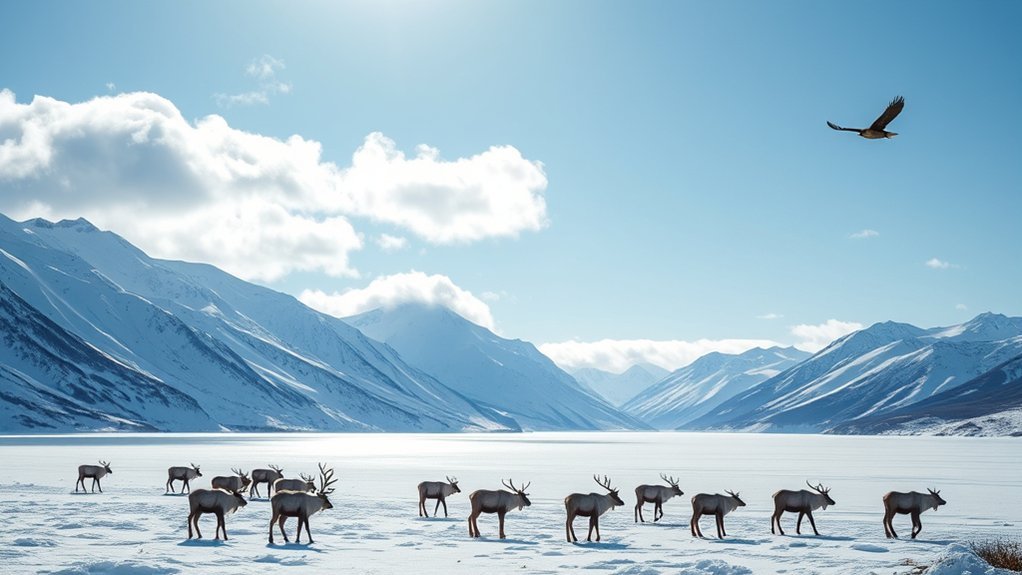
Wildlife remains active, but January sightings are never guaranteed. Moose may appear around Anchorage, Fairbanks, roads, and forest edges. Bald eagles and sea otters are possible in coastal areas. Tracks may reveal foxes, hares, lynx, or wolves, but seeing a wild wolf is uncommon.
Caribou movement depends on the herd, location, snow, food, and weather. January should not be described as a universal migration-viewing season. Bears are usually denned during midwinter, so January is not a dependable bear-viewing month.
Use the Alaska Department of Fish and Game wildlife-viewing resources to learn where and when particular species may be visible.
Warning: Never approach, feed, surround, or block wildlife for a photograph. Moose can charge, especially when stressed by deep snow, dogs, traffic, or people. Stay in a secure place or retreat while giving the animal a clear escape route.
Northern Lights Viewing Opportunities
January’s long nights provide excellent viewing windows, but darkness alone does not guarantee an aurora. You need enough solar activity, clear or partly clear skies, a dark viewing area, and patience. Interior destinations such as Fairbanks often have clearer winter skies than coastal cities.
- Check both forecasts: Review the UAF Geophysical Institute aurora forecast and the local cloud forecast.
- Leave city lights: A safe, dark location improves visibility, but do not park on a highway shoulder or enter private property.
- Allow several nights: A three- to five-night stay gives you more chances than a single evening.
- Dress for standing still: Aurora viewing often feels colder than active daytime recreation.
- Protect equipment: Carry spare camera batteries inside a warm pocket and prevent condensation by sealing cold equipment in a bag before returning indoors.
Pro Tip: Book important daytime activities, but keep more than one evening open for the aurora. Cloud cover can make one night unsuccessful even during strong solar activity.
Outdoor Activities to Enjoy
January can support dog sledding, skiing, snowshoeing, ice fishing, and snowmobiling. Availability depends on snowfall, temperature, daylight, trail conditions, operator schedules, and local regulations.
| Activity | What to Expect | Common Bases |
|---|---|---|
| Dog sledding | Guided rides range from short introductions to longer mushing experiences. Reserve ahead and review animal-care practices. | Fairbanks, Anchorage area, Willow, and other established mushing communities |
| Snowboarding and downhill skiing | Lift schedules and terrain depend on weather, snow, visibility, and avalanche control. | Girdwood and smaller ski areas near Anchorage and Fairbanks |
| Ice fishing | A licensed guide is the safest choice for a visitor unfamiliar with local ice, equipment, and fishing rules. | Fairbanks, Mat-Su Valley, and selected Kenai Peninsula lakes |
| Snowmobiling | Known locally as snowmachining. Guided trips may cross forests or open terrain; access depends on adequate snow cover. | Fairbanks, Southcentral Alaska, and permitted public lands |
| Cross-country skiing and snowshoeing | Choose maintained urban or park trails that match your ability and the current conditions. | Anchorage, Eagle River, Fairbanks, and Denali’s entrance area |
Backcountry skiing, snowboarding, and snowmobiling may expose you to avalanche terrain. Use a qualified guide unless your group has current avalanche training, rescue equipment, route knowledge, and the ability to interpret local forecasts.
Cultural Experiences in Alaskan Towns
Indoor cultural stops provide valuable alternatives during storms or extreme cold. Alaska Native cultures are living and diverse, so seek Native-led programs rather than treating art, food, or traditions as a single historic experience.
- Learn from Native-led institutions: Check current programming at the Alaska Native Heritage Center. Winter hours and event schedules may differ from summer operations.
- Explore art, history, and science: The Anchorage Museum presents Alaska’s art, northern environment, history, and contemporary Native voices.
- Buy authentic art: Ask who made an item and purchase directly from Alaska Native artists, cooperatives, galleries, or verified sellers when possible.
- Try local food thoughtfully: Restaurants may serve Alaska seafood, locally grown ingredients, sourdough dishes, and reindeer sausage. Do not describe commercial dishes as ancestral unless the source or community identifies them that way.
- Check community calendars: Winter performances, workshops, markets, and small festivals vary by town and year.
Crowds, Costs, and Reservations
January generally brings fewer leisure travelers than summer, which can mean quieter museums, trails, and town centers. However, fewer visitors also mean fewer operating businesses and departures. Aurora lodges, guided tours, and specialized winter accommodations can still fill on popular weekends.
Airfare and standard hotel rooms may be less expensive than during the summer peak, but guided aurora trips, winter clothing rentals, remote transfers, and weather-related itinerary changes can raise the total cost. Book the experiences that define your trip, then keep enough unscheduled time to move activities when weather changes.
Transportation in January
- Flights: Anchorage and Fairbanks are the main gateways. Regional flights connect roadless communities, but winter weather can cause delays or cancellations.
- Rental cars: Confirm the exact tire type, roadside-assistance terms, emergency equipment, and prohibited roads. Four-wheel drive helps a vehicle move but does not remove the need for winter tires or reduce icy-road braking distance.
- Road travel: Check Alaska 511 before departure and again during long drives. Avoid rigid arrival deadlines.
- Public transportation: Local buses, taxis, and rideshare services are available in some cities but become limited outside urban areas.
- Rail: The Alaska Railroad operates selected winter services rather than the full summer schedule. Verify dates before building an itinerary around a train.
- Dog sleds and snowmobiles: Visitors normally use these through guided recreation tours, not as general transportation between towns.
Warning: Carry warm clothing, food, water, necessary medicine, a phone charger, blankets, an ice scraper, a shovel, warning markers, and jumper cables. If stranded during severe weather, staying with the vehicle is usually safer than walking for help. Keep the exhaust pipe clear of snow to reduce carbon-monoxide risk.
What to Pack for Alaska in January
- Moisture-wicking thermal top and bottom layers
- Fleece, wool, or insulated midlayers
- Windproof and waterproof outer jacket and pants
- Insulated winter boots with room for warm socks
- Wool or synthetic socks, plus dry replacements
- Insulated mittens or gloves and lightweight liner gloves
- A warm hat, neck gaiter, and face protection
- Ice cleats for walking on icy sidewalks when appropriate
- Sunglasses for glare and a headlamp for dark afternoons
- Hand warmers and an insulated water bottle
- Portable charger and spare camera batteries
- Prescription medicine and a small emergency supply
Avoid cotton next to your skin during outdoor activity because it holds moisture. Adjust layers before you begin sweating, replace wet clothing promptly, and schedule indoor warming breaks.
Sample Alaska January Itineraries
Three-Day Fairbanks Winter Trip
- Day 1: Arrive, collect winter gear, visit an indoor attraction, and join an aurora tour.
- Day 2: Take a guided dog-sledding, snowshoeing, or ice-fishing trip; keep the evening free for another aurora attempt.
- Day 3: Explore Fairbanks during daylight, then depart or add a final aurora night.
Five-Day Anchorage and Girdwood Trip
- Days 1–2: Explore Anchorage museums, maintained winter trails, and accessible viewpoints.
- Day 3: Travel to Girdwood when highway conditions are suitable.
- Day 4: Ski, snowboard, snowshoe, or choose an indoor backup activity.
- Day 5: Return to Anchorage with extra time before the flight.
Seven-Day Anchorage and Fairbanks Trip
Divide the week between Anchorage and Fairbanks to combine stronger city services with several aurora opportunities. Travel between them by air, rental car only when conditions and your experience support it, or selected-date winter rail service. Keep at least one flexible day for weather disruptions.
Tips for Traveling in January
- Plan around usable light: Schedule scenic drives and outdoor sightseeing between late morning and midafternoon.
- Check conditions daily: Review weather, road, trail, avalanche, and tour updates rather than relying on a forecast saved several days earlier.
- Confirm every reservation: Winter opening hours and departure schedules may change.
- Download offline maps: Cellular service can disappear between communities and in parks.
- Tell someone your plan: Share your route, destination, vehicle details, and expected return time.
- Carry more warmth than expected: A short roadside delay can become dangerous in severe cold.
- Use qualified guides: This is especially valuable for ice fishing, snowmobiling, glacier travel, and avalanche terrain.
- Keep a flexible backup: Museums, cultural centers, cafés, and indoor attractions can rescue a day affected by storms or extreme cold.
Warning: Frostbite and hypothermia are medical emergencies. Go indoors if skin becomes numb, pale, waxy, or unusually firm, or if someone develops intense shivering, confusion, poor coordination, slurred speech, or unusual sleepiness. Call 911 when emergency help is needed.
Frequently Asked Questions
Is Alaska worth visiting in January?
Yes, if northern lights, snow, winter recreation, and quieter destinations are your priorities. It is less suitable if you want long scenic drives, summer wildlife cruises, widespread national-park access, or mild weather.
How many days should I spend in Alaska in January?
Allow at least four or five nights for a focused Fairbanks or Anchorage trip. Seven days provides more weather flexibility and makes it easier to combine Anchorage with Fairbanks or Girdwood.
What are the best locations for photography in January?
Fairbanks is strong for aurora and snowy forest scenes. Anchorage and Girdwood offer accessible mountain and coastal views. Denali’s entrance area can be photographed when conditions allow, but most of the park road is closed in midwinter. Around Seward, use accessible coastal viewpoints rather than assuming the road to Exit Glacier is open.
How should I dress for extreme cold in Alaska?
Wear a moisture-wicking base layer, insulating fleece or wool, and a windproof outer layer. Add insulated boots, warm socks, mittens, a hat, neck protection, and face coverage. Carry dry spare layers and take warming breaks before you feel dangerously cold.
Are there local festivals or events in January?
Community performances, workshops, winter gatherings, and small festivals may occur, but dates change each year. Check official destination calendars before booking. The Iditarod ceremonial start is not a January event; the official race site lists the next race for March 6, 2027.
What transportation options are available during winter?
Options include flights, rental cars, limited city buses, taxis, rideshare services, private transfers, and selected-date winter trains. Service outside major cities is limited. Dog sledding and snowmobiling are usually guided activities rather than practical transportation between communities.
Can I see the northern lights every night in January?
No. January provides plenty of darkness, but the aurora also requires solar activity and sufficiently clear skies. Stay several nights, monitor both aurora and cloud forecasts, and use a safe location away from strong artificial light.
How can I stay safe while exploring Alaska in January?
Check forecasts and road conditions, dress in layers, carry emergency supplies, download offline maps, share your route, and avoid unfamiliar ice or avalanche terrain. Keep your distance from wildlife and turn back when weather, visibility, or temperature exceeds your preparation.
Conclusion
Alaska in January offers snowy landscapes, long aurora-viewing nights, winter sports, and a quieter view of the state. Fairbanks is the leading choice for a northern-lights trip, while Anchorage and Girdwood provide easier access to services and varied activities. The month is most rewarding when you accept limited daylight, prepare for severe cold, verify winter access, and leave room for weather-related changes.
Sources
- Travel Alaska: Alaska Weather — regional winter climate and temperature differences.
- UAF Geophysical Institute: Aurora Forecast — aurora activity forecasts and viewing preparation.
- National Park Service: Denali Winter Activities — midwinter road access, visitor services, and recreation.
- National Park Service: Kenai Fjords Conditions — Exit Glacier Road closure and winter-access limitations.
- Alaska Department of Fish and Game: Wildlife Viewing — wildlife locations, seasons, safety, and viewing guidance.
- Alaska 511 — current highway conditions, closures, incidents, and travel information.