Matanuska Glacier is one of Alaska’s easiest major glaciers to see from the road, but visiting it is less straightforward than simply driving to a park entrance and walking onto the ice. Public viewing, camping, and glacier access are located at different sites along the Glenn Highway. Knowing the difference before you arrive will save time, prevent unexpected fees, and help you choose a safe way to experience the glacier.
Quick Answer
You can view Matanuska Glacier from public areas along the Glenn Highway, including the state recreation site at Mile 101, but that site does not provide access to the ice. To walk on the glacier, most visitors use the private access area near Mile 102 and join a guided glacier tour.
Key Takeaways
- Matanuska Glacier is about 27 miles long and is one of Alaska’s most accessible large glaciers.
- The public Matanuska Glacier State Recreation Site at Mile 101 offers viewing, toilets, picnic facilities, and camping, but no direct access to the glacier.
- Road access close to the ice is through private property near Mile 102, where fees and glacier-access rules apply.
- A guided walk is the safest and most dependable choice for visitors who want to step onto the glacier.
- Conditions, tour schedules, prices, and ice routes can change, so verify details before driving out.
At a Glance
| Time Required | About 30–60 minutes for public viewing; roughly 2–3+ hours for many on-site guided glacier experiences, plus travel time |
| Difficulty | Easy for roadside/state-site viewing; usually moderate or greater for walking on the glacier |
| Tools Needed | Layers, sturdy footwear, water, sunglasses, and weather protection; guided tours normally provide required glacier traction and safety equipment |
| Cost | In 2026, state-site parking is $7 per vehicle. Private glacier access and guided tours cost substantially more and vary by operator; verify the total before booking. |
Overview of Matanuska Glacier
Travel Alaska describes Matanuska Glacier as a roughly 27-mile-long valley glacier flowing from the Chugach Mountains toward the Glenn Highway. Its broad lower reaches make it one of the most accessible major glaciers in Alaska.
Rather than being formed by a simple meeting of two ice fields, Matanuska is fed by snow and ice from the central Chugach Mountains. Geological descriptions identify several ice streams within the glacier, including major tributaries that join far upstream from the terminus.
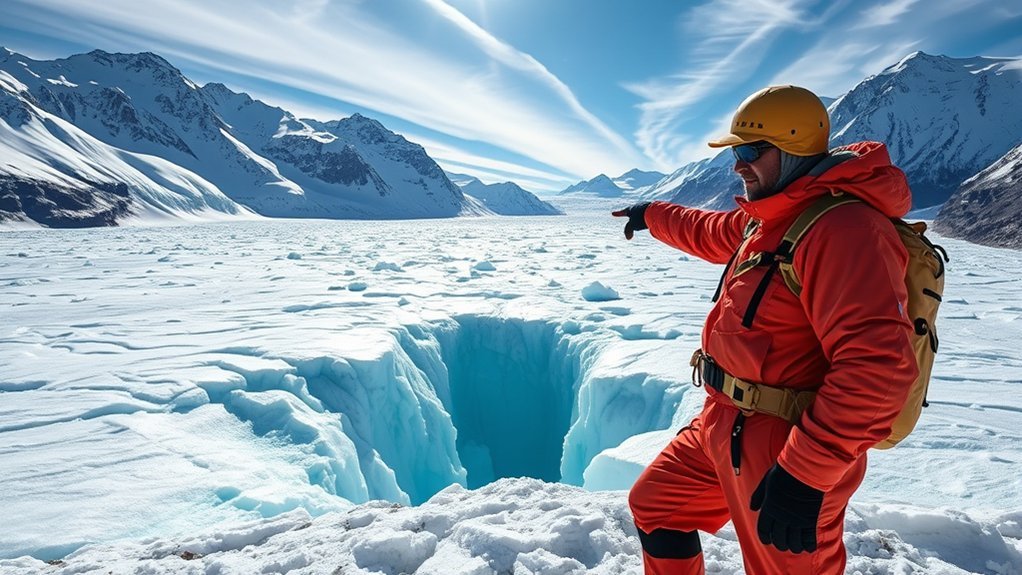
Gravity slowly moves the ice down-valley. As the glacier flows, melts, fractures, and carries sediment, it produces features such as crevasses, seracs, moraines, meltwater channels, and moulins. Those features make the glacier visually impressive, but they also create hazards that can change from day to day.
Matanuska is not a fixed landscape. Ice movement, melting, snowfall, and flowing water continually reshape the routes visitors see and walk.
Getting There: Directions and Accessibility
Matanuska Glacier lies northeast of Anchorage along the Glenn Highway. From Anchorage, allow roughly two hours or more depending on traffic, weather, road conditions, and stops. From Palmer, the drive is roughly 1 hour 15 minutes.
The most important planning detail is that there are two different destinations near the glacier.
- Matanuska Glacier State Recreation Site, Mile 101: This public Alaska State Parks site provides glacier views, parking, picnic facilities, toilets, an interpretive trail, and camping. It does not provide access to the glacier itself.
- Private glacier access near Mile 102: Visitors who want to approach or walk on the ice normally continue to the private access area reached from South Glacier Park Road. Private access fees and tour rules apply.
Note: Do not enter “Matanuska Glacier State Recreation Site” in your navigation app if your booked activity requires check-in at a private glacier-tour location. Use the exact address and arrival instructions supplied by your operator.
Best Routes to Glacier
The Glenn Highway is the normal driving route from Anchorage and Palmer. It is also part of the experience, with views across the Matanuska Valley and surrounding mountains.
- From Anchorage: Follow the Glenn Highway northeast through the Palmer area and continue toward Glacier View.
- For public viewing: Use the Matanuska Glacier State Recreation Site at Mile 101.
- For a booked glacier walk: Follow your tour operator’s instructions to the private glacier-access area near Mile 102 rather than stopping at the state recreation site.
The Old Glenn Highway should not be treated as an alternate route to the glacier. It serves other communities and attractions closer to Palmer but does not replace the main Glenn Highway approach to the Matanuska Glacier area.
Accessibility Options Available
Accessibility depends greatly on what you want to do. The Matanuska Glacier State Recreation Site identifies accessible facilities, including toilets and water, and offers viewing without requiring an on-ice trek.
Walking on the glacier is different. The approach and ice can include gravel, mud, uneven moraine, steep sections, slippery surfaces, and changing glacier features. Do not assume that a paved or compacted accessible route continues onto the glacier.
Some guiding companies can adapt trips for visitors with different abilities, but arrangements vary. If anyone in your group has limited mobility, balance concerns, or other physical restrictions, contact the specific operator before booking and describe what assistance is needed.
Best Times to Visit
Matanuska Glacier can be experienced in more than one season, but the trip feels very different in summer and winter.
| Season | What to Expect | Best For |
|---|---|---|
| June–August | Long daylight, comparatively mild temperatures, exposed ice, active meltwater, and the busiest visitor period | First-time visitors, photography, and combining the glacier with other Alaska road-trip stops |
| Spring and fall | Cooler temperatures, changing weather, fewer visitors on some dates, and variable snow or ice conditions | Travelers comfortable with more unpredictable weather |
| Winter | Snow-covered terrain, cold temperatures, short daylight, and distinctly different glacier formations | Winter scenery and guided cold-weather glacier experiences |
Ice caves and other glacier features are temporary. Never plan a trip around seeing one exact cave, arch, crevasse, or pool shown in an older photo because those features can change or disappear.
Pro Tip: Build extra time into a Matanuska day trip. The Glenn Highway has scenic viewpoints, and weather or road conditions may slow the drive. If you have a timed tour, arrive according to the operator’s check-in instructions rather than planning to pull in at the exact departure time.
Guided Tours and Adventure Options
Guided glacier walks are the most practical choice for most visitors who want to step onto the ice. Current tour operators offer trips ranging from introductory glacier walks to longer adventure treks and technical ice-climbing experiences.
A standard guided walk commonly includes a trained guide plus glacier traction and safety equipment such as crampons or similar traction, a helmet, and poles. Exact equipment, age limits, footwear requirements, trip length, and physical demands vary by company.
More demanding tours may travel farther across the glacier, while ice-climbing programs add technical instruction and specialized equipment. Choose a trip based on your actual fitness and experience rather than selecting the longest or most technical option simply for better photographs.
Transportation is also available through some Anchorage-based tour companies. These full-day packages cost more but remove the need to drive the Glenn Highway yourself.
For current availability, compare tour length, what the price includes, the private access fee, cancellation rules, minimum age, footwear requirements, and whether transportation is included.
Safety Tips for Glacier Exploration
A glacier is moving ice, not a conventional hiking trail. Crevasses, moulins, unstable ice, flowing meltwater, loose rock, and thin snow bridges can be difficult for an inexperienced visitor to recognize.
Warning: Do not enter crevassed or technical glacier terrain merely because other visitors appear to be walking there. Routes can change quickly, and snow or debris may hide hazards. Follow the current access rules and stay with your guide on an organized glacier trip.
Essential Gear Checklist
For an ordinary guided glacier walk, focus on personal clothing and let the operator specify technical equipment.
- Supportive footwear: Wear sturdy hiking footwear that fits the tour company’s requirements.
- Weatherproof layers: Carry an insulating layer and a waterproof or wind-resistant outer layer even when the valley feels warm.
- Eye and hand protection: Sunglasses, gloves, and sun protection are useful because ice reflects bright light and glacier winds can feel cold.
- Water and personal essentials: Bring drinking water and any personal items required for several hours outdoors.
- Operator-provided safety gear: Use the helmet, traction devices, poles, or other equipment supplied or required by your guide.
Ice axes, ropes, harnesses, anchors, and crevasse-rescue systems belong in trained technical glacier travel and climbing. Carrying them without knowing how to use them does not make an independent glacier trip safe.
Weather Awareness Practices
Conditions around the Chugach Mountains can change rapidly. Check the forecast before leaving and reassess conditions when you arrive.
| Weather Condition | Safety Precaution |
|---|---|
| Clear Skies | Use sunglasses and sun protection; carry water |
| Rain or Overcast | Add a waterproof shell and protect electronics |
| Snowfall | Expect lower visibility and hidden surface features |
| High Winds | Add windproof layers and follow your guide’s instructions |
| Rapid Temperature Drop | Add insulation before you become chilled |
If your guide changes the route, delays departure, or cancels because of conditions, treat that as a safety decision rather than a lost sightseeing opportunity.
What to Wear and Bring
Dress for conditions on the glacier rather than the temperature you feel when leaving Anchorage. Ice, shade, wind, and changing weather can make the glacier noticeably colder.
- Base layer: Choose a comfortable moisture-managing shirt and long pants.
- Insulating layer: Bring fleece, wool, or another warm middle layer.
- Outer shell: Carry a windproof and water-resistant jacket.
- Footwear: Wear supportive hiking boots or shoes approved by your tour operator.
- Gloves and hat: Pack both even on a summer trip.
- Sunglasses and sunscreen: Snow and ice can produce strong glare.
- Small backpack: Carry water, snacks if permitted, spare layers, and personal essentials without overpacking.
Before buying crampons or other glacier gear, check what your guide already supplies. Many guided walks include the required traction and safety equipment.
Nearby Attractions and Activities
You can combine Matanuska Glacier with several stops along the Glenn Highway or in the Palmer area. Drive times are more useful than straight-line distance because mountain roads and the highway determine how long each side trip takes.
| Attraction | Activity | Planning Context |
|---|---|---|
| Sheep Mountain area | Scenic views, hiking, and wildlife watching | Continue east on the Glenn Highway; suitable for extending a Glacier View road trip |
| Hatcher Pass | Hiking, mountain scenery, and historic sites | Back toward Palmer; allow a substantial additional drive rather than treating it as a quick 30-mile stop |
| Palmer | Local history, food, museums, and supplies | Roughly 1 hour 15 minutes toward Anchorage from the glacier area under normal conditions |
The public Matanuska Glacier State Recreation Site itself is also worth a stop if your tour itinerary does not include a wide valley viewpoint. Its interpretive trail provides a different perspective from being directly on the ice.
Photography Tips for Capturing the Glacier
Matanuska Glacier offers everything from broad valley landscapes to detailed blue-ice textures. A few simple techniques can improve your photographs without distracting from safety.
- Use softer light: Early and late daylight can add texture to ridges and crevasses, although your tour time should take priority over chasing perfect light.
- Add foreground interest: Rocks, moraine, people, or vegetation can show the glacier’s scale.
- Carry a wide-angle option: A phone’s wide camera or a wide-angle lens helps capture the glacier and surrounding mountains together.
- Expose carefully: Bright ice can fool a camera meter, so review highlights and adjust exposure when necessary.
- Stop before shooting: Never walk backward, sideways, or away from your guide while looking through a camera or phone screen.
Environmental Conservation and Respect for Nature
Glacial landscapes may look rugged, but surrounding vegetation and newly exposed soils can be easily damaged. Stay on established access routes where they exist and follow your guide’s route on the glacier.
Pack out your trash, avoid disturbing wildlife, and never feed animals. Do not throw objects into crevasses, pools, or meltwater channels.
Drone rules also deserve attention. Private landowners and tour operators may prohibit drones even when aviation rules would otherwise permit a flight. One current Matanuska operator specifically notes a no-drone policy at the private Glacier Park access area, so verify permission before bringing or launching one.
At the public state recreation site, follow Alaska State Parks rules and campground instructions. Responsible use helps protect both the landscape and access for future visitors.
Frequently Asked Questions
Are there restrooms available at Matanuska Glacier?
Yes. The public Matanuska Glacier State Recreation Site at Mile 101 has toilets. Private tour check-in facilities may also have restrooms, but facilities vary by operator, so use the restroom before your departure onto the glacier.
Can I camp near Matanuska Glacier?
Yes. Matanuska Glacier State Recreation Site at Mile 101 has a small campground. Alaska State Parks currently lists campsites there as first come, first served and publishes current camping fees on its fee pages. Check conditions before relying on a site late in the season.
Is fishing permitted in the glacier area?
The glacier itself is not a fishing destination, but fishing rules for nearby rivers, streams, and lakes depend on the specific water body, species, season, and current emergency orders. Check the latest Alaska Department of Fish and Game sport-fishing regulations before fishing anywhere in the region.
Are pets allowed on the glacier?
Do not assume that a pet can accompany you onto the glacier. Private access areas and individual tour companies set their own policies, so obtain approval from your operator before bringing an animal. Alaska State Parks has separate pet rules for its public facilities, where owners remain responsible for control and cleanup.
What are the park hours for Matanuska Glacier?
There is no single set of “Matanuska Glacier park hours” covering every visitor area. Alaska State Parks says the Mile 101 recreation site remains open until winter snow and ice conditions close it. Private glacier-access and guided-tour schedules are separate and vary by season, so confirm your booking time before traveling.
Can I see Matanuska Glacier without paying for a glacier tour?
Yes. You can see the glacier from public viewpoints along the Glenn Highway and from Matanuska Glacier State Recreation Site. The state site charges a parking fee but does not provide access to the ice. Walking onto the glacier involves separate private access and tour arrangements.
How much does it cost to visit Matanuska Glacier in 2026?
Public viewing can be inexpensive: Alaska State Parks lists a $7 daily parking fee at Matanuska Glacier State Recreation Site in 2026. Walking on the glacier costs considerably more because private-access and guided-tour charges apply. For example, one current operator lists a $55 adult Glacier Park access fee for its clients in addition to the tour price. Verify the total when booking because rates vary.
Conclusion
Matanuska Glacier is easy to see but deserves careful planning if you want to walk on the ice. Use the Mile 101 state recreation site for public viewing, picnicking, facilities, and camping, and follow the separate private-access instructions supplied by your guide for an on-ice experience. Dress for changing weather, respect glacier hazards, allow extra driving time, and verify current access rules before leaving. With those details handled, you can focus on the extraordinary scale, color, and constantly changing formations of one of Alaska’s most accessible glaciers.
Sources
- Travel Alaska — Matanuska Glacier — glacier size, location, road accessibility, and guided glacier experiences.
- Alaska State Parks — Matanuska Glacier State Recreation Site — Mile 101 facilities, public viewing, camping, accessibility, and the lack of direct glacier access from the state site.
- Alaska State Parks — Fees by Park Facility — current state recreation site parking and camping fees.
- Alaska Division of Geological & Geophysical Surveys — Matanuska Glacier overview — glacier dimensions, ice streams, tributaries, and geological context.
- Alaska Department of Fish and Game — Fishing Regulations — current statewide fishing-regulation and emergency-order guidance.
- NOVA Alaska Guides — Matanuska Glacier tour information — current 2026 private Glacier Park access-fee information and guided-tour requirements.