December in Alaska brings deep winter conditions, long nights, snowy scenery, and some of the year’s best opportunities for northern-lights viewing. But Alaska is enormous, so there is no single December temperature or daylight figure that applies statewide. Anchorage, Fairbanks, Southeast Alaska, and far-northern communities can feel dramatically different. A successful trip depends on choosing the right destination, preparing for cold and limited daylight, and leaving room for weather changes.
Quick Answer
Alaska in December is best for travelers who want snowy winter scenery, northern lights, dog sledding, skiing, snowshoeing, ice fishing, and holiday events. Expect short days and major regional temperature differences. Fairbanks is usually much colder than Anchorage, while winter roads, attraction hours, and tours require more planning than they do in summer.
Key Takeaways
- December daylight varies sharply by location. Anchorage gets roughly five and a half hours near the winter solstice, while Fairbanks gets less than four.
- Fairbanks is one of the strongest choices for aurora-focused trips, but clear skies and auroral activity are never guaranteed.
- Anchorage offers easier access to restaurants, museums, trails, winter events, and Southcentral day trips.
- Winter driving requires flexibility. Check weather and Alaska 511 before every significant road trip.
- Dog sledding, snowshoeing, skiing, and ice fishing can be excellent, but snow, ice, avalanche conditions, and operator schedules determine what is actually available.
- Pack for colder conditions than the forecast alone suggests, including wind protection, insulated footwear, warm layers, gloves, and face protection.
December Weather Conditions in Alaska
December weather in Alaska depends heavily on where you go. The Interior can experience severe subzero cold, while Southcentral Alaska is generally milder. Southeast Alaska has a maritime climate, so travelers may encounter combinations of snow, rain, freezing rain, wind, and icy surfaces rather than the consistently dry cold found farther inland.
NOAA’s 1991–2020 U.S. Climate Normals show just how large the difference can be between Anchorage and Fairbanks:
| Location | Normal December High | Normal December Low | Normal December Snowfall |
|---|---|---|---|
| Anchorage | About 25°F (-4°C) | About 14°F (-10°C) | About 18 inches |
| Fairbanks | About 4°F (-15°C) | About -13°F (-25°C) | About 11 inches |
These are long-term averages, not forecasts. Individual December days can be considerably warmer or colder, and wind can make exposed skin lose heat much faster. Check the National Weather Service forecast shortly before each outdoor activity rather than packing only for the monthly average.
How Much Daylight Does Alaska Get in December?
Daylight also changes dramatically with latitude. Near the winter solstice, National Weather Service data show about 5 hours 28 minutes between sunrise and sunset in Anchorage, about 3 hours 43 minutes in Fairbanks, and about 6 hours 22 minutes in Juneau. Twilight adds some usable light before sunrise and after sunset, so “hours without the sun above the horizon” should not be confused with complete darkness.
December daylight is not the same across Alaska. Your destination matters almost as much as the month when planning sightseeing hours.
Pro Tip: Schedule scenic drives, wildlife viewing, photography, and unfamiliar outdoor routes during the brightest part of the day. Save museums, restaurants, hot springs, and aurora watching for darker hours.
Seeing the Northern Lights in December
December is firmly within Alaska’s northern-lights season. Travel Alaska identifies late August through late April as the primary viewing season because the nights are dark enough to see auroral displays.
Long December nights give you many potential viewing hours, but darkness alone does not guarantee an aurora. You still need a combination of auroral activity, reasonably clear skies, and a viewing location away from strong artificial light. Cloud cover can hide an active aurora completely.
Fairbanks is especially popular because of its position beneath the auroral oval and its established winter-tour infrastructure. Chena Hot Springs, about 60 miles from Fairbanks, is another common aurora-oriented stop. Anchorage can also see the northern lights when conditions cooperate, particularly from darker locations away from central city lighting.
If the northern lights are a major reason for your trip, avoid building a one-night itinerary around them. Travel Alaska recommends spending several nights in an aurora destination to improve your odds. Check the University of Alaska Fairbanks Geophysical Institute aurora forecast along with the local cloud forecast.
Note: Aurora forecasts describe expected geomagnetic activity, not a guarantee that you will see the lights from your hotel. Local cloud cover and light pollution remain important.
Wildlife Encounters in the Winter
Winter does not make Alaska’s wildlife disappear, but December wildlife viewing is different from summer. Bears are generally far less visible because many are denning, while animals such as moose remain active. Snow can make tracks easier to notice, and reduced vegetation can sometimes make animals easier to spot.
The Alaska Department of Fish and Game notes that winter movement is less obscured by vegetation and that tracks from animals including wolves, lynx, river otters, mink, and foxes can be easier to see in snow. Wildlife sightings are never guaranteed, however, and the species you encounter depend heavily on the region and habitat.
Winter Animal Sightings
- Moose: Moose stay active through winter and may appear along roads, trails, wooded neighborhoods, and brushy areas. Give them plenty of room and never approach for a photograph.
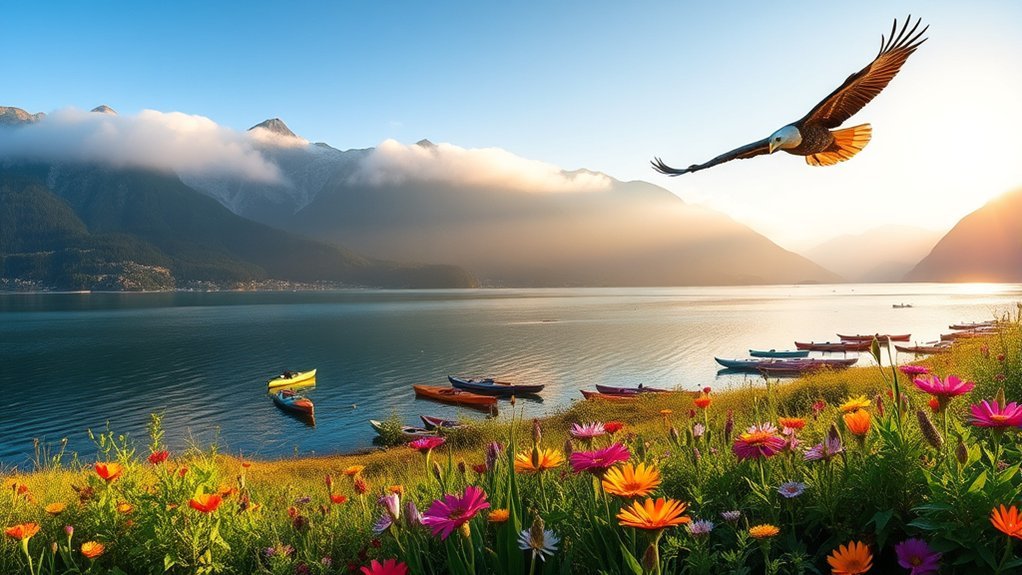
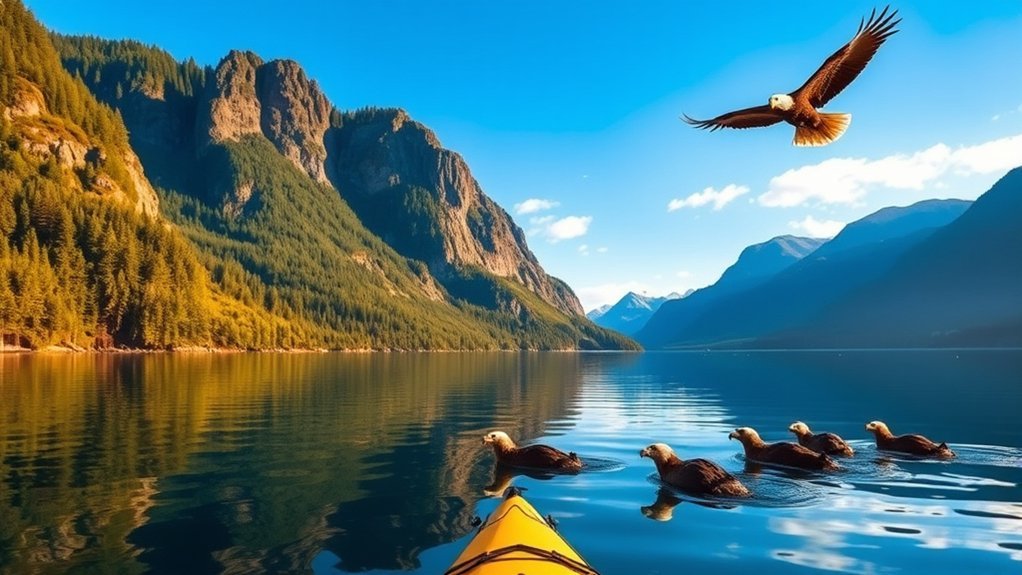
- Bald Eagles: Eagles remain present in parts of Alaska during winter, particularly where food remains accessible.
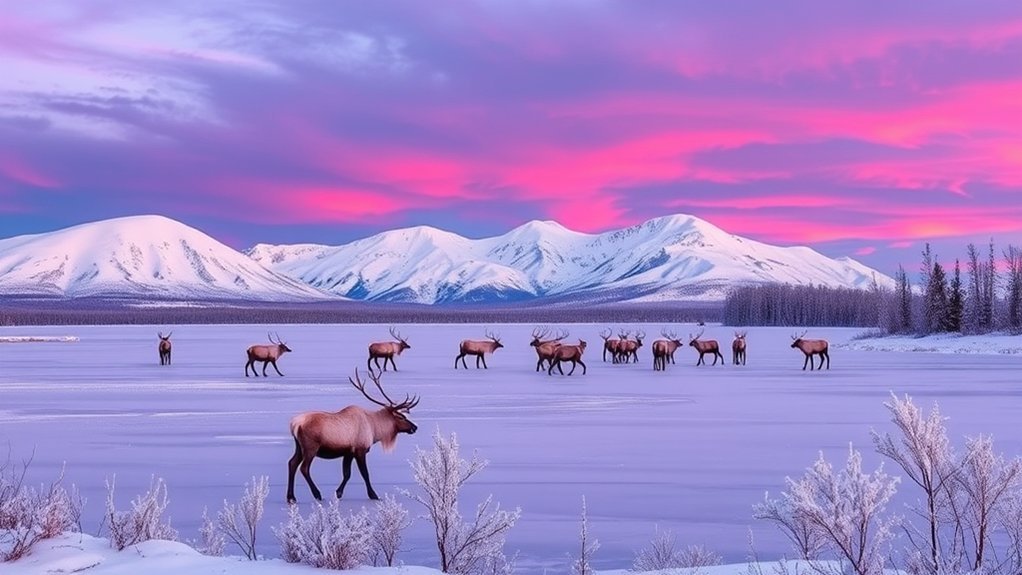
- Caribou: Caribou occur in several Alaska regions, but large herds should not be treated as a routine roadside sighting on a standard winter vacation.
- Otters and other mammals: Depending on habitat, you may see animals themselves or find tracks and other signs in the snow.
Winter also increases the risk of moose-vehicle collisions. Alaska Fish and Game specifically warns drivers to watch for moose on roads during winter. Slow down when visibility is poor, particularly around dawn, dusk, curves, and wooded road edges.
Wildlife Conservation Efforts
For visitors who want a more predictable wildlife experience, the Alaska Wildlife Conservation Center near Portage provides large habitats for Alaska wildlife and takes in injured and orphaned animals. Its mission includes conservation, education, research, and animal care.
The center is south of Anchorage rather than in downtown Anchorage, and its winter schedule is more limited than its summer schedule. Check current operating days and weather before making the drive.
Whether you see wildlife in a sanctuary or in the wild, avoid feeding, crowding, following, or attempting to touch animals. A close encounter is not worth stressing wildlife or putting yourself at risk.
Top Outdoor Activities for Adventurers
December opens the door to classic Alaska winter activities, but availability depends on snowpack, ice, weather, and the operator or recreation area. Confirm conditions rather than assuming every winter activity is ready on December 1.
- Dog Sledding: Ride behind a working sled-dog team on snowy trails. Tours are available around Fairbanks and in parts of Southcentral Alaska, but schedules and trail conditions vary.
- Snowshoeing: A good option for travelers who want a slower way to explore snowy parks and trails. Choose maintained or well-marked routes when you are unfamiliar with winter backcountry travel.
- Cross-Country Skiing: Anchorage and Fairbanks both have winter trail systems, with conditions changing throughout the season.
- Downhill Skiing and Snowboarding: Southcentral Alaska offers resort skiing, including the Girdwood area, when mountain conditions allow.
- Ice Fishing: Stocked lakes can provide winter fishing opportunities once safe ice has formed and applicable fishing regulations allow it.
Warning: Never assume a frozen lake is safe because other people are standing on it. Ice thickness can vary over short distances, especially near currents, springs, inlets, outlets, and changing weather. Check local conditions and Alaska fishing regulations before going onto the ice.
Backcountry winter travel requires another layer of caution. Some Alaska trails cross avalanche terrain. Check current avalanche forecasts, recreation-area notices, and closures before leaving maintained areas. The Chugach National Forest, for example, advises winter visitors to verify avalanche conditions and area status before recreating.
Cultural Events and Festivities
December brings holiday displays, community events, performing arts, markets, and winter-solstice celebrations, but annual schedules change. Check official event calendars again shortly before your trip.
In Anchorage, Heyi Days celebrates the winter season from the period after Thanksgiving through the end of December, bringing together markets, outdoor activities, performances, shopping, and other community events. Seasonal light displays are also common around Anchorage.
Fairbanks embraces the shortest days of the year with winter-solstice activities around December 21. Explore Fairbanks describes downtown celebrations that can include lights, art, shopping, entertainment, and fireworks. Exact dates and individual events should be confirmed for the year you visit.
When exploring Alaska Native culture, look for programs, exhibitions, performances, and events explicitly presented by Alaska Native organizations, cultural centers, museums, and communities. Avoid assuming that every solstice or winter festival represents an Indigenous ceremony.
Note: Anchorage’s Fur Rendezvous, often called Fur Rondy, is a famous Alaska winter festival, but it is not a December event. The 2027 festival is scheduled for February 25 through March 7.
Getting Around Alaska in December
Transportation is one of the biggest differences between an Alaska summer trip and an Alaska December trip. Snow, ice, wind, low visibility, and limited daylight can slow road travel, while some seasonal routes or services operate on reduced schedules.
Driving
Before a substantial winter drive, check the National Weather Service forecast and Alaska 511 for current road conditions, closures, cameras, and urgent reports. Alaska DOT&PF warns that some highways receive no winter maintenance and that travel on those routes can become dangerous.
If you rent a vehicle, understand its winter equipment and controls before leaving town. Clear snow and ice from windows and lights, keep fuel well above empty on longer drives, carry warm clothing and emergency supplies, and tell someone where you are going when traveling beyond populated areas.
Winter Train Travel
The Alaska Railroad can be an alternative to driving between parts of Southcentral and Interior Alaska. The 2026/2027 Aurora Winter Train schedule includes weekend service between Anchorage and Fairbanks, with northbound Saturday and southbound Sunday service during the winter season.
Winter rail service is much less frequent than summer service, so build your itinerary around the published operating days rather than assuming a daily train is available.
Flights and Weather Buffers
Air travel remains important because many Alaska communities are not connected by road. Winter weather can still disrupt schedules, so avoid placing an expensive, nonrefundable activity immediately after a tight flight connection when possible. A little flexibility can prevent one delayed arrival from disrupting the rest of the trip.
Tips for Traveling in Alaska During December
Dress for More Than the Forecast
Use a moisture-managing base layer, an insulating middle layer, and an outer layer that blocks wind and precipitation. Add insulated waterproof footwear, warm socks, gloves or mittens, a hat, and face or neck protection. Carry extra insulation when driving outside urban areas.
The National Weather Service warns that extreme cold and wind can cause frostbite and hypothermia. Cover exposed skin and shorten outdoor sessions when cold or wind becomes severe.
Plan Around Limited Daylight
Put scenic drives, outdoor photography, wildlife viewing, and unfamiliar trails near the middle of the daylight window. Indoor attractions, restaurants, hot springs, and aurora excursions fit naturally into darker hours.
Expect Reduced Winter Hours
Do not copy a summer itinerary into December. Museums, visitor centers, restaurants, tours, and attractions may operate fewer days or shorter hours. Confirm opening times directly before driving long distances.
Keep Wildlife at a Distance
Moose can be especially hazardous when surprised or crowded. Never approach one because it appears calm. Give wildlife an escape route, control children and pets, and be prepared to change your walking route.
Build Flexibility Into the Itinerary
A rigid minute-by-minute schedule is a poor match for Alaska winter weather. Have an indoor backup for each major outdoor day and avoid depending on a single evening for aurora viewing.
Must-Visit Towns and Attractions
Fairbanks for Northern Lights and Deep Winter
Fairbanks is one of the strongest December bases if your priorities are northern lights, very cold Interior weather, dog sledding, winter landscapes, and solstice atmosphere. The tradeoff is the cold: NOAA climate normals show an average December high only a few degrees above zero Fahrenheit, and substantially colder outbreaks are possible.
Chena Hot Springs is roughly 60 miles from Fairbanks and is often paired with aurora-focused itineraries. Leave several nights for aurora viewing instead of expecting the lights to appear on command.
Anchorage for the Easiest All-Around Winter Base
Anchorage works well for travelers who want winter activities without giving up a broad choice of restaurants, museums, shopping, and urban services. You can combine city attractions with snowshoeing, skiing, seasonal events, and Southcentral day trips.
The Alaska Wildlife Conservation Center near Portage can be included on a Southcentral itinerary when its December operating schedule and road conditions line up with your plans.
Girdwood for Mountain Scenery and Winter Sports
Girdwood is a useful addition for travelers interested in mountain scenery and downhill winter recreation. Conditions vary through the early season, so confirm lift, trail, and activity availability before building the entire trip around skiing or snowboarding.
Skagway for a Very Quiet Winter Experience
Historic Skagway offers Gold Rush history and dramatic Southeast Alaska scenery, but December is very different from the cruise season. The National Park Service describes October through April as a quiet period with limited services and reduced operations.
Skagway can still appeal to travelers specifically seeking solitude and winter atmosphere, but check lodging, transportation, restaurants, tours, and National Park Service hours before committing to the trip. Do not assume summer attractions such as museums, tours, or railroad excursions will operate on the same schedule.
Frequently Asked Questions
What should I pack for a December trip to Alaska?
Pack moisture-managing base layers, insulating midlayers, a wind-resistant and weather-resistant outer layer, insulated waterproof boots, warm socks, gloves or mittens, a warm hat, and face protection. Bring extra warm clothing when driving outside cities because a breakdown can leave you exposed to severe cold.
Are there travel restrictions during December in Alaska?
There is no single statewide restriction simply because it is December, but winter conditions can close roads, delay flights, reduce attraction hours, and make some highways or recreation areas unsuitable for travel. Check Alaska 511, weather forecasts, transportation schedules, and local operating notices before each significant trip.
How long does it stay dark in Alaska during December?
It depends on where you are. Near the winter solstice, Anchorage gets roughly five and a half hours between sunrise and sunset, Fairbanks less than four hours, and Juneau a little over six hours. Twilight adds additional usable light before sunrise and after sunset.
Can I see the northern lights in December?
Yes. December is within Alaska’s main aurora-viewing season and provides long dark nights. A sighting is never guaranteed because you also need auroral activity and sufficiently clear skies. Fairbanks is a popular base, and staying several nights improves your chances compared with a one-night attempt.
Is December a good time for family travel in Alaska?
It can be excellent for families comfortable with cold weather. Dog sledding, holiday lights, museums, wildlife attractions, snow activities, and aurora watching can all work well. Keep outdoor sessions shorter for young children, carry extra layers, and balance outdoor activities with warm indoor stops.
How cold is Alaska in December?
There is no statewide answer. Anchorage’s 1991–2020 December normals are about 25°F for the daily high and 14°F for the low, while Fairbanks averages about 4°F for the high and -13°F for the low. Actual weather can vary substantially from those averages.
Do I need a rental car in Alaska in December?
Not always. A car gives you flexibility around Anchorage and Fairbanks, but winter driving requires confidence on snow and ice. Tours, taxis, shuttles, and limited Alaska Railroad winter service can reduce the amount of driving you need to do. Choose transportation based on your itinerary and winter-driving experience.
Is Skagway worth visiting in December?
Skagway can suit travelers who want a very quiet winter experience, but it is not the same destination visitors encounter during cruise season. National Park Service operations and local visitor services are reduced in winter, so confirm transportation, lodging, food, attractions, and opening hours before traveling.
Sources
- NOAA National Centers for Environmental Information: U.S. Climate Normals — 1991–2020 temperature and snowfall normals for Alaska weather stations.
- Travel Alaska: Northern Lights Viewing — Alaska aurora season and viewing guidance.
- Alaska Department of Transportation & Public Facilities: Winter Driving Tips — winter road preparation, hazards, and road-maintenance guidance.
- Alaska Department of Fish and Game: When to Go Wildlife Viewing — seasonal wildlife behavior and winter viewing information.
- Alaska Railroad: Train Schedules — current Aurora Winter Train service information.
- National Park Service: Visiting Skagway in Winter — winter services and seasonal conditions at Klondike Gold Rush National Historical Park.